Unity Software sees increased options trading amid market decline

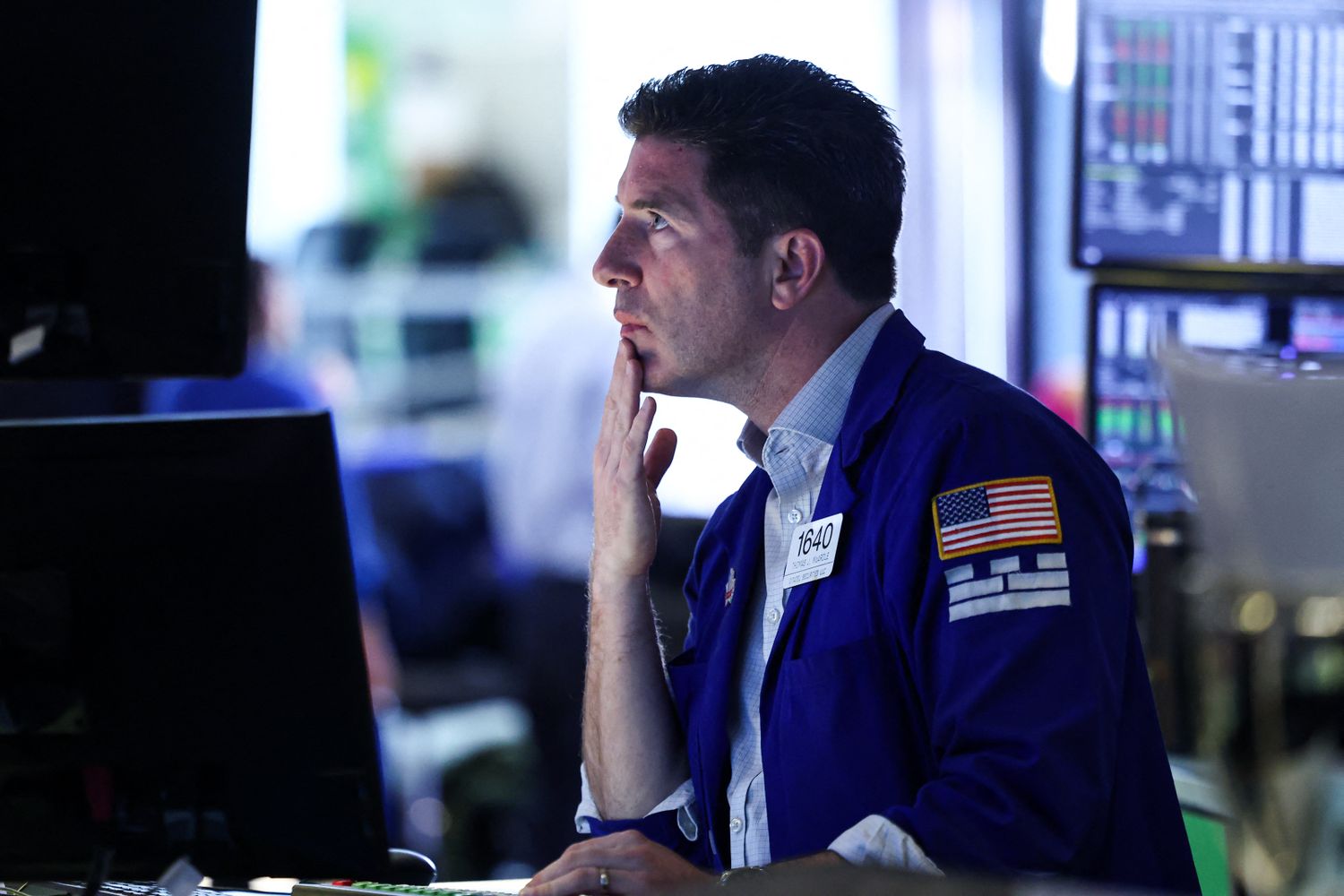
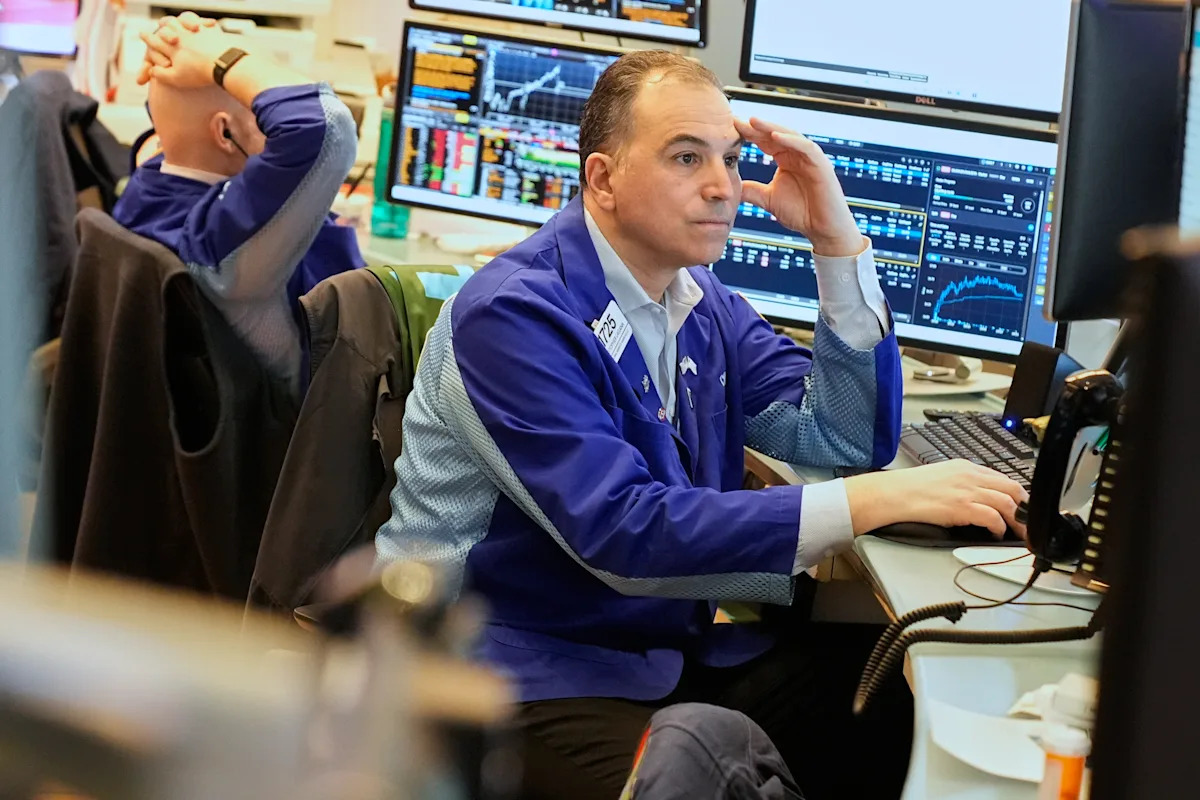
Unity Software Inc. (U) experienced a significant drop of 4.49%, hitting a 20-day low. This decline comes as the Nasdaq-100 and S&P 500 indices also fell by 0.96% and 0.52%, respectively, indicating a broader market weakness.
Despite the stock's decline, Unity's options volume surged to 61,936 contracts, reflecting strong investor expectations for future performance. Notably, the $55 strike call option expiring on February 20, 2026, saw substantial trading activity, suggesting heightened market confidence in Unity's potential price appreciation.
The increase in options trading could indicate that investors are positioning themselves for a rebound, despite the current market conditions. This activity may lead to increased volatility in Unity's stock as investors react to market movements.
Trade with 70% Backtested Accuracy
Analyst Views on U

About U
About the author

Chinese Startups Accelerate Global Expansion


- Global Market Opportunity: Tripo AI reports that around 90% of its users are from outside China, indicating strong demand in the global market, which is expected to drive future revenue growth for the company.
- Rapid Revenue Growth: Since launching its 3D model generation platform in June 2025, Tripo has quickly surpassed $1 million in monthly revenue, demonstrating the success of its products in international markets.
- Significant Market Potential: iSales has generated over $1 million in revenue since June by helping over 300 small manufacturers find buyers abroad, showcasing the competitiveness of Chinese manufacturing in the international arena.
- Clear Financing Strategy: Both Tripo and iSales prioritize fundraising from U.S. dollar-based investors with plans to list in Hong Kong in the future, reflecting their focus on international markets and long-term growth objectives.

UNITY SOFTWARE INC: BOFA GLOBAL RESEARCH UPGRADES TO NEUTRAL FROM UNDERPERFORM; INCREASES PRICE TARGET TO $19 FROM $18
Company Announcement: Unity Software Inc. has raised the price of its Object Reference (OBJ) from $18 to $19.
Market Impact: This price increase is part of a broader strategy to enhance revenue and performance metrics for the company.

Tech Weakness Drags Stock Index Futures Lower

- Rating Downgrade Impact: Fitch Ratings downgraded Paramount Skydance (PSKY) to junk status, causing a 5.10% drop in premarket trading, which could impair its financing ability and market confidence, especially after its acquisition of Warner Bros. Discovery, leaving the combined entity with approximately $79 billion in net debt.
- Stablecoin Partnership: SoFi Technologies (SOFI) slipped 1.69% in premarket trading despite announcing a partnership with Mastercard (MA) to enable its U.S. dollar stablecoin settlement across the global payments network, indicating market skepticism about the acceptance of its new product, which may hinder its expansion plans.
- Valuation Improvement: Unity Software (U) declined 2.28% in premarket trading even after Bank of America upgraded its rating from Underperform to Neutral, with analysts citing improved valuation; however, the market's reaction suggests investors remain cautious about its future outlook.
- Investor Confidence Boost: Pinterest (PINS) surged 8% in early trading after announcing a $1 billion investment from Elliott Investment Management, expecting to use the proceeds for an accelerated share repurchase agreement, thereby enhancing market confidence in its long-term growth potential.

Wall Street Analysts Adjust GE Stock Ratings


- Analyst Rating Changes: Top Wall Street analysts have adjusted their outlook on General Electric (GE) stock, indicating a shift in market sentiment, although specific rating changes were not detailed in the report.
- Market Reaction Insight: While specific upgrades or downgrades were not provided, the change in analysts' perspectives could influence investor decisions, particularly among those considering purchasing GE stock.
- Source of Information: This information is provided by Benzinga, highlighting the significance of analyst ratings in market dynamics, and investors should pay attention to these changes to make informed investment choices.
- Overall Market Trends: Changes in analyst ratings often signal market expectations regarding a company's future performance, thus investors should closely monitor these updates to seize potential investment opportunities.

Wall Street Analysts Adjust Ratings on Key Stocks


- Analyst Rating Updates: Top Wall Street analysts have adjusted their ratings on several stocks, including upgrades, downgrades, and initiations, reflecting the latest market perspectives on these companies.
- Market Dynamics Overview: While specific stocks are not detailed, changes in analyst ratings typically influence investor decisions and may lead to price fluctuations in the affected stocks.
- Investor Focus: For those considering buying U stock, analysts' opinions may provide crucial market insights, aiding them in making more informed investment choices.
- Source of Rating Changes: A complete view of all analyst rating changes can be found on Benzinga's analyst ratings page, ensuring investors have access to comprehensive information to support their investment strategies.

Bank of America Upgrades Unity to Neutral Amid Valuation Concerns
- Rating Upgrade: Bank of America upgraded Unity from Underperform to Neutral, with analyst Omar Dessousky noting that the balance of risk has improved, despite a weaker-than-expected Q1 guide likely deflating CY26 estimates and reducing the risk of further cuts.
- Technology Roadmap Outlook: The Unity Engine's technology roadmap will be showcased at GDC from March 9-13, potentially providing hope for a consumption-based revenue model and increasing willingness to pay among the long tail of non-paying users, enhancing future revenue potential.
- Ad Targeting Innovation: The anticipated use of run-time data for ad targeting beginning in Q2 could significantly elevate the market value of the Unity Engine as a strategic asset, further boosting the company's competitiveness in the ad tech space.
- Valuation Analysis: Unity's valuation is near historical lows, trading at 16x Street CY26E EBITDA, making further de-rating less likely; Dessousky's price target of $19 reflects cautious optimism regarding the company's future growth prospects.
Chinese Startups Accelerate Global Expansion
- Global Market Opportunity: Tripo AI reports that around 90% of its users are from outside China, indicating strong demand in the global market, which is expected to drive future revenue growth for the company.
- Rapid Revenue Growth: Since launching its 3D model generation platform in June 2025, Tripo has quickly surpassed $1 million in monthly revenue, demonstrating the success of its products in international markets.
- Significant Market Potential: iSales has generated over $1 million in revenue since June by helping over 300 small manufacturers find buyers abroad, showcasing the competitiveness of Chinese manufacturing in the international arena.
- Clear Financing Strategy: Both Tripo and iSales prioritize fundraising from U.S. dollar-based investors with plans to list in Hong Kong in the future, reflecting their focus on international markets and long-term growth objectives.
UNITY SOFTWARE INC: BOFA GLOBAL RESEARCH UPGRADES TO NEUTRAL FROM UNDERPERFORM; INCREASES PRICE TARGET TO $19 FROM $18
Company Announcement: Unity Software Inc. has raised the price of its Object Reference (OBJ) from $18 to $19.
Market Impact: This price increase is part of a broader strategy to enhance revenue and performance metrics for the company.
Tech Weakness Drags Stock Index Futures Lower
- Rating Downgrade Impact: Fitch Ratings downgraded Paramount Skydance (PSKY) to junk status, causing a 5.10% drop in premarket trading, which could impair its financing ability and market confidence, especially after its acquisition of Warner Bros. Discovery, leaving the combined entity with approximately $79 billion in net debt.
- Stablecoin Partnership: SoFi Technologies (SOFI) slipped 1.69% in premarket trading despite announcing a partnership with Mastercard (MA) to enable its U.S. dollar stablecoin settlement across the global payments network, indicating market skepticism about the acceptance of its new product, which may hinder its expansion plans.
- Valuation Improvement: Unity Software (U) declined 2.28% in premarket trading even after Bank of America upgraded its rating from Underperform to Neutral, with analysts citing improved valuation; however, the market's reaction suggests investors remain cautious about its future outlook.
- Investor Confidence Boost: Pinterest (PINS) surged 8% in early trading after announcing a $1 billion investment from Elliott Investment Management, expecting to use the proceeds for an accelerated share repurchase agreement, thereby enhancing market confidence in its long-term growth potential.
Wall Street Analysts Adjust GE Stock Ratings
- Analyst Rating Changes: Top Wall Street analysts have adjusted their outlook on General Electric (GE) stock, indicating a shift in market sentiment, although specific rating changes were not detailed in the report.
- Market Reaction Insight: While specific upgrades or downgrades were not provided, the change in analysts' perspectives could influence investor decisions, particularly among those considering purchasing GE stock.
- Source of Information: This information is provided by Benzinga, highlighting the significance of analyst ratings in market dynamics, and investors should pay attention to these changes to make informed investment choices.
- Overall Market Trends: Changes in analyst ratings often signal market expectations regarding a company's future performance, thus investors should closely monitor these updates to seize potential investment opportunities.
Wall Street Analysts Adjust Ratings on Key Stocks
- Analyst Rating Updates: Top Wall Street analysts have adjusted their ratings on several stocks, including upgrades, downgrades, and initiations, reflecting the latest market perspectives on these companies.
- Market Dynamics Overview: While specific stocks are not detailed, changes in analyst ratings typically influence investor decisions and may lead to price fluctuations in the affected stocks.
- Investor Focus: For those considering buying U stock, analysts' opinions may provide crucial market insights, aiding them in making more informed investment choices.
- Source of Rating Changes: A complete view of all analyst rating changes can be found on Benzinga's analyst ratings page, ensuring investors have access to comprehensive information to support their investment strategies.
Bank of America Upgrades Unity to Neutral Amid Valuation Concerns
- Rating Upgrade: Bank of America upgraded Unity from Underperform to Neutral, with analyst Omar Dessousky noting that the balance of risk has improved, despite a weaker-than-expected Q1 guide likely deflating CY26 estimates and reducing the risk of further cuts.
- Technology Roadmap Outlook: The Unity Engine's technology roadmap will be showcased at GDC from March 9-13, potentially providing hope for a consumption-based revenue model and increasing willingness to pay among the long tail of non-paying users, enhancing future revenue potential.
- Ad Targeting Innovation: The anticipated use of run-time data for ad targeting beginning in Q2 could significantly elevate the market value of the Unity Engine as a strategic asset, further boosting the company's competitiveness in the ad tech space.
- Valuation Analysis: Unity's valuation is near historical lows, trading at 16x Street CY26E EBITDA, making further de-rating less likely; Dessousky's price target of $19 reflects cautious optimism regarding the company's future growth prospects.