

UnitedHealth Group Launches New Pharmacy Care Model
UnitedHealth Group's stock rose 3.01% and reached a 20-day high amid a challenging market, with the Nasdaq-100 down 1.48% and the S&P 500 down 0.41%.
The catalyst for this price movement is the announcement from UnitedHealth's pharmacy benefits division, Optum Rx, which introduced a new pharmacy care model that will charge clients a per-member monthly fee starting in 2027. This model aims to enhance transparency and affordability in pharmacy care, addressing criticisms regarding rising drug prices. Additionally, UnitedHealth plans to pass through all negotiated rebate discounts to clients by January 1, 2028, further strengthening its competitive position in the market.
This new pricing model is expected to improve client satisfaction and could lead to increased market share for UnitedHealth. The positive reception of this initiative may attract more investors, especially as the company continues to address transparency issues in the healthcare sector.
Trade with 70% Backtested Accuracy
Analyst Views on UNH

About UNH
About the author

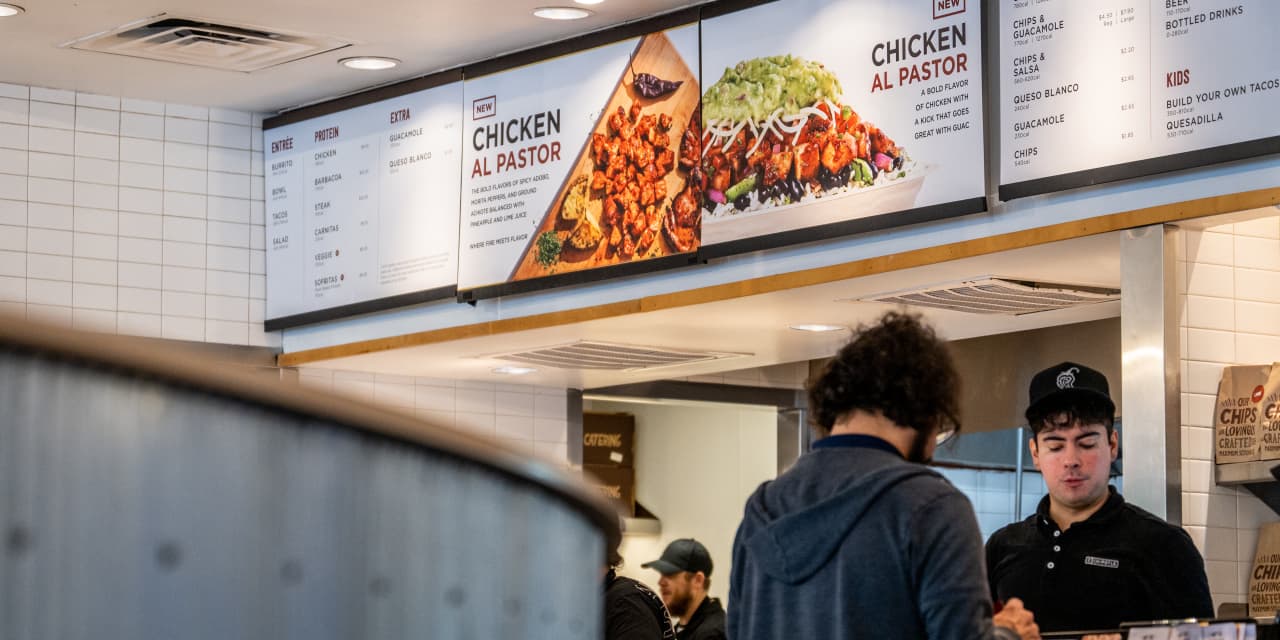
Jim Cramer's Insights on Multiple Stocks

- Fair Isaac Concerns: Despite growing worries about Fair Isaac's exposure to AI, analysts maintain a positive long-term outlook but choose to stay on the sidelines due to market uncertainties, reflecting caution regarding AI's impact on traditional business models.
- Clover Health Investment Strategy: Analysts acknowledge their overly conservative view on Clover Health, recognizing its speculative potential while favoring long-term holdings in United Health and CVS, indicating a preference for more stable companies.
- Vistra Price Volatility: Vistra's stock has experienced significant fluctuations, with analysts suggesting that the current price is too low and recommending a gradual build-up of positions, highlighting sensitivity to short-term market movements and expectations of a rebound.
- Stryker Consolidation Expectations: Analysts express disappointment that Stryker's anticipated consolidation has not materialized, indicating a failure of the market to deliver expected consolidation opportunities and reflecting a sense of disillusionment with industry consolidation trends.
CVS Health Stock Surges on Medicare Developments

- Stock Recovery: After a rough start to 2026, CVS Health shares have surged over 25% recently due to promising Medicare-related developments, indicating a strong market rebound that boosts investor confidence.
- Analyst Target Increase: Mizuho analyst Ann Hynes raised CVS's price target from $110 to $115, presenting about a 13% upside from the current price of $100.68, reflecting optimistic market expectations for CVS's future performance.
- Investor Sentiment Shift: As the stock price rises, investors are increasingly confident that CVS can continue to exceed expectations, moving beyond merely anticipating “better than expected” results, which could drive further price increases.
- Valuation Potential: Currently trading at a forward P/E of 13.8, if CVS reaches $115 with projected earnings of $7.43 per share in 2026, the P/E would rise to 15.5, suggesting that a revaluation could push the stock price closer to $150.

Mizuho Raises CVS Price Target to $115
- Price Target Increase: Mizuho analyst Ann Hynes raised CVS Health's price target from $110 to $115, implying a potential upside of approximately 13%, reflecting market optimism regarding CVS's future performance.
- Stock Recovery: After a rough start to 2026, CVS Health's shares have surged over 25%, indicating increased investor confidence in the company's promising developments related to Medicare, suggesting it may continue to exceed market expectations.
- Valuation Potential: Currently trading at about 13.8 times forward earnings, if CVS's stock rises to $115, based on a forecasted earnings of $7.43 per share for 2026, it would imply a forward multiple of 15.5, showcasing CVS's competitive edge and growth potential in the healthcare sector.
- Market Perception Shift: As CVS is recognized as a diversified healthcare services company, market understanding of its valuation is aligning more closely with that of UnitedHealth Group, and if CVS's forward multiple rises to as high as 20 times, its stock price could approach $150, further solidifying its status as a blue-chip stock.

Citigroup Options Trading Volume Surges
- Options Trading Volume Analysis: Citigroup Inc (C) saw an options trading volume of 56,742 contracts today, representing approximately 5.7 million underlying shares, which is about 52.8% of its average daily trading volume of 10.7 million shares over the past month, indicating strong market interest.
- Specific Options Performance: The $110 strike put option has seen a notable trading volume of 8,780 contracts today, representing approximately 878,000 underlying shares, reflecting investor expectations of a potential decline in the stock price.
- UnitedHealth Group Options Dynamics: Concurrently, UnitedHealth Group Inc (UNH) recorded an options trading volume of 35,022 contracts, equivalent to about 3.5 million underlying shares, which constitutes 50% of its average daily trading volume of 7.0 million shares over the past month, showcasing the stock's market activity.
- High Volume Options Analysis: The $410 strike call option for UNH has traded 2,397 contracts today, representing approximately 239,700 underlying shares, indicating investor confidence in the stock's potential for future appreciation.

UnitedHealth Group Stock Rebounds to 52-Week High
- Financial Recovery: UnitedHealth Group reported first-quarter revenue of $111.72 billion, a 2% increase year-over-year, exceeding analysts' expectations of $109.57 billion, indicating improved cost management and boosting market confidence.
- Declining Medical Expense Ratio: The company's medical benefit ratio dropped by 90 basis points to 83.9%, reflecting progress in managing healthcare costs, which enhances profitability and investor confidence.
- Medicare Plan Adjustments: Despite scaling back Medicare Advantage plans in several states, the company served 7.55 million Medicare patients in the first quarter, down from 8.45 million a year ago, yet the Medicare and Retirement division saw a 1% revenue increase year-over-year, showcasing resilience.
- AI Technology Implementation: The launch of the generative AI chatbot Avery, which served 6.5 million members this spring and aims to expand to over 20 million by year-end, highlights the company's strategic investment in enhancing customer experience and operational efficiency.

UnitedHealth Group Stock Rebounds Amid Medicare Rate Boost
- Stock Rebound: UnitedHealth Group's stock has risen 23% since the beginning of the year, although it remains down 34% from 2022, indicating market optimism, particularly following improvements in Medicare reimbursement rates.
- Financial Performance Exceeds Expectations: The company reported Q1 revenue of $111.72 billion, a 2% increase from last year, surpassing analysts' expectations of $109.57 billion, demonstrating resilience in the healthcare service sector and stable market demand.
- Improved Medical Cost Ratio: The medical benefit ratio dropped by 90 basis points to 83.9%, indicating progress in cost control, and despite scaling back Medicare Advantage plans in several states, the company still achieved slight revenue growth.
- AI Technology Implementation: The launch of the AI chatbot Avery has served 6.5 million members, with plans to expand to 20 million by year-end, reflecting the company's proactive approach to digital transformation aimed at enhancing customer experience and operational efficiency.
Jim Cramer's Insights on Multiple Stocks
- Fair Isaac Concerns: Despite growing worries about Fair Isaac's exposure to AI, analysts maintain a positive long-term outlook but choose to stay on the sidelines due to market uncertainties, reflecting caution regarding AI's impact on traditional business models.
- Clover Health Investment Strategy: Analysts acknowledge their overly conservative view on Clover Health, recognizing its speculative potential while favoring long-term holdings in United Health and CVS, indicating a preference for more stable companies.
- Vistra Price Volatility: Vistra's stock has experienced significant fluctuations, with analysts suggesting that the current price is too low and recommending a gradual build-up of positions, highlighting sensitivity to short-term market movements and expectations of a rebound.
- Stryker Consolidation Expectations: Analysts express disappointment that Stryker's anticipated consolidation has not materialized, indicating a failure of the market to deliver expected consolidation opportunities and reflecting a sense of disillusionment with industry consolidation trends.
CVS Health Stock Surges on Medicare Developments
- Stock Recovery: After a rough start to 2026, CVS Health shares have surged over 25% recently due to promising Medicare-related developments, indicating a strong market rebound that boosts investor confidence.
- Analyst Target Increase: Mizuho analyst Ann Hynes raised CVS's price target from $110 to $115, presenting about a 13% upside from the current price of $100.68, reflecting optimistic market expectations for CVS's future performance.
- Investor Sentiment Shift: As the stock price rises, investors are increasingly confident that CVS can continue to exceed expectations, moving beyond merely anticipating “better than expected” results, which could drive further price increases.
- Valuation Potential: Currently trading at a forward P/E of 13.8, if CVS reaches $115 with projected earnings of $7.43 per share in 2026, the P/E would rise to 15.5, suggesting that a revaluation could push the stock price closer to $150.
Mizuho Raises CVS Price Target to $115
- Price Target Increase: Mizuho analyst Ann Hynes raised CVS Health's price target from $110 to $115, implying a potential upside of approximately 13%, reflecting market optimism regarding CVS's future performance.
- Stock Recovery: After a rough start to 2026, CVS Health's shares have surged over 25%, indicating increased investor confidence in the company's promising developments related to Medicare, suggesting it may continue to exceed market expectations.
- Valuation Potential: Currently trading at about 13.8 times forward earnings, if CVS's stock rises to $115, based on a forecasted earnings of $7.43 per share for 2026, it would imply a forward multiple of 15.5, showcasing CVS's competitive edge and growth potential in the healthcare sector.
- Market Perception Shift: As CVS is recognized as a diversified healthcare services company, market understanding of its valuation is aligning more closely with that of UnitedHealth Group, and if CVS's forward multiple rises to as high as 20 times, its stock price could approach $150, further solidifying its status as a blue-chip stock.
Citigroup Options Trading Volume Surges
- Options Trading Volume Analysis: Citigroup Inc (C) saw an options trading volume of 56,742 contracts today, representing approximately 5.7 million underlying shares, which is about 52.8% of its average daily trading volume of 10.7 million shares over the past month, indicating strong market interest.
- Specific Options Performance: The $110 strike put option has seen a notable trading volume of 8,780 contracts today, representing approximately 878,000 underlying shares, reflecting investor expectations of a potential decline in the stock price.
- UnitedHealth Group Options Dynamics: Concurrently, UnitedHealth Group Inc (UNH) recorded an options trading volume of 35,022 contracts, equivalent to about 3.5 million underlying shares, which constitutes 50% of its average daily trading volume of 7.0 million shares over the past month, showcasing the stock's market activity.
- High Volume Options Analysis: The $410 strike call option for UNH has traded 2,397 contracts today, representing approximately 239,700 underlying shares, indicating investor confidence in the stock's potential for future appreciation.
UnitedHealth Group Stock Rebounds to 52-Week High
- Financial Recovery: UnitedHealth Group reported first-quarter revenue of $111.72 billion, a 2% increase year-over-year, exceeding analysts' expectations of $109.57 billion, indicating improved cost management and boosting market confidence.
- Declining Medical Expense Ratio: The company's medical benefit ratio dropped by 90 basis points to 83.9%, reflecting progress in managing healthcare costs, which enhances profitability and investor confidence.
- Medicare Plan Adjustments: Despite scaling back Medicare Advantage plans in several states, the company served 7.55 million Medicare patients in the first quarter, down from 8.45 million a year ago, yet the Medicare and Retirement division saw a 1% revenue increase year-over-year, showcasing resilience.
- AI Technology Implementation: The launch of the generative AI chatbot Avery, which served 6.5 million members this spring and aims to expand to over 20 million by year-end, highlights the company's strategic investment in enhancing customer experience and operational efficiency.
UnitedHealth Group Stock Rebounds Amid Medicare Rate Boost
- Stock Rebound: UnitedHealth Group's stock has risen 23% since the beginning of the year, although it remains down 34% from 2022, indicating market optimism, particularly following improvements in Medicare reimbursement rates.
- Financial Performance Exceeds Expectations: The company reported Q1 revenue of $111.72 billion, a 2% increase from last year, surpassing analysts' expectations of $109.57 billion, demonstrating resilience in the healthcare service sector and stable market demand.
- Improved Medical Cost Ratio: The medical benefit ratio dropped by 90 basis points to 83.9%, indicating progress in cost control, and despite scaling back Medicare Advantage plans in several states, the company still achieved slight revenue growth.
- AI Technology Implementation: The launch of the AI chatbot Avery has served 6.5 million members, with plans to expand to 20 million by year-end, reflecting the company's proactive approach to digital transformation aimed at enhancing customer experience and operational efficiency.




