Tencent Music to Report Q4 and Full Year 2025 Results
Written by Emily J. Thompson, Senior Investment Analyst
Updated: Feb 10 2026
0mins

Should l Buy TME?
Source: PRnewswire
Tencent Music Entertainment Group's stock fell 8.32% and hit a 20-day low amid broader market declines, with the Nasdaq-100 down 1.06% and the S&P 500 down 0.49%.
The company is scheduled to release its unaudited financial results for Q4 and the full year 2025 on March 17, 2026, which is expected to provide crucial performance data for investors. Additionally, management will host a webinar on the same day to discuss financial performance and business developments, enhancing engagement with investors.
Despite the stock's decline, the upcoming earnings report may provide insights into the company's growth trajectory, especially after reporting over 20% year-over-year revenue growth in the latest quarter, driven by a growing subscription base.
Trade with 70% Backtested Accuracy
Stop guessing "Should I Buy TME?" and start using high-conviction signals backed by rigorous historical data.
Sign up today to access powerful investing tools and make smarter, data-driven decisions.
Analyst Views on TME
Wall Street analysts forecast TME stock price to rise
8 Analyst Rating
6 Buy
2 Hold
0 Sell
Strong Buy
Current: 9.270

Low
21.00
Averages
26.13
High
29.00
Current: 9.270
Low
21.00
Averages
26.13
High
29.00
About TME
Tencent Music Entertainment Group is a holding company mainly engaged in the provision and operation of online music entertainment platform. The Company is mainly engaged in the provision of online music services, social entertainment services and other services. The Company operates four major product brands, QQ Music, Kugou Music, Kuwo Music and WeSing, through which the Company provides online music and social entertainment services to address the music entertainment needs of audience in China. The Company also offers Lazy Audio, the dedicated long-form audio app as a complement to the flagship music-centric product portfolio.
About the author

Emily J. Thompson
Emily J. Thompson, a Chartered Financial Analyst (CFA) with 12 years in investment research, graduated with honors from the Wharton School. Specializing in industrial and technology stocks, she provides in-depth analysis for Intellectia’s earnings and market brief reports.
China's AI Competition Intensifies as SenseTime Adapts


- Technological Transformation: SenseTime's launch of SenseNova U1 integrates language and vision processing, improving speed and efficiency while reducing costs to one-tenth of similar OpenAI products, showcasing its competitiveness in the generative AI space.
- Market Competition: In response to ByteDance's Seedance model, SenseTime has enhanced its market position by integrating its capabilities into the short-video tool Seko, demonstrating the company's agility in a rapidly changing market.
- Financial Performance: SenseTime narrowed its net loss by 58.6% last year and achieved positive EBITDA for the first time since its IPO, indicating success in managing AI costs and improving service quality, which is likely to attract investor interest in its future growth.
- International Expansion: Facing U.S. investment restrictions, SenseTime is focusing its international expansion on markets such as Southeast Asia and the Middle East, emphasizing cost efficiency and practicality to navigate competitive pressures in the global market.
See More
Hang Seng Tech Index Set for AI Company Inclusions

- Anticipated Inflows: Morgan Stanley forecasts that over $1 billion will flow into the Hang Seng Tech Index due to the upcoming inclusion of Knowledge Atlas Technology and MiniMax, with passive inflows expected to reach between $1.25 billion and $1.75 billion, significantly enhancing the index's performance.
- Poor Market Performance: Despite the excitement surrounding Chinese AI, the Hang Seng Tech Index has fallen over 11% this year, with only seven constituents rising, indicating market caution particularly as major stocks like Tencent and Alibaba have experienced double-digit declines.
- Rise of AI Model Companies: Knowledge Atlas and MiniMax have seen their stock prices soar since going public in January, with Morgan Stanley raising their price targets to 990 HKD and 1,100 HKD respectively, reflecting strong market confidence and positioning them as key drivers in Hong Kong's equity market.
- Increased Regulatory Support: Morgan Stanley highlights that technology accounts for 40% of Hong Kong IPO fundraising year-to-date and 43% of the pipeline, indicating robust regulatory support for the AI sector, suggesting that AI will be a durable force in Hong Kong's equity market.
See More
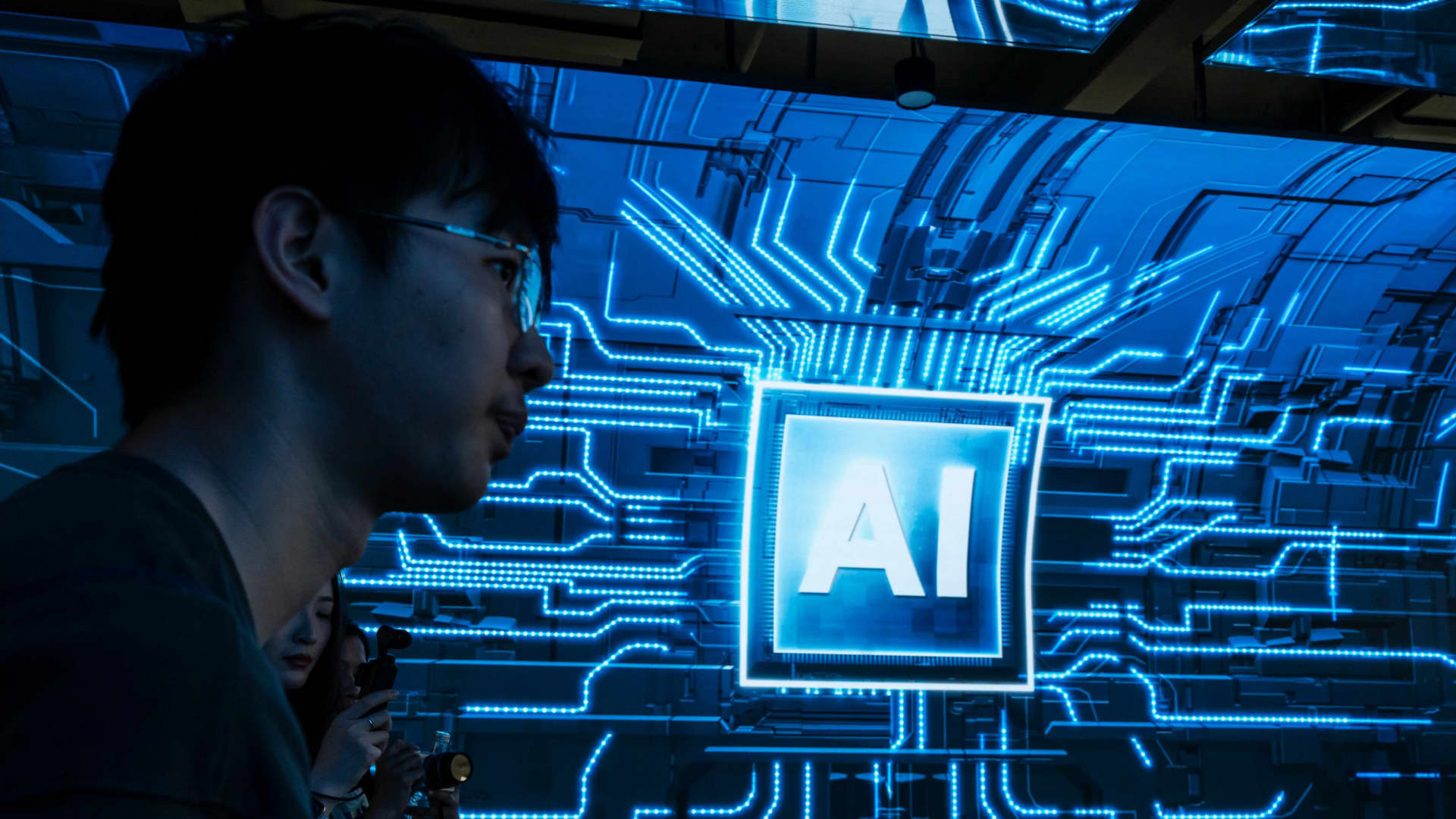
Chinese Startups Drive AI Hardware Development
- Startup Innovation: Hangzhou-based EinClaw shipped its first 100 clip-on mics priced at 430 yuan, enabling users to interact with OpenClaw AI via voice commands, marking a significant shift towards AI hardware that could reshape industry competition.
- Robotics Advancement: JoyIn's Zeroth M1 humanoid robot, which supports OpenClaw functions, is set to begin pre-orders in July, highlighting the trend of AI technology expanding into hardware applications.
- Localized AI Solutions: OpenPie is developing devices to run AI tools locally, aiming to produce 10,000 units priced at 100,000 yuan by year-end, addressing manufacturers' concerns over data sovereignty and promoting AI adoption in Chinese factories.
- Market Demand Driven: Style3D's launch of the robotics platform SynReal reflects a strategic shift into hardware to meet customer demands for physical material data, indicating that AI software companies are evolving to fulfill market needs for efficient production.
See More
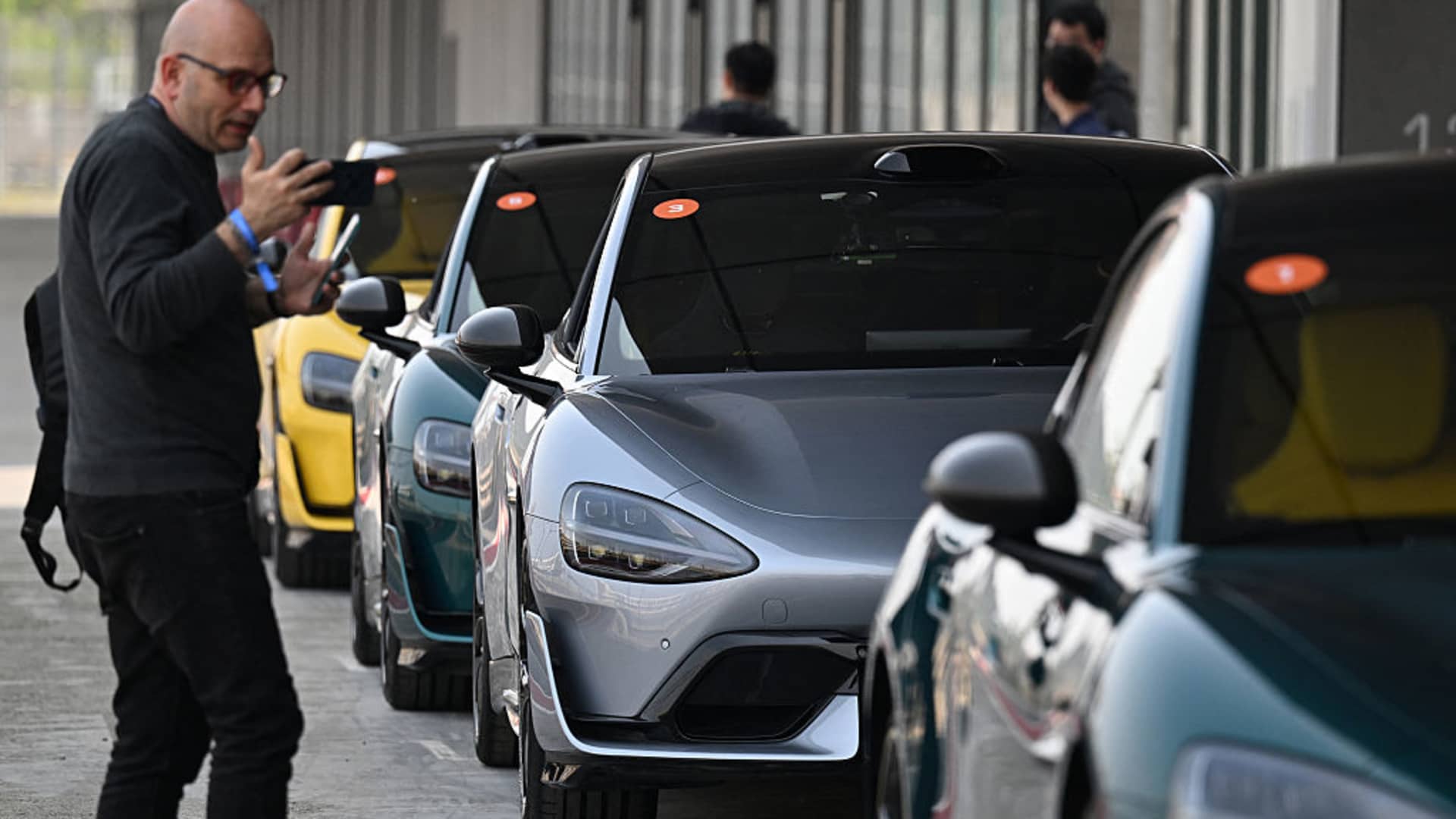
Foreign Automakers Catch Up with Local Rivals in China

- New Model Launch: General Motors unveiled its first luxury electric SUV VISTIQ with driver-assist technology ahead of the Beijing Auto Show, priced at 468,000 yuan ($68,000), enhancing its competitive edge in the Chinese market through collaboration with local startup Momenta.
- Market Strategy Shift: Hyundai officially launched its all-electric IONIQ brand in China, aiming to reimagine its strategy as its sales share in China fell from 17% to 4%, with potential plans to export the brand to the Asia-Pacific region if successful.
- Technological Collaboration: Volkswagen announced the rollout of AI-powered voice command features in its cars starting in the second half of the year, leveraging technology from Tencent, Alibaba, and Baidu to enhance user experience and strengthen brand appeal in China.
- Sales Target Setting: Beijing Hyundai plans to introduce 20 new models over the next five years with an annual sales target of 500,000 vehicles, demonstrating the commitment of foreign automakers to long-term growth in the Chinese market.
See More

Artificial Intelligence Set to Disrupt Gaming Industry


- Cost Reduction Potential: According to Morgan Stanley's report, generative AI could halve the costs of developing new games, creating a $22 billion profit opportunity for companies, significantly enhancing industry profitability.
- Increased Competition Risk: While lower costs may boost margins for existing developers, the widespread adoption of this technology will lower barriers to entry, intensifying market competition and potentially putting pressure on smaller developers.
- Potential Winners Analysis: Morgan Stanley identifies Sony, NetEase, Roblox, and AppLovin as potential winners in the AI era, with Sony's diversified portfolio and strong intellectual property base positioning it to effectively navigate industry disruptions and capitalize on AI advancements.
- Rising Importance of Advertising: As competition intensifies, the significance of advertising in the gaming industry will increase, with Morgan Stanley analysts noting that platforms capable of efficiently matching demand with users will become more valuable, particularly for companies like AppLovin.
See More
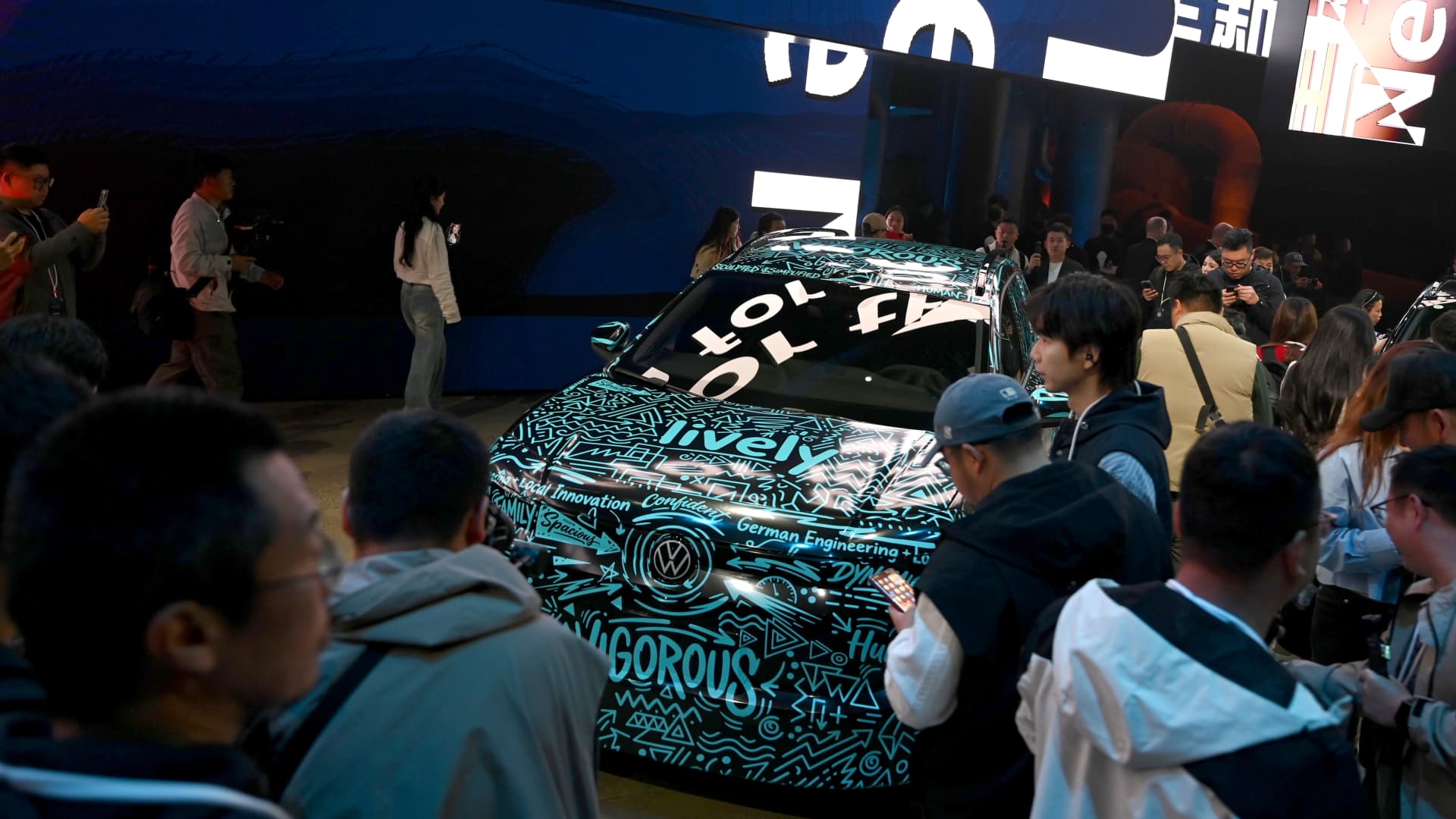
Volkswagen Introduces AI Voice Assistant in China

- AI Voice Assistant Integration: Volkswagen announced that it will introduce an AI voice assistant in the second half of 2026, allowing drivers to control vehicle features via voice commands, aimed at enhancing user experience and strengthening market competitiveness.
- Localized Tech Collaboration: The AI assistant will leverage technologies from Tencent, Alibaba, and Baidu, utilizing a locally trained large language model to ensure data processing occurs within the vehicle, thereby improving response speed and safety.
- Electric Vehicle Strategic Shift: Volkswagen showcased the ID.UNYX 09 in Beijing, co-developed with Xpeng, marking a strategic shift towards electric vehicles to recover lost market share in China.
- R&D Localization Benefits: According to a report by the German Chamber of Commerce, nearly 80% of automotive companies reported that localizing R&D in China has reduced costs, with 43% stating that their innovation speed has increased by over 40%, highlighting the strategic significance of R&D in China.
See More
China's AI Competition Intensifies as SenseTime Adapts
- Technological Transformation: SenseTime's launch of SenseNova U1 integrates language and vision processing, improving speed and efficiency while reducing costs to one-tenth of similar OpenAI products, showcasing its competitiveness in the generative AI space.
- Market Competition: In response to ByteDance's Seedance model, SenseTime has enhanced its market position by integrating its capabilities into the short-video tool Seko, demonstrating the company's agility in a rapidly changing market.
- Financial Performance: SenseTime narrowed its net loss by 58.6% last year and achieved positive EBITDA for the first time since its IPO, indicating success in managing AI costs and improving service quality, which is likely to attract investor interest in its future growth.
- International Expansion: Facing U.S. investment restrictions, SenseTime is focusing its international expansion on markets such as Southeast Asia and the Middle East, emphasizing cost efficiency and practicality to navigate competitive pressures in the global market.
See More
Hang Seng Tech Index Set for AI Company Inclusions
- Anticipated Inflows: Morgan Stanley forecasts that over $1 billion will flow into the Hang Seng Tech Index due to the upcoming inclusion of Knowledge Atlas Technology and MiniMax, with passive inflows expected to reach between $1.25 billion and $1.75 billion, significantly enhancing the index's performance.
- Poor Market Performance: Despite the excitement surrounding Chinese AI, the Hang Seng Tech Index has fallen over 11% this year, with only seven constituents rising, indicating market caution particularly as major stocks like Tencent and Alibaba have experienced double-digit declines.
- Rise of AI Model Companies: Knowledge Atlas and MiniMax have seen their stock prices soar since going public in January, with Morgan Stanley raising their price targets to 990 HKD and 1,100 HKD respectively, reflecting strong market confidence and positioning them as key drivers in Hong Kong's equity market.
- Increased Regulatory Support: Morgan Stanley highlights that technology accounts for 40% of Hong Kong IPO fundraising year-to-date and 43% of the pipeline, indicating robust regulatory support for the AI sector, suggesting that AI will be a durable force in Hong Kong's equity market.
See More
Chinese Startups Drive AI Hardware Development
- Startup Innovation: Hangzhou-based EinClaw shipped its first 100 clip-on mics priced at 430 yuan, enabling users to interact with OpenClaw AI via voice commands, marking a significant shift towards AI hardware that could reshape industry competition.
- Robotics Advancement: JoyIn's Zeroth M1 humanoid robot, which supports OpenClaw functions, is set to begin pre-orders in July, highlighting the trend of AI technology expanding into hardware applications.
- Localized AI Solutions: OpenPie is developing devices to run AI tools locally, aiming to produce 10,000 units priced at 100,000 yuan by year-end, addressing manufacturers' concerns over data sovereignty and promoting AI adoption in Chinese factories.
- Market Demand Driven: Style3D's launch of the robotics platform SynReal reflects a strategic shift into hardware to meet customer demands for physical material data, indicating that AI software companies are evolving to fulfill market needs for efficient production.
See More
Foreign Automakers Catch Up with Local Rivals in China
- New Model Launch: General Motors unveiled its first luxury electric SUV VISTIQ with driver-assist technology ahead of the Beijing Auto Show, priced at 468,000 yuan ($68,000), enhancing its competitive edge in the Chinese market through collaboration with local startup Momenta.
- Market Strategy Shift: Hyundai officially launched its all-electric IONIQ brand in China, aiming to reimagine its strategy as its sales share in China fell from 17% to 4%, with potential plans to export the brand to the Asia-Pacific region if successful.
- Technological Collaboration: Volkswagen announced the rollout of AI-powered voice command features in its cars starting in the second half of the year, leveraging technology from Tencent, Alibaba, and Baidu to enhance user experience and strengthen brand appeal in China.
- Sales Target Setting: Beijing Hyundai plans to introduce 20 new models over the next five years with an annual sales target of 500,000 vehicles, demonstrating the commitment of foreign automakers to long-term growth in the Chinese market.
See More
Artificial Intelligence Set to Disrupt Gaming Industry
- Cost Reduction Potential: According to Morgan Stanley's report, generative AI could halve the costs of developing new games, creating a $22 billion profit opportunity for companies, significantly enhancing industry profitability.
- Increased Competition Risk: While lower costs may boost margins for existing developers, the widespread adoption of this technology will lower barriers to entry, intensifying market competition and potentially putting pressure on smaller developers.
- Potential Winners Analysis: Morgan Stanley identifies Sony, NetEase, Roblox, and AppLovin as potential winners in the AI era, with Sony's diversified portfolio and strong intellectual property base positioning it to effectively navigate industry disruptions and capitalize on AI advancements.
- Rising Importance of Advertising: As competition intensifies, the significance of advertising in the gaming industry will increase, with Morgan Stanley analysts noting that platforms capable of efficiently matching demand with users will become more valuable, particularly for companies like AppLovin.
See More
Volkswagen Introduces AI Voice Assistant in China
- AI Voice Assistant Integration: Volkswagen announced that it will introduce an AI voice assistant in the second half of 2026, allowing drivers to control vehicle features via voice commands, aimed at enhancing user experience and strengthening market competitiveness.
- Localized Tech Collaboration: The AI assistant will leverage technologies from Tencent, Alibaba, and Baidu, utilizing a locally trained large language model to ensure data processing occurs within the vehicle, thereby improving response speed and safety.
- Electric Vehicle Strategic Shift: Volkswagen showcased the ID.UNYX 09 in Beijing, co-developed with Xpeng, marking a strategic shift towards electric vehicles to recover lost market share in China.
- R&D Localization Benefits: According to a report by the German Chamber of Commerce, nearly 80% of automotive companies reported that localizing R&D in China has reduced costs, with 43% stating that their innovation speed has increased by over 40%, highlighting the strategic significance of R&D in China.
See More