Tencent Music Reports Strong Q1 2026 Financial Results
Tencent Music Entertainment Group's stock rose by 6.26% as it crossed above the 5-day SMA, reflecting positive investor sentiment following the release of its Q1 2026 financial results.
The company reported total revenues of RMB 7.90 billion, a 7.3% year-over-year increase, driven by strong performance in music-related services. Additionally, net profit reached RMB 2.14 billion, showcasing substantial growth from previous investments in membership services and content creation. This solid financial performance highlights Tencent Music's competitive edge in the market and its effective strategies for user engagement and retention.
The implications of these results suggest that Tencent Music is well-positioned for sustainable growth, despite facing competitive pressures in the industry. The company's focus on enhancing user experience through tiered subscription models and strong cash flow positions it favorably for future investments.
Trade with 70% Backtested Accuracy
Analyst Views on TME

About TME
About the author


DeepSeek Unveils New AI Model with Unique Funding Condition


- Unique Funding Condition: DeepSeek's first fundraising round includes a stipulation that investors must promise not to poach its employees, highlighting the intense competition among Chinese tech giants for AI talent, particularly skilled engineers.
- Valuation Surge: The startup's initial external funding round valued it at over $50 billion, making it the most valuable AI-only startup in China, indicating strong market confidence in its technological potential.
- Talent Loss Issues: Following the departure of several key researchers to competitors, DeepSeek has intensified its focus on talent retention, particularly regarding core contributors to its V3 model, to maintain its competitive edge.
- Intensifying Industry Competition: With companies like Tencent and ByteDance actively recruiting AI talent, DeepSeek's funding and talent protection strategies will significantly impact its competitive position in the rapidly evolving AI market.
Anthropic's Suspension of AI Models Sparks Market Concerns

- Model Access Disruption: Anthropic's abrupt suspension of access to its Fable 5 and Mythos 5 models, due to compliance with U.S. export control directives, highlights the risks companies face when relying on external AI models, emphasizing the urgent need for control over AI technologies.
- Significant Market Reaction: Following the Anthropic incident, stocks of Chinese open-source AI labs like MiniMax and Zhipu surged, indicating a growing market interest in downloadable models, as companies seek to avoid being locked into a single vendor by running models on their own infrastructure.
- Industry Shift Trend: Yash Patel, CEO of Applied Compute, noted that more companies are now looking to own their models in response to the shift towards usage-based pricing for AI products, reflecting a growing emphasis on cost-effectiveness and flexibility in AI solution selection.
- Intensifying Global Competition: As open-source models from China gain more adoption, the U.S. faces challenges to its leadership in AI, with models from DeepSeek, Tencent, and Xiaomi surpassing many closed competitors in usage frequency, indicating a changing competitive landscape in the AI market.
Chinese Consumers Shift Viewing Habits for World Cup

- Changing Viewing Habits: As the World Cup approaches, Chinese consumers are increasingly opting to watch matches on their smartphones rather than traditional TVs, reflecting an accelerated digital trend, especially as China accounted for nearly 50% of global viewing hours on digital platforms during the 2022 World Cup.
- Intensifying Platform Competition: Xiaohongshu secured free streaming rights for the World Cup in partnership with state-owned China Central Television, yet its user base of 245 million is significantly smaller than Douyin's 1 billion monthly active users, which also held streaming rights in 2022, highlighting fierce market competition.
- Social Media Influence: Due to matches coinciding with working hours, residents in Beijing prefer to watch games at home via social media platforms, indicating a shift in social habits and viewing preferences, particularly after pandemic-related restrictions made gatherings less feasible.
- Expanded Technical Support: Tencent Cloud reported that two-thirds of official World Cup broadcasting platforms in the Asia Pacific utilize its services, covering 16 regions including Singapore and Argentina, showcasing the growing influence and technical capabilities of Chinese tech companies in the international market.
Weak Performance Trends in Hong Kong IPO Market

- IPO Market Leader: According to KPMG, Hong Kong led the world in IPO funds raised in 2024, surpassing the New York Stock Exchange and Nasdaq, indicating strong market appeal.
- Post-Listing Underperformance: Of the 179 companies listed since January 2025, about half have seen their stock prices decline over the past three months, reflecting a broader trend of weak performance in Hong Kong IPOs compared to the mild drop in the Hang Seng Index.
- Capital Flow Trends: Following the inclusion of certain Hong Kong-listed stocks in the Stock Connect program, capital tends to flow to cheaper A shares, resulting in significant price volatility for these stocks, with some like Deepexi dropping over 51% post-IPO.
- Increased Market Pressure: Goldman Sachs predicts that Hong Kong will raise about $60 billion in IPOs in 2025, nearly double the amount raised in 2024, but low fees and intensifying competition are putting pressure on the financial market's short-term performance.
Tencent's Chief AI Scientist Envisions Future of AGI

- AGI Vision: Tencent's Chief AI Scientist Yao Shunyu aims to establish a long-term AGI organization, emphasizing the importance of foundational knowledge and frontier exploration, indicating China's ambition in the global AI race.
- Application Transformation: In light of U.S. chip controls, Chinese companies are accelerating the application of AI technology in sectors like factories and consumer electronics, reflecting a focus on practical technology that could drive rapid industry growth.
- Intensified Talent Competition: Uncertainty over U.S. immigration policies has led more Chinese nationals to seek work in their home country, even at lower pay, which may enhance China's talent pool and innovation capacity in the AI sector.
- Investment in Basic Research: China plans to increase investment in basic research over the next five years to pursue scientific breakthroughs, demonstrating the country's commitment to technological advancement and proactive response to global tech competition.
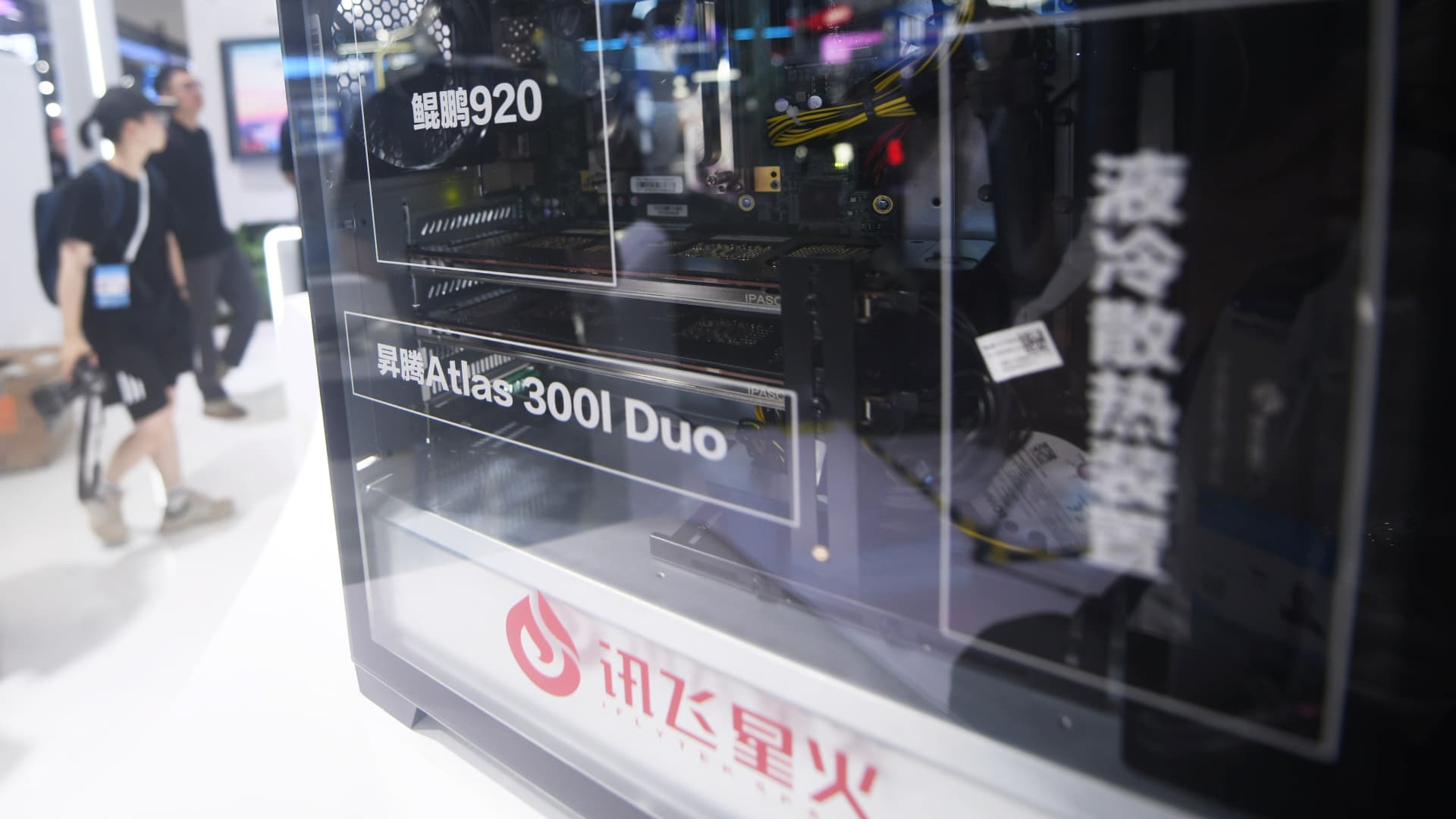
China's Tech Self-Sufficiency Accelerates


- Diversified Chip Supply: Zelostech plans to utilize multiple chip suppliers from China and abroad over the next year, moving away from reliance on Nvidia chips, which will significantly reduce costs for its self-driving systems and enhance market competitiveness.
- Vehicle Scale Expansion: Currently operating over 25,000 vehicles across more than 20 countries primarily for logistics, Zelostech aims for rapid expansion, which will greatly enhance its data collection capabilities in the autonomous driving sector and strengthen its industry influence.
- Domestic Chip Adoption: Chinese EV manufacturers like Nio and BYD are increasing investments in their own semiconductors, with Nio planning a fivefold increase in computing power spending, indicating a strong push to reduce dependence on Nvidia and promote local technology development.
- Technological Collaboration and Innovation: Huawei is adopting new scientific methods for chip development and plans to incorporate them into future products, signaling a resurgence for Chinese tech giants under U.S. restrictions, potentially accelerating the application and development of domestic chips.
DeepSeek Unveils New AI Model with Unique Funding Condition
- Unique Funding Condition: DeepSeek's first fundraising round includes a stipulation that investors must promise not to poach its employees, highlighting the intense competition among Chinese tech giants for AI talent, particularly skilled engineers.
- Valuation Surge: The startup's initial external funding round valued it at over $50 billion, making it the most valuable AI-only startup in China, indicating strong market confidence in its technological potential.
- Talent Loss Issues: Following the departure of several key researchers to competitors, DeepSeek has intensified its focus on talent retention, particularly regarding core contributors to its V3 model, to maintain its competitive edge.
- Intensifying Industry Competition: With companies like Tencent and ByteDance actively recruiting AI talent, DeepSeek's funding and talent protection strategies will significantly impact its competitive position in the rapidly evolving AI market.
Anthropic's Suspension of AI Models Sparks Market Concerns
- Model Access Disruption: Anthropic's abrupt suspension of access to its Fable 5 and Mythos 5 models, due to compliance with U.S. export control directives, highlights the risks companies face when relying on external AI models, emphasizing the urgent need for control over AI technologies.
- Significant Market Reaction: Following the Anthropic incident, stocks of Chinese open-source AI labs like MiniMax and Zhipu surged, indicating a growing market interest in downloadable models, as companies seek to avoid being locked into a single vendor by running models on their own infrastructure.
- Industry Shift Trend: Yash Patel, CEO of Applied Compute, noted that more companies are now looking to own their models in response to the shift towards usage-based pricing for AI products, reflecting a growing emphasis on cost-effectiveness and flexibility in AI solution selection.
- Intensifying Global Competition: As open-source models from China gain more adoption, the U.S. faces challenges to its leadership in AI, with models from DeepSeek, Tencent, and Xiaomi surpassing many closed competitors in usage frequency, indicating a changing competitive landscape in the AI market.
Chinese Consumers Shift Viewing Habits for World Cup
- Changing Viewing Habits: As the World Cup approaches, Chinese consumers are increasingly opting to watch matches on their smartphones rather than traditional TVs, reflecting an accelerated digital trend, especially as China accounted for nearly 50% of global viewing hours on digital platforms during the 2022 World Cup.
- Intensifying Platform Competition: Xiaohongshu secured free streaming rights for the World Cup in partnership with state-owned China Central Television, yet its user base of 245 million is significantly smaller than Douyin's 1 billion monthly active users, which also held streaming rights in 2022, highlighting fierce market competition.
- Social Media Influence: Due to matches coinciding with working hours, residents in Beijing prefer to watch games at home via social media platforms, indicating a shift in social habits and viewing preferences, particularly after pandemic-related restrictions made gatherings less feasible.
- Expanded Technical Support: Tencent Cloud reported that two-thirds of official World Cup broadcasting platforms in the Asia Pacific utilize its services, covering 16 regions including Singapore and Argentina, showcasing the growing influence and technical capabilities of Chinese tech companies in the international market.
Weak Performance Trends in Hong Kong IPO Market
- IPO Market Leader: According to KPMG, Hong Kong led the world in IPO funds raised in 2024, surpassing the New York Stock Exchange and Nasdaq, indicating strong market appeal.
- Post-Listing Underperformance: Of the 179 companies listed since January 2025, about half have seen their stock prices decline over the past three months, reflecting a broader trend of weak performance in Hong Kong IPOs compared to the mild drop in the Hang Seng Index.
- Capital Flow Trends: Following the inclusion of certain Hong Kong-listed stocks in the Stock Connect program, capital tends to flow to cheaper A shares, resulting in significant price volatility for these stocks, with some like Deepexi dropping over 51% post-IPO.
- Increased Market Pressure: Goldman Sachs predicts that Hong Kong will raise about $60 billion in IPOs in 2025, nearly double the amount raised in 2024, but low fees and intensifying competition are putting pressure on the financial market's short-term performance.
Tencent's Chief AI Scientist Envisions Future of AGI
- AGI Vision: Tencent's Chief AI Scientist Yao Shunyu aims to establish a long-term AGI organization, emphasizing the importance of foundational knowledge and frontier exploration, indicating China's ambition in the global AI race.
- Application Transformation: In light of U.S. chip controls, Chinese companies are accelerating the application of AI technology in sectors like factories and consumer electronics, reflecting a focus on practical technology that could drive rapid industry growth.
- Intensified Talent Competition: Uncertainty over U.S. immigration policies has led more Chinese nationals to seek work in their home country, even at lower pay, which may enhance China's talent pool and innovation capacity in the AI sector.
- Investment in Basic Research: China plans to increase investment in basic research over the next five years to pursue scientific breakthroughs, demonstrating the country's commitment to technological advancement and proactive response to global tech competition.
China's Tech Self-Sufficiency Accelerates
- Diversified Chip Supply: Zelostech plans to utilize multiple chip suppliers from China and abroad over the next year, moving away from reliance on Nvidia chips, which will significantly reduce costs for its self-driving systems and enhance market competitiveness.
- Vehicle Scale Expansion: Currently operating over 25,000 vehicles across more than 20 countries primarily for logistics, Zelostech aims for rapid expansion, which will greatly enhance its data collection capabilities in the autonomous driving sector and strengthen its industry influence.
- Domestic Chip Adoption: Chinese EV manufacturers like Nio and BYD are increasing investments in their own semiconductors, with Nio planning a fivefold increase in computing power spending, indicating a strong push to reduce dependence on Nvidia and promote local technology development.
- Technological Collaboration and Innovation: Huawei is adopting new scientific methods for chip development and plans to incorporate them into future products, signaling a resurgence for Chinese tech giants under U.S. restrictions, potentially accelerating the application and development of domestic chips.