Synopsys Reports Disappointing Q1 Results, Stock Declines

Synopsys Inc's stock fell 5% as it crossed below the 5-day SMA, reflecting investor disappointment following its Q1 earnings report.
The company reported an adjusted EPS of $3.77, exceeding estimates, but raised concerns with a conservative sales guidance for Q2, projecting revenues between $2.225 billion and $2.275 billion, which is below market expectations. Additionally, Piper Sandler cut its price target from $520 to $430, maintaining a Neutral rating, indicating a cautious outlook on Synopsys' growth prospects amid ongoing challenges in the Chinese market.
The decline in stock price suggests a lack of investor confidence despite strong earnings, highlighting the importance of future guidance and market conditions in shaping investor sentiment.
Trade with 70% Backtested Accuracy
Analyst Views on SNPS

About SNPS
About the author


Recent Updates on AI Stocks and Synopsys

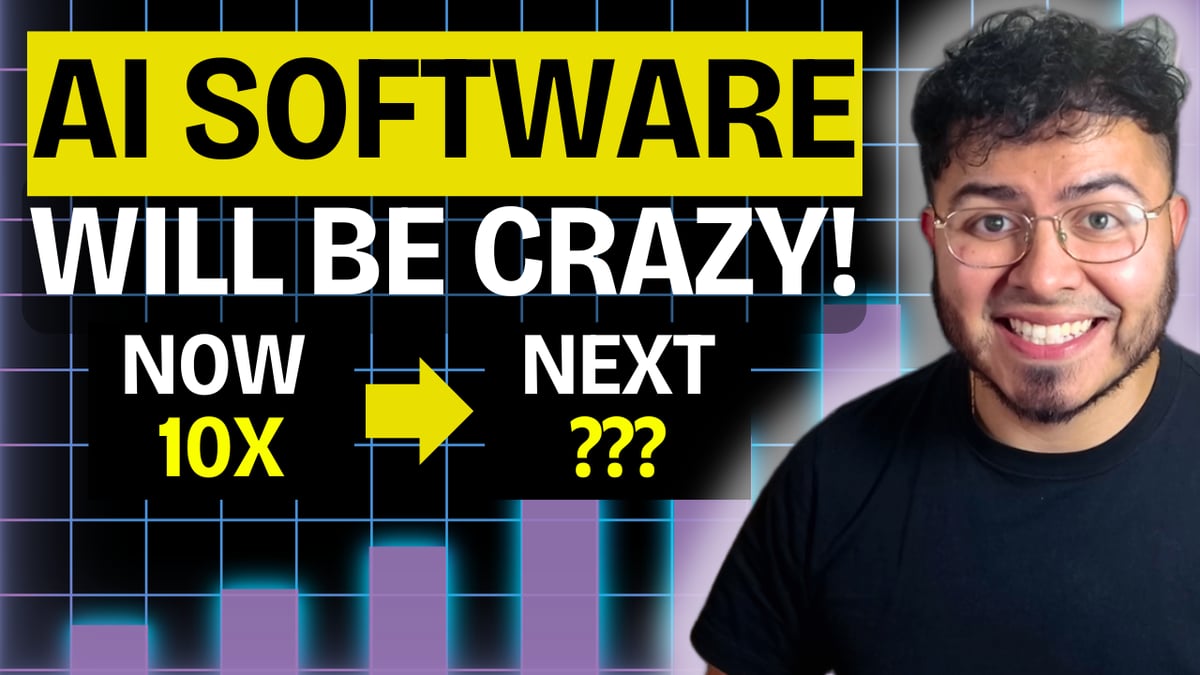
- AI Stock Outlook: The recent video discusses updates affecting Synopsys and other AI stocks, highlighting the potential of AI in the future economy, although specific data was not provided, it has sparked investor interest.
- Unique Company Report: The team released a report on a company dubbed an 'Indispensable Monopoly' that provides critical technology needed by Nvidia and Intel, which could impact the market positions of these giants.
- Investment Recommendations: The Motley Fool analyst team identified 10 best stocks for investors, notably excluding Microsoft, indicating a shift in market focus towards other potential stocks that may influence investor decisions.
- Historical Return Comparison: It mentions that Netflix and Nvidia were previously on the recommendation list, where a $1,000 investment at the time would now be worth $573,160 and $1,204,712 respectively, showcasing the strong performance of Motley Fool Stock Advisor.
Recent Updates on Synopsys and AI Stocks
- Market Movement: On April 12, 2026, Synopsys saw a post-market price increase of 4.67%, indicating heightened investor confidence and ongoing interest in its role within the AI sector.
- Video Update: Today's video discusses recent updates affecting Synopsys and other AI stocks, providing in-depth analysis of market trends to help investors navigate the current investment landscape.
- Investor Engagement: The video encourages viewers to subscribe and click on a special offer link, reflecting the content creator's intent to enhance viewer engagement and loyalty, which could drive long-term channel growth.
- Information Dissemination: By utilizing video format to convey market information, the combination of visual and auditory elements aims to attract viewers, highlighting the modern investor's preference for multimedia content, which may influence future content creation strategies.

Recent Updates on Nvidia and AI Stocks


- Video Update: Today's video discusses recent updates affecting Nvidia and other AI stocks, providing in-depth analysis of market trends to help investors seize potential opportunities.
- Market Performance: As of April 14, 2026, Nvidia's stock price rose by 1.31% in after-hours trading, reflecting market optimism about its future growth, which may attract more investor attention.
- Investor Recommendations: The video encourages viewers to subscribe for more market updates and click on a special offer link, aiming to enhance viewer engagement and access to investment information.
- Industry Impact: With the rapid development in the AI sector, Nvidia, as an industry leader, may significantly influence the entire tech stock market with its price fluctuations, prompting investors to closely monitor related developments.

Recent Updates on Nvidia and AI Stocks
- AI Stock Market Dynamics: The video discusses recent updates affecting Nvidia and other AI stocks, emphasizing the critical role of AI technology in the future economy, although Nvidia is not included in the list of top investment stocks, indicating a cautious market outlook on its future performance.
- Investment Recommendations: The analyst team has identified 10 stocks considered the best investments currently, excluding Nvidia, which may affect investor confidence in its growth potential and reflects a diversified market perspective on the AI sector.
- Historical Return Comparisons: The video highlights past recommendations of Netflix and Nvidia, yielding returns of 573,160% and 1,204,712% respectively, showcasing the potential for successful investments while suggesting that changing market conditions may impact future returns.
- Investor Community: The Motley Fool's investment community provides a platform for individual investors, and while Nvidia is not recommended, the overall return rate of 1,002% significantly outperforms the S&P 500's 195%, indicating the community's capability in identifying high-return investments.

Analysis of SaaS Companies' Prospects Amid AI Disruption


- Market Panic Intensifies: SaaS companies are experiencing severe market panic, as evidenced by the iShares Expanded Tech-Software Sector ETF (IGV) dropping over 30% in the past six months, compared to a mere 9% decline in the NASDAQ, indicating a significant loss of investor confidence in SaaS stocks.
- Chegg's Collapse: The online homework help platform Chegg has seen its stock plummet over 99% since its peak in 2021, as its core product has been replaced by free AI tools like ChatGPT, leading to a 40% year-over-year revenue decline, highlighting the tangible threat AI poses to certain SaaS companies.
- HubSpot and Constellation's Dilemma: Despite HubSpot and Constellation Software achieving all-time highs in revenue and free cash flow, their valuations have plummeted, with HubSpot trading at a mere 4 times sales and Constellation at 3 times, reflecting a pessimistic outlook from the market regarding their futures.
- AI as a Double-Edged Sword: While AI poses a threat to SaaS companies, some experts believe it could also serve as an advantage, particularly for firms like ServiceNow and Cadence, which may leverage AI effectively to gain a competitive edge in the evolving market landscape.

Synopsys Collaborates with NASA to Validate Spacesuit Performance
- Spacesuit Compatibility Verification: NASA has selected Synopsys and EMA to verify the compatibility of spacesuits with the lunar environment, aiming to reduce risks to extravehicular activity systems and ensure the success of future Artemis missions.
- Application of Electromagnetic Simulation: Synopsys employs Ansys Charge Plus™ software for physics-based analysis of electromagnetic charging and discharging, evaluating spacesuit materials under lunar plasma conditions to ensure the safety of critical electronics.
- Integration of Digital Twin Technology: Cesium collaborates with Synopsys to integrate realistic lunar topography data into the digital mission engineering environment, using Ansys RF Channel Modeler™ to analyze radio signal propagation performance, ensuring network reliability on the Moon.
- Innovation in Engineering Technologies: Former NASA Administrator Jim Bridenstine emphasizes that the application of digital engineering technologies allows for modeling and testing before hardware is built, thereby reducing risks and accelerating innovation to support a sustained human presence on the Moon.
Recent Updates on AI Stocks and Synopsys
- AI Stock Outlook: The recent video discusses updates affecting Synopsys and other AI stocks, highlighting the potential of AI in the future economy, although specific data was not provided, it has sparked investor interest.
- Unique Company Report: The team released a report on a company dubbed an 'Indispensable Monopoly' that provides critical technology needed by Nvidia and Intel, which could impact the market positions of these giants.
- Investment Recommendations: The Motley Fool analyst team identified 10 best stocks for investors, notably excluding Microsoft, indicating a shift in market focus towards other potential stocks that may influence investor decisions.
- Historical Return Comparison: It mentions that Netflix and Nvidia were previously on the recommendation list, where a $1,000 investment at the time would now be worth $573,160 and $1,204,712 respectively, showcasing the strong performance of Motley Fool Stock Advisor.
Recent Updates on Synopsys and AI Stocks
- Market Movement: On April 12, 2026, Synopsys saw a post-market price increase of 4.67%, indicating heightened investor confidence and ongoing interest in its role within the AI sector.
- Video Update: Today's video discusses recent updates affecting Synopsys and other AI stocks, providing in-depth analysis of market trends to help investors navigate the current investment landscape.
- Investor Engagement: The video encourages viewers to subscribe and click on a special offer link, reflecting the content creator's intent to enhance viewer engagement and loyalty, which could drive long-term channel growth.
- Information Dissemination: By utilizing video format to convey market information, the combination of visual and auditory elements aims to attract viewers, highlighting the modern investor's preference for multimedia content, which may influence future content creation strategies.
Recent Updates on Nvidia and AI Stocks
- Video Update: Today's video discusses recent updates affecting Nvidia and other AI stocks, providing in-depth analysis of market trends to help investors seize potential opportunities.
- Market Performance: As of April 14, 2026, Nvidia's stock price rose by 1.31% in after-hours trading, reflecting market optimism about its future growth, which may attract more investor attention.
- Investor Recommendations: The video encourages viewers to subscribe for more market updates and click on a special offer link, aiming to enhance viewer engagement and access to investment information.
- Industry Impact: With the rapid development in the AI sector, Nvidia, as an industry leader, may significantly influence the entire tech stock market with its price fluctuations, prompting investors to closely monitor related developments.
Recent Updates on Nvidia and AI Stocks
- AI Stock Market Dynamics: The video discusses recent updates affecting Nvidia and other AI stocks, emphasizing the critical role of AI technology in the future economy, although Nvidia is not included in the list of top investment stocks, indicating a cautious market outlook on its future performance.
- Investment Recommendations: The analyst team has identified 10 stocks considered the best investments currently, excluding Nvidia, which may affect investor confidence in its growth potential and reflects a diversified market perspective on the AI sector.
- Historical Return Comparisons: The video highlights past recommendations of Netflix and Nvidia, yielding returns of 573,160% and 1,204,712% respectively, showcasing the potential for successful investments while suggesting that changing market conditions may impact future returns.
- Investor Community: The Motley Fool's investment community provides a platform for individual investors, and while Nvidia is not recommended, the overall return rate of 1,002% significantly outperforms the S&P 500's 195%, indicating the community's capability in identifying high-return investments.
Analysis of SaaS Companies' Prospects Amid AI Disruption
- Market Panic Intensifies: SaaS companies are experiencing severe market panic, as evidenced by the iShares Expanded Tech-Software Sector ETF (IGV) dropping over 30% in the past six months, compared to a mere 9% decline in the NASDAQ, indicating a significant loss of investor confidence in SaaS stocks.
- Chegg's Collapse: The online homework help platform Chegg has seen its stock plummet over 99% since its peak in 2021, as its core product has been replaced by free AI tools like ChatGPT, leading to a 40% year-over-year revenue decline, highlighting the tangible threat AI poses to certain SaaS companies.
- HubSpot and Constellation's Dilemma: Despite HubSpot and Constellation Software achieving all-time highs in revenue and free cash flow, their valuations have plummeted, with HubSpot trading at a mere 4 times sales and Constellation at 3 times, reflecting a pessimistic outlook from the market regarding their futures.
- AI as a Double-Edged Sword: While AI poses a threat to SaaS companies, some experts believe it could also serve as an advantage, particularly for firms like ServiceNow and Cadence, which may leverage AI effectively to gain a competitive edge in the evolving market landscape.
Synopsys Collaborates with NASA to Validate Spacesuit Performance
- Spacesuit Compatibility Verification: NASA has selected Synopsys and EMA to verify the compatibility of spacesuits with the lunar environment, aiming to reduce risks to extravehicular activity systems and ensure the success of future Artemis missions.
- Application of Electromagnetic Simulation: Synopsys employs Ansys Charge Plus™ software for physics-based analysis of electromagnetic charging and discharging, evaluating spacesuit materials under lunar plasma conditions to ensure the safety of critical electronics.
- Integration of Digital Twin Technology: Cesium collaborates with Synopsys to integrate realistic lunar topography data into the digital mission engineering environment, using Ansys RF Channel Modeler™ to analyze radio signal propagation performance, ensuring network reliability on the Moon.
- Innovation in Engineering Technologies: Former NASA Administrator Jim Bridenstine emphasizes that the application of digital engineering technologies allows for modeling and testing before hardware is built, thereby reducing risks and accelerating innovation to support a sustained human presence on the Moon.