

RTX Corp reaches 52-week high amid sector rotation
RTX Corp's stock price increased by 4.38%, reaching a 52-week high, despite the Nasdaq-100 and S&P 500 showing declines of 0.46% and 0.15%, respectively.
This rise is attributed to RTX's rejection of Tutanota's below-market mini-tender offer, which was significantly lower than the current market price. The company advised shareholders against accepting the offer, emphasizing the importance of protecting their interests. Additionally, RTX is set to release its Q4 and full year 2025 earnings on January 27, which is expected to provide critical insights into its financial health and future direction.
The rejection of the mini-tender offer and the upcoming earnings report are likely to bolster investor confidence in RTX, reinforcing its position as a leader in the aerospace and defense sectors.
Trade with 70% Backtested Accuracy
Analyst Views on RTX

About RTX
About the author

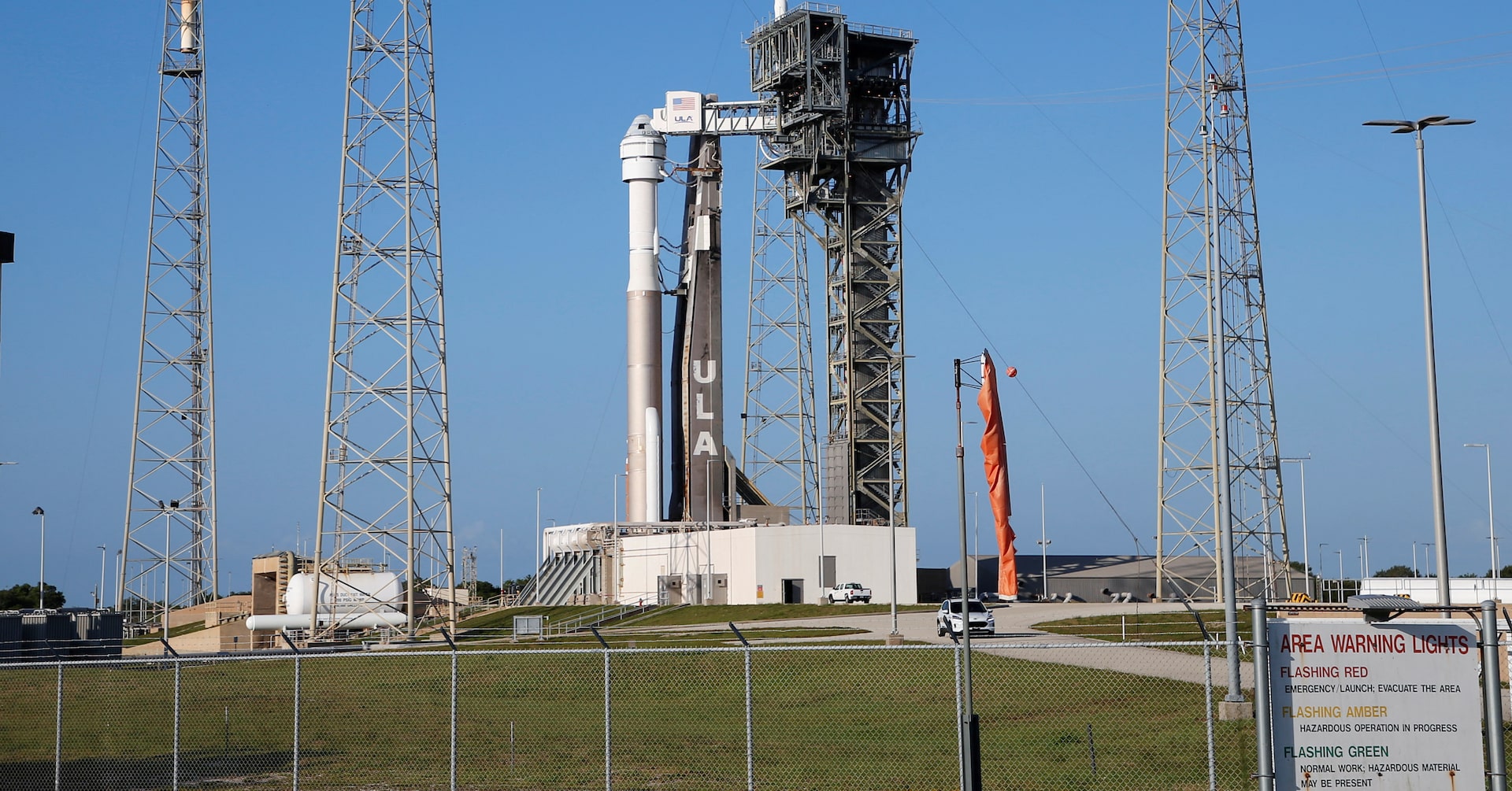
Comparing Value: Lockheed Martin vs. RTX


- Revenue Growth Comparison: Lockheed Martin reported $75.1 billion in revenue for FY 2025, reflecting a 5.7% increase, while RTX achieved $88.6 billion, marking approximately 9.8% growth, indicating RTX's robust performance in a diversified market.
- Profit and Cash Flow: Lockheed Martin generated over $5 billion in net income with free cash flow of $6.9 billion, despite a debt-to-equity ratio of 3.2x, as its long-term F-35 contracts provide stable revenue streams.
- Market Risks and Opportunities: Lockheed Martin faces risks from shifting U.S. government budget priorities and a $4.25 billion lawsuit from SDR Group, while RTX struggles with global supply chain constraints and labor shortages, impacting production efficiency.
- Investment Value Assessment: Although Lockheed Martin trades at a lower earnings multiple than RTX, its slightly lower net margin suggests that, in the current geopolitical environment, Lockheed Martin may represent a more attractive investment choice.
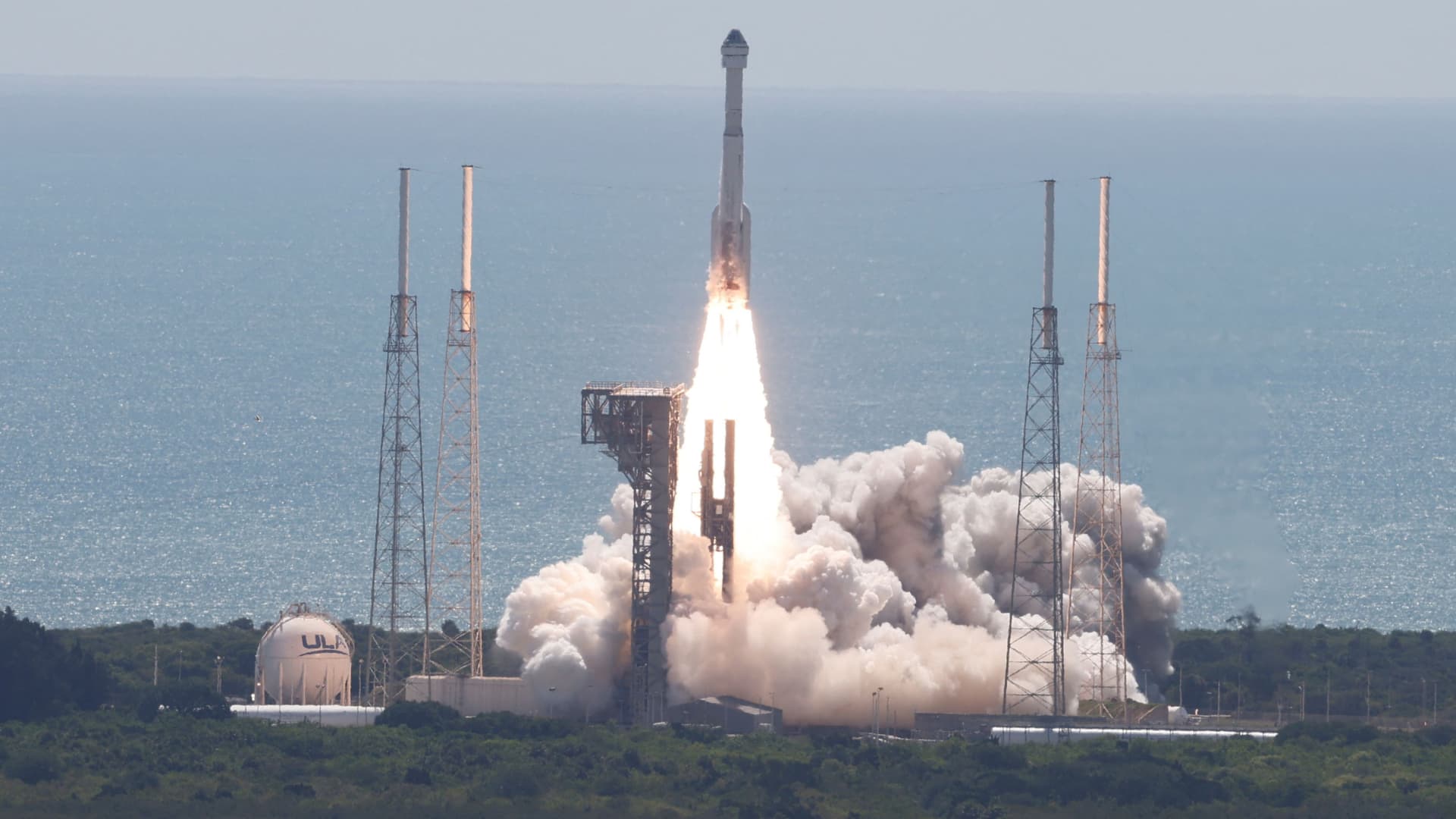
Value Comparison Between Lockheed Martin and RTX
- Financial Performance Comparison: Lockheed Martin's FY 2025 revenue reached approximately $75.1 billion, reflecting a 5.7% growth with a net income exceeding $5 billion, showcasing strong performance in defense, particularly with the F-35 program contributing 27% of total sales, ensuring long-term revenue stability.
- Market Share and Risks: RTX achieved $88.6 billion in revenue for FY 2025, a 9.8% increase, with a net income of around $6.7 billion and nearly 47% of sales from international customers, indicating broad global reach, but it faces challenges from global supply chain constraints and labor shortages.
- Debt and Cash Flow Status: Lockheed Martin's debt-to-equity ratio stands at 3.2x with free cash flow of $6.9 billion, indicating a higher reliance on borrowing; in contrast, RTX's ratio is 0.6x with free cash flow of $7.94 billion, reflecting a more stable financial position.
- Valuation Comparison: Lockheed Martin trades at a forward P/E of 17x, significantly lower than RTX's 26.7x, and while its net margin is slightly lower, it presents a more attractive price-to-earnings ratio, making it appealing for long-term investors.

Investment Value Comparison: Lockheed Martin vs. RTX
- Market Position of Lockheed Martin: In FY 2025, Lockheed Martin reported revenues of $75.1 billion, reflecting a 5.7% increase, with the F-35 program contributing nearly 27% of total sales, underscoring its strong influence and stability in the defense sector.
- Diversification Advantage of RTX: RTX achieved revenues of $88.6 billion in FY 2025, growing approximately 9.8%, with international customers accounting for nearly 47%, indicating its broad coverage in both commercial and government aviation markets, thereby reducing reliance on any single government program.
- Risks and Challenges: Lockheed Martin faces risks from shifting U.S. government budget priorities and ongoing cost overruns and technical performance issues related to the F-35 program, while RTX must navigate rising production costs due to global supply chain constraints and labor shortages.
- Valuation Comparison: Lockheed Martin's forward P/E ratio stands at 17x, significantly lower than RTX's 26.7x, and while its net margin is slightly lower, Lockheed Martin is viewed as a more attractive investment choice when considering price versus value.

MDA Space Acquires Blue Canyon Technologies for $620 Million

- Acquisition Overview: Canadian firm MDA Space Ltd. announced the acquisition of U.S. Blue Canyon Technologies for $620 million, which will add $3.5 billion to MDA's project pipeline and is expected to positively impact adjusted EBITDA and earnings per share by 2027.
- Market Expansion Potential: This acquisition is set to help MDA Space expand its U.S. operations, capitalizing on the growing demand from the U.S. government for defense space missions, thereby enhancing its competitive position and growth potential.
- Strategic Synergies: CEO Mike Greenley stated that the acquisition will accelerate MDA's growth strategy by increasing U.S. market opportunities, enhancing local manufacturing capabilities, and attracting specialized talent, creating significant synergies.
- Transaction Timeline: The deal is expected to close by the end of 2026, pending regulatory approvals, demonstrating MDA Space's strategic foresight and confidence in future market opportunities.

MDA Space Acquires Blue Canyon for $620 Million to Expand U.S. Defense Market Presence

- Acquisition Scale: MDA Space announced the acquisition of U.S.-based Blue Canyon Technologies for $620 million in cash, aiming to enhance its presence in the U.S. defense market amid increasing government spending on defense and space programs.
- Increased Market Opportunities: This acquisition is expected to add approximately $3.5 billion to MDA Space's opportunity pipeline, further strengthening its position among suppliers of satellites, spacecraft, and related technologies, with a positive impact anticipated on adjusted EBITDA and earnings per share in 2027.
- Integration of Technology and Workforce: Blue Canyon, with two facilities in Denver, Colorado, and over 400 employees, will provide critical spacecraft manufacturing capabilities, supporting MDA Space's expansion into commercial, civil, and defense sectors.
- Transaction Timeline: The deal is expected to close by the end of 2026, subject to regulatory approvals and customary closing conditions, reflecting MDA Space's long-term planning and confidence in future market developments.
Tech Stocks Surge; Lockheed Martin and RTX Show Steady Growth
- Lockheed Martin Sales Growth: Lockheed Martin's first-quarter sales reached $18 billion, a 0.3% increase year-over-year, and despite some delays, management expects annual sales growth between 3% and 7%, reaching $77.5 billion to $80 billion, indicating stability in defense spending.
- Consistent Dividend Increases: Lockheed Martin announced a 5% increase in its quarterly dividend to $3.45 per share last October, marking 23 consecutive years of increases, with a dividend yield of 2.6%, significantly higher than the S&P 500's 1.1%, boosting investor confidence.
- RTX Post-Merger Performance: Since its merger in 2020, RTX has achieved a stock return of 325.4%, outperforming the S&P 500's 227.3%, demonstrating value creation from the merger, with management projecting sales growth of 5% to 6% for 2026.
- Dividend Increase Signals Confidence: RTX recently raised its quarterly dividend by 7.4% to $0.73 per share, with a payout ratio of 51%, indicating management's confidence in future performance, while offering a 1.6% dividend yield that attracts long-term investors.
Comparing Value: Lockheed Martin vs. RTX
- Revenue Growth Comparison: Lockheed Martin reported $75.1 billion in revenue for FY 2025, reflecting a 5.7% increase, while RTX achieved $88.6 billion, marking approximately 9.8% growth, indicating RTX's robust performance in a diversified market.
- Profit and Cash Flow: Lockheed Martin generated over $5 billion in net income with free cash flow of $6.9 billion, despite a debt-to-equity ratio of 3.2x, as its long-term F-35 contracts provide stable revenue streams.
- Market Risks and Opportunities: Lockheed Martin faces risks from shifting U.S. government budget priorities and a $4.25 billion lawsuit from SDR Group, while RTX struggles with global supply chain constraints and labor shortages, impacting production efficiency.
- Investment Value Assessment: Although Lockheed Martin trades at a lower earnings multiple than RTX, its slightly lower net margin suggests that, in the current geopolitical environment, Lockheed Martin may represent a more attractive investment choice.
Value Comparison Between Lockheed Martin and RTX
- Financial Performance Comparison: Lockheed Martin's FY 2025 revenue reached approximately $75.1 billion, reflecting a 5.7% growth with a net income exceeding $5 billion, showcasing strong performance in defense, particularly with the F-35 program contributing 27% of total sales, ensuring long-term revenue stability.
- Market Share and Risks: RTX achieved $88.6 billion in revenue for FY 2025, a 9.8% increase, with a net income of around $6.7 billion and nearly 47% of sales from international customers, indicating broad global reach, but it faces challenges from global supply chain constraints and labor shortages.
- Debt and Cash Flow Status: Lockheed Martin's debt-to-equity ratio stands at 3.2x with free cash flow of $6.9 billion, indicating a higher reliance on borrowing; in contrast, RTX's ratio is 0.6x with free cash flow of $7.94 billion, reflecting a more stable financial position.
- Valuation Comparison: Lockheed Martin trades at a forward P/E of 17x, significantly lower than RTX's 26.7x, and while its net margin is slightly lower, it presents a more attractive price-to-earnings ratio, making it appealing for long-term investors.
Investment Value Comparison: Lockheed Martin vs. RTX
- Market Position of Lockheed Martin: In FY 2025, Lockheed Martin reported revenues of $75.1 billion, reflecting a 5.7% increase, with the F-35 program contributing nearly 27% of total sales, underscoring its strong influence and stability in the defense sector.
- Diversification Advantage of RTX: RTX achieved revenues of $88.6 billion in FY 2025, growing approximately 9.8%, with international customers accounting for nearly 47%, indicating its broad coverage in both commercial and government aviation markets, thereby reducing reliance on any single government program.
- Risks and Challenges: Lockheed Martin faces risks from shifting U.S. government budget priorities and ongoing cost overruns and technical performance issues related to the F-35 program, while RTX must navigate rising production costs due to global supply chain constraints and labor shortages.
- Valuation Comparison: Lockheed Martin's forward P/E ratio stands at 17x, significantly lower than RTX's 26.7x, and while its net margin is slightly lower, Lockheed Martin is viewed as a more attractive investment choice when considering price versus value.
MDA Space Acquires Blue Canyon Technologies for $620 Million
- Acquisition Overview: Canadian firm MDA Space Ltd. announced the acquisition of U.S. Blue Canyon Technologies for $620 million, which will add $3.5 billion to MDA's project pipeline and is expected to positively impact adjusted EBITDA and earnings per share by 2027.
- Market Expansion Potential: This acquisition is set to help MDA Space expand its U.S. operations, capitalizing on the growing demand from the U.S. government for defense space missions, thereby enhancing its competitive position and growth potential.
- Strategic Synergies: CEO Mike Greenley stated that the acquisition will accelerate MDA's growth strategy by increasing U.S. market opportunities, enhancing local manufacturing capabilities, and attracting specialized talent, creating significant synergies.
- Transaction Timeline: The deal is expected to close by the end of 2026, pending regulatory approvals, demonstrating MDA Space's strategic foresight and confidence in future market opportunities.
MDA Space Acquires Blue Canyon for $620 Million to Expand U.S. Defense Market Presence
- Acquisition Scale: MDA Space announced the acquisition of U.S.-based Blue Canyon Technologies for $620 million in cash, aiming to enhance its presence in the U.S. defense market amid increasing government spending on defense and space programs.
- Increased Market Opportunities: This acquisition is expected to add approximately $3.5 billion to MDA Space's opportunity pipeline, further strengthening its position among suppliers of satellites, spacecraft, and related technologies, with a positive impact anticipated on adjusted EBITDA and earnings per share in 2027.
- Integration of Technology and Workforce: Blue Canyon, with two facilities in Denver, Colorado, and over 400 employees, will provide critical spacecraft manufacturing capabilities, supporting MDA Space's expansion into commercial, civil, and defense sectors.
- Transaction Timeline: The deal is expected to close by the end of 2026, subject to regulatory approvals and customary closing conditions, reflecting MDA Space's long-term planning and confidence in future market developments.
Tech Stocks Surge; Lockheed Martin and RTX Show Steady Growth
- Lockheed Martin Sales Growth: Lockheed Martin's first-quarter sales reached $18 billion, a 0.3% increase year-over-year, and despite some delays, management expects annual sales growth between 3% and 7%, reaching $77.5 billion to $80 billion, indicating stability in defense spending.
- Consistent Dividend Increases: Lockheed Martin announced a 5% increase in its quarterly dividend to $3.45 per share last October, marking 23 consecutive years of increases, with a dividend yield of 2.6%, significantly higher than the S&P 500's 1.1%, boosting investor confidence.
- RTX Post-Merger Performance: Since its merger in 2020, RTX has achieved a stock return of 325.4%, outperforming the S&P 500's 227.3%, demonstrating value creation from the merger, with management projecting sales growth of 5% to 6% for 2026.
- Dividend Increase Signals Confidence: RTX recently raised its quarterly dividend by 7.4% to $0.73 per share, with a payout ratio of 51%, indicating management's confidence in future performance, while offering a 1.6% dividend yield that attracts long-term investors.




