PulteGroup Declares Quarterly Dividend of $0.26
Written by Emily J. Thompson, Senior Investment Analyst
Updated: Feb 04 2026
0mins

Should l Buy PHM?
Source: Newsfilter
PulteGroup Inc. shares rose by 3.26% as the stock reached a 20-day high.
The company's Board of Directors has declared a quarterly dividend of $0.26 per common share, payable on April 2, 2026, to shareholders of record as of March 17, 2026, reflecting its commitment to returning value to shareholders. This announcement comes amid a stable market environment, indicating PulteGroup's resilience and attractiveness to income-seeking investors.
The dividend declaration not only showcases PulteGroup's financial stability but also enhances investor confidence, especially as the company anticipates a community count growth of 3% to 5% in 2026, despite potential housing market challenges.
Trade with 70% Backtested Accuracy
Stop guessing "Should I Buy PHM?" and start using high-conviction signals backed by rigorous historical data.
Sign up today to access powerful investing tools and make smarter, data-driven decisions.
Analyst Views on PHM
Wall Street analysts forecast PHM stock price to rise
12 Analyst Rating
7 Buy
5 Hold
0 Sell
Moderate Buy
Current: 126.530

Low
111.00
Averages
138.73
High
159.00
Current: 126.530
Low
111.00
Averages
138.73
High
159.00
About PHM
PulteGroup, Inc. is a homebuilder in the United States. The Company's segments include Homebuilding and Financial Services. Its Homebuilding operations involve acquisition and development of land primarily for residential purposes within the United States and the construction of housing on such land. Its financial services business segment includes mortgage banking, title, and insurance agency operations, through Pulte Mortgage LLC (Pulte Mortgage) and other subsidiaries. Pulte Mortgage arranges financing through the origination of mortgage loans primarily for the benefit of its homebuyers. Its Homebuilding operations are aggregated into six segments: Northeast, Southeast, Florida, Midwest, Texas and West. The Company, through its brand portfolio that includes Centex, Pulte Homes, Del Webb, DiVosta Homes, American West and John Wieland Homes and Neighborhoods, offers a variety of home designs with varying levels of options and amenities to its customer groups.
About the author

Emily J. Thompson
Emily J. Thompson, a Chartered Financial Analyst (CFA) with 12 years in investment research, graduated with honors from the Wharton School. Specializing in industrial and technology stocks, she provides in-depth analysis for Intellectia’s earnings and market brief reports.

Wall Street Optimism Rises Amid Ceasefire Hopes


- Market Rebound: The S&P 500 and Nasdaq Composite reached all-time highs this week, with the S&P 500 surpassing 7,100 for the first time, reflecting strong investor confidence in economic recovery and suggesting further upward momentum for equities.
- Earnings Expectations: According to FactSet, the S&P 500 is projected to have a blended growth rate of 12.5% in Q1, with 78% of reporting companies exceeding expectations, providing a positive backdrop for the upcoming earnings season that could further bolster market confidence.
- Oil Price Volatility: While oil prices have fallen to around $80 per barrel, significantly below the $110 peak during the conflict, the market must remain vigilant regarding the potential impacts of U.S.-Iran tensions on global supply chains, particularly concerning the safety of transit through the Strait of Hormuz.
- Technical Fragility: Despite the market's strong short-term performance, analyst Craig Johnson warns that the rapid transition from oversold to overbought conditions masks underlying macroeconomic risks, urging investors to remain cautious and focus on high-quality investment opportunities.
See More

Market Volatility Following US-Iran Ceasefire


- Market Reaction: Following President Trump's announcement of a blockade on the Strait of Hormuz, Dow futures fell nearly 500 points, and WTI crude oil prices surged back above $100 per barrel, indicating the market's sensitivity to geopolitical risks.
- Earnings Highlights: Goldman Sachs reported better-than-expected first-quarter earnings, with stronger investment banking revenues and record equities trading, although fixed-income trading was a blemish; the stock remains high after a 16% rebound from mid-March lows, reflecting market interest in its future deal pipeline.
- Rating Downgrade: Goldman downgraded Best Buy from buy to sell, lowering the price target from $76 to $59, as analysts expressed concerns about the impact of high memory prices on computer sales and ongoing struggles in appliances, which may jeopardize the sustainability of its dividend.
- Sector Upgrade: Goldman upgraded Williams-Sonoma from hold to buy, citing a 14% drop in share price as a good entry point, with analysts optimistic about steady improvements at West Elm and plans for new store openings, indicating confidence in future growth.
See More

Evercore ISI Upgrades Homebuilder Stocks Amid Decline

- Optimistic Industry Outlook: Evercore ISI analyst Stephen Kim has raised optimism for the homebuilding sector despite a ~15% decline in builder stocks since the downgrade, indicating a potential market recovery.
- Upgrades Issued: PulteGroup (PHM), Toll Brothers (TOL), and Masco (MAS) have been upgraded to Outperform due to their relative resilience amid current industry challenges, suggesting a strategic advantage.
- Market Signal: Kim highlighted that the homebuilders hit a historic buy signal last week when median small-cap builders traded below 0.80x tangible book value, indicating that much of the negative news has been priced in.
- Interest Rate Expectations: Even as Evercore ISI raised its estimate for the 30-year fixed mortgage rate to 6.25% for FY2026, it reduced earnings estimates for homebuilders, reflecting the ongoing challenges in the market.
See More
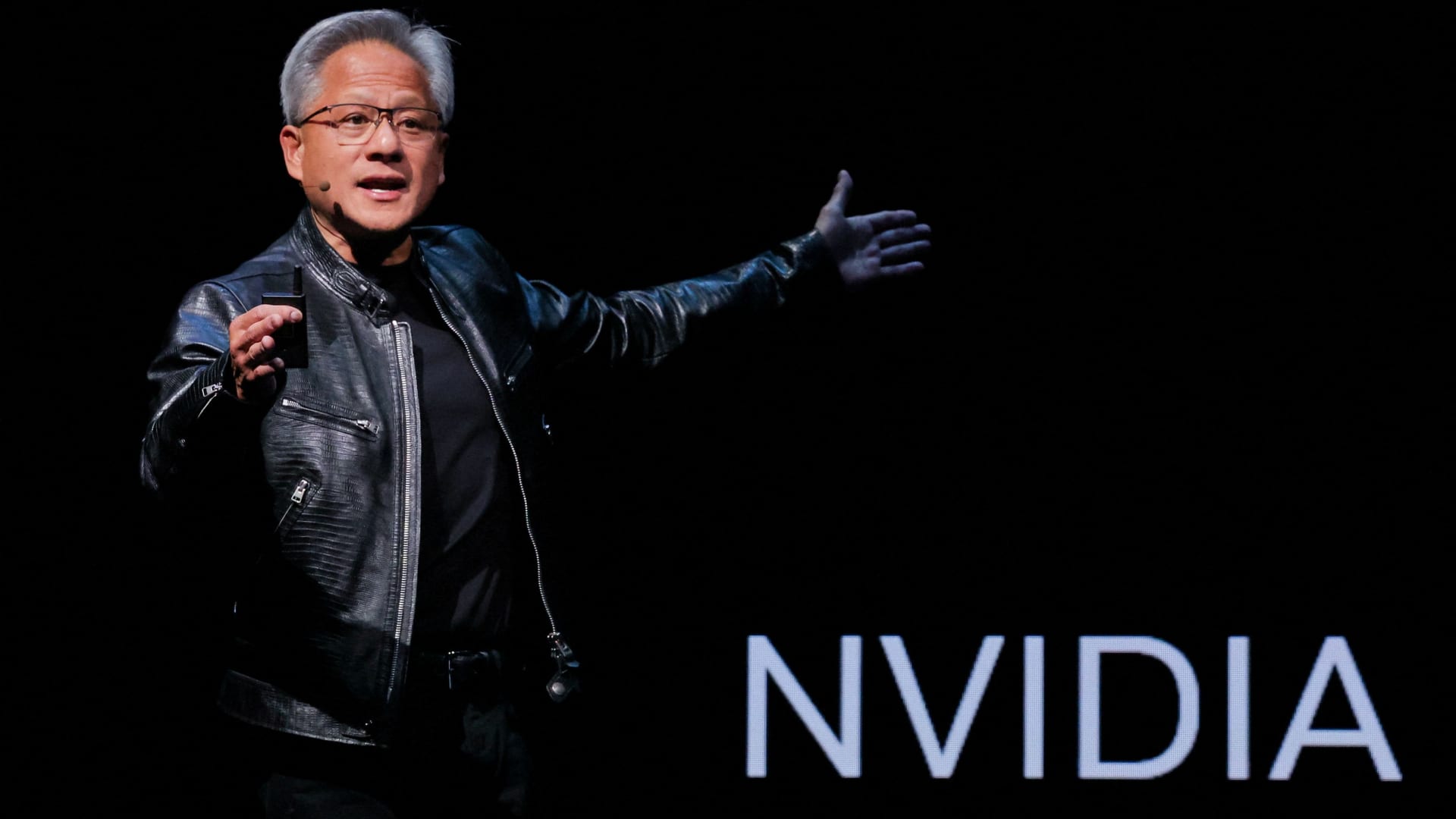
Latest Wall Street Ratings Overview
- Tesla Rating Maintained: Wells Fargo reiterates its underweight rating on Tesla ahead of earnings, indicating a cautious outlook due to limited progress on Robotaxi and Optimus, suggesting a strategic pivot towards Semi and Roadster could be necessary for future growth.
- Starbucks Rating Upgrade: Jefferies upgrades Starbucks from sell to hold, citing stabilization in the U.S. market, and while the stock trades at a high premium, the expectation of more realistic earnings estimates reflects a more optimistic view on the company's future performance.
- Nokia Transformation: Bank of America upgrades Nokia from neutral to buy, highlighting its transition into an optical powerhouse, which positions the company favorably in the telecom equipment market and suggests significant growth potential ahead.
- Chime Financial Rating Initiated: Wells Fargo initiates coverage on Chime Financial with an overweight rating, recognizing its strong growth and profitability in the digital banking sector, and anticipates a positive impact from the upcoming tax season.
See More
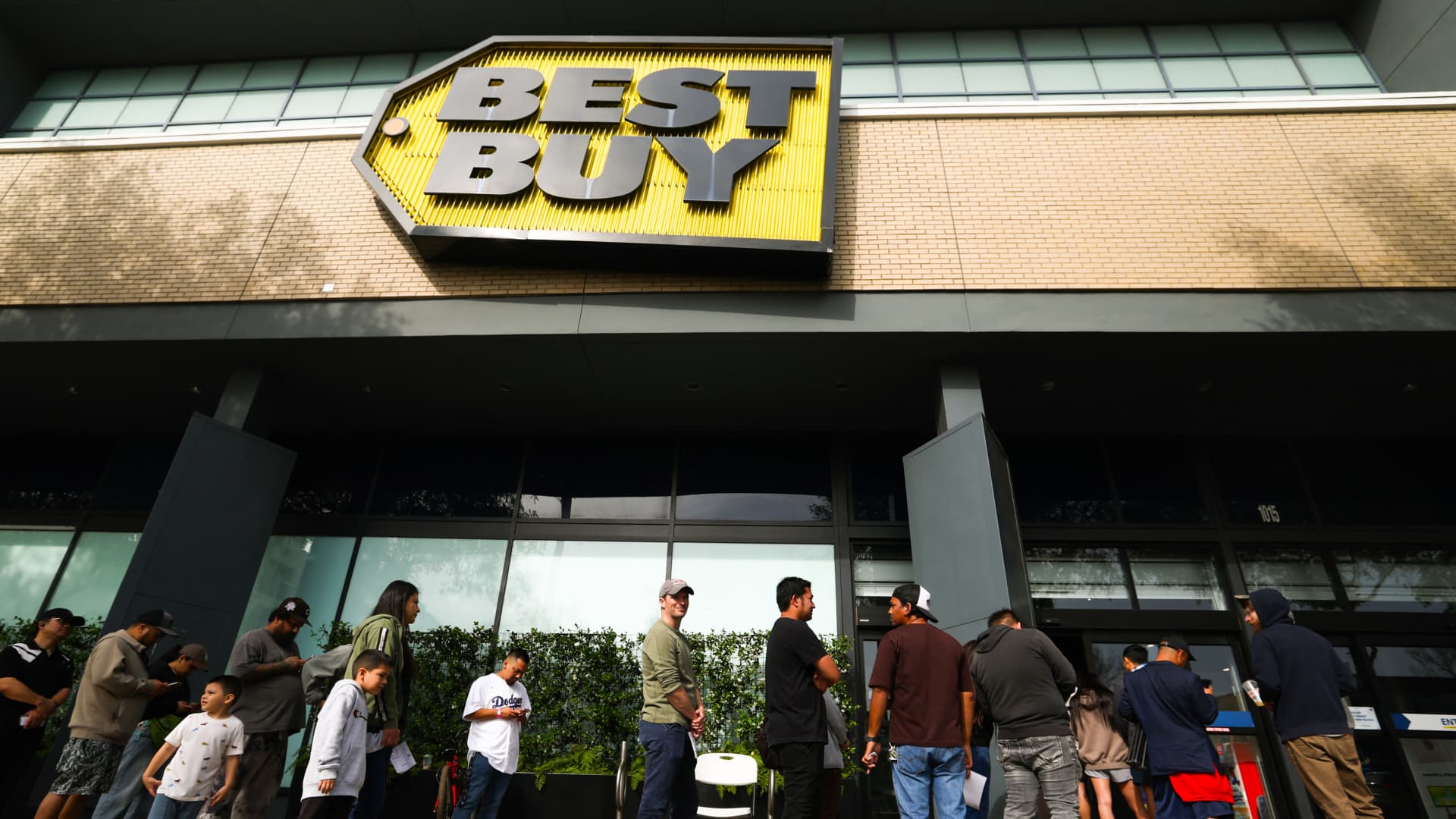
Goldman Sachs Earnings Beat Expectations Yet Shares Decline

- Goldman Sachs Earnings: Goldman Sachs reported Q1 earnings of $17.55 per share and $17.23 billion in revenue, exceeding expectations, yet shares fell over 2%, indicating market disappointment over fixed income, currencies, and commodities trading performance.
- Williams-Sonoma Upgrade: Williams-Sonoma shares rose more than 2% after Goldman Sachs upgraded the stock to buy, with analysts highlighting the company's strong brand portfolio in retail, reflecting market confidence in its growth potential.
- Best Buy Downgrade: Goldman Sachs downgraded Best Buy to sell, resulting in a 4% drop in shares, as analysts warned that while Q1 may benefit from a pull-forward in PC demand, sales risks loom due to rising memory costs impacting future pricing.
- Energy Stocks Surge: Energy stocks rallied as oil prices climbed above $103 following the U.S. Navy's blockade announcement on the Strait of Hormuz, showcasing market optimism regarding energy demand amidst geopolitical tensions.
See More

Global Stock Markets Surge on Iran Ceasefire Agreement


- Market Sentiment Rebound: Global stock markets surged on Wednesday as the US and Iran agreed to a two-week ceasefire, with the S&P 500 rising 2.51%, the Dow Jones up 2.85%, and the Nasdaq 100 increasing by 2.90%, reflecting a positive market response to easing geopolitical tensions.
- Crude Oil Price Plunge: The ceasefire news led to a more than 15% drop in crude oil prices to a 1.5-week low, alleviating inflation concerns and sparking a rally in global government bond markets, with the German 10-year Bund yield falling to a 3-week low, indicating a more optimistic outlook for the economy.
- Fed Policy Expectations: Although the market discounts only a 1% chance of a 25 bp rate hike at the upcoming April 28-29 FOMC meeting, the minutes from the March FOMC indicated heightened concerns among participants regarding upside risks to inflation and downside risks to employment, suggesting a more cautious approach to future monetary policy.
- Strong Tech Stock Performance: Chipmakers and AI infrastructure stocks saw significant gains on Wednesday, with Intel rising over 11%, driving the Nasdaq 100's increase, highlighting the tech sector's crucial role in the market recovery and further boosting investor confidence in technology stocks.
See More
Wall Street Optimism Rises Amid Ceasefire Hopes
- Market Rebound: The S&P 500 and Nasdaq Composite reached all-time highs this week, with the S&P 500 surpassing 7,100 for the first time, reflecting strong investor confidence in economic recovery and suggesting further upward momentum for equities.
- Earnings Expectations: According to FactSet, the S&P 500 is projected to have a blended growth rate of 12.5% in Q1, with 78% of reporting companies exceeding expectations, providing a positive backdrop for the upcoming earnings season that could further bolster market confidence.
- Oil Price Volatility: While oil prices have fallen to around $80 per barrel, significantly below the $110 peak during the conflict, the market must remain vigilant regarding the potential impacts of U.S.-Iran tensions on global supply chains, particularly concerning the safety of transit through the Strait of Hormuz.
- Technical Fragility: Despite the market's strong short-term performance, analyst Craig Johnson warns that the rapid transition from oversold to overbought conditions masks underlying macroeconomic risks, urging investors to remain cautious and focus on high-quality investment opportunities.
See More
Market Volatility Following US-Iran Ceasefire
- Market Reaction: Following President Trump's announcement of a blockade on the Strait of Hormuz, Dow futures fell nearly 500 points, and WTI crude oil prices surged back above $100 per barrel, indicating the market's sensitivity to geopolitical risks.
- Earnings Highlights: Goldman Sachs reported better-than-expected first-quarter earnings, with stronger investment banking revenues and record equities trading, although fixed-income trading was a blemish; the stock remains high after a 16% rebound from mid-March lows, reflecting market interest in its future deal pipeline.
- Rating Downgrade: Goldman downgraded Best Buy from buy to sell, lowering the price target from $76 to $59, as analysts expressed concerns about the impact of high memory prices on computer sales and ongoing struggles in appliances, which may jeopardize the sustainability of its dividend.
- Sector Upgrade: Goldman upgraded Williams-Sonoma from hold to buy, citing a 14% drop in share price as a good entry point, with analysts optimistic about steady improvements at West Elm and plans for new store openings, indicating confidence in future growth.
See More
Evercore ISI Upgrades Homebuilder Stocks Amid Decline
- Optimistic Industry Outlook: Evercore ISI analyst Stephen Kim has raised optimism for the homebuilding sector despite a ~15% decline in builder stocks since the downgrade, indicating a potential market recovery.
- Upgrades Issued: PulteGroup (PHM), Toll Brothers (TOL), and Masco (MAS) have been upgraded to Outperform due to their relative resilience amid current industry challenges, suggesting a strategic advantage.
- Market Signal: Kim highlighted that the homebuilders hit a historic buy signal last week when median small-cap builders traded below 0.80x tangible book value, indicating that much of the negative news has been priced in.
- Interest Rate Expectations: Even as Evercore ISI raised its estimate for the 30-year fixed mortgage rate to 6.25% for FY2026, it reduced earnings estimates for homebuilders, reflecting the ongoing challenges in the market.
See More
Latest Wall Street Ratings Overview
- Tesla Rating Maintained: Wells Fargo reiterates its underweight rating on Tesla ahead of earnings, indicating a cautious outlook due to limited progress on Robotaxi and Optimus, suggesting a strategic pivot towards Semi and Roadster could be necessary for future growth.
- Starbucks Rating Upgrade: Jefferies upgrades Starbucks from sell to hold, citing stabilization in the U.S. market, and while the stock trades at a high premium, the expectation of more realistic earnings estimates reflects a more optimistic view on the company's future performance.
- Nokia Transformation: Bank of America upgrades Nokia from neutral to buy, highlighting its transition into an optical powerhouse, which positions the company favorably in the telecom equipment market and suggests significant growth potential ahead.
- Chime Financial Rating Initiated: Wells Fargo initiates coverage on Chime Financial with an overweight rating, recognizing its strong growth and profitability in the digital banking sector, and anticipates a positive impact from the upcoming tax season.
See More
Goldman Sachs Earnings Beat Expectations Yet Shares Decline
- Goldman Sachs Earnings: Goldman Sachs reported Q1 earnings of $17.55 per share and $17.23 billion in revenue, exceeding expectations, yet shares fell over 2%, indicating market disappointment over fixed income, currencies, and commodities trading performance.
- Williams-Sonoma Upgrade: Williams-Sonoma shares rose more than 2% after Goldman Sachs upgraded the stock to buy, with analysts highlighting the company's strong brand portfolio in retail, reflecting market confidence in its growth potential.
- Best Buy Downgrade: Goldman Sachs downgraded Best Buy to sell, resulting in a 4% drop in shares, as analysts warned that while Q1 may benefit from a pull-forward in PC demand, sales risks loom due to rising memory costs impacting future pricing.
- Energy Stocks Surge: Energy stocks rallied as oil prices climbed above $103 following the U.S. Navy's blockade announcement on the Strait of Hormuz, showcasing market optimism regarding energy demand amidst geopolitical tensions.
See More
Global Stock Markets Surge on Iran Ceasefire Agreement
- Market Sentiment Rebound: Global stock markets surged on Wednesday as the US and Iran agreed to a two-week ceasefire, with the S&P 500 rising 2.51%, the Dow Jones up 2.85%, and the Nasdaq 100 increasing by 2.90%, reflecting a positive market response to easing geopolitical tensions.
- Crude Oil Price Plunge: The ceasefire news led to a more than 15% drop in crude oil prices to a 1.5-week low, alleviating inflation concerns and sparking a rally in global government bond markets, with the German 10-year Bund yield falling to a 3-week low, indicating a more optimistic outlook for the economy.
- Fed Policy Expectations: Although the market discounts only a 1% chance of a 25 bp rate hike at the upcoming April 28-29 FOMC meeting, the minutes from the March FOMC indicated heightened concerns among participants regarding upside risks to inflation and downside risks to employment, suggesting a more cautious approach to future monetary policy.
- Strong Tech Stock Performance: Chipmakers and AI infrastructure stocks saw significant gains on Wednesday, with Intel rising over 11%, driving the Nasdaq 100's increase, highlighting the tech sector's crucial role in the market recovery and further boosting investor confidence in technology stocks.
See More