ONEOK Inc. Increases Dividend Amid Market Strength

ONEOK Inc. shares fell by 4.05% today, hitting a 20-day low, despite the broader market's positive performance with the Nasdaq-100 up 0.90% and the S&P 500 up 0.64%.
The decline in ONEOK's stock price comes amid the company's recent announcement of a 4% dividend increase, which has attracted income-seeking investors. However, the stock's performance appears to be influenced by sector rotation, as investors may be reallocating funds to other sectors despite the company's strong fundamentals and dividend yield of 5.6%.
This situation highlights the complexities of market dynamics, where even positive company news can be overshadowed by broader market trends. Investors will be watching closely to see if ONEOK can regain momentum in the coming weeks.
Trade with 70% Backtested Accuracy
Analyst Views on OKE

About OKE
About the author


Analysis of NDIV ETF's Dual Income Strategy
- Dual Income Sources: The NDIV ETF targets over 10% annualized total income by combining high-dividend energy and natural resource stocks with covered call options, appealing to investors seeking commodity exposure without sacrificing yield.
- Distribution History Volatility: Monthly distributions ranged from $0.11 to $0.17 in 2024 and 2025, while February and March 2026 saw spikes to $0.27 and $0.30, reflecting income fluctuations directly tied to energy market volatility.
- Commodity Volatility Dependency: NDIV's income is contingent on market volatility; while the covered call strategy enhances income during high volatility, it also introduces uncertainty regarding dividends from holdings like Petrobras and LyondellBasell.
- Price Performance and Yield: NDIV shares have appreciated approximately 34% year-to-date and about 44% over the past year, indicating that investors have captured significant capital gains alongside income, with a current dividend yield near 5%.
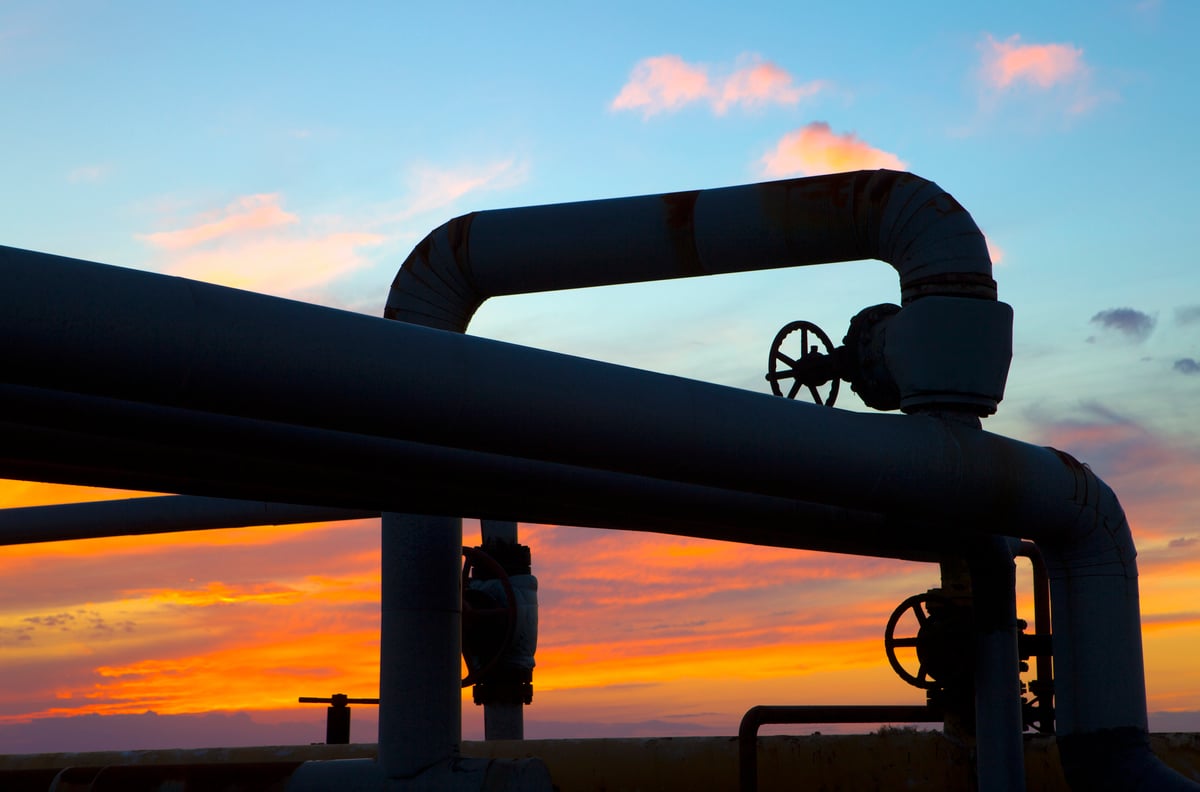
Surging Oil Prices and Pipeline Stocks Outlook
- Oil Price Surge: Due to the war with Iran, WTI crude prices have jumped 60% to over $90 a barrel, providing a near-term windfall for oil producers, but prices are expected to cool as shipping through the Strait of Hormuz normalizes.
- Pipeline Stock Advantage: Many pipeline companies operate under long-term fixed-rate contracts, ensuring stable earnings, making them ideal for long-term investment to secure steady dividend income amidst current high oil prices.
- Enbridge Performance: Enbridge transports 30% of North America's oil, with over 98% of its earnings derived from government-regulated contracts, expecting a 3% growth in cash flow per share this year while raising dividends for 31 consecutive years, showcasing strong financial resilience.
- Kinder Morgan Expansion: Kinder Morgan backs 96% of its cash flows with long-term contracts, plans to pay out 40% of its cash flow in dividends this year, and has $10 billion in expansion projects underway, expected to drive future earnings growth.

Increased Uncertainty in Energy Markets Amid War

- Strait of Hormuz Situation: The U.S. blockade of Iranian ports in the Strait of Hormuz has led to heightened uncertainty in the oil market, as any attack could cause oil prices to soar, reflecting the precarious nature of current geopolitical tensions.
- Pipeline Developments: The construction of backup pipelines by Saudi Arabia and the UAE has halved the flow of shipborne oil through the Strait, with Saudi's capacity at 7 million barrels per day and UAE's at 1.5 million, reducing reliance on this critical chokepoint.
- Focus on Energy Security: Investors are advised to concentrate on companies enhancing energy security, such as GE Vernova, whose stock has surged 51%, indicating strong market confidence in its long-term growth potential amidst ongoing uncertainties.
- Optimism for Pipeline Companies: Kinder Morgan is highlighted as a top choice for oil and gas transport, boasting nearly 80,000 miles of pipeline; despite trading near all-time highs, demand for its core energy infrastructure remains robust, suggesting a favorable outlook for the sector.

Energy Stocks Surge: Focus on Midstream Companies

- Midstream Company Advantage: With the volatility of oil and gas prices, investors should focus on midstream companies like MPLX and Oneok, which generate stable profits by charging transportation fees, thus avoiding the risks associated with upstream and downstream price fluctuations.
- MPLX Performance: MPLX operates over 10,000 miles of pipelines with a market cap of $57 billion and a current stock price of $55.68, having raised its dividend for 12 consecutive years; its projected distributable cash flow is expected to rise from $4.3 billion to $5.8 billion by 2025, indicating strong dividend capacity.
- Oneok Growth Potential: Oneok operates more than 60,000 miles of pipelines with a market cap of $54 billion and a current stock price of $85.19; its adjusted EBITDA is projected to surge from $2.72 billion to $8.02 billion by 2025, with a forecasted 10% CAGR in earnings per share over the next three years.
- Investment Appeal: In the current market environment, the high yields and stable cash flows of MPLX and Oneok make them ideal choices for conservative income investors, especially against the backdrop of skyrocketing energy demand.
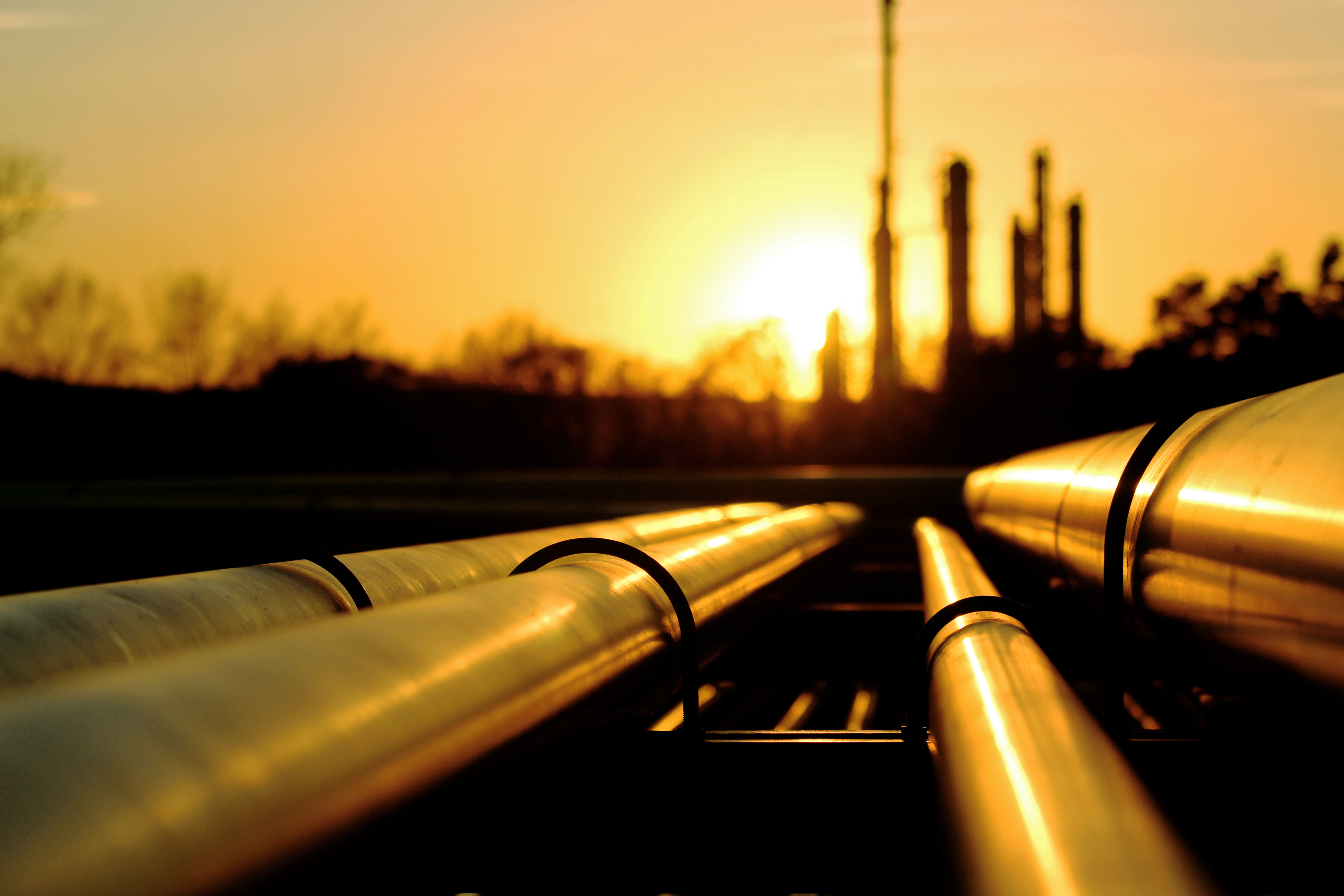
ONEOK Reverses Fuel Flow to Address Shortages
- Fuel Transport Adjustment: ONEOK is currently shipping fuel from Oklahoma to Texas via its Magellan pipeline, reversing the typical northbound flow from Texas to Oklahoma to address rising global shortages.
- Inventory Decline Response: This move comes as fuel inventories along the U.S. Gulf Coast have dwindled, aiming to meet export demand amid supply constraints exacerbated by the Middle East conflict.
- Record Jet Fuel Exports: According to the latest report from the U.S. Energy Information Administration, jet fuel exports have risen for the fifth consecutive week, reaching 442,000 barrels per day, marking the highest level on record and indicating strong market demand.
- Customer-Centric Strategy: A ONEOK spokesperson stated that the company works closely with customers to adjust transportation strategies as needed, ensuring supply to key markets and demonstrating adaptability in a dynamic market environment.
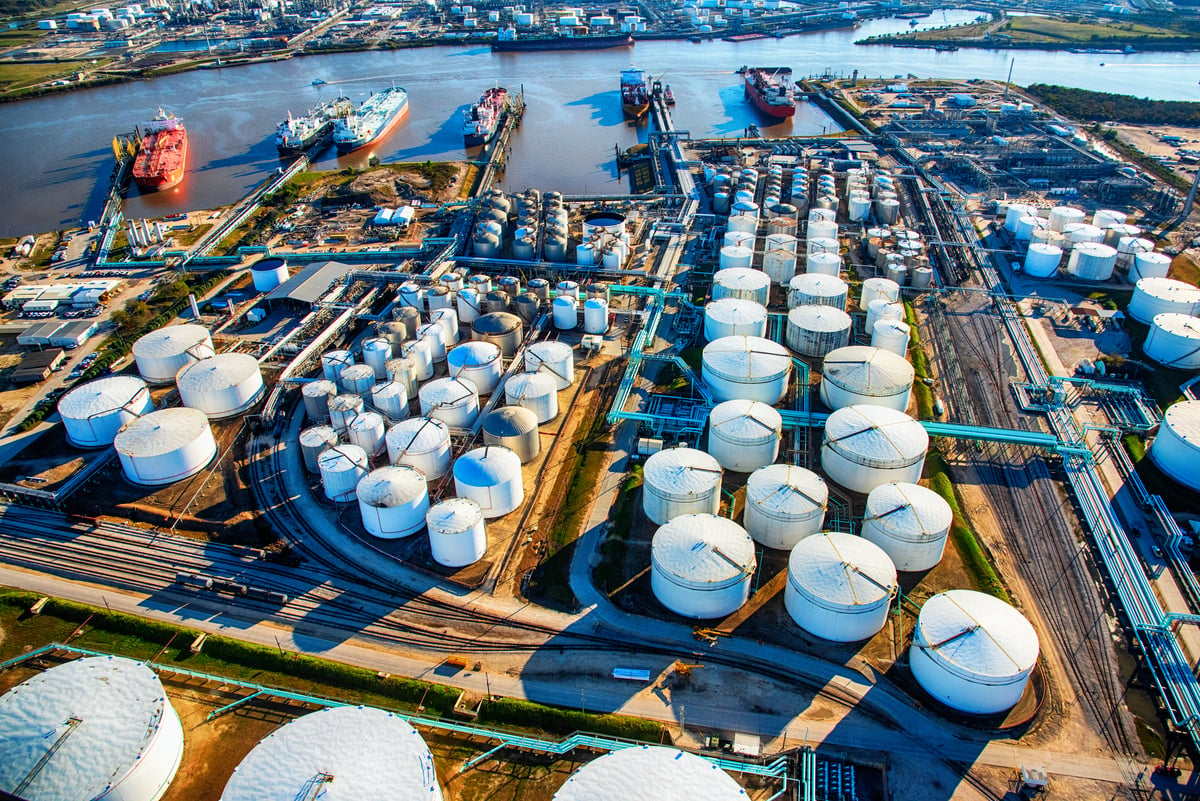
Energy Stocks Surge Amid Oil Price Volatility

- Oil Price Surge Impact: Oil prices soared over 75% in Q1 due to the war with Iran, driving a more than 35% increase in average energy stocks within the S&P 500, significantly outperforming the nearly 5% decline in the broader market, highlighting the strength of the energy sector.
- Stability of Energy Transfer: Energy Transfer (ET) has risen over 15% year-to-date, although it gained only about 3% over the past 12 months; with 90% of its earnings from stable fee-based sources, it maintains profitability amid oil price fluctuations while offering a nearly 7% distribution yield.
- Growth Potential of Oneok: Oneok (OKE) has increased over 20% this year, despite a nearly 10% decline over the past year; with 85%-90% of its earnings from fee-based sources, it ensures relatively stable cash flow and plans for a 3%-4% annual dividend increase, demonstrating long-term investment value.
- Low-Risk Investment Opportunities: The strong performance of Energy Transfer and Oneok in the energy sector positions them as compelling investment opportunities in April, as their stable cash flows and high-yielding dividend strategies enable them to thrive even if oil prices decline following a resolution to the conflict with Iran.
Analysis of NDIV ETF's Dual Income Strategy
- Dual Income Sources: The NDIV ETF targets over 10% annualized total income by combining high-dividend energy and natural resource stocks with covered call options, appealing to investors seeking commodity exposure without sacrificing yield.
- Distribution History Volatility: Monthly distributions ranged from $0.11 to $0.17 in 2024 and 2025, while February and March 2026 saw spikes to $0.27 and $0.30, reflecting income fluctuations directly tied to energy market volatility.
- Commodity Volatility Dependency: NDIV's income is contingent on market volatility; while the covered call strategy enhances income during high volatility, it also introduces uncertainty regarding dividends from holdings like Petrobras and LyondellBasell.
- Price Performance and Yield: NDIV shares have appreciated approximately 34% year-to-date and about 44% over the past year, indicating that investors have captured significant capital gains alongside income, with a current dividend yield near 5%.
Surging Oil Prices and Pipeline Stocks Outlook
- Oil Price Surge: Due to the war with Iran, WTI crude prices have jumped 60% to over $90 a barrel, providing a near-term windfall for oil producers, but prices are expected to cool as shipping through the Strait of Hormuz normalizes.
- Pipeline Stock Advantage: Many pipeline companies operate under long-term fixed-rate contracts, ensuring stable earnings, making them ideal for long-term investment to secure steady dividend income amidst current high oil prices.
- Enbridge Performance: Enbridge transports 30% of North America's oil, with over 98% of its earnings derived from government-regulated contracts, expecting a 3% growth in cash flow per share this year while raising dividends for 31 consecutive years, showcasing strong financial resilience.
- Kinder Morgan Expansion: Kinder Morgan backs 96% of its cash flows with long-term contracts, plans to pay out 40% of its cash flow in dividends this year, and has $10 billion in expansion projects underway, expected to drive future earnings growth.
Increased Uncertainty in Energy Markets Amid War
- Strait of Hormuz Situation: The U.S. blockade of Iranian ports in the Strait of Hormuz has led to heightened uncertainty in the oil market, as any attack could cause oil prices to soar, reflecting the precarious nature of current geopolitical tensions.
- Pipeline Developments: The construction of backup pipelines by Saudi Arabia and the UAE has halved the flow of shipborne oil through the Strait, with Saudi's capacity at 7 million barrels per day and UAE's at 1.5 million, reducing reliance on this critical chokepoint.
- Focus on Energy Security: Investors are advised to concentrate on companies enhancing energy security, such as GE Vernova, whose stock has surged 51%, indicating strong market confidence in its long-term growth potential amidst ongoing uncertainties.
- Optimism for Pipeline Companies: Kinder Morgan is highlighted as a top choice for oil and gas transport, boasting nearly 80,000 miles of pipeline; despite trading near all-time highs, demand for its core energy infrastructure remains robust, suggesting a favorable outlook for the sector.
Energy Stocks Surge: Focus on Midstream Companies
- Midstream Company Advantage: With the volatility of oil and gas prices, investors should focus on midstream companies like MPLX and Oneok, which generate stable profits by charging transportation fees, thus avoiding the risks associated with upstream and downstream price fluctuations.
- MPLX Performance: MPLX operates over 10,000 miles of pipelines with a market cap of $57 billion and a current stock price of $55.68, having raised its dividend for 12 consecutive years; its projected distributable cash flow is expected to rise from $4.3 billion to $5.8 billion by 2025, indicating strong dividend capacity.
- Oneok Growth Potential: Oneok operates more than 60,000 miles of pipelines with a market cap of $54 billion and a current stock price of $85.19; its adjusted EBITDA is projected to surge from $2.72 billion to $8.02 billion by 2025, with a forecasted 10% CAGR in earnings per share over the next three years.
- Investment Appeal: In the current market environment, the high yields and stable cash flows of MPLX and Oneok make them ideal choices for conservative income investors, especially against the backdrop of skyrocketing energy demand.
ONEOK Reverses Fuel Flow to Address Shortages
- Fuel Transport Adjustment: ONEOK is currently shipping fuel from Oklahoma to Texas via its Magellan pipeline, reversing the typical northbound flow from Texas to Oklahoma to address rising global shortages.
- Inventory Decline Response: This move comes as fuel inventories along the U.S. Gulf Coast have dwindled, aiming to meet export demand amid supply constraints exacerbated by the Middle East conflict.
- Record Jet Fuel Exports: According to the latest report from the U.S. Energy Information Administration, jet fuel exports have risen for the fifth consecutive week, reaching 442,000 barrels per day, marking the highest level on record and indicating strong market demand.
- Customer-Centric Strategy: A ONEOK spokesperson stated that the company works closely with customers to adjust transportation strategies as needed, ensuring supply to key markets and demonstrating adaptability in a dynamic market environment.
Energy Stocks Surge Amid Oil Price Volatility
- Oil Price Surge Impact: Oil prices soared over 75% in Q1 due to the war with Iran, driving a more than 35% increase in average energy stocks within the S&P 500, significantly outperforming the nearly 5% decline in the broader market, highlighting the strength of the energy sector.
- Stability of Energy Transfer: Energy Transfer (ET) has risen over 15% year-to-date, although it gained only about 3% over the past 12 months; with 90% of its earnings from stable fee-based sources, it maintains profitability amid oil price fluctuations while offering a nearly 7% distribution yield.
- Growth Potential of Oneok: Oneok (OKE) has increased over 20% this year, despite a nearly 10% decline over the past year; with 85%-90% of its earnings from fee-based sources, it ensures relatively stable cash flow and plans for a 3%-4% annual dividend increase, demonstrating long-term investment value.
- Low-Risk Investment Opportunities: The strong performance of Energy Transfer and Oneok in the energy sector positions them as compelling investment opportunities in April, as their stable cash flows and high-yielding dividend strategies enable them to thrive even if oil prices decline following a resolution to the conflict with Iran.