NXP Semiconductors Reports Q4 Earnings Beat Expectations

NXP Semiconductors' stock fell 8.68% as it hit a 20-day low amid broader market gains, with the Nasdaq-100 up 0.34% and the S&P 500 up 0.12%.
Despite reporting a non-GAAP EPS of $3.35, beating expectations by $0.04, and Q4 revenue of $3.34 billion, exceeding market expectations, concerns about future growth in its communication unit led to a decline in stock price. The company anticipates Q1 revenue between $3.05 billion and $3.25 billion, indicating strong demand in the automotive market, but the 18% decline in fourth-quarter revenue from its communication unit raises questions about sustainability.
The market's reaction suggests that while NXP's earnings report was strong, investor sentiment is cautious due to potential challenges in the communication sector and overall economic conditions.
Trade with 70% Backtested Accuracy
Analyst Views on NXPI

About NXPI
About the author

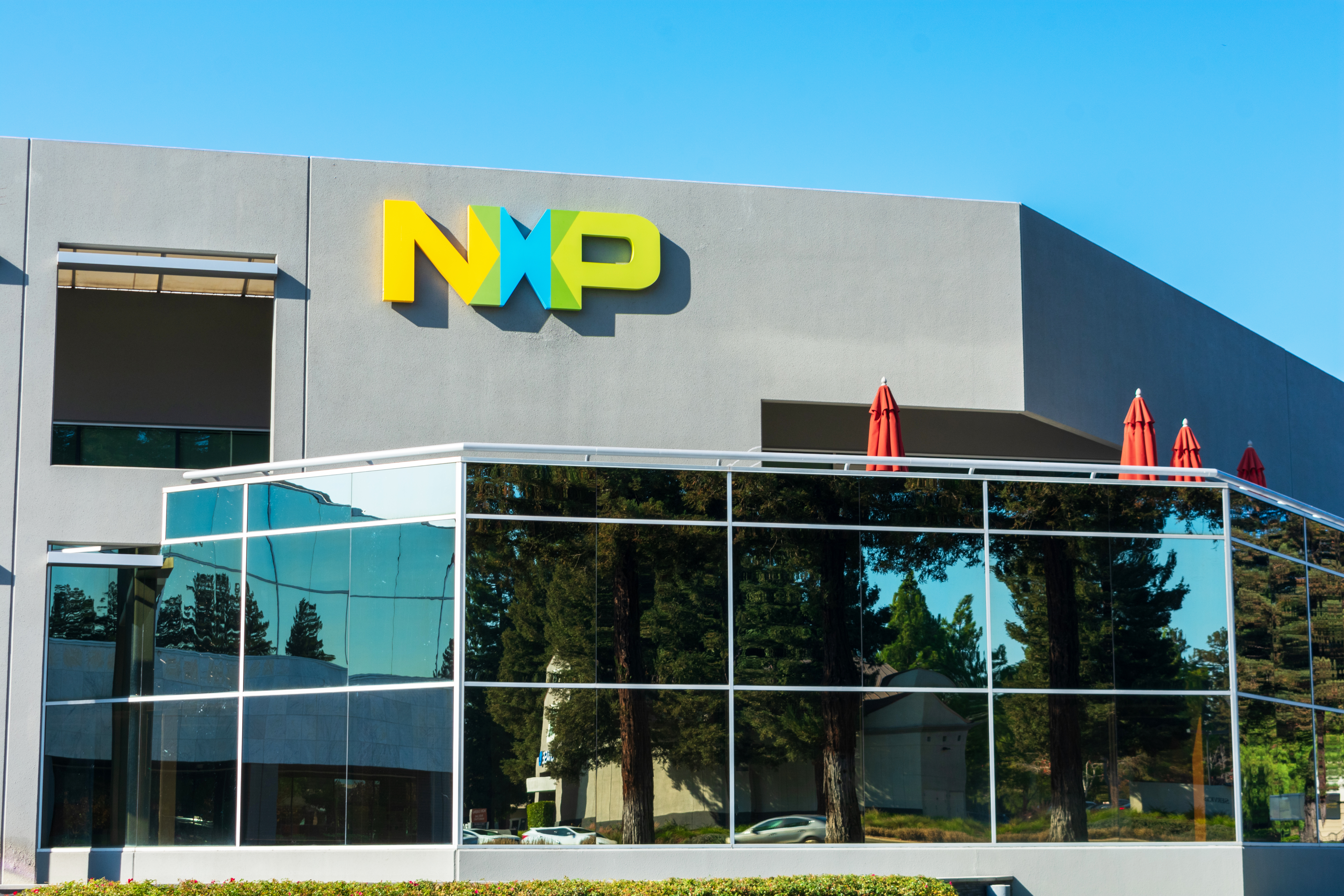
NXP Semiconductors Downgraded, Shares Slip Ahead of Earnings
- Rating Downgrade Impact: Wells Fargo downgraded NXP Semiconductors to Equalweight, causing a 0.5% decline in premarket trading, reflecting market caution regarding the company's future performance.
- Weak Auto Demand: Analysts highlighted that recent downward revisions to SAAR forecasts due to the Iran conflict raise concerns about NXP's ability to meet its 2027 revenue target, indicating that weakening auto demand could negatively impact the company's performance.
- Limited Margin Outlook: The expectation of limited near-term gross margin leverage stems from strong execution during the recent downturn, which may affect the company's profitability in the short term.
- Price Target Reduction: Analyst Joe Quatrochi lowered NXP's price target from $265 to $235, reflecting a cautious outlook on the company's growth potential moving forward.
Major Wall Street Rating Updates on Monday


- Tesla Rating Adjustment: Jefferies raised Tesla's price target from $300 to $350, anticipating Q1 results will show a widening gap between vision and execution, and concerns about funding may arise without a convincing robotaxi announcement, potentially leading to merger considerations with SpaceX.
- Apple's Positive Outlook: Morgan Stanley reiterated Apple as overweight, expecting a modest 1-2% upside in revenue and EPS in the upcoming earnings report, despite supply constraints, indicating the company's resilience in the market.
- Amazon Price Target Increase: Bank of America raised Amazon's price target from $275 to $298, believing that with strong assets and customer focus, Amazon is well-positioned to capitalize on the global growth of eCommerce and enterprise demand for AI capabilities, showcasing robust growth potential.
- Microsoft's Favorable Outlook: Deutsche Bank reiterated Microsoft as a buy, expecting Azure's performance and guidance to be focal points in the upcoming earnings report, indicating that the company's broad progress in AI initiatives will drive future growth.
Latest Ratings and Outlook from Wall Street


- Apple Maintained as Buy: Bank of America reiterated its buy rating on Apple (AAPL), labeling it as the “highest quality name,” and despite underperformance year-to-date, it is still viewed as a high-quality compounder supported by resilient services growth and a healthy product cycle.
- Semiconductor Sector Pressure: Mizuho downgraded NXP Semiconductors (NXPI) to sell, citing its significant exposure to the auto sector as a headwind, with the 2026 auto outlook softened by geopolitical and macroeconomic challenges.
- Netflix's Solid Performance: Bank of America reaffirmed its buy rating on Netflix following a solid first quarter that modestly beat forecasts, with management reiterating three core priorities that align with their ongoing strategic focus and competitive positioning in the market.
- Petrobras Rating Upgrade: Bank of America upgraded Petrobras (PBR) from neutral to buy, highlighting its robust cash flow generation and low double-digit dividend yield, which reduces the risk of a potential revision to its dividend policy in a high oil price environment.
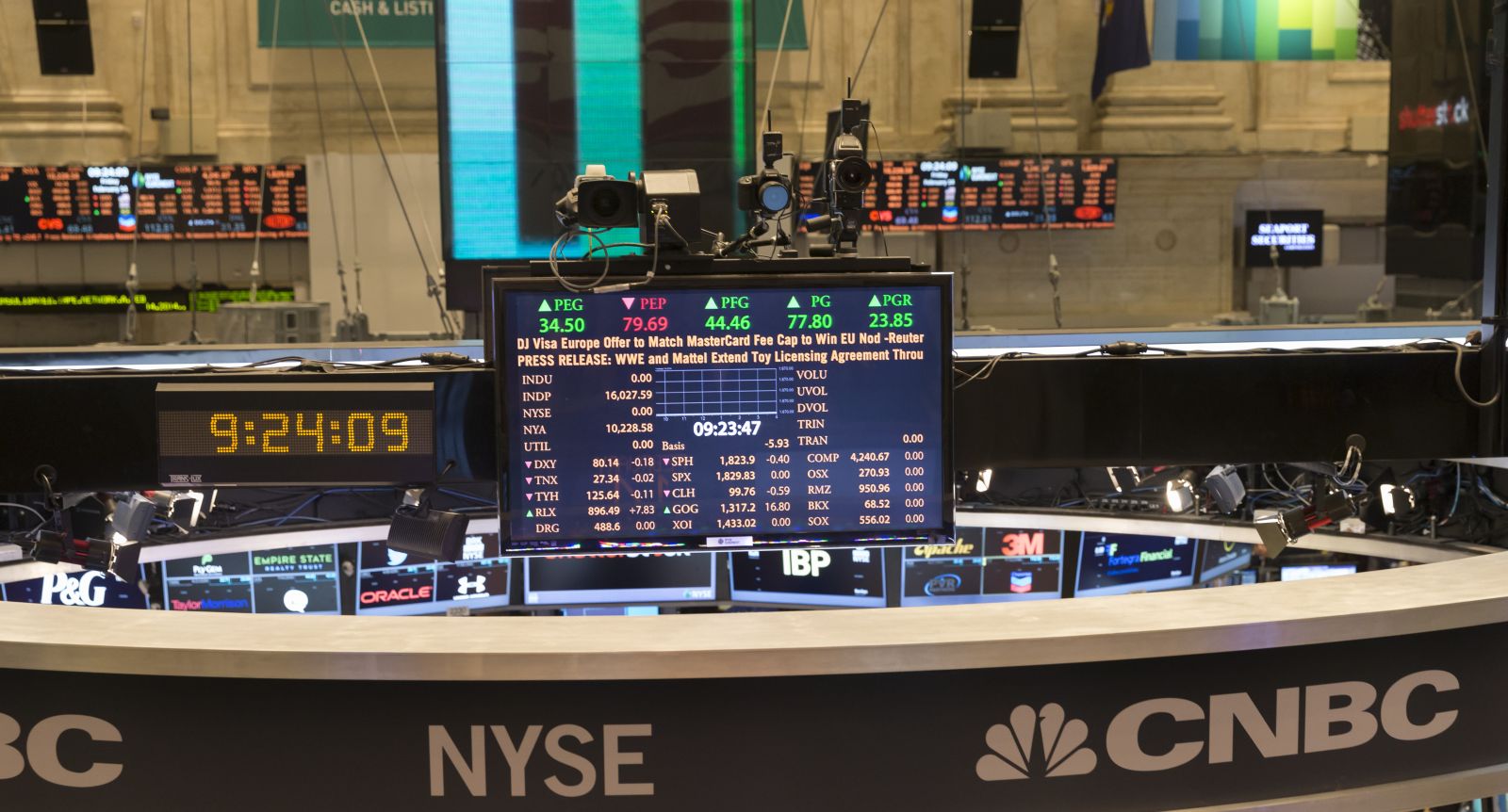
US Stocks Close Higher with Chipmakers Rallying


- Market Recovery: On Thursday, the S&P 500 rose by 0.26% and the Nasdaq 100 by 0.49%, reaching new highs, indicating a strong rebound after early losses and reflecting investor confidence in economic recovery.
- Chip Sector Boost: Taiwan Semiconductor Manufacturing Co raised its 2026 revenue forecast, highlighting strong AI demand, which propelled chipmakers' stock prices, particularly benefiting major suppliers to Nvidia and Apple, further enhancing market optimism.
- Oil Price Impact: Despite the stock market gains, crude oil prices surged over 3%, raising concerns about the Middle East situation and limiting the market's upward momentum, illustrating the potential impact of energy prices on the overall economy.
- Mixed Economic Data: Initial jobless claims fell to 207,000, exceeding expectations and indicating labor market strength, but unexpected declines in manufacturing production reflect economic uncertainty, which could influence future monetary policy.
US Stocks Rise Slightly, Chipmakers Rebound

- Chipmaker Rebound: Taiwan Semiconductor Manufacturing Co raised its 2026 revenue forecast, reflecting strong AI demand, which led to a rebound in chipmakers, with ON Semiconductor up over 10% and AMD up over 5%, indicating renewed market confidence in tech stocks.
- Mixed Economic Data: Initial jobless claims fell to 207,000, below the expected 213,000, suggesting a strong labor market; however, manufacturing production unexpectedly declined by 0.1%, highlighting the unevenness of economic recovery, which could influence future policy decisions.
- Oil Price Surge Impact: WTI crude oil prices rose over 2% due to escalating tensions between Iran and the US, potentially exacerbating global oil and fuel shortages, which negatively affects airline and cruise line profitability, leading to declines in related stocks.
- Earnings Season Begins: Q1 earnings for the S&P 500 are projected to rise by 12% year-over-year, but excluding the tech sector, growth is only expected at 3%, raising concerns about the profitability of non-tech stocks and potentially impacting investor confidence.

Multi-Sensor Platform Enhances Security Monitoring

- Technological Synergy: By integrating RF detection with AI video intelligence, VisionWave's new platform significantly reduces false alarms and enhances detection capabilities, thereby improving the security of critical infrastructures.
- Market Potential: The global AI video analytics market is currently valued at approximately $12-15 billion and is expected to grow to around $34-38 billion by 2030, with an annual growth rate exceeding 20%, indicating strong demand for smarter monitoring solutions.
- Strategic Acquisition: VisionWave's acquisition of the xClibre™ AI video intelligence platform, valued at approximately $60 million, fills a critical capability gap in its sensing architecture, enhancing existing RF detection capabilities and bolstering the company's competitiveness in the defense sector.
- Integration Plans: VisionWave intends to integrate xClibre across its full defense stack through APIs and SDKs, aiming for successful technical validation, which is expected to significantly enhance system reliability to meet modern security demands.
NXP Semiconductors Downgraded, Shares Slip Ahead of Earnings
- Rating Downgrade Impact: Wells Fargo downgraded NXP Semiconductors to Equalweight, causing a 0.5% decline in premarket trading, reflecting market caution regarding the company's future performance.
- Weak Auto Demand: Analysts highlighted that recent downward revisions to SAAR forecasts due to the Iran conflict raise concerns about NXP's ability to meet its 2027 revenue target, indicating that weakening auto demand could negatively impact the company's performance.
- Limited Margin Outlook: The expectation of limited near-term gross margin leverage stems from strong execution during the recent downturn, which may affect the company's profitability in the short term.
- Price Target Reduction: Analyst Joe Quatrochi lowered NXP's price target from $265 to $235, reflecting a cautious outlook on the company's growth potential moving forward.
Major Wall Street Rating Updates on Monday
- Tesla Rating Adjustment: Jefferies raised Tesla's price target from $300 to $350, anticipating Q1 results will show a widening gap between vision and execution, and concerns about funding may arise without a convincing robotaxi announcement, potentially leading to merger considerations with SpaceX.
- Apple's Positive Outlook: Morgan Stanley reiterated Apple as overweight, expecting a modest 1-2% upside in revenue and EPS in the upcoming earnings report, despite supply constraints, indicating the company's resilience in the market.
- Amazon Price Target Increase: Bank of America raised Amazon's price target from $275 to $298, believing that with strong assets and customer focus, Amazon is well-positioned to capitalize on the global growth of eCommerce and enterprise demand for AI capabilities, showcasing robust growth potential.
- Microsoft's Favorable Outlook: Deutsche Bank reiterated Microsoft as a buy, expecting Azure's performance and guidance to be focal points in the upcoming earnings report, indicating that the company's broad progress in AI initiatives will drive future growth.
Latest Ratings and Outlook from Wall Street
- Apple Maintained as Buy: Bank of America reiterated its buy rating on Apple (AAPL), labeling it as the “highest quality name,” and despite underperformance year-to-date, it is still viewed as a high-quality compounder supported by resilient services growth and a healthy product cycle.
- Semiconductor Sector Pressure: Mizuho downgraded NXP Semiconductors (NXPI) to sell, citing its significant exposure to the auto sector as a headwind, with the 2026 auto outlook softened by geopolitical and macroeconomic challenges.
- Netflix's Solid Performance: Bank of America reaffirmed its buy rating on Netflix following a solid first quarter that modestly beat forecasts, with management reiterating three core priorities that align with their ongoing strategic focus and competitive positioning in the market.
- Petrobras Rating Upgrade: Bank of America upgraded Petrobras (PBR) from neutral to buy, highlighting its robust cash flow generation and low double-digit dividend yield, which reduces the risk of a potential revision to its dividend policy in a high oil price environment.
US Stocks Close Higher with Chipmakers Rallying
- Market Recovery: On Thursday, the S&P 500 rose by 0.26% and the Nasdaq 100 by 0.49%, reaching new highs, indicating a strong rebound after early losses and reflecting investor confidence in economic recovery.
- Chip Sector Boost: Taiwan Semiconductor Manufacturing Co raised its 2026 revenue forecast, highlighting strong AI demand, which propelled chipmakers' stock prices, particularly benefiting major suppliers to Nvidia and Apple, further enhancing market optimism.
- Oil Price Impact: Despite the stock market gains, crude oil prices surged over 3%, raising concerns about the Middle East situation and limiting the market's upward momentum, illustrating the potential impact of energy prices on the overall economy.
- Mixed Economic Data: Initial jobless claims fell to 207,000, exceeding expectations and indicating labor market strength, but unexpected declines in manufacturing production reflect economic uncertainty, which could influence future monetary policy.
US Stocks Rise Slightly, Chipmakers Rebound
- Chipmaker Rebound: Taiwan Semiconductor Manufacturing Co raised its 2026 revenue forecast, reflecting strong AI demand, which led to a rebound in chipmakers, with ON Semiconductor up over 10% and AMD up over 5%, indicating renewed market confidence in tech stocks.
- Mixed Economic Data: Initial jobless claims fell to 207,000, below the expected 213,000, suggesting a strong labor market; however, manufacturing production unexpectedly declined by 0.1%, highlighting the unevenness of economic recovery, which could influence future policy decisions.
- Oil Price Surge Impact: WTI crude oil prices rose over 2% due to escalating tensions between Iran and the US, potentially exacerbating global oil and fuel shortages, which negatively affects airline and cruise line profitability, leading to declines in related stocks.
- Earnings Season Begins: Q1 earnings for the S&P 500 are projected to rise by 12% year-over-year, but excluding the tech sector, growth is only expected at 3%, raising concerns about the profitability of non-tech stocks and potentially impacting investor confidence.
Multi-Sensor Platform Enhances Security Monitoring
- Technological Synergy: By integrating RF detection with AI video intelligence, VisionWave's new platform significantly reduces false alarms and enhances detection capabilities, thereby improving the security of critical infrastructures.
- Market Potential: The global AI video analytics market is currently valued at approximately $12-15 billion and is expected to grow to around $34-38 billion by 2030, with an annual growth rate exceeding 20%, indicating strong demand for smarter monitoring solutions.
- Strategic Acquisition: VisionWave's acquisition of the xClibre™ AI video intelligence platform, valued at approximately $60 million, fills a critical capability gap in its sensing architecture, enhancing existing RF detection capabilities and bolstering the company's competitiveness in the defense sector.
- Integration Plans: VisionWave intends to integrate xClibre across its full defense stack through APIs and SDKs, aiming for successful technical validation, which is expected to significantly enhance system reliability to meet modern security demands.