Nucor Reports Q4 Earnings Miss, Outlook Remains Positive

Nucor Corp's stock fell 5.01% and hit a 5-day low amid broader market gains, with the Nasdaq-100 up 0.55% and the S&P 500 up 0.21%.
In its Q4 2025 earnings report, Nucor reported adjusted net earnings of $400 million, or $1.73 per diluted share, which fell short of the $1.81 consensus estimate. The steel mills segment faced challenges with an 8% drop in shipments and a 10% decline in total net sales, leading to a significant miss against analysts' expectations. Despite these results, Nucor remains optimistic about earnings growth in 2026, particularly in steel mills, driven by anticipated increases in volumes and prices.
The disappointing earnings report has raised concerns among investors, yet Nucor's positive outlook for the upcoming year suggests potential recovery. The company's commitment to shareholder returns through share repurchases and dividends may also provide some support for the stock moving forward.
Trade with 70% Backtested Accuracy
Analyst Views on NUE

About NUE
About the author


UBS Upgrades Nucor to Buy with $190 Target Amid Market Selloff
- Rating Upgrade: UBS upgraded Nucor's rating from Neutral to Buy, raising the price target from $184 to $190, indicating that the recent selloff presents a compelling buying opportunity, reflecting confidence in steel producers.
- Market Reaction: Nucor shares rose 1.3% in Thursday's trading, with UBS analyst Andrew Jones noting that the 15% selloff due to geopolitical conflict is viewed as 'excessive,' providing an entry point for investors.
- Financial Valuation: Nucor's stock is currently trading at approximately 7.1x UBS's estimated FY 2027 EBITDA, down from 8.5x in January, highlighting its attractive valuation and limited energy cost risk supporting future growth.
- Growth Outlook: UBS forecasts a 3% growth in domestic shipments for 2026-27, supported by federal demand stimulus and construction activity, with Nucor's organic growth prospects in bar mills, towers, and coatings further solidifying its market position.

Market Volatility and Investment Strategy Analysis

- Market Volatility Impact: The S&P 500 fell nearly 1% on Thursday due to uncertainty over ceasefire talks with Iran, erasing gains from the previous session and highlighting the market's sensitivity to geopolitical risks.
- Oil Price Surge: U.S. oil prices rose 4% amid the ongoing conflict, reflecting the inverse relationship between oil prices and stock market performance, prompting investors to approach market fluctuations with caution.
- Wells Fargo Investment Opportunity: Jefferies initiated coverage on Wells Fargo with a buy rating, noting that the removal of its asset cap allows for faster growth in its balance sheet and interest income, with Jim Cramer suggesting to buy more shares if the price drops below $80.
- TJX Stock Potential: Bernstein analysts highlighted TJX as a strong performer during economic uncertainty, stating that despite its premium valuation, a significant price drop could present a buying opportunity, making it a stock to watch.

Humanoid Robots Poised for Growth in Automation Market


- Market Drivers: Jefferies identifies three key drivers for the humanoid robot market's rapid growth over the next decade, including an aging population increasing demand for supplemental labor, declining interest in manufacturing jobs among younger generations, and breakthroughs in semiconductor and AI technology.
- Tesla's Potential: Analyst Philippe Houchois assigns a hold rating to Tesla with a $300 price target, noting that while the company has provided few specifics on its humanoid robot initiatives, its early applications in manufacturing and ability to self-fund developments may provide a competitive edge.
- Metal Demand Growth: Analyst Chris LaFemina highlights that 70% of humanoid robots' weight comes from metals, suggesting that companies like Freeport McMoRan, Alcoa, and Nucor could benefit from rising demand for copper, aluminum, and steel, indicating potential prosperity in the raw materials market.
- Analog Devices' Advantage: Analog Devices is recognized for its expertise in sensors and analog control, with analyst Blayne Curtis giving it a buy rating and a $410 price target, as the scaling of humanoid robots presents opportunities for its signal-chain and power technologies through each joint and sensor integration.

Market Outlook Dims as Analysts Downgrade Key Stocks


- Oil Prices and Market Pressure: Rising oil prices and bond yields, coupled with Washington's negotiations with Iran, are creating significant challenges for the stock market, as futures indicate a lower open, making it difficult for investors to commit substantial capital in this environment.
- Qualcomm Downgrade: Bernstein downgraded Qualcomm from buy to hold, citing concerns that soaring memory prices are pressuring the smartphone market, indicating a loss of confidence in Qualcomm as Wall Street shifts preference towards Arm Holdings.
- Adobe Faces Competitive Pressure: William Blair downgraded Adobe from buy to hold, highlighting intense AI competition in its core Creative Cloud business, suggesting that Adobe's high valuation may be unsustainable amid declining earnings power.
- Tyson Foods Receives Buy Rating: Mizuho initiated coverage of Tyson Foods with a buy rating, noting that increased consumer demand for nutrient-rich diets will drive growth, while the company's heavy reinvestment over the past five years is expected to enhance profitability.

Wall Street's Latest Ratings: Apple and Dell Rated Buy


- Apple and Dell Benefiting: Goldman Sachs reiterates Buy ratings for Apple (AAPL) and Dell (DELL), citing increased demand for PC hardware driven by the rise of open-source autonomous AI agents, which is expected to enhance their market performance.
- Abercrombie & Fitch Coverage Initiated: Needham initiates coverage on Abercrombie & Fitch (ANF) with a Buy rating and a $108 price target, believing that after a challenging FY25, the company's fundamentals are stabilizing, making it attractive for investors.
- Spotify Performance Outlook: Daiwa rates Spotify Technology (SPOT) as Outperform with a $535 price target, based on expectations of steady revenue growth, indicating confidence in its future development.
- Somnigroup International Upgrade: Jefferies upgrades Somnigroup International (SGI) from Hold to Buy, noting that SGI shares have fallen about 17% since the start of the Iran war, yet its valuation remains attractive, reflecting market confidence in its future growth potential.
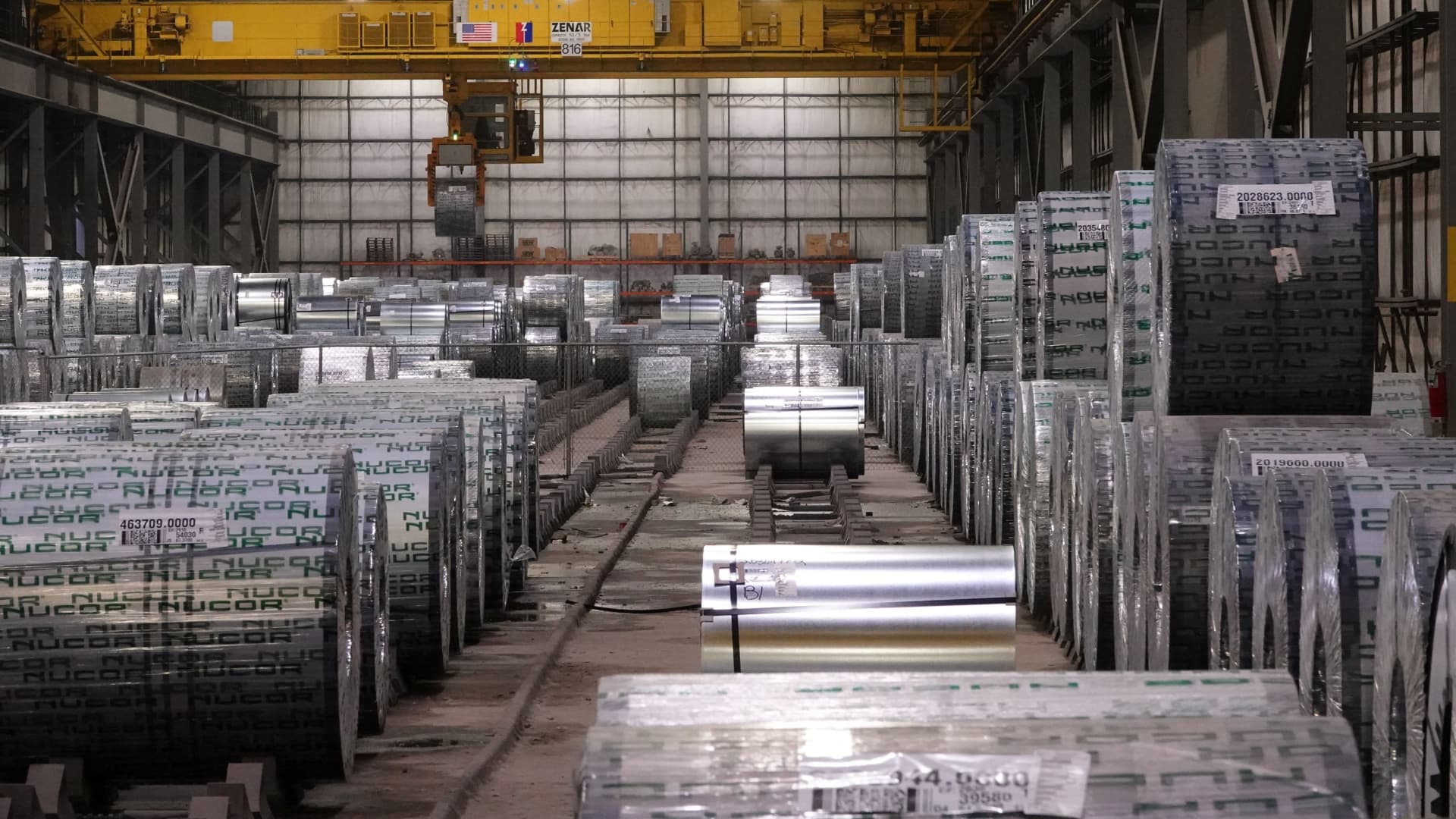
Nucor Upgraded Amid Iran Conflict, UBS Sees Buying Opportunity
- Investment Opportunity: UBS upgraded Nucor's rating from neutral to buy and raised its price target from $184 to $190, indicating a 15% upside potential, suggesting that investors should consider buying on the recent sell-off.
- Market Isolation: Analyst Andrew Jones noted that while the Iran conflict has caused supply chain bottlenecks affecting chemicals, steel, and aluminum, U.S. steel producers remain relatively insulated, with Nucor's stock down 6% over the past month but poised for recovery.
- Policy Support: Increased federal contracts for steel manufacturers and a decline in U.S. steel imports could bolster Nucor's stock, particularly in a federally supported high-price/high-volume environment, indicating a positive growth outlook for the company.
- Industry Outlook: With President Trump raising steel tariffs from 25% to 50%, increasing overseas sourcing costs, UBS's view aligns with Wall Street consensus, as two-thirds of the 18 analysts covering Nucor have a buy or strong buy rating, reflecting confidence in its future performance.
UBS Upgrades Nucor to Buy with $190 Target Amid Market Selloff
- Rating Upgrade: UBS upgraded Nucor's rating from Neutral to Buy, raising the price target from $184 to $190, indicating that the recent selloff presents a compelling buying opportunity, reflecting confidence in steel producers.
- Market Reaction: Nucor shares rose 1.3% in Thursday's trading, with UBS analyst Andrew Jones noting that the 15% selloff due to geopolitical conflict is viewed as 'excessive,' providing an entry point for investors.
- Financial Valuation: Nucor's stock is currently trading at approximately 7.1x UBS's estimated FY 2027 EBITDA, down from 8.5x in January, highlighting its attractive valuation and limited energy cost risk supporting future growth.
- Growth Outlook: UBS forecasts a 3% growth in domestic shipments for 2026-27, supported by federal demand stimulus and construction activity, with Nucor's organic growth prospects in bar mills, towers, and coatings further solidifying its market position.
Market Volatility and Investment Strategy Analysis
- Market Volatility Impact: The S&P 500 fell nearly 1% on Thursday due to uncertainty over ceasefire talks with Iran, erasing gains from the previous session and highlighting the market's sensitivity to geopolitical risks.
- Oil Price Surge: U.S. oil prices rose 4% amid the ongoing conflict, reflecting the inverse relationship between oil prices and stock market performance, prompting investors to approach market fluctuations with caution.
- Wells Fargo Investment Opportunity: Jefferies initiated coverage on Wells Fargo with a buy rating, noting that the removal of its asset cap allows for faster growth in its balance sheet and interest income, with Jim Cramer suggesting to buy more shares if the price drops below $80.
- TJX Stock Potential: Bernstein analysts highlighted TJX as a strong performer during economic uncertainty, stating that despite its premium valuation, a significant price drop could present a buying opportunity, making it a stock to watch.
Humanoid Robots Poised for Growth in Automation Market
- Market Drivers: Jefferies identifies three key drivers for the humanoid robot market's rapid growth over the next decade, including an aging population increasing demand for supplemental labor, declining interest in manufacturing jobs among younger generations, and breakthroughs in semiconductor and AI technology.
- Tesla's Potential: Analyst Philippe Houchois assigns a hold rating to Tesla with a $300 price target, noting that while the company has provided few specifics on its humanoid robot initiatives, its early applications in manufacturing and ability to self-fund developments may provide a competitive edge.
- Metal Demand Growth: Analyst Chris LaFemina highlights that 70% of humanoid robots' weight comes from metals, suggesting that companies like Freeport McMoRan, Alcoa, and Nucor could benefit from rising demand for copper, aluminum, and steel, indicating potential prosperity in the raw materials market.
- Analog Devices' Advantage: Analog Devices is recognized for its expertise in sensors and analog control, with analyst Blayne Curtis giving it a buy rating and a $410 price target, as the scaling of humanoid robots presents opportunities for its signal-chain and power technologies through each joint and sensor integration.
Market Outlook Dims as Analysts Downgrade Key Stocks
- Oil Prices and Market Pressure: Rising oil prices and bond yields, coupled with Washington's negotiations with Iran, are creating significant challenges for the stock market, as futures indicate a lower open, making it difficult for investors to commit substantial capital in this environment.
- Qualcomm Downgrade: Bernstein downgraded Qualcomm from buy to hold, citing concerns that soaring memory prices are pressuring the smartphone market, indicating a loss of confidence in Qualcomm as Wall Street shifts preference towards Arm Holdings.
- Adobe Faces Competitive Pressure: William Blair downgraded Adobe from buy to hold, highlighting intense AI competition in its core Creative Cloud business, suggesting that Adobe's high valuation may be unsustainable amid declining earnings power.
- Tyson Foods Receives Buy Rating: Mizuho initiated coverage of Tyson Foods with a buy rating, noting that increased consumer demand for nutrient-rich diets will drive growth, while the company's heavy reinvestment over the past five years is expected to enhance profitability.
Wall Street's Latest Ratings: Apple and Dell Rated Buy
- Apple and Dell Benefiting: Goldman Sachs reiterates Buy ratings for Apple (AAPL) and Dell (DELL), citing increased demand for PC hardware driven by the rise of open-source autonomous AI agents, which is expected to enhance their market performance.
- Abercrombie & Fitch Coverage Initiated: Needham initiates coverage on Abercrombie & Fitch (ANF) with a Buy rating and a $108 price target, believing that after a challenging FY25, the company's fundamentals are stabilizing, making it attractive for investors.
- Spotify Performance Outlook: Daiwa rates Spotify Technology (SPOT) as Outperform with a $535 price target, based on expectations of steady revenue growth, indicating confidence in its future development.
- Somnigroup International Upgrade: Jefferies upgrades Somnigroup International (SGI) from Hold to Buy, noting that SGI shares have fallen about 17% since the start of the Iran war, yet its valuation remains attractive, reflecting market confidence in its future growth potential.
Nucor Upgraded Amid Iran Conflict, UBS Sees Buying Opportunity
- Investment Opportunity: UBS upgraded Nucor's rating from neutral to buy and raised its price target from $184 to $190, indicating a 15% upside potential, suggesting that investors should consider buying on the recent sell-off.
- Market Isolation: Analyst Andrew Jones noted that while the Iran conflict has caused supply chain bottlenecks affecting chemicals, steel, and aluminum, U.S. steel producers remain relatively insulated, with Nucor's stock down 6% over the past month but poised for recovery.
- Policy Support: Increased federal contracts for steel manufacturers and a decline in U.S. steel imports could bolster Nucor's stock, particularly in a federally supported high-price/high-volume environment, indicating a positive growth outlook for the company.
- Industry Outlook: With President Trump raising steel tariffs from 25% to 50%, increasing overseas sourcing costs, UBS's view aligns with Wall Street consensus, as two-thirds of the 18 analysts covering Nucor have a buy or strong buy rating, reflecting confidence in its future performance.