Norwegian Cruise Line Reports Disappointing Earnings, Stock Falls 24%

Norwegian Cruise Line Holdings Ltd's stock fell by 5.01% today, crossing below its 5-day SMA, reflecting ongoing investor concerns.
The decline follows a disappointing earnings report where the company's fourth-quarter revenue rose 6% to $2.2 billion but fell short of the $2.34 billion estimate, indicating management execution gaps. Despite an increase in adjusted EBITDA by 11% to $2.73 billion and a 46% rise in adjusted earnings per share to $0.28, the bleak outlook for 2026, with flat net yields and rising costs, has further eroded market confidence. Additionally, the appointment of five new board members amid pressure from activist investors may not provide immediate relief to the stock price.
This performance highlights the challenges Norwegian Cruise Line faces in a competitive market, particularly with rising oil prices and geopolitical instability affecting investor sentiment.
Trade with 70% Backtested Accuracy
Analyst Views on NCLH

About NCLH
About the author


Norwegian Cruise Line Faces Dual Challenges
- Middle East Conflict Impact: The geopolitical conflict in the Middle East has led to significant oil price volatility, causing Norwegian Cruise Line (NCLH) shares to drop approximately 30%, raising investor concerns about future performance, particularly with high fuel costs affecting the entire cruise industry.
- Weak 2026 Guidance: Norwegian Cruise Line's guidance for 2026 indicates that net yield is expected to remain flat compared to 2025, highlighting challenges in executing its commercial strategy, particularly due to the rapid deployment of too many ships to the Caribbean.
- Slow Progress on Amenities: The company is still working to open all amenities on its private island, Great Stirrup Cay, which further impacts its attractiveness in the Caribbean, and while it will eventually overcome these headwinds, it is expected to take time.
- Slight Earnings Improvement Expected: Despite these challenges, Norwegian Cruise Line anticipates an increase in earnings per share from $2.11 in 2025 to $2.38 in 2026, indicating that the business is not in complete disarray, but uncertainty will persist until oil markets stabilize.

Major Moves in Premarket Trading by Various Companies


- Datadog Stock Rise: Datadog shares increased by 2.3% after Guggenheim upgraded its rating from neutral to buy, with analysts believing the company will benefit from AI-driven growth in data volumes and IT complexity.
- CoreWeave Infrastructure Expansion: CoreWeave's stock surged over 5% following the announcement of a $21 billion infrastructure deal with Meta Platforms, which aims to optimize performance and scalability for Meta's AI operations.
- Constellation Brands Guidance Withdrawal: Constellation Brands saw its shares dip less than 1% after withdrawing its 2028 guidance due to subdued demand, despite reporting fourth-quarter results that exceeded market expectations.
- Airlines Stock Fluctuation: Rising oil prices led to a decline in airline stocks, with Alaska Air dropping approximately 2%, while United Airlines, American Airlines, and Delta Air Lines each fell by 1%.

Norwegian Cruise Line's 2026 Guidance Faces Headwinds
- Fuel Cost Volatility Impact: Norwegian Cruise Line faces pressure on operational costs due to fluctuating oil prices stemming from geopolitical conflicts in the Middle East, leading to a roughly 30% decline in stock price from its 52-week high as investors express concerns about future performance.
- 2026 Earnings Outlook Flat: The company anticipates that its net yield for 2026 will remain flat on a constant currency basis compared to 2025, indicating challenges in executing its commercial strategy, although earnings per share are expected to rise from $2.11 in 2025 to $2.38.
- Overconcentration in the Caribbean: The rapid increase in the number of ships in the Caribbean has led to uneven resource allocation, compounded by slow progress in building amenities on its private island, Great Stirrup Cay, which negatively impacts overall operational efficiency.
- Market Sentiment Remains Low: Due to specific execution issues, Wall Street's outlook on Norwegian Cruise Line is more negative compared to its peers, despite the overall cruise industry not being affected, prompting investors to carefully assess future investment risks.

Cruise Stocks Surge as Oil Prices Drop

- Strong Cruise Stock Performance: Cruise operators' stocks surged on Wednesday as oil prices fell, with Carnival (CCL) up 11.1%, Norwegian Cruise Line (NCLH) up 7.6%, and Royal Caribbean (RCL) up 4.3%, reflecting market optimism about the recovery of the cruise industry.
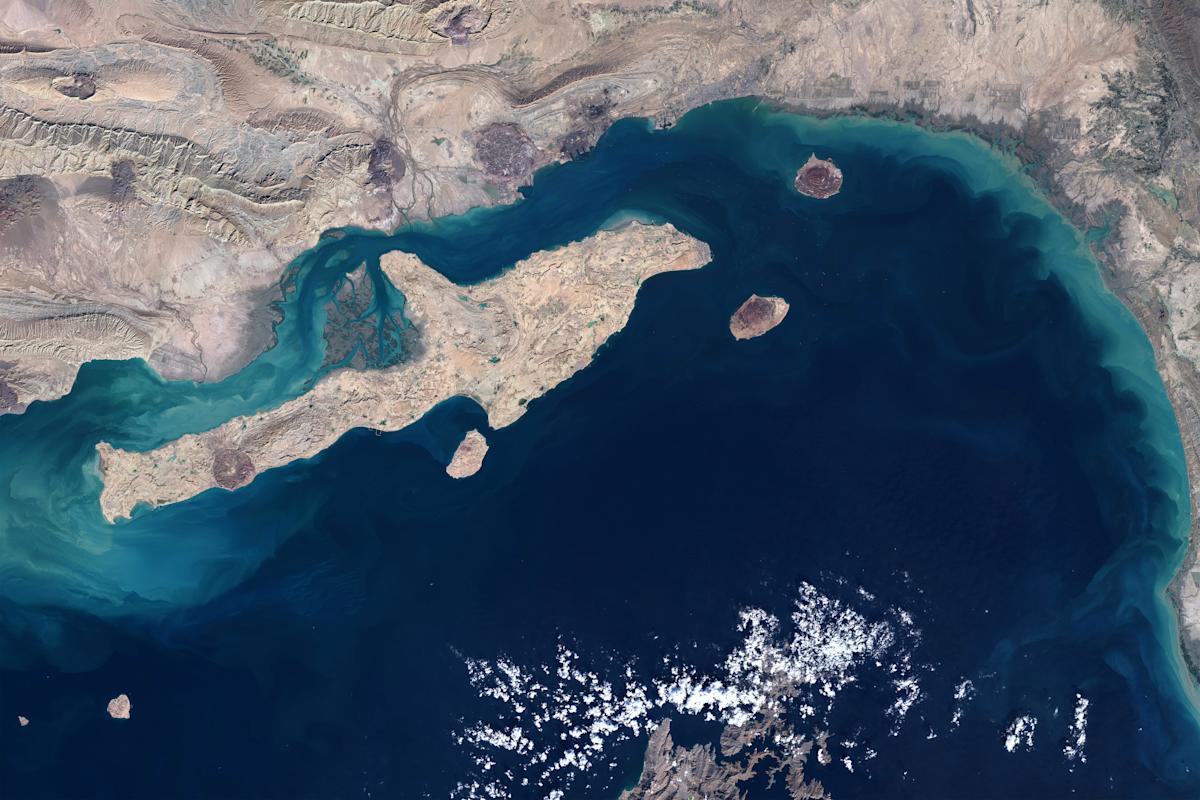
- Improved Energy Transport Access: A two-week ceasefire agreement between the U.S. and Iran is expected to allow more energy-carrying ships to pass through the Strait of Hormuz, alleviating market concerns over supply shortages and further boosting cruise stock rebounds.
- Impact of Oil Price Volatility: High oil prices significantly affect cruise companies, as fuel costs are a major expense; rising prices can directly impact profitability, while reduced consumer spending may lead to fewer cruise bookings, making oil price fluctuations critical for the industry.
- Uncertain Market Outlook: While the current peace prospects have relieved investor concerns, oil and gas prices may still experience violent fluctuations due to Iran-related headlines; if peace talks fail, it could lead to surging oil prices and falling stock prices, whereas successful negotiations could drive travel stocks to lead market gains.

Cruise Stocks Surge as Oil Prices Drop
- Cruise Stock Performance: Shares of Carnival surged by 11.1%, Norwegian Cruise Line by 7.6%, and Royal Caribbean by 4.3% as oil prices fell, indicating a renewed investor confidence in the cruise industry.
- Impact of Energy Prices: High oil prices significantly affect cruise lines, as fuel is a major expense; rising prices can directly erode profits and lead consumers to cut back on non-essential spending, potentially denting cruise bookings.
- Market Volatility Expectations: Reports of a two-week ceasefire between the U.S. and Iran have led to optimism about energy-carrying ships passing through the Strait of Hormuz, resulting in a sharp drop in oil prices and alleviating supply shortage fears.
- Investor Caution Advised: Despite the current rebound in cruise stocks, oil and gas prices may continue to fluctuate violently due to Iran-related headlines, and if peace talks fail, stock prices could plunge, necessitating caution among investors.

Global Stock Markets Surge on Iran Ceasefire Agreement


- Market Sentiment Rebound: Global stock markets surged on Wednesday as the US and Iran agreed to a two-week ceasefire, with the S&P 500 rising 2.51%, the Dow Jones up 2.85%, and the Nasdaq 100 increasing by 2.90%, reflecting a positive market response to easing geopolitical tensions.
- Crude Oil Price Plunge: The ceasefire news led to a more than 15% drop in crude oil prices to a 1.5-week low, alleviating inflation concerns and sparking a rally in global government bond markets, with the German 10-year Bund yield falling to a 3-week low, indicating a more optimistic outlook for the economy.
- Fed Policy Expectations: Although the market discounts only a 1% chance of a 25 bp rate hike at the upcoming April 28-29 FOMC meeting, the minutes from the March FOMC indicated heightened concerns among participants regarding upside risks to inflation and downside risks to employment, suggesting a more cautious approach to future monetary policy.
- Strong Tech Stock Performance: Chipmakers and AI infrastructure stocks saw significant gains on Wednesday, with Intel rising over 11%, driving the Nasdaq 100's increase, highlighting the tech sector's crucial role in the market recovery and further boosting investor confidence in technology stocks.
Norwegian Cruise Line Faces Dual Challenges
- Middle East Conflict Impact: The geopolitical conflict in the Middle East has led to significant oil price volatility, causing Norwegian Cruise Line (NCLH) shares to drop approximately 30%, raising investor concerns about future performance, particularly with high fuel costs affecting the entire cruise industry.
- Weak 2026 Guidance: Norwegian Cruise Line's guidance for 2026 indicates that net yield is expected to remain flat compared to 2025, highlighting challenges in executing its commercial strategy, particularly due to the rapid deployment of too many ships to the Caribbean.
- Slow Progress on Amenities: The company is still working to open all amenities on its private island, Great Stirrup Cay, which further impacts its attractiveness in the Caribbean, and while it will eventually overcome these headwinds, it is expected to take time.
- Slight Earnings Improvement Expected: Despite these challenges, Norwegian Cruise Line anticipates an increase in earnings per share from $2.11 in 2025 to $2.38 in 2026, indicating that the business is not in complete disarray, but uncertainty will persist until oil markets stabilize.
Major Moves in Premarket Trading by Various Companies
- Datadog Stock Rise: Datadog shares increased by 2.3% after Guggenheim upgraded its rating from neutral to buy, with analysts believing the company will benefit from AI-driven growth in data volumes and IT complexity.
- CoreWeave Infrastructure Expansion: CoreWeave's stock surged over 5% following the announcement of a $21 billion infrastructure deal with Meta Platforms, which aims to optimize performance and scalability for Meta's AI operations.
- Constellation Brands Guidance Withdrawal: Constellation Brands saw its shares dip less than 1% after withdrawing its 2028 guidance due to subdued demand, despite reporting fourth-quarter results that exceeded market expectations.
- Airlines Stock Fluctuation: Rising oil prices led to a decline in airline stocks, with Alaska Air dropping approximately 2%, while United Airlines, American Airlines, and Delta Air Lines each fell by 1%.
Norwegian Cruise Line's 2026 Guidance Faces Headwinds
- Fuel Cost Volatility Impact: Norwegian Cruise Line faces pressure on operational costs due to fluctuating oil prices stemming from geopolitical conflicts in the Middle East, leading to a roughly 30% decline in stock price from its 52-week high as investors express concerns about future performance.
- 2026 Earnings Outlook Flat: The company anticipates that its net yield for 2026 will remain flat on a constant currency basis compared to 2025, indicating challenges in executing its commercial strategy, although earnings per share are expected to rise from $2.11 in 2025 to $2.38.
- Overconcentration in the Caribbean: The rapid increase in the number of ships in the Caribbean has led to uneven resource allocation, compounded by slow progress in building amenities on its private island, Great Stirrup Cay, which negatively impacts overall operational efficiency.
- Market Sentiment Remains Low: Due to specific execution issues, Wall Street's outlook on Norwegian Cruise Line is more negative compared to its peers, despite the overall cruise industry not being affected, prompting investors to carefully assess future investment risks.
Cruise Stocks Surge as Oil Prices Drop
- Strong Cruise Stock Performance: Cruise operators' stocks surged on Wednesday as oil prices fell, with Carnival (CCL) up 11.1%, Norwegian Cruise Line (NCLH) up 7.6%, and Royal Caribbean (RCL) up 4.3%, reflecting market optimism about the recovery of the cruise industry.
- Improved Energy Transport Access: A two-week ceasefire agreement between the U.S. and Iran is expected to allow more energy-carrying ships to pass through the Strait of Hormuz, alleviating market concerns over supply shortages and further boosting cruise stock rebounds.
- Impact of Oil Price Volatility: High oil prices significantly affect cruise companies, as fuel costs are a major expense; rising prices can directly impact profitability, while reduced consumer spending may lead to fewer cruise bookings, making oil price fluctuations critical for the industry.
- Uncertain Market Outlook: While the current peace prospects have relieved investor concerns, oil and gas prices may still experience violent fluctuations due to Iran-related headlines; if peace talks fail, it could lead to surging oil prices and falling stock prices, whereas successful negotiations could drive travel stocks to lead market gains.
Cruise Stocks Surge as Oil Prices Drop
- Cruise Stock Performance: Shares of Carnival surged by 11.1%, Norwegian Cruise Line by 7.6%, and Royal Caribbean by 4.3% as oil prices fell, indicating a renewed investor confidence in the cruise industry.
- Impact of Energy Prices: High oil prices significantly affect cruise lines, as fuel is a major expense; rising prices can directly erode profits and lead consumers to cut back on non-essential spending, potentially denting cruise bookings.
- Market Volatility Expectations: Reports of a two-week ceasefire between the U.S. and Iran have led to optimism about energy-carrying ships passing through the Strait of Hormuz, resulting in a sharp drop in oil prices and alleviating supply shortage fears.
- Investor Caution Advised: Despite the current rebound in cruise stocks, oil and gas prices may continue to fluctuate violently due to Iran-related headlines, and if peace talks fail, stock prices could plunge, necessitating caution among investors.
Global Stock Markets Surge on Iran Ceasefire Agreement
- Market Sentiment Rebound: Global stock markets surged on Wednesday as the US and Iran agreed to a two-week ceasefire, with the S&P 500 rising 2.51%, the Dow Jones up 2.85%, and the Nasdaq 100 increasing by 2.90%, reflecting a positive market response to easing geopolitical tensions.
- Crude Oil Price Plunge: The ceasefire news led to a more than 15% drop in crude oil prices to a 1.5-week low, alleviating inflation concerns and sparking a rally in global government bond markets, with the German 10-year Bund yield falling to a 3-week low, indicating a more optimistic outlook for the economy.
- Fed Policy Expectations: Although the market discounts only a 1% chance of a 25 bp rate hike at the upcoming April 28-29 FOMC meeting, the minutes from the March FOMC indicated heightened concerns among participants regarding upside risks to inflation and downside risks to employment, suggesting a more cautious approach to future monetary policy.
- Strong Tech Stock Performance: Chipmakers and AI infrastructure stocks saw significant gains on Wednesday, with Intel rising over 11%, driving the Nasdaq 100's increase, highlighting the tech sector's crucial role in the market recovery and further boosting investor confidence in technology stocks.