MicroStrategy's Stock Rises Amid Broader Market Gains
Written by Emily J. Thompson, Senior Investment Analyst
Updated: Aug 13 2024
0mins

Should l Buy MSTR?
Source: Benzinga
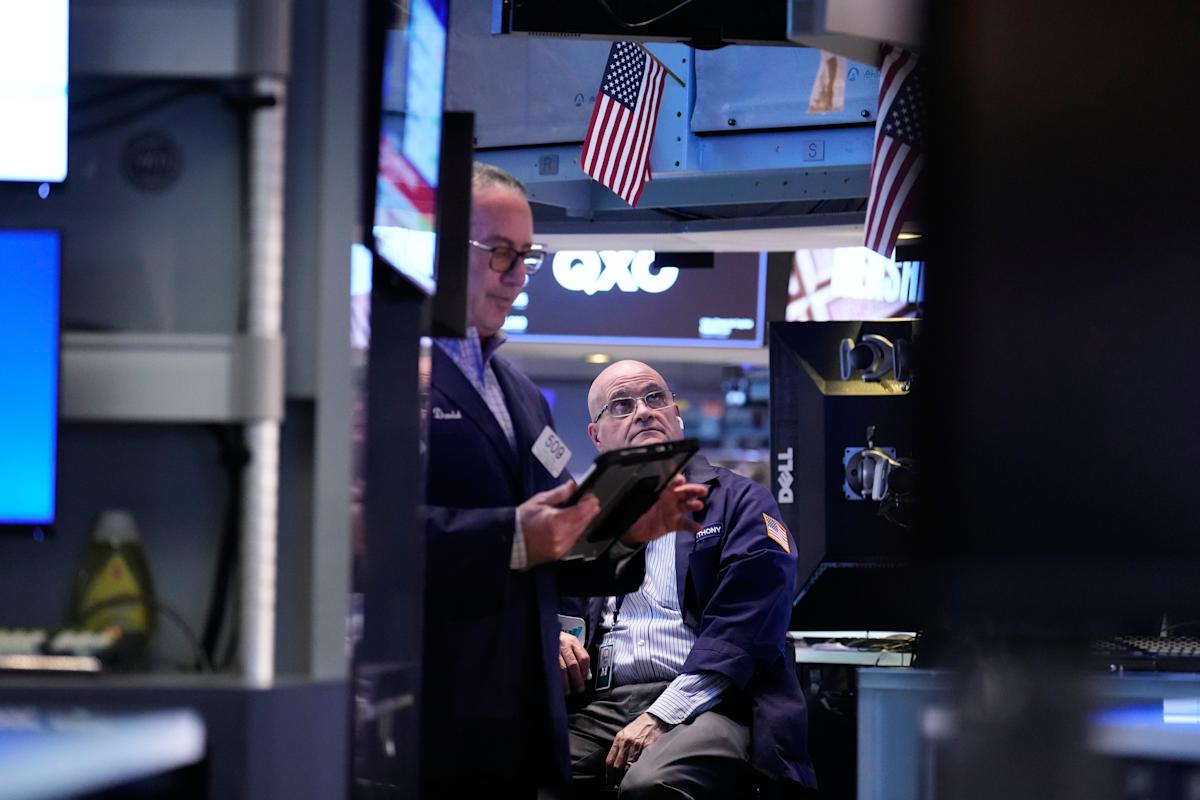
MicroStrategy Incorporated's stock price increased by 5.00% as it crossed above the 5-day SMA, reflecting positive momentum in the market.
The rise in MicroStrategy's stock is attributed to broad market strength, with the Nasdaq-100 up 0.67% and the S&P 500 up 0.23%. This favorable market environment has likely contributed to investor confidence in MicroStrategy's performance, especially as the cryptocurrency market continues to show resilience.
As MicroStrategy continues to leverage its Bitcoin holdings, the company's stock performance may benefit from ongoing interest in cryptocurrencies and the overall positive sentiment in the tech sector.
Trade with 70% Backtested Accuracy
Stop guessing "Should I Buy MSTR?" and start using high-conviction signals backed by rigorous historical data.
Sign up today to access powerful investing tools and make smarter, data-driven decisions.
Analyst Views on MSTR
Wall Street analysts forecast MSTR stock price to rise
14 Analyst Rating
12 Buy
2 Hold
0 Sell
Strong Buy
Current: 123.720

Low
229.00
Averages
453.17
High
705.00
Current: 123.720
Low
229.00
Averages
453.17
High
705.00
About MSTR
Strategy Inc., formerly MicroStrategy Incorporated, is a bitcoin treasury and business intelligence company. The Company provides cloud-native, artificial intelligence (AI)-powered enterprise analytics software to thousands of global customers. The Company’s Strategy ONE platform provides access to AI-powered workflows, unlimited data sources, cloud-native technologies, and performance to speed up time from data to action. Strategy One delivers visualization, reporting, and embedded analytics capabilities across retail, banking, technology, manufacturing, insurance, consulting, healthcare, telecommunications, and the public sector. Its Strategy Mosaic is a universal intelligence layer that provides enterprises with consistent definitions and governance across data sources, regardless of where that data resides or which tools access it. The Strategy Mosaic offers data clarity and connection by eliminating trade-offs between flexibility, control, and speed.
About the author

Emily J. Thompson
Emily J. Thompson, a Chartered Financial Analyst (CFA) with 12 years in investment research, graduated with honors from the Wharton School. Specializing in industrial and technology stocks, she provides in-depth analysis for Intellectia’s earnings and market brief reports.

Circle's Stablecoin Poised for Tenfold Growth by 2030

- Stablecoin Market Outlook: Treasury Secretary Scott Bessent predicts that the stablecoin market could grow tenfold by 2030, positioning Circle, the issuer of USDC with a market cap of $77 billion, for significant future growth that could enhance its market standing.
- Circle Stock Performance: Despite a strong performance post-IPO last year, Circle's stock is currently priced at $90, far below its 52-week high of nearly $300, primarily due to uncertainties in the regulatory environment for stablecoins rather than any inherent weakness in Circle's business model.
- Coinbase Strategic Shift: Coinbase is transforming into an
See More

Investment Opportunities in the Crypto Market
- Circle Internet Group Outlook: Circle Internet Group's USDC stablecoin boasts a market cap of $77 billion, with projections suggesting a tenfold growth in the stablecoin market by 2030; despite underperforming since its IPO, the future growth potential remains significant.
- Coinbase Strategic Shift: Coinbase is undergoing a comprehensive strategic overhaul to become an 'everything exchange,' expanding beyond cryptocurrencies to include stock trading and AI-related services, with a market cap of $46 billion, demonstrating its commitment to diversification.
- Strategy's Bitcoin Advantage: Strategy is the world's largest corporate holder of Bitcoin, with its Bitcoin assets nearing $50 billion; although its stock has dropped 57% due to Bitcoin's decline, its long-term holding strategy remains appealing.
- Need for Long-Term Investment: Cryptocurrencies typically follow a four-year boom-bust cycle, requiring investors to be prepared for long-term holding; while short-term declines may occur, future market rebounds could yield substantial returns.
See More

Capital Inflows into Digital Assets Slow Significantly

- Slowed Capital Inflows: According to JPMorgan's report, capital inflows into the digital asset market reached approximately $11 billion in Q1 2026, which is only one-third of the pace seen in 2025, indicating an increasing reliance on a small group of buyers and resulting in small or negative investor flows, thereby impacting market activity.
- Strategy's Bitcoin Purchases: Strategy, formerly known as MicroStrategy, continued to be the most aggressive buyer in the market during Q1 2026, acquiring 22,337 Bitcoin in mid-March and an additional 4,871 Bitcoin in early April, bringing its total holdings to 766,970 Bitcoin, despite facing an unrealized loss of $14.46 billion, which still attracted investor interest.
- Increased Market Volatility: The total crypto market value fell by about 20% in Q1 2026, with Bitcoin and Ethereum experiencing declines of 23% and over 30% respectively, attributed to geopolitical tensions and broader economic pressures that forced a pullback from risky assets, although prices stabilized towards the end of March.
- Venture Capital Bright Spots: Despite a quiet trading environment, venture capital remained a positive area, with a decrease in the number of deals but an increase in the size of individual investments, as capital shifted towards stablecoins, payment systems, and tokenization projects, indicating a growing interest in the underlying utility of blockchain technology.
See More
Global Stock Markets Surge on Iran Ceasefire Agreement

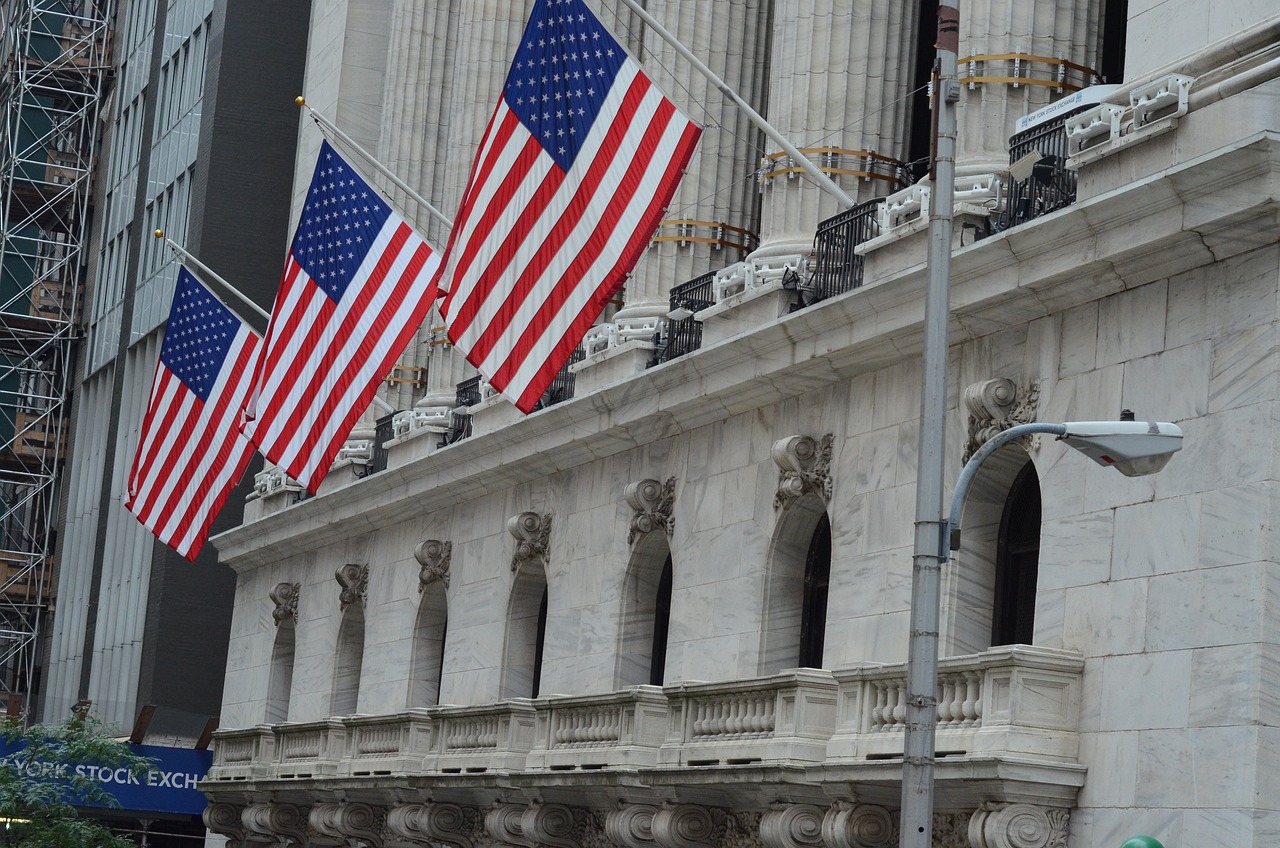
- Market Sentiment Rebound: Global stock markets surged on Wednesday as the US and Iran agreed to a two-week ceasefire, with the S&P 500 rising 2.51%, the Dow Jones up 2.85%, and the Nasdaq 100 increasing by 2.90%, reflecting a positive market response to easing geopolitical tensions.
- Crude Oil Price Plunge: The ceasefire news led to a more than 15% drop in crude oil prices to a 1.5-week low, alleviating inflation concerns and sparking a rally in global government bond markets, with the German 10-year Bund yield falling to a 3-week low, indicating a more optimistic outlook for the economy.
- Fed Policy Expectations: Although the market discounts only a 1% chance of a 25 bp rate hike at the upcoming April 28-29 FOMC meeting, the minutes from the March FOMC indicated heightened concerns among participants regarding upside risks to inflation and downside risks to employment, suggesting a more cautious approach to future monetary policy.
- Strong Tech Stock Performance: Chipmakers and AI infrastructure stocks saw significant gains on Wednesday, with Intel rising over 11%, driving the Nasdaq 100's increase, highlighting the tech sector's crucial role in the market recovery and further boosting investor confidence in technology stocks.
See More

Global Stock Markets Surge on Iran Ceasefire Agreement
- Market Sentiment Rebounds: Global stock markets surged as the US and Iran agreed to a two-week ceasefire, with the S&P 500 rising 2.04%, the Dow Jones up 2.25%, and the Nasdaq 100 increasing by 2.52%, indicating a renewed investor confidence in risk assets.
- Crude Oil Price Plunge: The ceasefire news led to a more than 15% drop in crude oil prices to a 1.5-week low, alleviating inflation concerns and sparking a rally in global government bond markets, with the German 10-year Bund yield falling to a 3-week low, reflecting market expectations of a potential economic slowdown.
- US Treasury Yields Decline: The 10-year US Treasury yield fell to 4.228%, a 3-week low, as concerns over inflation eased, indicating increased demand for safe-haven assets, while also supporting the upcoming $39 billion auction of 10-year notes.
- Strong Performance in Tech Stocks: Amid the positive market sentiment, technology stocks performed strongly, with Amazon, Meta, and Alphabet all rising over 3%, showcasing sustained investor confidence in the tech sector, which may drive future investment inflows.
See More

Global Stock Markets Surge on Iran Ceasefire Agreement
- Market Rally: The S&P 500 rose by 2.35%, the Dow Jones by 2.78%, and the Nasdaq 100 by 2.89%, all reaching four-week highs, reflecting optimistic market sentiment following the easing of geopolitical tensions.
- Crude Oil Plunge: Crude oil prices fell over 17% to a 1.5-week low after the US and Iran agreed to a two-week ceasefire, alleviating inflation concerns and sparking a rally in global government bond markets.
- Declining Bond Yields: The 10-year US Treasury yield dropped to a three-week low of 4.228%, as easing inflation worries are expected to influence future monetary policy, particularly ahead of the upcoming FOMC meeting.
- Airline Stocks Surge: With lower fuel costs, Alaska Air Group surged over 16% and Carnival Cruises rose over 13%, indicating a positive impact of falling oil prices on the airline and cruise industries, potentially enhancing overall profitability.
See More
Circle's Stablecoin Poised for Tenfold Growth by 2030
- Stablecoin Market Outlook: Treasury Secretary Scott Bessent predicts that the stablecoin market could grow tenfold by 2030, positioning Circle, the issuer of USDC with a market cap of $77 billion, for significant future growth that could enhance its market standing.
- Circle Stock Performance: Despite a strong performance post-IPO last year, Circle's stock is currently priced at $90, far below its 52-week high of nearly $300, primarily due to uncertainties in the regulatory environment for stablecoins rather than any inherent weakness in Circle's business model.
- Coinbase Strategic Shift: Coinbase is transforming into an
See More
Investment Opportunities in the Crypto Market
- Circle Internet Group Outlook: Circle Internet Group's USDC stablecoin boasts a market cap of $77 billion, with projections suggesting a tenfold growth in the stablecoin market by 2030; despite underperforming since its IPO, the future growth potential remains significant.
- Coinbase Strategic Shift: Coinbase is undergoing a comprehensive strategic overhaul to become an 'everything exchange,' expanding beyond cryptocurrencies to include stock trading and AI-related services, with a market cap of $46 billion, demonstrating its commitment to diversification.
- Strategy's Bitcoin Advantage: Strategy is the world's largest corporate holder of Bitcoin, with its Bitcoin assets nearing $50 billion; although its stock has dropped 57% due to Bitcoin's decline, its long-term holding strategy remains appealing.
- Need for Long-Term Investment: Cryptocurrencies typically follow a four-year boom-bust cycle, requiring investors to be prepared for long-term holding; while short-term declines may occur, future market rebounds could yield substantial returns.
See More
Capital Inflows into Digital Assets Slow Significantly
- Slowed Capital Inflows: According to JPMorgan's report, capital inflows into the digital asset market reached approximately $11 billion in Q1 2026, which is only one-third of the pace seen in 2025, indicating an increasing reliance on a small group of buyers and resulting in small or negative investor flows, thereby impacting market activity.
- Strategy's Bitcoin Purchases: Strategy, formerly known as MicroStrategy, continued to be the most aggressive buyer in the market during Q1 2026, acquiring 22,337 Bitcoin in mid-March and an additional 4,871 Bitcoin in early April, bringing its total holdings to 766,970 Bitcoin, despite facing an unrealized loss of $14.46 billion, which still attracted investor interest.
- Increased Market Volatility: The total crypto market value fell by about 20% in Q1 2026, with Bitcoin and Ethereum experiencing declines of 23% and over 30% respectively, attributed to geopolitical tensions and broader economic pressures that forced a pullback from risky assets, although prices stabilized towards the end of March.
- Venture Capital Bright Spots: Despite a quiet trading environment, venture capital remained a positive area, with a decrease in the number of deals but an increase in the size of individual investments, as capital shifted towards stablecoins, payment systems, and tokenization projects, indicating a growing interest in the underlying utility of blockchain technology.
See More
Global Stock Markets Surge on Iran Ceasefire Agreement
- Market Sentiment Rebound: Global stock markets surged on Wednesday as the US and Iran agreed to a two-week ceasefire, with the S&P 500 rising 2.51%, the Dow Jones up 2.85%, and the Nasdaq 100 increasing by 2.90%, reflecting a positive market response to easing geopolitical tensions.
- Crude Oil Price Plunge: The ceasefire news led to a more than 15% drop in crude oil prices to a 1.5-week low, alleviating inflation concerns and sparking a rally in global government bond markets, with the German 10-year Bund yield falling to a 3-week low, indicating a more optimistic outlook for the economy.
- Fed Policy Expectations: Although the market discounts only a 1% chance of a 25 bp rate hike at the upcoming April 28-29 FOMC meeting, the minutes from the March FOMC indicated heightened concerns among participants regarding upside risks to inflation and downside risks to employment, suggesting a more cautious approach to future monetary policy.
- Strong Tech Stock Performance: Chipmakers and AI infrastructure stocks saw significant gains on Wednesday, with Intel rising over 11%, driving the Nasdaq 100's increase, highlighting the tech sector's crucial role in the market recovery and further boosting investor confidence in technology stocks.
See More
Global Stock Markets Surge on Iran Ceasefire Agreement
- Market Sentiment Rebounds: Global stock markets surged as the US and Iran agreed to a two-week ceasefire, with the S&P 500 rising 2.04%, the Dow Jones up 2.25%, and the Nasdaq 100 increasing by 2.52%, indicating a renewed investor confidence in risk assets.
- Crude Oil Price Plunge: The ceasefire news led to a more than 15% drop in crude oil prices to a 1.5-week low, alleviating inflation concerns and sparking a rally in global government bond markets, with the German 10-year Bund yield falling to a 3-week low, reflecting market expectations of a potential economic slowdown.
- US Treasury Yields Decline: The 10-year US Treasury yield fell to 4.228%, a 3-week low, as concerns over inflation eased, indicating increased demand for safe-haven assets, while also supporting the upcoming $39 billion auction of 10-year notes.
- Strong Performance in Tech Stocks: Amid the positive market sentiment, technology stocks performed strongly, with Amazon, Meta, and Alphabet all rising over 3%, showcasing sustained investor confidence in the tech sector, which may drive future investment inflows.
See More
Global Stock Markets Surge on Iran Ceasefire Agreement
- Market Rally: The S&P 500 rose by 2.35%, the Dow Jones by 2.78%, and the Nasdaq 100 by 2.89%, all reaching four-week highs, reflecting optimistic market sentiment following the easing of geopolitical tensions.
- Crude Oil Plunge: Crude oil prices fell over 17% to a 1.5-week low after the US and Iran agreed to a two-week ceasefire, alleviating inflation concerns and sparking a rally in global government bond markets.
- Declining Bond Yields: The 10-year US Treasury yield dropped to a three-week low of 4.228%, as easing inflation worries are expected to influence future monetary policy, particularly ahead of the upcoming FOMC meeting.
- Airline Stocks Surge: With lower fuel costs, Alaska Air Group surged over 16% and Carnival Cruises rose over 13%, indicating a positive impact of falling oil prices on the airline and cruise industries, potentially enhancing overall profitability.
See More