Lucid Group Reports Q1 2026 Production and Delivery Figures
Lucid Group's stock fell 7.29% as it hit a 52-week low amid a broader market decline, with the Nasdaq-100 down 1.06% and the S&P 500 down 0.75%.
The company reported producing 5,500 vehicles and delivering 3,093 in Q1 2026, reaffirming its production guidance of 25,000 to 27,000 vehicles despite a 29-day disruption caused by supplier quality issues. This indicates confidence in future growth, although the delivery delays highlight vulnerabilities in supply chain management. Additionally, Lucid is enhancing shareholder engagement by partnering with Say Technologies to allow shareholders to submit and vote on questions for the upcoming earnings call scheduled for May 5, 2026.
The production and delivery figures, along with the upcoming earnings call, are expected to attract investor attention, but the stock's decline reflects broader market weakness and concerns over supply chain challenges.
Trade with 70% Backtested Accuracy
Analyst Views on LCID

About LCID
About the author

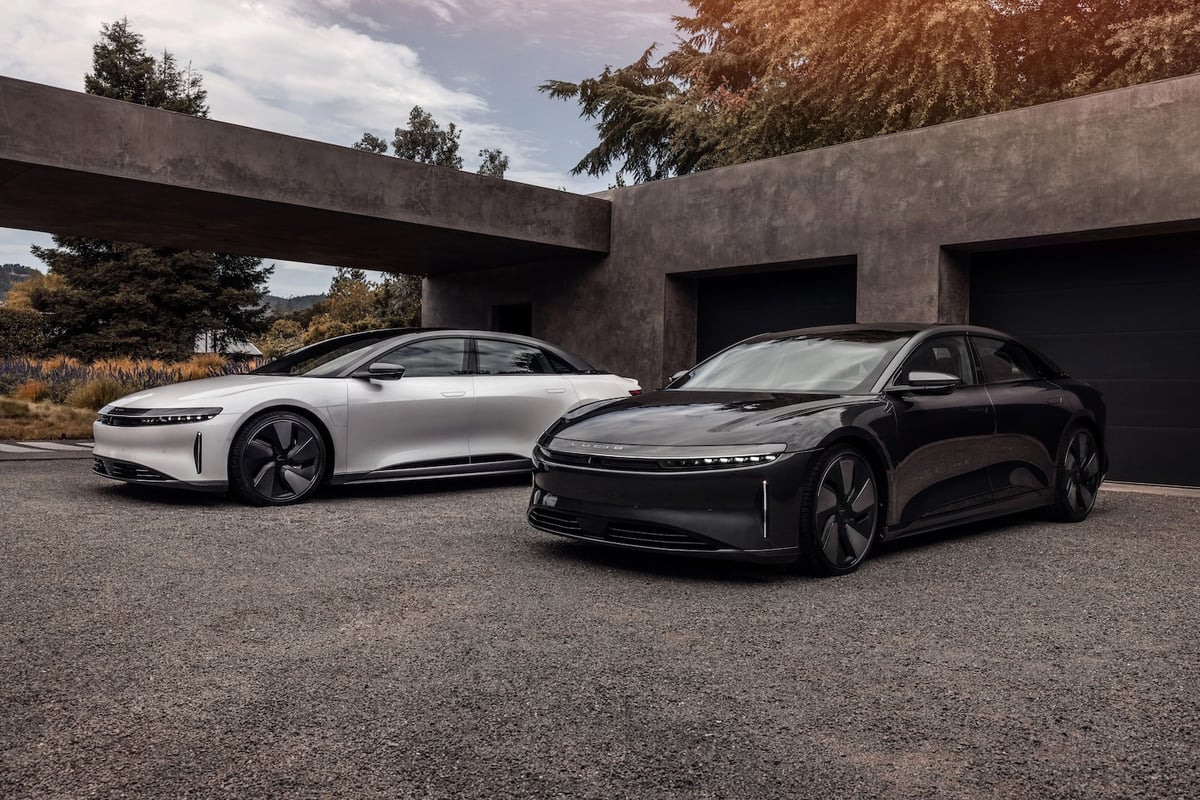
Lucid Group Shares Plunge 61%, Investors Left Wondering
- Significant Production Growth: Lucid produced 7,874 vehicles in Q4 2025, marking a 132% year-over-year increase, with total production nearing 18,000 units for the year, which propelled revenue up 123% to $523 million, showcasing the company's potential in the EV market.
- Delivery Volume Increase: Although still small, Lucid delivered 5,345 vehicles in Q4, a 72% increase from the previous year, indicating progress in improving sales and customer delivery.
- Escalating Financial Losses: However, the company reported an operating loss of nearly $1.1 billion in Q4, contributing to a total operating loss of $3.5 billion in 2025, highlighting the capital-intensive nature of EV manufacturing and market challenges.
- Challenging Market Environment: With a slowdown in EV demand and consumers opting for cheaper gasoline vehicles, Lucid faces a tough market landscape, making the next year crucial for proving its ability to expand production and reduce losses.
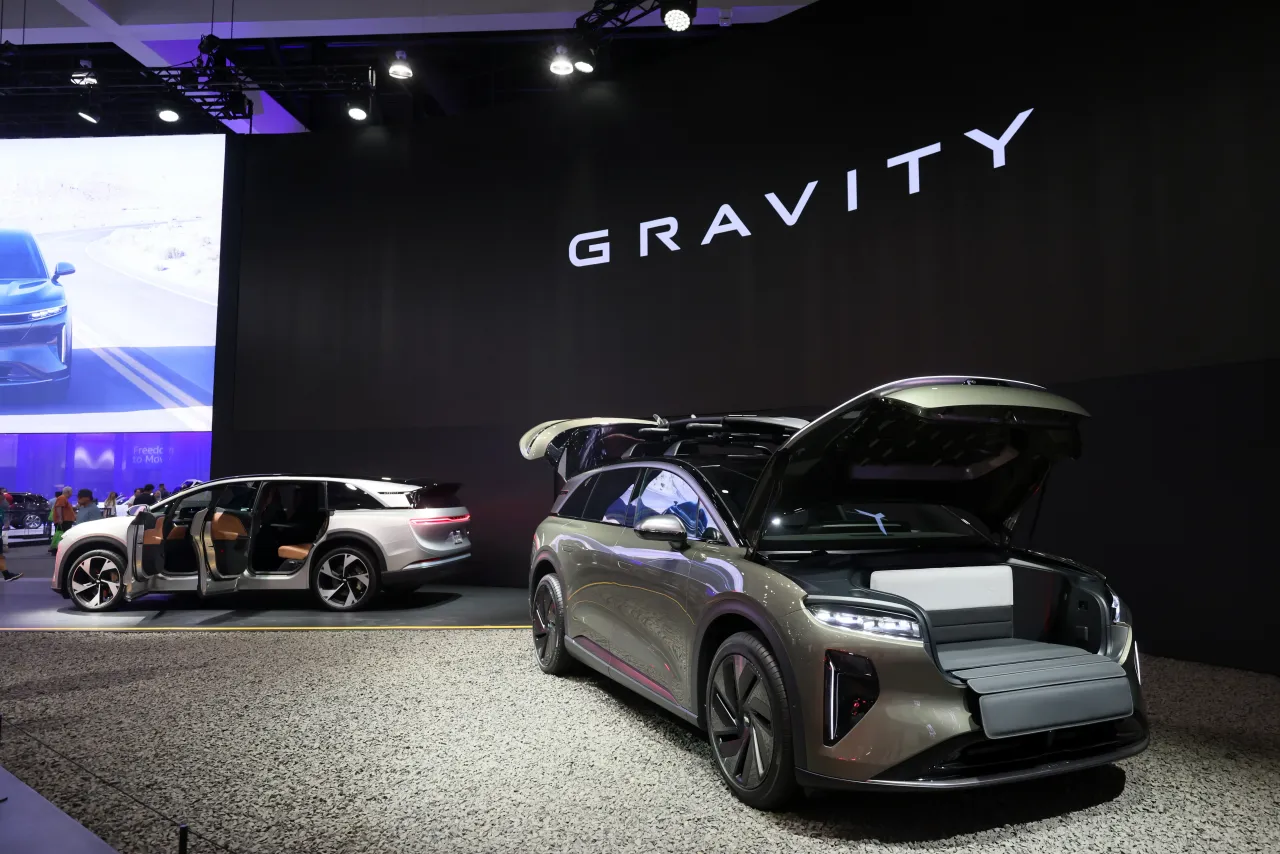
Lucid Recalls 3,627 Vehicles Amid Delivery Decline
- Frequent Recalls: Lucid announced a recall of 3,627 units of its 2024-2026 Air models due to a drivetrain defect that could lead to sudden power loss and increased crash risk, marking the third recall this year and highlighting ongoing quality control issues within the company.
- Poor Delivery Performance: In the first quarter, Lucid delivered only 3,093 vehicles, a 42% drop from Q4 2025 and flat year-over-year, primarily due to an unapproved change made by a supplier to the seat belt anchor welds, which has further undermined investor confidence.
- Significant Stock Decline: Lucid's shares have plummeted approximately 73% from their 52-week high of $33.70, with a year-to-date decline of about 17%, as market concerns about the company's execution and demand outlook intensify, leading to the stock hitting its lowest point of the year in premarket trading.
- Cost Reduction Strategy: Lucid's Cost Engineering director noted that the COSMOS SUV features about half the wire count compared to its Chinese competitors, and the company has reduced wire-harness costs to 40% of what it spent on existing models, demonstrating proactive efforts in cost control aimed at enhancing market competitiveness.

LUCID USA, INC. Issues Recall for 3,627 Vehicles in the U.S., According to NHTSA
- Recall Announcement: Lucid USA, Inc. is recalling 3,627 U.S. vehicles due to safety concerns.
- Reason for Recall: The recall is initiated in response to issues identified by the National Highway Traffic Safety Administration (NHTSA).
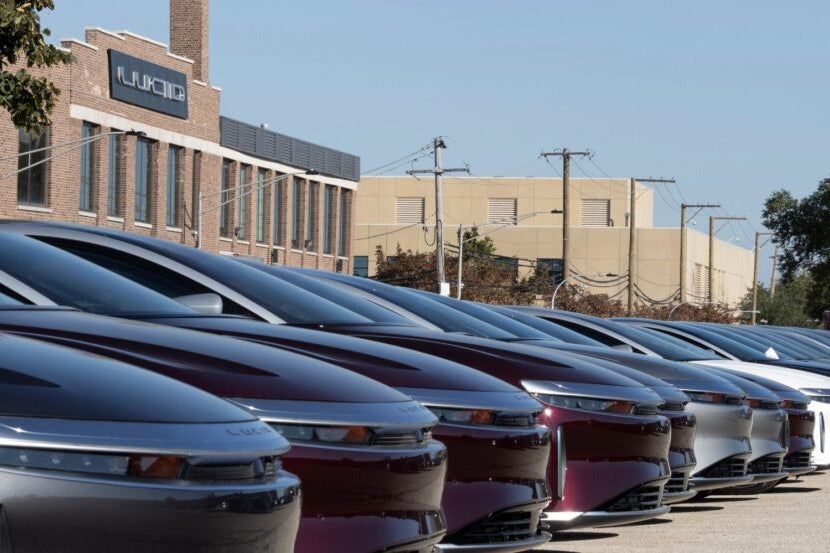
LUCID USA, INC. Issues Recall for Certain U.S. Vehicles Due to Potential Drive Power Loss from Disconnected Half Shaft, Heightening Crash Risk - NHTSA
Recall Announcement: Lucid USA, Inc. is recalling certain U.S. vehicles due to a potential issue with the half shaft.
Safety Risk: The defect can lead to a loss of drive power, increasing the risk of a crash.

Rivian vs. Lucid: Analyzing EV Market Prospects

- Rivian Stock Performance: Since its 2021 IPO, Rivian's stock has plummeted approximately 91.5% from its valuation peak, yet despite ongoing significant net losses, the positive contribution from its software and services business has shifted its overall gross margin to positive, indicating potential investment appeal.
- Lucid Recall Incident: Lucid recently announced a recall of over 4,400 Gravity SUVs and initiated a 29-day shipment halt, which, while not signaling imminent bankruptcy, highlights the critical role of the Gravity line in its growth strategy for production and deliveries, potentially impacting future performance.
- Funding Support Outlook: Despite facing weak performance and the threat of stock dilution, Lucid's continued funding injections from its largest shareholder, Saudi Arabia's Public Investment Fund, suggest that the company can sustain operations despite posting significant losses, indicating it won't face an immediate survival crisis.
- Market Competition Analysis: While Rivian is not guaranteed to win in the EV market, it currently presents a better investment opportunity compared to Lucid, particularly as it strives to achieve profitability, making it essential for investors to monitor its future earnings potential and market performance.

Rivian and Lucid Stocks Plummet from All-Time Highs
- Stock Price Collapse: Rivian's stock has plummeted approximately 91.5% from its all-time high, while Lucid has seen an even steeper decline of about 98.5%, indicating a severe drop in investor confidence and valuation for both companies in the electric vehicle market.
- Lucid Recall Crisis: Lucid recently announced a recall of over 4,400 Gravity SUVs and initiated a 29-day shipping halt, which, while not signaling imminent bankruptcy, poses significant challenges to its growth strategy for production and deliveries.
- Rivian's Financial Struggles: Although Rivian's automotive sales gross margins remain negative, contributions from its software and services business have allowed for an overall positive gross margin; however, the company's ability to achieve sustainable profitability remains highly uncertain.
- Investment Outlook Comparison: Despite the risks facing Rivian, it is currently viewed as a more attractive investment compared to Lucid, which is grappling with ongoing stock dilution and weak performance, especially in the increasingly competitive electric vehicle market.
Lucid Group Shares Plunge 61%, Investors Left Wondering
- Significant Production Growth: Lucid produced 7,874 vehicles in Q4 2025, marking a 132% year-over-year increase, with total production nearing 18,000 units for the year, which propelled revenue up 123% to $523 million, showcasing the company's potential in the EV market.
- Delivery Volume Increase: Although still small, Lucid delivered 5,345 vehicles in Q4, a 72% increase from the previous year, indicating progress in improving sales and customer delivery.
- Escalating Financial Losses: However, the company reported an operating loss of nearly $1.1 billion in Q4, contributing to a total operating loss of $3.5 billion in 2025, highlighting the capital-intensive nature of EV manufacturing and market challenges.
- Challenging Market Environment: With a slowdown in EV demand and consumers opting for cheaper gasoline vehicles, Lucid faces a tough market landscape, making the next year crucial for proving its ability to expand production and reduce losses.
Lucid Recalls 3,627 Vehicles Amid Delivery Decline
- Frequent Recalls: Lucid announced a recall of 3,627 units of its 2024-2026 Air models due to a drivetrain defect that could lead to sudden power loss and increased crash risk, marking the third recall this year and highlighting ongoing quality control issues within the company.
- Poor Delivery Performance: In the first quarter, Lucid delivered only 3,093 vehicles, a 42% drop from Q4 2025 and flat year-over-year, primarily due to an unapproved change made by a supplier to the seat belt anchor welds, which has further undermined investor confidence.
- Significant Stock Decline: Lucid's shares have plummeted approximately 73% from their 52-week high of $33.70, with a year-to-date decline of about 17%, as market concerns about the company's execution and demand outlook intensify, leading to the stock hitting its lowest point of the year in premarket trading.
- Cost Reduction Strategy: Lucid's Cost Engineering director noted that the COSMOS SUV features about half the wire count compared to its Chinese competitors, and the company has reduced wire-harness costs to 40% of what it spent on existing models, demonstrating proactive efforts in cost control aimed at enhancing market competitiveness.
LUCID USA, INC. Issues Recall for 3,627 Vehicles in the U.S., According to NHTSA
- Recall Announcement: Lucid USA, Inc. is recalling 3,627 U.S. vehicles due to safety concerns.
- Reason for Recall: The recall is initiated in response to issues identified by the National Highway Traffic Safety Administration (NHTSA).
LUCID USA, INC. Issues Recall for Certain U.S. Vehicles Due to Potential Drive Power Loss from Disconnected Half Shaft, Heightening Crash Risk - NHTSA
Recall Announcement: Lucid USA, Inc. is recalling certain U.S. vehicles due to a potential issue with the half shaft.
Safety Risk: The defect can lead to a loss of drive power, increasing the risk of a crash.
Rivian vs. Lucid: Analyzing EV Market Prospects
- Rivian Stock Performance: Since its 2021 IPO, Rivian's stock has plummeted approximately 91.5% from its valuation peak, yet despite ongoing significant net losses, the positive contribution from its software and services business has shifted its overall gross margin to positive, indicating potential investment appeal.
- Lucid Recall Incident: Lucid recently announced a recall of over 4,400 Gravity SUVs and initiated a 29-day shipment halt, which, while not signaling imminent bankruptcy, highlights the critical role of the Gravity line in its growth strategy for production and deliveries, potentially impacting future performance.
- Funding Support Outlook: Despite facing weak performance and the threat of stock dilution, Lucid's continued funding injections from its largest shareholder, Saudi Arabia's Public Investment Fund, suggest that the company can sustain operations despite posting significant losses, indicating it won't face an immediate survival crisis.
- Market Competition Analysis: While Rivian is not guaranteed to win in the EV market, it currently presents a better investment opportunity compared to Lucid, particularly as it strives to achieve profitability, making it essential for investors to monitor its future earnings potential and market performance.
Rivian and Lucid Stocks Plummet from All-Time Highs
- Stock Price Collapse: Rivian's stock has plummeted approximately 91.5% from its all-time high, while Lucid has seen an even steeper decline of about 98.5%, indicating a severe drop in investor confidence and valuation for both companies in the electric vehicle market.
- Lucid Recall Crisis: Lucid recently announced a recall of over 4,400 Gravity SUVs and initiated a 29-day shipping halt, which, while not signaling imminent bankruptcy, poses significant challenges to its growth strategy for production and deliveries.
- Rivian's Financial Struggles: Although Rivian's automotive sales gross margins remain negative, contributions from its software and services business have allowed for an overall positive gross margin; however, the company's ability to achieve sustainable profitability remains highly uncertain.
- Investment Outlook Comparison: Despite the risks facing Rivian, it is currently viewed as a more attractive investment compared to Lucid, which is grappling with ongoing stock dilution and weak performance, especially in the increasingly competitive electric vehicle market.