Live Nation shares rise amid FTC lawsuit news
Live Nation Entertainment Inc's shares increased by 5.01%, reaching a 5-day high as market participants reacted to recent news regarding the FTC lawsuit.
The lawsuit alleges that Live Nation engaged in deceptive practices, which has raised concerns among investors about potential legal repercussions and their impact on future earnings. Despite the lawsuit, the stock showed resilience, indicating some investor confidence in the company's long-term prospects.
Market analysts suggest that while the lawsuit poses risks, the overall market sentiment remains positive, contributing to the stock's upward movement. Investors are closely monitoring developments in the case, which could influence future stock performance.
Trade with 70% Backtested Accuracy
Analyst Views on LYV

About LYV
About the author


SENIOR JUSTICE OFFICIAL ANNOUNCES LIVE NATION'S PLANS TO SELL APPROXIMATELY 13 AMPHITHEATERS
Live Nation's Performance: Live Nation is experiencing a significant increase in activity, with a reported dive in attendance rates reaching about 13% at theaters.
Senior Justice Official's Statement: A senior justice official has commented on the current state of the entertainment industry, highlighting the challenges faced by venues and performers.
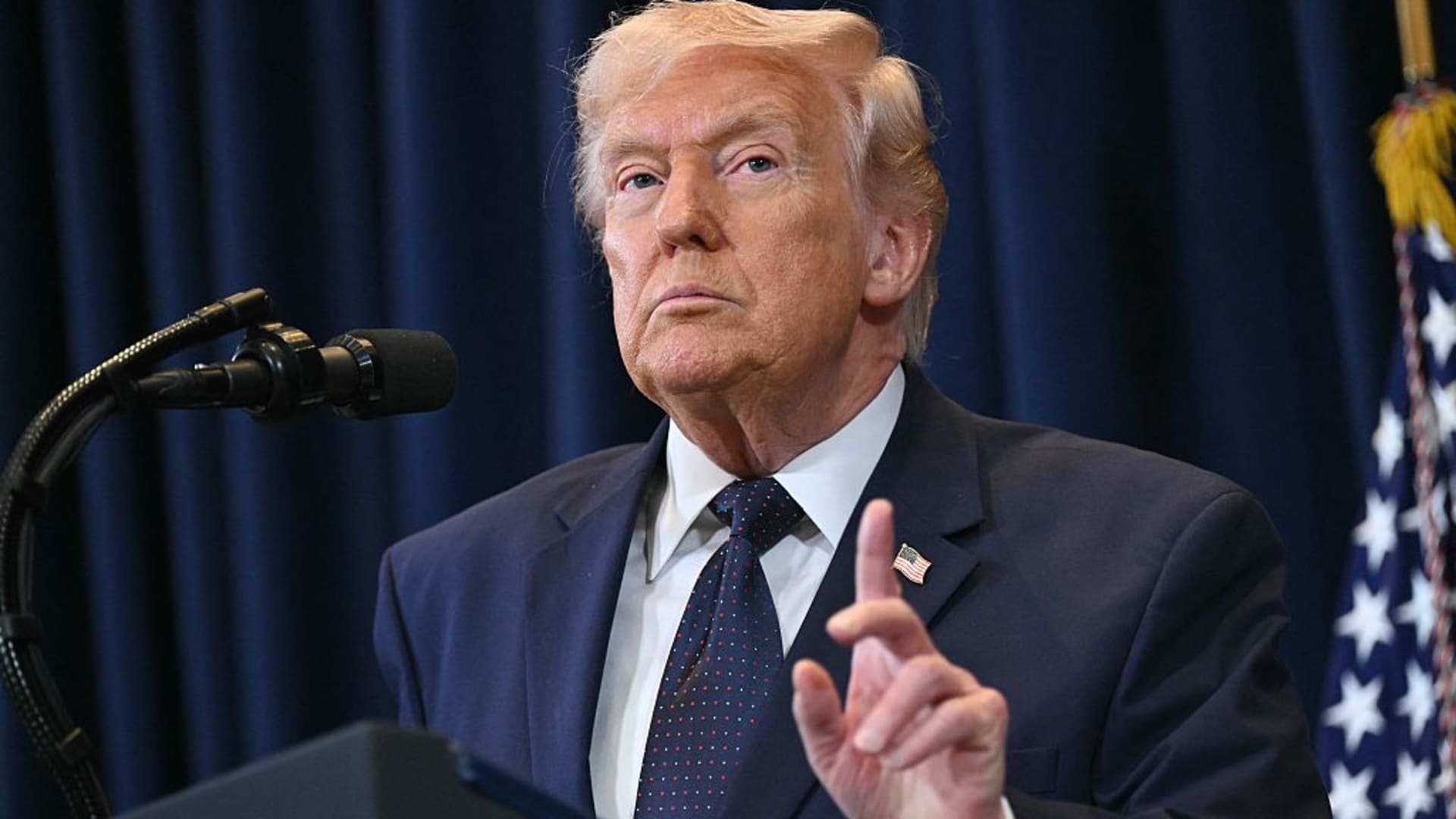
Trump Hints at Imminent End to U.S.-Iran War, Boosting Market Confidence


- Market Recovery: Following President Trump's indication that the U.S.-Iran war could soon end, the Dow Jones Industrial Average rose over 230 points, marking a more than 1,100-point rebound from session lows, reflecting a restoration of investor confidence.
- Oil Price Volatility: Despite the boost in market confidence from Trump's remarks, U.S. crude oil prices closed lower after surging above $100 per barrel, indicating ongoing concerns about the oil supply disruption.
- New Investment Opportunities: Billionaire investor Bill Ackman's hedge fund, Pershing Square, has filed to list on the New York Stock Exchange, with $2.8 billion in secured commitments expected, enhancing public confidence in its investment platform.
- Economic Outlook Warning: Rising oil prices and a weak jobs report have led economists to warn of potential stagflation in the U.S., with prediction markets showing recession odds rising above 34%, reflecting growing concerns about future economic growth.

Nvidia Reports Record Q4 Revenue of $68.13 Billion
- Significant Revenue Growth: Nvidia reported a record revenue of $68.13 billion for Q4 2023, marking a 73% increase year-over-year and surpassing the market consensus of $66 billion, indicating strong demand in AI and data center sectors that solidifies its market leadership.
- Earnings Beat Expectations: The company posted earnings per share of $1.62, exceeding analyst expectations of $1.53, reflecting sustained profitability that may attract more investor interest in its stock.
- Positive Market Reaction: Nvidia's shares rose 2.7% to close at $182.65 on Monday, indicating investor optimism regarding its financial performance, which could drive future investments and R&D initiatives.
- Competitor Dynamics: In contrast, Netflix shares fell 0.7% to $98.32, while Live Nation Entertainment shares gained 6.2% to $165.80, showcasing varied market reactions that may influence investors' asset allocation strategies.
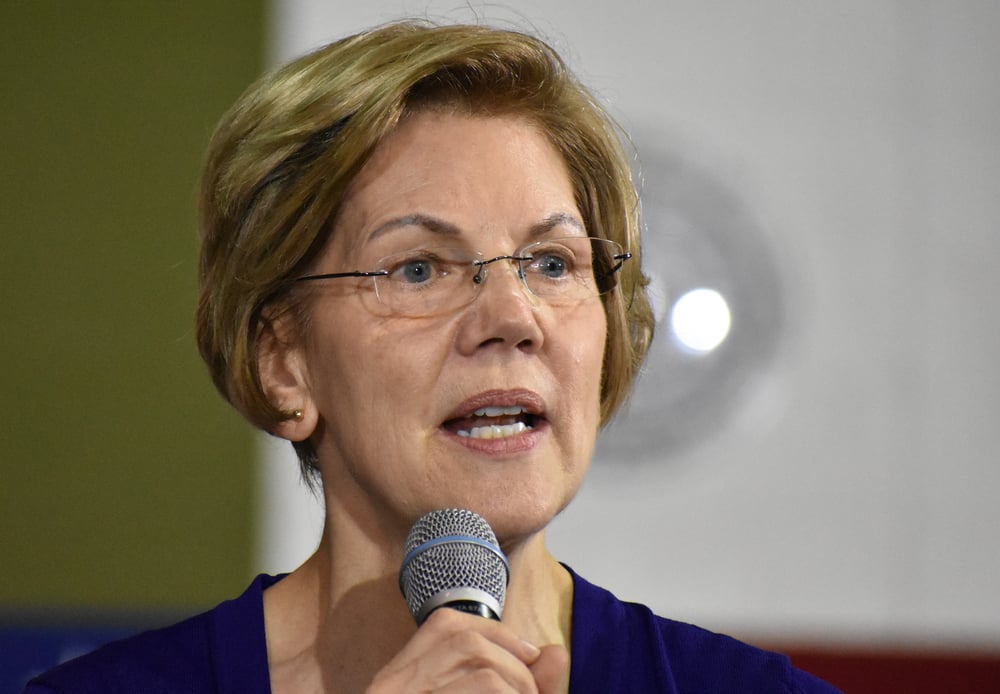
Warren Criticizes DOJ Settlement with Live Nation
- Settlement Controversy: Warren criticized the DOJ's settlement with Live Nation, arguing that it fails to address abusive practices in the ticketing market, particularly allowing Live Nation to continue operating alongside Ticketmaster, which does not effectively combat market monopolization.
- Insufficient Penalty: Warren highlighted that the financial penalty in the settlement is less than 1% of Live Nation's $6.31 billion revenue last year, allowing the company to continue imposing a 15% 'Ticketmaster Tax,' which harms consumer interests.
- Market Dominance: The settlement requires Ticketmaster to open its ticketing system to competitors like SeatGeek and StubHub and to sell up to 13 amphitheaters, but critics argue these measures do not effectively weaken Live Nation's dominant position in the live entertainment ecosystem.
- Stock Performance: Despite the criticism, Live Nation's shares rose 6.19% on Monday, closing at $165.80, indicating a strong price trend in the short term, although its valuation ranking remains weak.
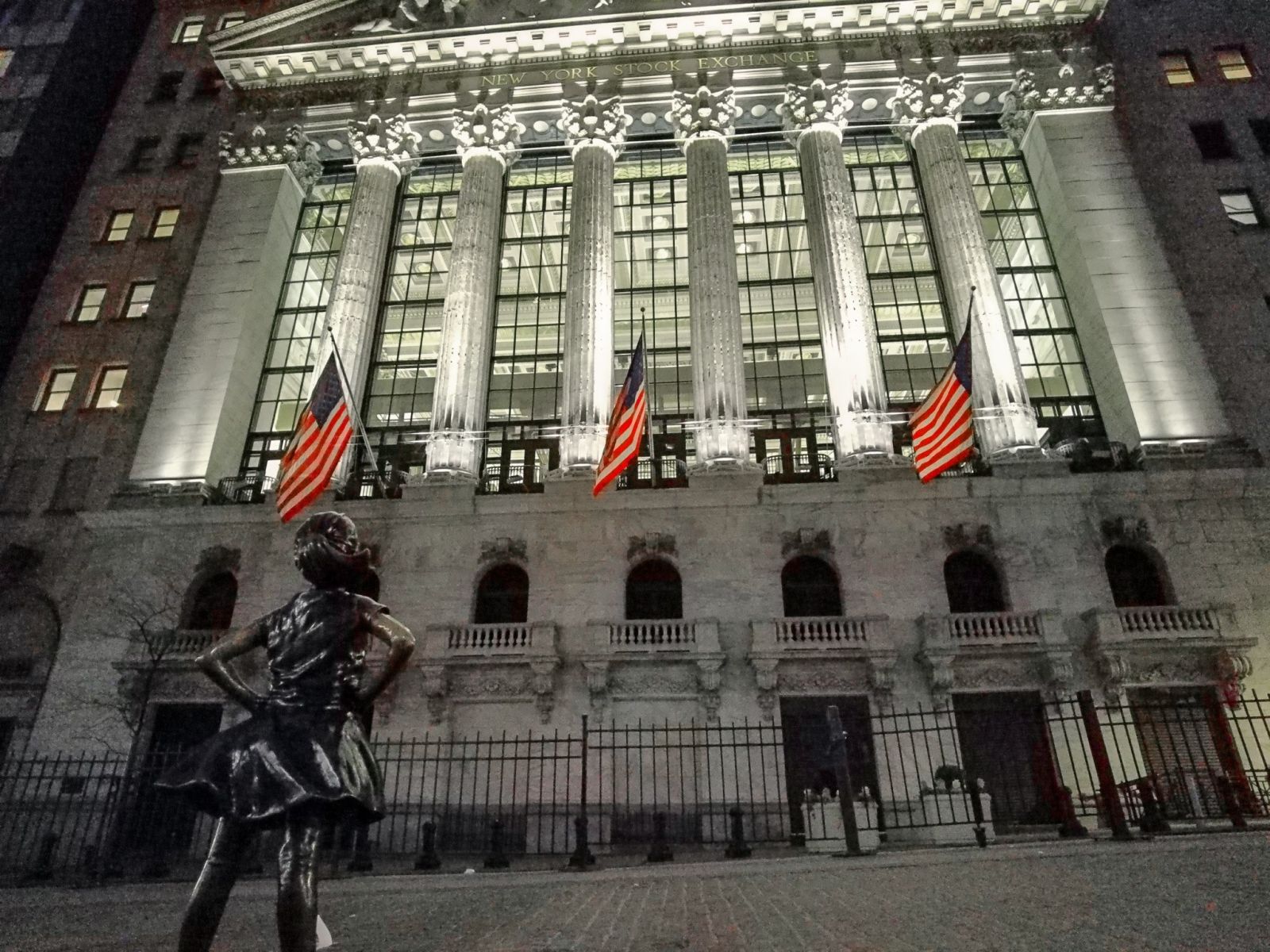
U.S. Stocks Close Higher Amid Oil Price Volatility


- Oil Price Impact: Oil prices spiked above $100 per barrel on Monday, causing early declines in stocks, but the market rebounded quickly after President Trump indicated the war might be nearing its end, with the S&P 500 closing up 0.71%, reflecting investor optimism about future developments.
- Economic Concerns: Despite the stock market recovery, last Friday's economic data raised concerns, with U.S. February payrolls falling by 92,000 and January retail sales declining by 0.2% month-over-month, potentially undermining confidence in economic recovery.
- Strong Earnings Performance: Over 95% of S&P 500 companies have reported earnings, with 74% exceeding expectations, and Q4 earnings growth is projected at 8.4%, providing support for the stock market and demonstrating corporate resilience amid economic uncertainties.
- Airline Stocks Rally: Following Trump's comments suggesting the Iran war might end soon, airline stocks such as United Airlines, Delta Air Lines, and American Airlines rose over 2%, indicating market expectations for a recovery in the airline industry.

U.S. Justice Department Reaches Settlement with Live Nation

- Settlement Agreement: The U.S. Justice Department and Live Nation reached a tentative settlement allowing the company to retain ownership of Ticketmaster, concluding allegations of monopolistic behavior, although the agreement fell short of some competitors' expectations for a comprehensive overhaul.
- Exclusive Contract Restrictions: The settlement imposes limitations on Ticketmaster's ability to use exclusive ticketing contracts at venues it controls, aiming to foster competition from other ticketing companies, while still permitting exclusive agreements with other venues.
- Fee Cap Implementation: The agreement establishes a 15% cap on ancillary ticketing fees that Live Nation can charge at its venues and includes a $280 million settlement fund to reimburse allegedly harmed consumers, reflecting a commitment to consumer interests.
- Market Reaction: While the settlement is viewed as favorable for Live Nation, critics argue it fails to effectively address the company's market dominance, potentially leaving consumers to continue facing high ticketing costs.
SENIOR JUSTICE OFFICIAL ANNOUNCES LIVE NATION'S PLANS TO SELL APPROXIMATELY 13 AMPHITHEATERS
Live Nation's Performance: Live Nation is experiencing a significant increase in activity, with a reported dive in attendance rates reaching about 13% at theaters.
Senior Justice Official's Statement: A senior justice official has commented on the current state of the entertainment industry, highlighting the challenges faced by venues and performers.
Trump Hints at Imminent End to U.S.-Iran War, Boosting Market Confidence
- Market Recovery: Following President Trump's indication that the U.S.-Iran war could soon end, the Dow Jones Industrial Average rose over 230 points, marking a more than 1,100-point rebound from session lows, reflecting a restoration of investor confidence.
- Oil Price Volatility: Despite the boost in market confidence from Trump's remarks, U.S. crude oil prices closed lower after surging above $100 per barrel, indicating ongoing concerns about the oil supply disruption.
- New Investment Opportunities: Billionaire investor Bill Ackman's hedge fund, Pershing Square, has filed to list on the New York Stock Exchange, with $2.8 billion in secured commitments expected, enhancing public confidence in its investment platform.
- Economic Outlook Warning: Rising oil prices and a weak jobs report have led economists to warn of potential stagflation in the U.S., with prediction markets showing recession odds rising above 34%, reflecting growing concerns about future economic growth.
Nvidia Reports Record Q4 Revenue of $68.13 Billion
- Significant Revenue Growth: Nvidia reported a record revenue of $68.13 billion for Q4 2023, marking a 73% increase year-over-year and surpassing the market consensus of $66 billion, indicating strong demand in AI and data center sectors that solidifies its market leadership.
- Earnings Beat Expectations: The company posted earnings per share of $1.62, exceeding analyst expectations of $1.53, reflecting sustained profitability that may attract more investor interest in its stock.
- Positive Market Reaction: Nvidia's shares rose 2.7% to close at $182.65 on Monday, indicating investor optimism regarding its financial performance, which could drive future investments and R&D initiatives.
- Competitor Dynamics: In contrast, Netflix shares fell 0.7% to $98.32, while Live Nation Entertainment shares gained 6.2% to $165.80, showcasing varied market reactions that may influence investors' asset allocation strategies.
Warren Criticizes DOJ Settlement with Live Nation
- Settlement Controversy: Warren criticized the DOJ's settlement with Live Nation, arguing that it fails to address abusive practices in the ticketing market, particularly allowing Live Nation to continue operating alongside Ticketmaster, which does not effectively combat market monopolization.
- Insufficient Penalty: Warren highlighted that the financial penalty in the settlement is less than 1% of Live Nation's $6.31 billion revenue last year, allowing the company to continue imposing a 15% 'Ticketmaster Tax,' which harms consumer interests.
- Market Dominance: The settlement requires Ticketmaster to open its ticketing system to competitors like SeatGeek and StubHub and to sell up to 13 amphitheaters, but critics argue these measures do not effectively weaken Live Nation's dominant position in the live entertainment ecosystem.
- Stock Performance: Despite the criticism, Live Nation's shares rose 6.19% on Monday, closing at $165.80, indicating a strong price trend in the short term, although its valuation ranking remains weak.
U.S. Stocks Close Higher Amid Oil Price Volatility
- Oil Price Impact: Oil prices spiked above $100 per barrel on Monday, causing early declines in stocks, but the market rebounded quickly after President Trump indicated the war might be nearing its end, with the S&P 500 closing up 0.71%, reflecting investor optimism about future developments.
- Economic Concerns: Despite the stock market recovery, last Friday's economic data raised concerns, with U.S. February payrolls falling by 92,000 and January retail sales declining by 0.2% month-over-month, potentially undermining confidence in economic recovery.
- Strong Earnings Performance: Over 95% of S&P 500 companies have reported earnings, with 74% exceeding expectations, and Q4 earnings growth is projected at 8.4%, providing support for the stock market and demonstrating corporate resilience amid economic uncertainties.
- Airline Stocks Rally: Following Trump's comments suggesting the Iran war might end soon, airline stocks such as United Airlines, Delta Air Lines, and American Airlines rose over 2%, indicating market expectations for a recovery in the airline industry.
U.S. Justice Department Reaches Settlement with Live Nation
- Settlement Agreement: The U.S. Justice Department and Live Nation reached a tentative settlement allowing the company to retain ownership of Ticketmaster, concluding allegations of monopolistic behavior, although the agreement fell short of some competitors' expectations for a comprehensive overhaul.
- Exclusive Contract Restrictions: The settlement imposes limitations on Ticketmaster's ability to use exclusive ticketing contracts at venues it controls, aiming to foster competition from other ticketing companies, while still permitting exclusive agreements with other venues.
- Fee Cap Implementation: The agreement establishes a 15% cap on ancillary ticketing fees that Live Nation can charge at its venues and includes a $280 million settlement fund to reimburse allegedly harmed consumers, reflecting a commitment to consumer interests.
- Market Reaction: While the settlement is viewed as favorable for Live Nation, critics argue it fails to effectively address the company's market dominance, potentially leaving consumers to continue facing high ticketing costs.