Kohl's Q4 Sales Miss Expectations Amid Competitive Challenges
Kohl's stock fell 3.11% and hit a 20-day low amid disappointing Q4 sales results.
Kohl's reported a 3.9% year-on-year decline in net sales for Q4, with comparable store sales down 2.8%, primarily due to reduced in-store transactions and the impact of winter storms in January. Analysts have lowered their price targets, with Dana Telsey from Telsey Advisory Group reiterating a Market Perform rating while cutting the target from $23 to $17, reflecting a cautious outlook on the company's future performance. This pessimistic sentiment is compounded by ongoing margin pressure and challenges in restoring profitability, raising concerns about Kohl's long-term growth potential.
The decline in sales and the cautious analyst outlook suggest that Kohl's faces significant hurdles in a competitive retail environment. The company must implement effective strategies to regain consumer confidence and improve its financial performance.
Trade with 70% Backtested Accuracy
Analyst Views on KSS

About KSS
About the author


Target Launches Baby Boutiques to Attract Family Customers


- Baby Boutique Rollout: Target has launched baby boutiques in approximately 200 stores, allowing customers to experience high-end brands like UPPAbaby firsthand, aiming to attract busy family customers and enhance market share.
- Market Share Challenges: Despite holding a 17.6% share in the baby products market, Target has seen a decline compared to Walmart's 27% and Amazon's 24.4%, indicating increased competitive pressure.
- Sales Growth Expectations: Target anticipates a year-over-year net sales increase of about 2% this year, with growth expected in every quarter, signaling efforts to reverse the sales slump experienced over the past four quarters.
- Strategic Investment Plan: Target plans to invest approximately $5 billion in capital expenditures this fiscal year to improve store experiences and product quality, aiming to enhance customer loyalty and address competitive challenges.
U.S. Opens Tariff Refund Portal Following Supreme Court Ruling
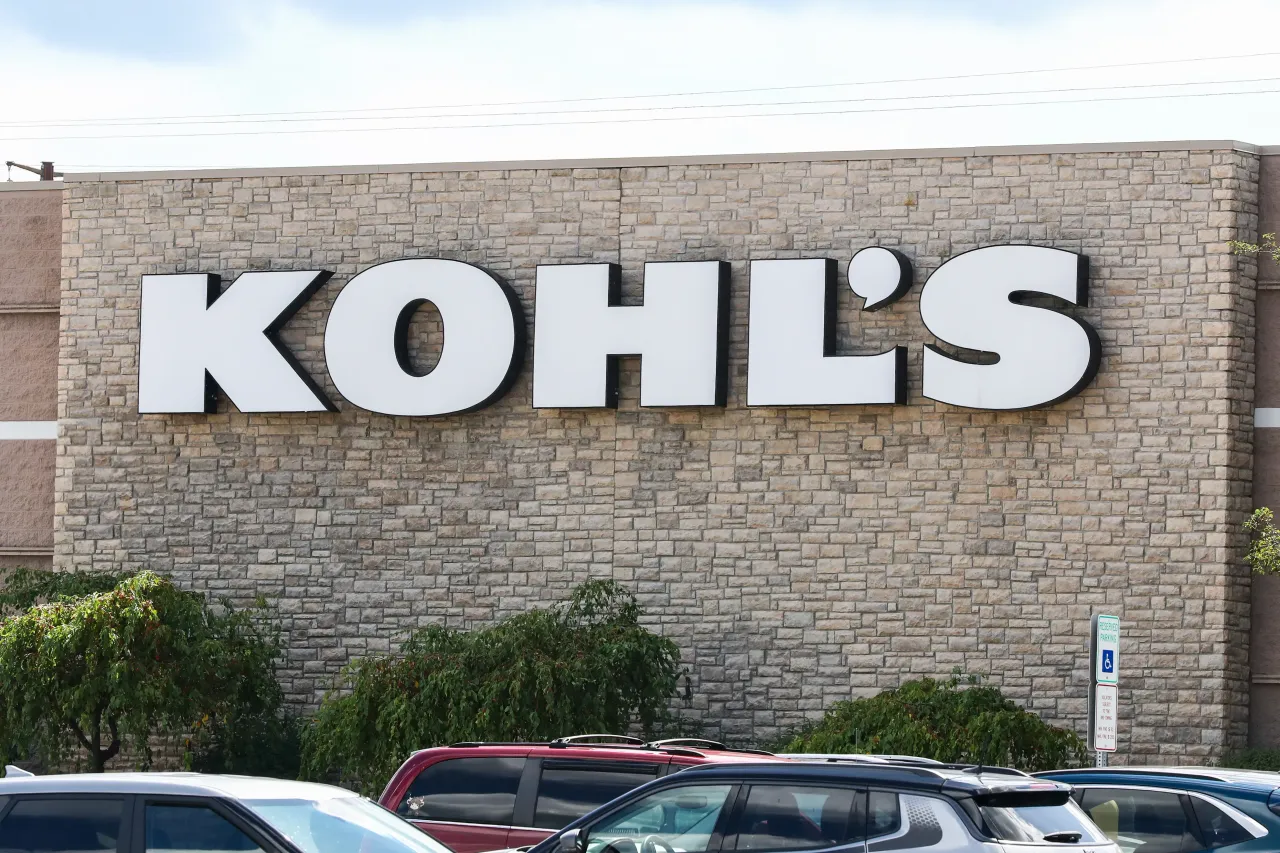
- Tariff Refund Application: The U.S. Customs and Border Protection launched a web portal on Monday for companies to claim refunds on tariffs imposed under the Trump administration, with Citi analysts estimating Kohl's Corp. could receive up to $550 million, significantly enhancing the company's cash flow and financial health.
- Stock Price Surge: Following the tariff refund news, Kohl's shares rose over 7% by Tuesday noon, positioning the stock for its best performance in two months, reflecting market optimism regarding the company's future profitability.
- Refund Processing Timeline: According to the government website, once refund claims are accepted, valid refunds will be issued within 60 to 90 days, providing Kohl's with much-needed financial support to maintain its competitive edge in the retail market.
- Market Reaction: Despite retail traders on Stocktwits maintaining a neutral sentiment, messaging volumes spiked 11 times, indicating investor interest in Kohl's future earnings potential, especially as the anticipated refund amount is equivalent to multiple years' worth of profits.
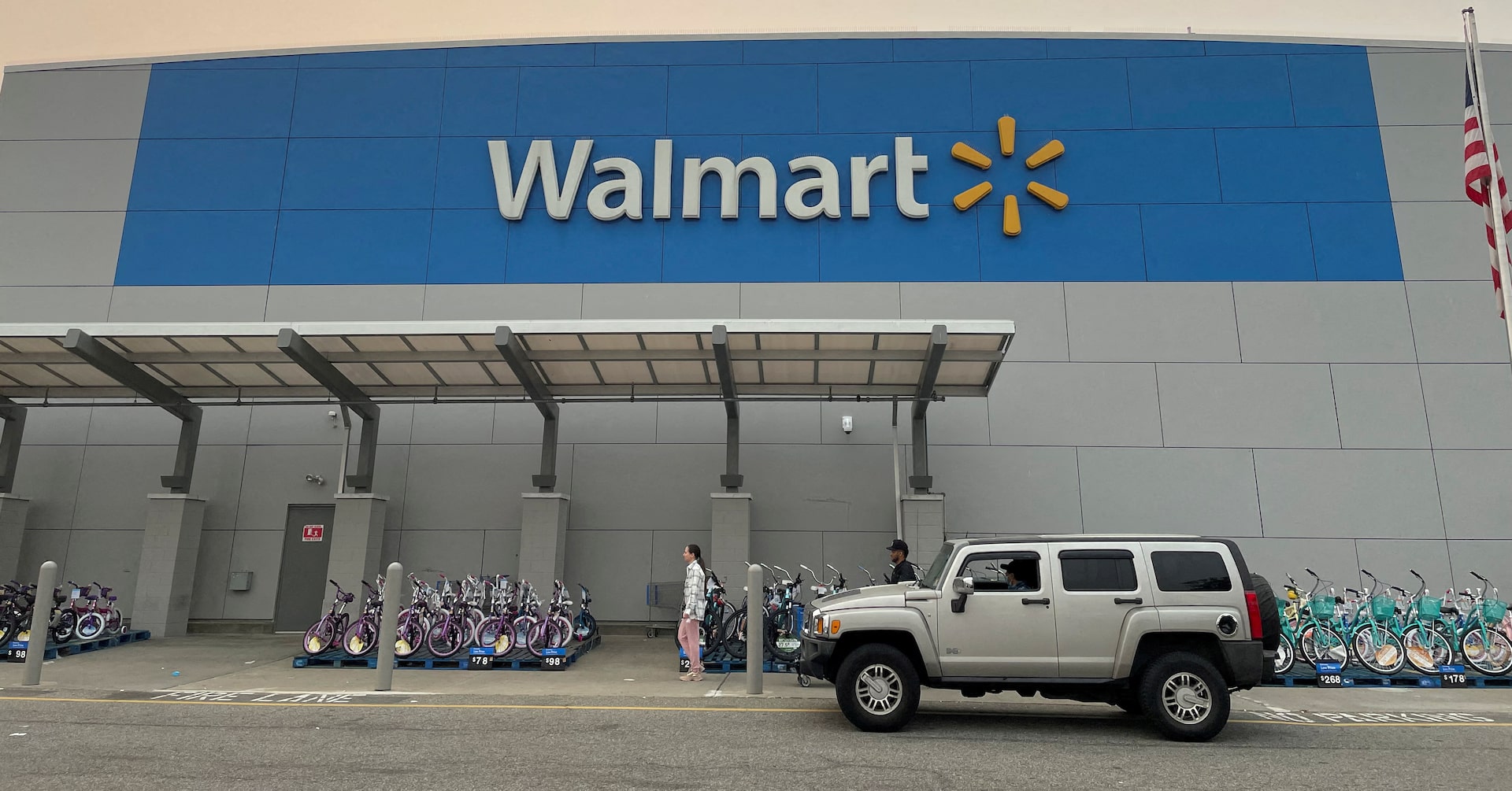
Major Refunds for U.S. Importers Following Supreme Court Ruling

- Massive Refunds: The Supreme Court's ruling mandates the federal government to refund approximately $166 billion in tariffs, which will significantly enhance the financial positions of blue-chip retailers heavily reliant on imports, potentially boosting their stock prices.
- Walmart's Major Benefit: Walmart is set to receive about $10.2 billion in refunds, a substantial amount that, while modest compared to its $713 billion revenue, will have a significant impact on its adjusted operating income of approximately $8.7 billion.
- Refunds for Other Retailers: Target is expected to receive $2.2 billion, Nike around $1 billion, and Kohl's and Home Depot are projected to get $550 million and $540 million respectively, providing these companies with a financial cushion for future growth.
- Legal Risks Ahead: While the refunds are positive news for retailers and their shareholders, the fact that many passed tariff costs onto consumers may lead to lawsuits, posing risks to their brand reputation and future profitability.
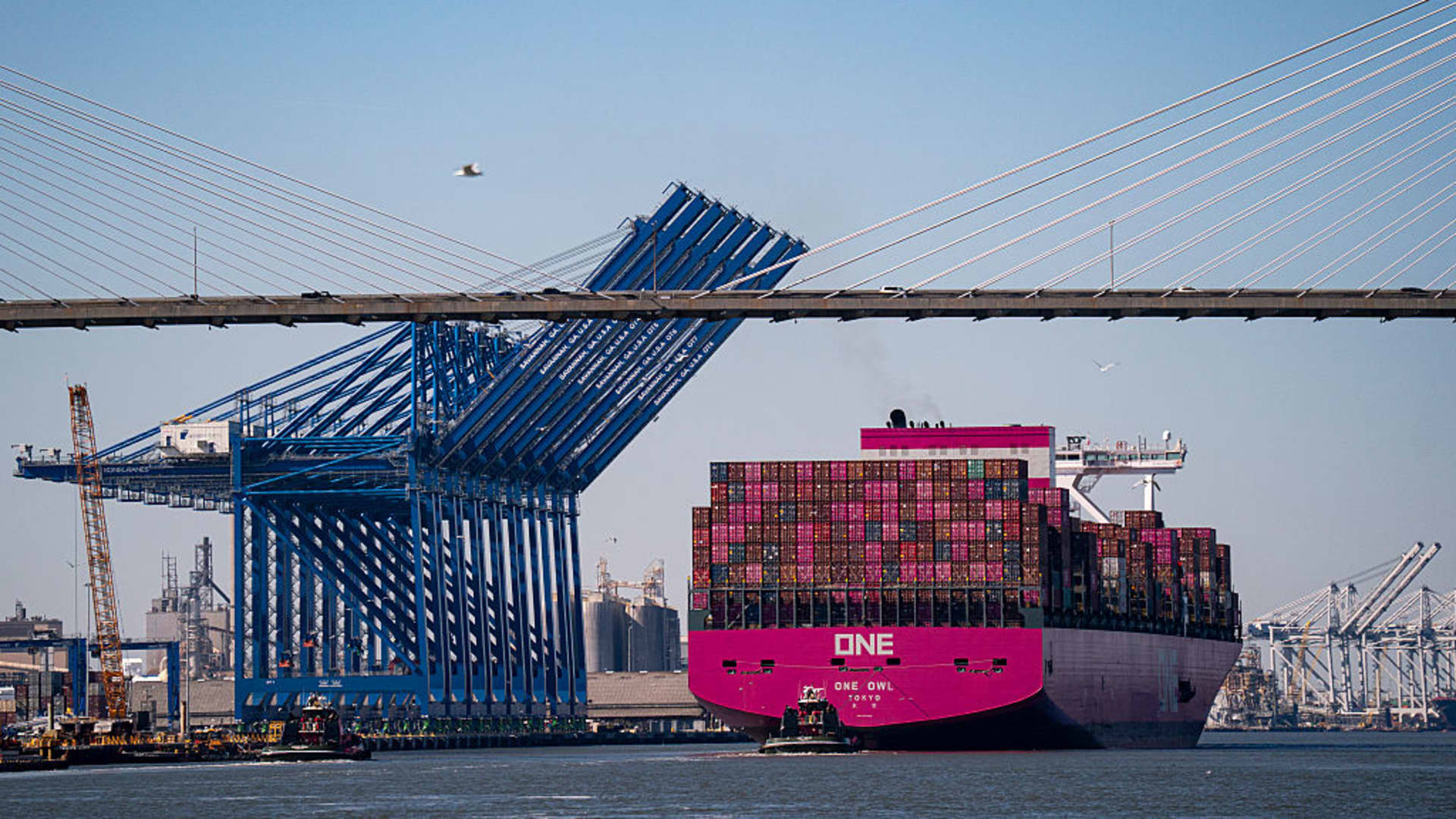
U.S. Importers Set to Claim $160 Billion in Tariff Refunds
- Total Tariff Refunds: U.S. importers, including Walmart and Target, are set to claim over $160 billion in tariff refunds following a Supreme Court ruling, although the refund process may encounter complex legal and bureaucratic hurdles.
- Claims Filing System Launch: The U.S. Customs and Border Protection will launch the CAPE claims filing portal on Monday, allowing importers to submit claims for refunds on tariffs imposed under the now-invalidated Trump administration authority, which is expected to streamline the refund process but still requires multiple validations.
- Retailer Refund Expectations: Analysts project Walmart will receive $10.2 billion in refunds, Target $2.2 billion, and Nike $1 billion, with these refunds potentially reflecting positively on future financial reports by improving profits and cash flow.
- Legal Risk Warning: While refunds could provide short-term financial benefits, trade lawyers caution that companies may face legal risks as many have passed tariff costs onto consumers, potentially leading to lawsuits from customers.

U.S. Tariff Refund Claims Portal Launches Amid Skepticism
- Tariff Refund Portal Launch: The U.S. Customs and Border Protection launched a tariff refund claims portal on Monday, expected to facilitate over $160 billion in refunds for importers, including Walmart, although analysts express skepticism about the speed of these refunds.
- Massive Refund Estimates: According to Citi's analysis, Walmart is projected to receive $10.2 billion, Target $2.2 billion, and Nike $1 billion in refunds, highlighting the significant financial impact on major retailers from the tariff refund process.
- Legal Vulnerability Concerns: Trade lawyers warn that while refunds could enhance company financials, the potential for lawsuits arises as many companies passed on tariff costs to consumers, increasing compliance risks and complicating the refund process.
- Uncertainty in Future Tariff Policies: Treasury Secretary indicated the possibility of reinstating tariffs through Section 301, raising concerns among importers about future tariff implications, especially as the current refund process remains uncertain and could affect market dynamics.
Wall Street's Optimistic Outlook on Stocks
- Kohl's Sales Decline: Kohl's (KSS) has experienced disappointing same-store sales over the past two years, with a projected 1.2% decline in sales over the next 12 months, indicating poor consumer response to its product selection and store experience, which may further erode its market share.
- Insufficient Profitability: With an operating margin of only 3.3%, Kohl's falls short of the industry average, and the lower profit levels hinder its ability to respond to unexpected market developments, increasing investment risks.
- TETRA Technologies Performance Drop: TETRA Technologies (TTI) has seen a 5.3% annual decline in sales over the past decade, reflecting unfavorable market trends, and its revenue base of $630.9 million indicates subscale operations that struggle to compete with larger rivals.
- LSI Growth Potential: LSI (LYTS) has achieved an impressive 16.1% annual revenue growth over the past five years, with a 45% increase in earnings per share, showcasing its competitive edge and profitability, while its current stock price of $19.40 suggests a 57.3% upside potential.
Target Launches Baby Boutiques to Attract Family Customers
- Baby Boutique Rollout: Target has launched baby boutiques in approximately 200 stores, allowing customers to experience high-end brands like UPPAbaby firsthand, aiming to attract busy family customers and enhance market share.
- Market Share Challenges: Despite holding a 17.6% share in the baby products market, Target has seen a decline compared to Walmart's 27% and Amazon's 24.4%, indicating increased competitive pressure.
- Sales Growth Expectations: Target anticipates a year-over-year net sales increase of about 2% this year, with growth expected in every quarter, signaling efforts to reverse the sales slump experienced over the past four quarters.
- Strategic Investment Plan: Target plans to invest approximately $5 billion in capital expenditures this fiscal year to improve store experiences and product quality, aiming to enhance customer loyalty and address competitive challenges.
U.S. Opens Tariff Refund Portal Following Supreme Court Ruling
- Tariff Refund Application: The U.S. Customs and Border Protection launched a web portal on Monday for companies to claim refunds on tariffs imposed under the Trump administration, with Citi analysts estimating Kohl's Corp. could receive up to $550 million, significantly enhancing the company's cash flow and financial health.
- Stock Price Surge: Following the tariff refund news, Kohl's shares rose over 7% by Tuesday noon, positioning the stock for its best performance in two months, reflecting market optimism regarding the company's future profitability.
- Refund Processing Timeline: According to the government website, once refund claims are accepted, valid refunds will be issued within 60 to 90 days, providing Kohl's with much-needed financial support to maintain its competitive edge in the retail market.
- Market Reaction: Despite retail traders on Stocktwits maintaining a neutral sentiment, messaging volumes spiked 11 times, indicating investor interest in Kohl's future earnings potential, especially as the anticipated refund amount is equivalent to multiple years' worth of profits.
Major Refunds for U.S. Importers Following Supreme Court Ruling
- Massive Refunds: The Supreme Court's ruling mandates the federal government to refund approximately $166 billion in tariffs, which will significantly enhance the financial positions of blue-chip retailers heavily reliant on imports, potentially boosting their stock prices.
- Walmart's Major Benefit: Walmart is set to receive about $10.2 billion in refunds, a substantial amount that, while modest compared to its $713 billion revenue, will have a significant impact on its adjusted operating income of approximately $8.7 billion.
- Refunds for Other Retailers: Target is expected to receive $2.2 billion, Nike around $1 billion, and Kohl's and Home Depot are projected to get $550 million and $540 million respectively, providing these companies with a financial cushion for future growth.
- Legal Risks Ahead: While the refunds are positive news for retailers and their shareholders, the fact that many passed tariff costs onto consumers may lead to lawsuits, posing risks to their brand reputation and future profitability.
U.S. Importers Set to Claim $160 Billion in Tariff Refunds
- Total Tariff Refunds: U.S. importers, including Walmart and Target, are set to claim over $160 billion in tariff refunds following a Supreme Court ruling, although the refund process may encounter complex legal and bureaucratic hurdles.
- Claims Filing System Launch: The U.S. Customs and Border Protection will launch the CAPE claims filing portal on Monday, allowing importers to submit claims for refunds on tariffs imposed under the now-invalidated Trump administration authority, which is expected to streamline the refund process but still requires multiple validations.
- Retailer Refund Expectations: Analysts project Walmart will receive $10.2 billion in refunds, Target $2.2 billion, and Nike $1 billion, with these refunds potentially reflecting positively on future financial reports by improving profits and cash flow.
- Legal Risk Warning: While refunds could provide short-term financial benefits, trade lawyers caution that companies may face legal risks as many have passed tariff costs onto consumers, potentially leading to lawsuits from customers.
U.S. Tariff Refund Claims Portal Launches Amid Skepticism
- Tariff Refund Portal Launch: The U.S. Customs and Border Protection launched a tariff refund claims portal on Monday, expected to facilitate over $160 billion in refunds for importers, including Walmart, although analysts express skepticism about the speed of these refunds.
- Massive Refund Estimates: According to Citi's analysis, Walmart is projected to receive $10.2 billion, Target $2.2 billion, and Nike $1 billion in refunds, highlighting the significant financial impact on major retailers from the tariff refund process.
- Legal Vulnerability Concerns: Trade lawyers warn that while refunds could enhance company financials, the potential for lawsuits arises as many companies passed on tariff costs to consumers, increasing compliance risks and complicating the refund process.
- Uncertainty in Future Tariff Policies: Treasury Secretary indicated the possibility of reinstating tariffs through Section 301, raising concerns among importers about future tariff implications, especially as the current refund process remains uncertain and could affect market dynamics.
Wall Street's Optimistic Outlook on Stocks
- Kohl's Sales Decline: Kohl's (KSS) has experienced disappointing same-store sales over the past two years, with a projected 1.2% decline in sales over the next 12 months, indicating poor consumer response to its product selection and store experience, which may further erode its market share.
- Insufficient Profitability: With an operating margin of only 3.3%, Kohl's falls short of the industry average, and the lower profit levels hinder its ability to respond to unexpected market developments, increasing investment risks.
- TETRA Technologies Performance Drop: TETRA Technologies (TTI) has seen a 5.3% annual decline in sales over the past decade, reflecting unfavorable market trends, and its revenue base of $630.9 million indicates subscale operations that struggle to compete with larger rivals.
- LSI Growth Potential: LSI (LYTS) has achieved an impressive 16.1% annual revenue growth over the past five years, with a 45% increase in earnings per share, showcasing its competitive edge and profitability, while its current stock price of $19.40 suggests a 57.3% upside potential.