JetBlue's Q1 Performance Shows Stability Amid Challenges
JetBlue Airways Corp's stock fell 8.13% as it crossed below the 5-day SMA, reflecting market pressures.
The company's management reported strong operational goals, aiming for break-even operating margins and positive free cash flow by 2027. They anticipate a revenue per available seat mile (RASM) growth of 3.5% while limiting cost per available seat mile (CASM) to between 1.0% and 3.0% for FY26. Additionally, JetBlue plans to expand its route network with new nonstop flights between Houston and New York starting May 21, despite challenges from recent weather disruptions.
This performance indicates JetBlue's commitment to cost control and operational efficiency, which may help stabilize its financial outlook in a challenging market environment.
Trade with 70% Backtested Accuracy
Analyst Views on JBLU

About JBLU
About the author

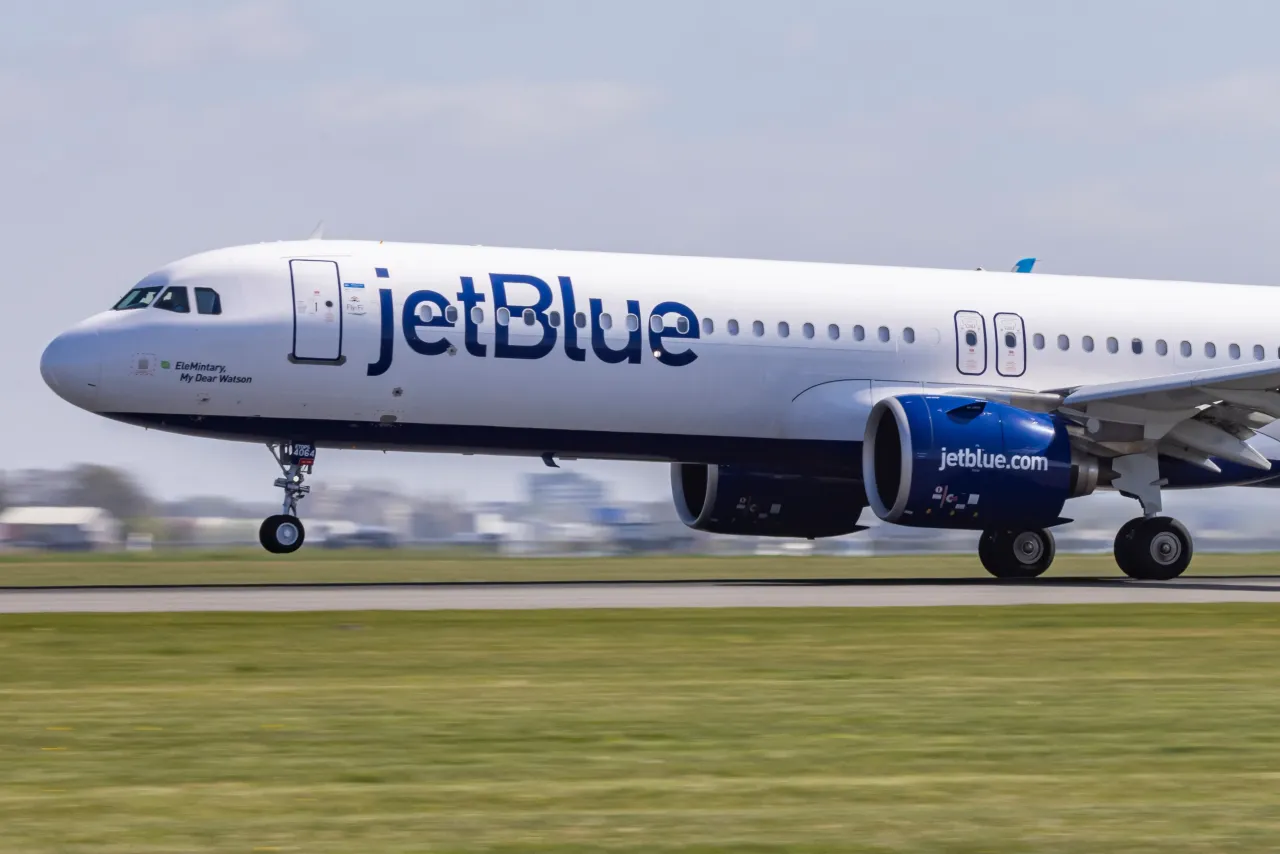
JetBlue Raises Bag Fees Amid Rising Fuel Costs
- Fee Increase: JetBlue Airways has announced an increase in bag fees as a response to rising operating costs, indicating a strategic adjustment to cope with escalating fuel prices.
- Surging Fuel Prices: As of last Friday, fuel prices in Chicago, Houston, Los Angeles, and New York averaged $4.57 per gallon, marking an almost 83% increase since the onset of the Iran war, significantly impacting airline operating costs.
- Cost Management Strategy: JetBlue stated that despite rising costs, it aims to keep base fares competitive while continuing to invest in customer experience, showcasing its commitment to adapting to market changes.
- Market Reaction Focus: With ongoing fuel price increases, investor and consumer reactions to JetBlue's pricing strategy and service quality will be closely monitored, potentially affecting its market share and customer loyalty.
JetBlue Raises Baggage Fees Amid Soaring Jet Fuel Prices
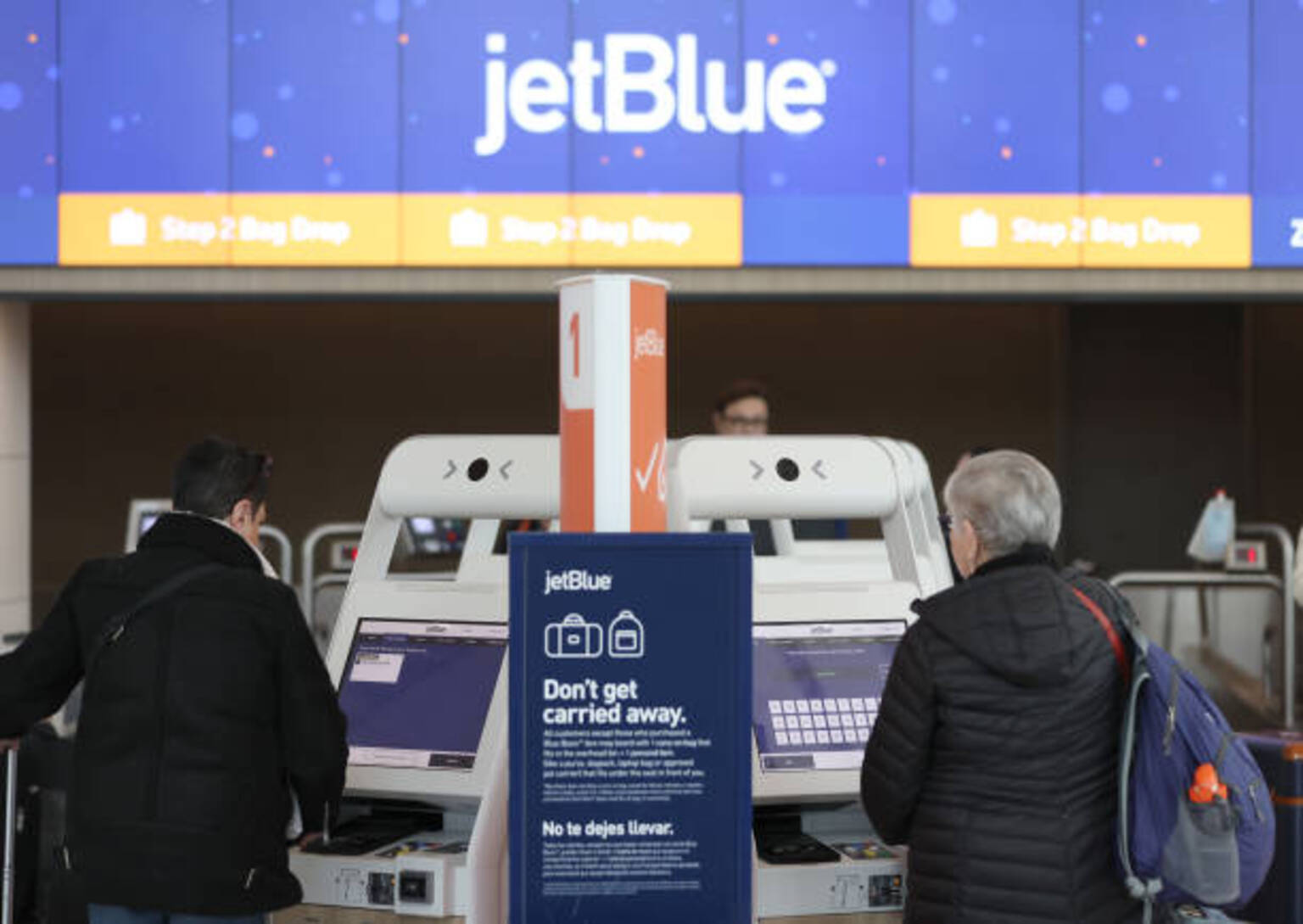
- Baggage Fee Increase: JetBlue has raised checked baggage fees for economy passengers from $35 to $39, with peak period charges reaching $49, as a response to soaring jet fuel prices driven by the war on Iran, directly impacting operational costs.
- Second Bag Charges Rise: The fee for checking a second bag has increased from $50 to $59, with peak charges hitting $69, which may further elevate travel costs for passengers and potentially affect customer choices and satisfaction.
- Last-Minute Baggage Surcharge: Passengers checking bags within 24 hours of departure will incur an additional $10 fee, aimed at encouraging early baggage arrangements, thereby optimizing operational efficiency for the airline.
- Fuel Cost Pressures: According to the International Air Transport Association, global average jet fuel prices have more than doubled compared to last month, making fuel costs the second-largest expense for airlines after labor, prompting JetBlue to adjust fees to maintain competitive pricing in a challenging market.

JetBlue Airways Increases Baggage Fees Amid Rising Fuel Costs
- Baggage Fee Increase: JetBlue Airways has announced an increase in checked baggage fees in response to soaring jet fuel prices due to the Iran conflict, indicating airlines are passing higher operational costs onto consumers.
- Global Fare Hike: Since the U.S. and Israel's attack on Iran on February 28, airfare has risen across global routes, showcasing the widespread impact of increasing fuel costs on the airline industry.
- Cost Management Strategy: JetBlue stated that despite rising operating costs, it regularly evaluates how to manage these expenses while keeping base fares competitive and continuing to invest in the customer experience.
- Uncertain Industry Outlook: As fuel prices rise, airlines are raising revenue guidance, yet the global travel industry faces potential losses of $11.7 trillion, putting passengers at risk amid the ongoing conflict.
TSA Wait Times Surge Amid Ongoing Government Shutdown

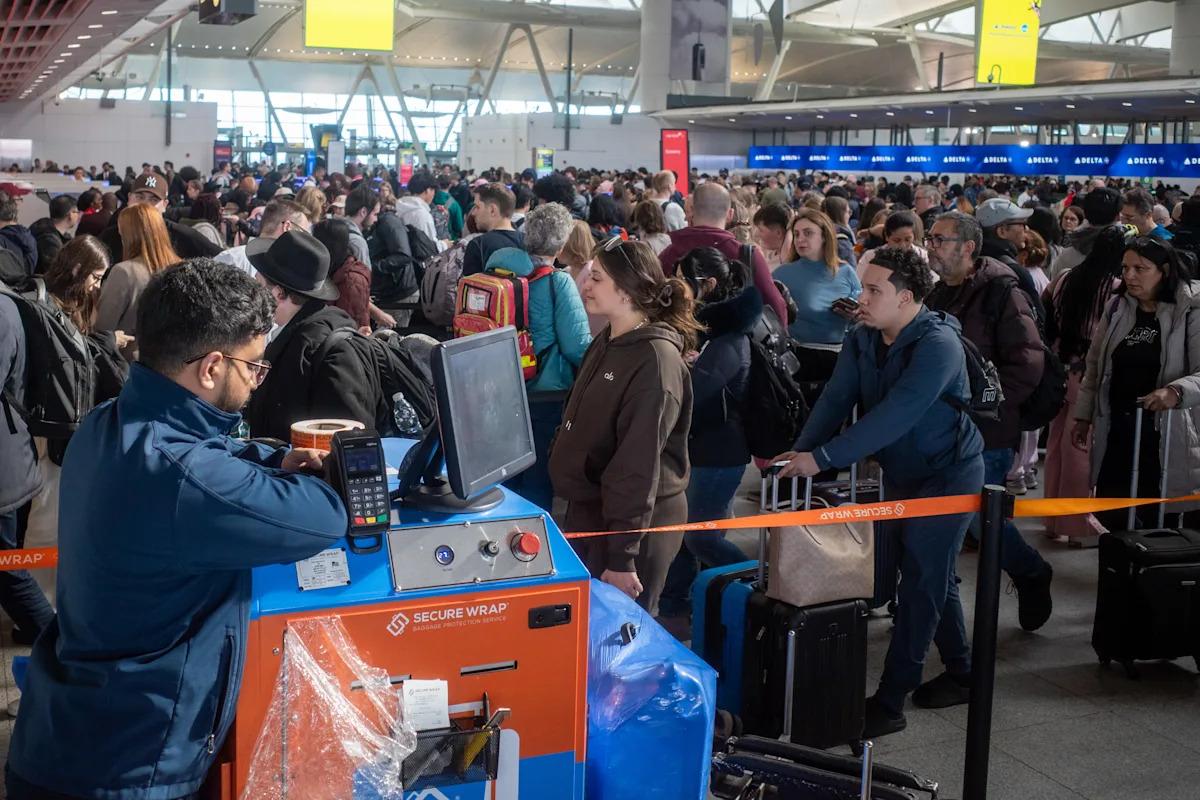
- Surge in Wait Times: The ongoing government shutdown, now exceeding 40 days, has resulted in TSA workers missing paychecks, leading to wait times exceeding 4.5 hours at some airports, causing passengers to miss flights and impacting airline operational efficiency.
- Severe Staffing Shortages: At Houston's George Bush Intercontinental Airport, absentee rates exceed 40%, while Hobby Airport reports 55%, significantly reducing TSA's screening efficiency and negatively affecting the travel experience for passengers.
- Airlines Unite in Demand: CEOs from major airlines including American Airlines and Delta have jointly written to Congress demanding an immediate end to the shutdown, stating that the situation of TSA workers not receiving paychecks is “unacceptable” and warning of increased costs from flight delays and passenger rebookings.
- Escalating Economic Impact: With fuel prices rising due to the US-Iran conflict, airlines face additional financial pressures, with Delta estimating a $400 million loss in March alone, compounding operational challenges within the industry.
Airlines Face High Fuel Prices and Security Crisis


- Fuel Price Surge Impacts Fares: Fuel prices at major U.S. airports have reached $3.98 per gallon, up nearly 60% since February 28, forcing airlines to raise ticket prices to cover rising costs, with airfare expected to increase by 20% this year.
- Strong Demand Persists: Despite rising fares, airlines like Delta and American Airlines report that demand remains robust, particularly for high-end leisure travel, indicating consumers' willingness to continue flying, which may encourage airlines to maintain flight schedules in the future.
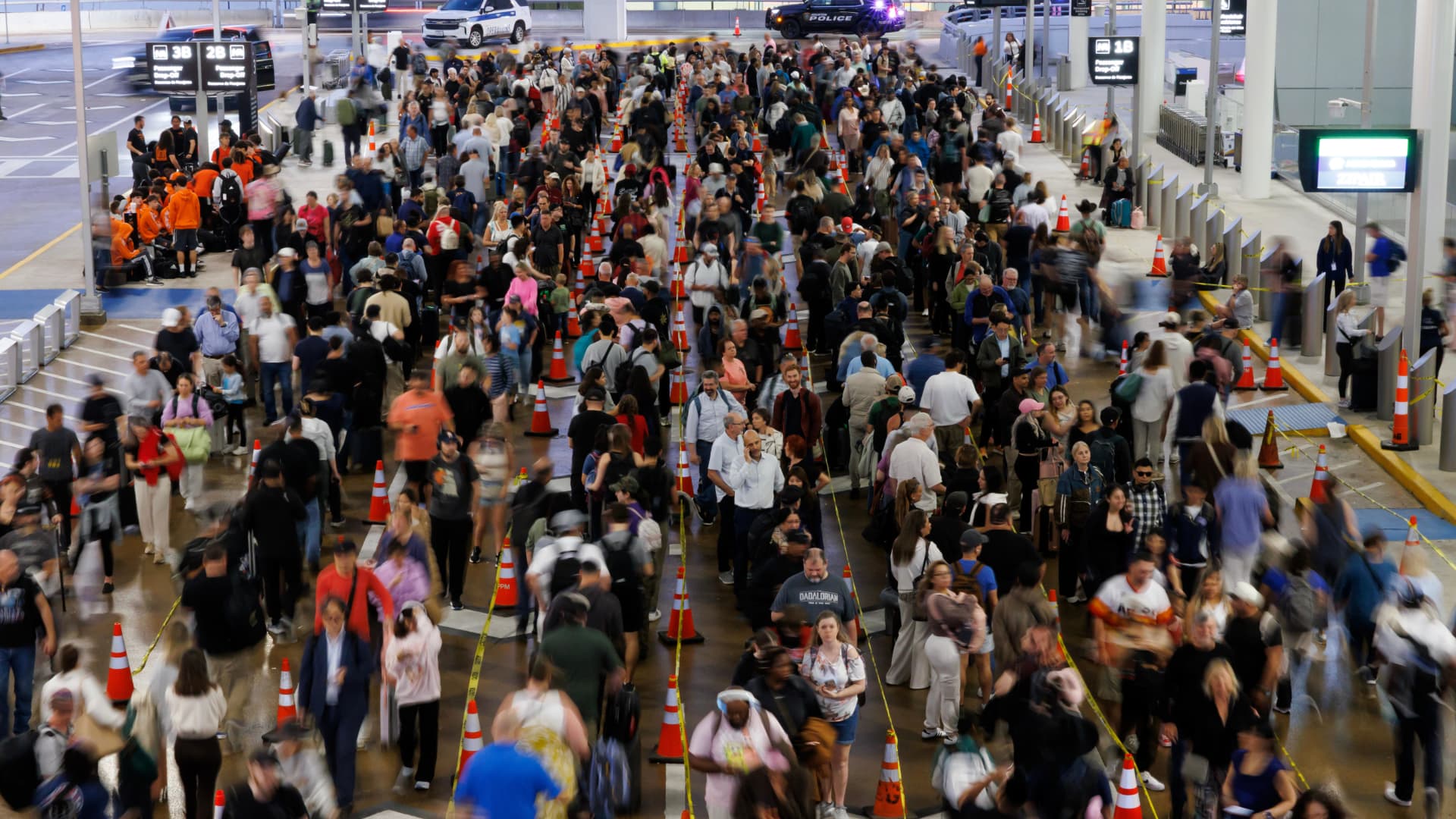
- Security Delays Worsen: An impasse in Congress over funding for the Department of Homeland Security has led to nearly 500 TSA officer resignations, resulting in security wait times exceeding three hours at major U.S. airports, negatively impacting traveler experiences and potentially reducing future travel willingness.
- Government Intervention Measures: President Trump has pledged to sign an order to ensure over 50,000 TSA officers are paid, yet the deployment of ICE officers may cause traveler unease, further affecting passenger throughput in the coming days.
How Delta and United Navigate Challenges in the Airline Industry


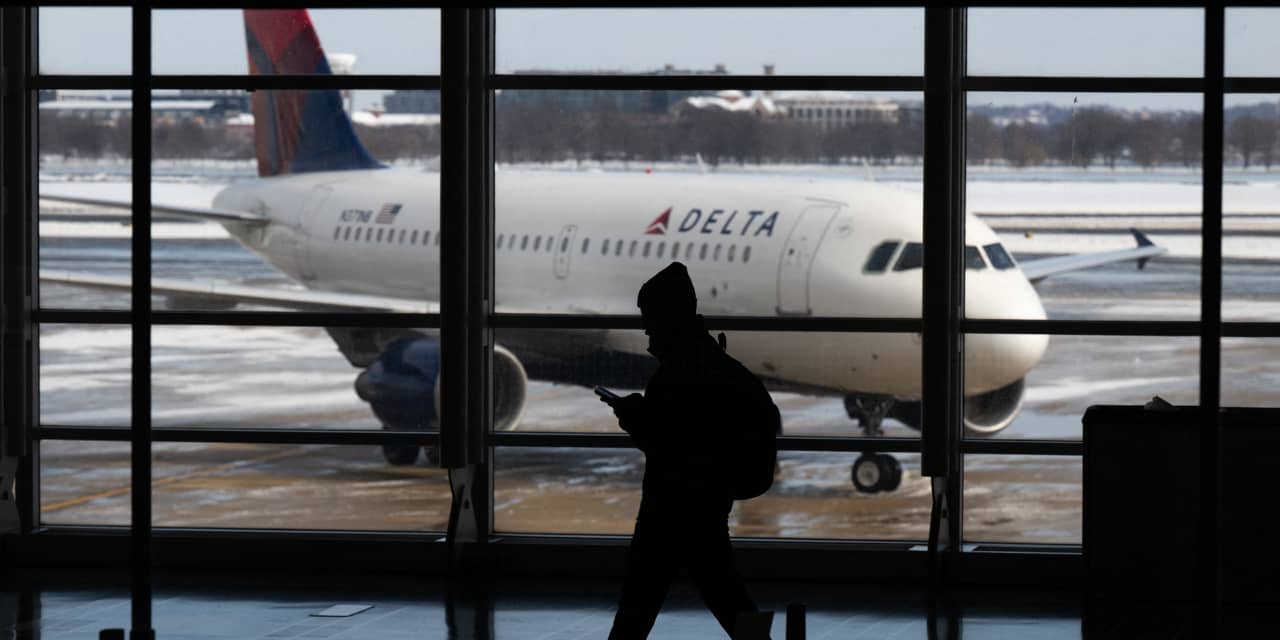
- Delta Air Lines Performance: Delta Air Lines shares are down only 3% for the year, outperforming the S&P 500 despite industry challenges.
- Jet Fuel Price Impact: The airline is facing a significant 62% increase in jet fuel prices since February, which typically affects profitability.
- Industry Profit Estimates: There has been a general reduction in profit estimates across the airline industry, yet Delta's stock remains relatively stable.
- Unusual Market Behavior: The current performance of Delta's stock is noted as unusual for the airline industry, which is typically more volatile.
JetBlue Raises Bag Fees Amid Rising Fuel Costs
- Fee Increase: JetBlue Airways has announced an increase in bag fees as a response to rising operating costs, indicating a strategic adjustment to cope with escalating fuel prices.
- Surging Fuel Prices: As of last Friday, fuel prices in Chicago, Houston, Los Angeles, and New York averaged $4.57 per gallon, marking an almost 83% increase since the onset of the Iran war, significantly impacting airline operating costs.
- Cost Management Strategy: JetBlue stated that despite rising costs, it aims to keep base fares competitive while continuing to invest in customer experience, showcasing its commitment to adapting to market changes.
- Market Reaction Focus: With ongoing fuel price increases, investor and consumer reactions to JetBlue's pricing strategy and service quality will be closely monitored, potentially affecting its market share and customer loyalty.
JetBlue Raises Baggage Fees Amid Soaring Jet Fuel Prices
- Baggage Fee Increase: JetBlue has raised checked baggage fees for economy passengers from $35 to $39, with peak period charges reaching $49, as a response to soaring jet fuel prices driven by the war on Iran, directly impacting operational costs.
- Second Bag Charges Rise: The fee for checking a second bag has increased from $50 to $59, with peak charges hitting $69, which may further elevate travel costs for passengers and potentially affect customer choices and satisfaction.
- Last-Minute Baggage Surcharge: Passengers checking bags within 24 hours of departure will incur an additional $10 fee, aimed at encouraging early baggage arrangements, thereby optimizing operational efficiency for the airline.
- Fuel Cost Pressures: According to the International Air Transport Association, global average jet fuel prices have more than doubled compared to last month, making fuel costs the second-largest expense for airlines after labor, prompting JetBlue to adjust fees to maintain competitive pricing in a challenging market.
JetBlue Airways Increases Baggage Fees Amid Rising Fuel Costs
- Baggage Fee Increase: JetBlue Airways has announced an increase in checked baggage fees in response to soaring jet fuel prices due to the Iran conflict, indicating airlines are passing higher operational costs onto consumers.
- Global Fare Hike: Since the U.S. and Israel's attack on Iran on February 28, airfare has risen across global routes, showcasing the widespread impact of increasing fuel costs on the airline industry.
- Cost Management Strategy: JetBlue stated that despite rising operating costs, it regularly evaluates how to manage these expenses while keeping base fares competitive and continuing to invest in the customer experience.
- Uncertain Industry Outlook: As fuel prices rise, airlines are raising revenue guidance, yet the global travel industry faces potential losses of $11.7 trillion, putting passengers at risk amid the ongoing conflict.
TSA Wait Times Surge Amid Ongoing Government Shutdown
- Surge in Wait Times: The ongoing government shutdown, now exceeding 40 days, has resulted in TSA workers missing paychecks, leading to wait times exceeding 4.5 hours at some airports, causing passengers to miss flights and impacting airline operational efficiency.
- Severe Staffing Shortages: At Houston's George Bush Intercontinental Airport, absentee rates exceed 40%, while Hobby Airport reports 55%, significantly reducing TSA's screening efficiency and negatively affecting the travel experience for passengers.
- Airlines Unite in Demand: CEOs from major airlines including American Airlines and Delta have jointly written to Congress demanding an immediate end to the shutdown, stating that the situation of TSA workers not receiving paychecks is “unacceptable” and warning of increased costs from flight delays and passenger rebookings.
- Escalating Economic Impact: With fuel prices rising due to the US-Iran conflict, airlines face additional financial pressures, with Delta estimating a $400 million loss in March alone, compounding operational challenges within the industry.
Airlines Face High Fuel Prices and Security Crisis
- Fuel Price Surge Impacts Fares: Fuel prices at major U.S. airports have reached $3.98 per gallon, up nearly 60% since February 28, forcing airlines to raise ticket prices to cover rising costs, with airfare expected to increase by 20% this year.
- Strong Demand Persists: Despite rising fares, airlines like Delta and American Airlines report that demand remains robust, particularly for high-end leisure travel, indicating consumers' willingness to continue flying, which may encourage airlines to maintain flight schedules in the future.
- Security Delays Worsen: An impasse in Congress over funding for the Department of Homeland Security has led to nearly 500 TSA officer resignations, resulting in security wait times exceeding three hours at major U.S. airports, negatively impacting traveler experiences and potentially reducing future travel willingness.
- Government Intervention Measures: President Trump has pledged to sign an order to ensure over 50,000 TSA officers are paid, yet the deployment of ICE officers may cause traveler unease, further affecting passenger throughput in the coming days.
How Delta and United Navigate Challenges in the Airline Industry
- Delta Air Lines Performance: Delta Air Lines shares are down only 3% for the year, outperforming the S&P 500 despite industry challenges.
- Jet Fuel Price Impact: The airline is facing a significant 62% increase in jet fuel prices since February, which typically affects profitability.
- Industry Profit Estimates: There has been a general reduction in profit estimates across the airline industry, yet Delta's stock remains relatively stable.
- Unusual Market Behavior: The current performance of Delta's stock is noted as unusual for the airline industry, which is typically more volatile.