Investigation into Capital One for Potential Securities Law Violations

Capital One Financial Corp's stock fell by 3.08% as it hit a 20-day low, reflecting ongoing concerns about the company's financial health.
The decline follows an investigation by Edelson Lechtzin LLP into potential violations of federal securities laws, which includes allegations of misleading business information to investors. Additionally, Capital One's recent Q4 2025 earnings report revealed a miss on analysts' expectations, reporting earnings of $3.86 per share against an expected $4.14, raising further concerns about its profitability and future performance.
This investigation and the disappointing earnings report could undermine investor confidence and the company's reputation, leading to increased scrutiny and potential legal implications.
Trade with 70% Backtested Accuracy
Analyst Views on COF

About COF
About the author

Capital One Sues Operators of Scam Campaigns for Trademark Infringement

- Trademark Infringement Lawsuit: Capital One filed a lawsuit in the U.S. District Court for the Eastern District of Virginia against ten unidentified defendants, accusing them of using automated robocalls and telemarketing campaigns that infringe on its trademarks, misleading consumers and damaging the company's reputation and customer trust.
- Surge in Scam Calls: According to 2025 data from the Federal Trade Commission, imposter scams received over 1 million complaints last year, resulting in losses exceeding $3.5 billion, highlighting the prevalence and serious threat of such fraud, with Capital One's lawsuit aiming to combat this alarming trend through legal action.
- Strategic Legal Action: The vice president of Capital One stated that the lawsuit seeks not only damages but also aims to expose and deter bad actors, attempting to disrupt their infrastructure and protect consumers and the company's interests through legal means.
- Industry Collaboration Initiative: The Global Anti-Scam Alliance encourages more companies to take legal action against scammers, with Capital One as a member, demonstrating its commitment to fostering collaboration and legal initiatives within the industry to tackle the increasingly complex issue of fraud.
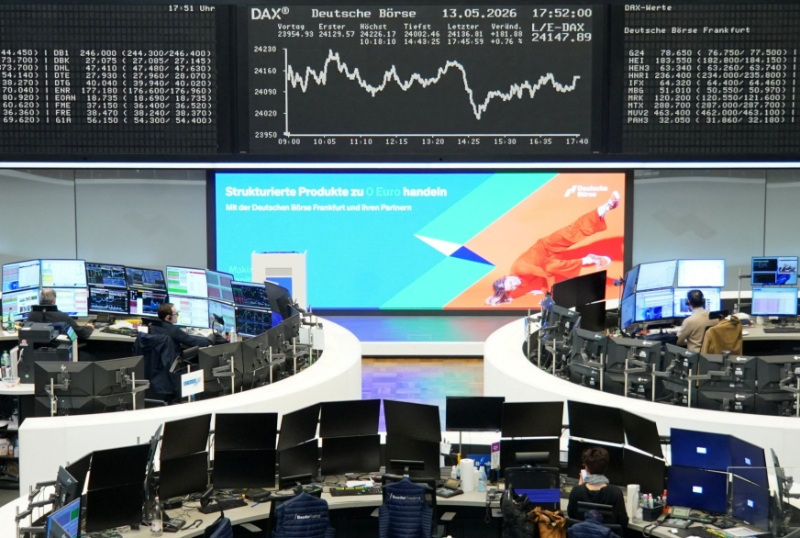
Market Outlook: Inflation Pressures and Tech Stock Dynamics

- Inflation Data Surprises: April's Consumer Price Index (CPI) rose 3.8% year-over-year, exceeding the 3.7% expectation, while core CPI also slightly surpassed forecasts at 2.8%, putting pressure on Fed rate cut hopes and potentially affecting market sentiment.
- Nvidia's Earnings Outlook Positive: Despite Nvidia's stock hitting a record high with a 16% gain over the past month, analysts maintain a bullish stance, believing the stock, trading at under 20 times 2028 earnings estimates, is worth buying, with price targets raised from $265 to $315.
- AMD and Super Micro Price Target Increases: Mizuho raised AMD's price target from $414 to $515, citing agentic AI driving server demand, while Super Micro's target was increased to $36 due to strong AI server demand, although concerns linger about the company's ties to China.
- Qnity Electronics Strong Performance: Qnity Electronics reported better-than-expected earnings with a 17% organic sales growth driven by the AI boom, leading to a more than 3% stock increase, indicating strong market demand and future growth potential.

Pharmaceutical Stocks Rise Amid Hantavirus Outbreak


- Pharmaceutical Stocks Rise: Pharmaceutical stocks are climbing amid the recent hantavirus outbreak, although officials state that the public health risk is low, indicating strong market confidence in the pharmaceutical sector, which may drive stock prices higher for related companies.
- Oil Price Fluctuations: Oil futures rose overnight following Trump's rejection of Iran's peace proposal, as investors worry that prolonged conflict will further strain crude supply, potentially leading to instability in the energy market and impacting the profitability of related firms.
- Google Stock Surge: Alphabet's stock has climbed over 160% in the past 12 months, making it the best-performing trillion-dollar U.S. tech company, reflecting strong market confidence in its artificial intelligence capabilities, which may attract more investor interest.
- Target's New Strategy: Target has rolled out
Pharmaceutical Stocks Rise Amid Hantavirus Outbreak
- Pharmaceutical Stocks Rise: Pharmaceutical stocks are climbing due to the recent hantavirus outbreak, although officials state that the public health risk is low, indicating increased market confidence in the pharmaceutical sector, which may drive stock prices higher.
- Oil Price Fluctuations: Oil prices rose overnight following Trump's rejection of Iran's peace proposal, as investors worry that prolonged conflict will further strain crude supply, potentially leading to instability in the energy market and affecting operational costs for related companies.
- Tech Stock Performance: Alphabet's stock has surged over 160% in the past 12 months, making it the best-performing trillion-dollar U.S. tech company, reflecting strong market confidence in its artificial intelligence capabilities, which may attract more investor interest in its future growth.
- Retail Strategy Adjustment: Target has opened

Capital One's Earnings Report Highlights Increasing Consumer Strain

- Earnings Miss: Capital One reported Q1 revenue of $15.2 billion and an adjusted EPS of $4.42, down 2% year-over-year and missing analyst expectations of $15.4 billion and $4.55, indicating increasing financial strain on consumers.
- Rising Loan Loss Provisions: The company's loan-loss provision surged to $4.07 billion, exceeding estimates of $3.77 billion and significantly up from $2.37 billion a year ago, highlighting escalating bad debt risks that could impact future profitability.
- Increasing Delinquency Rates: TransUnion reported that the percentage of credit card holders 90 days late on payments rose to 2.53%, nearing a two-year high, reflecting consumer vulnerability amid record-high credit card balances and ongoing spending pressures.
- Widespread Industry Challenges: The struggles are not limited to Capital One, as both Papa John's and McDonald's reported revenue and earnings misses, underscoring the broader economic challenges affecting various sectors, which could lead to weakened overall market performance.

Rising Consumer Loan Defaults Signal Economic Concerns
- Rising Loan Defaults: Capital One Financial's Q1 report reveals a loan-loss provision of $4.07 billion, exceeding the $3.77 billion estimate, indicating increasing financial strain on consumers that could impact the company's future profitability.
- Consumer Spending Risks: While consumer spending is up, the rise in bad debt is concerning, with Capital One's charge-offs increasing from $2.74 billion to $3.85 billion, reflecting negative economic impacts that may lead to a contraction in the overall consumer market.
- Restaurant Sector Challenges: Reports from Papa John's and McDonald's indicate that the former experienced a 6.4% decline in same-store sales, while the latter relied heavily on value meals to navigate economic pressures, suggesting even strong brands are not immune to economic slowdowns, potentially affecting their market share.
- Increasing Credit Card Delinquencies: TransUnion reports that the percentage of credit card holders 90 days late on payments has risen to a near two-year high of 2.53%, amidst record credit card balances of $1.12 trillion, raising concerns about consumer financial health that could trigger broader economic repercussions.
Capital One Sues Operators of Scam Campaigns for Trademark Infringement
- Trademark Infringement Lawsuit: Capital One filed a lawsuit in the U.S. District Court for the Eastern District of Virginia against ten unidentified defendants, accusing them of using automated robocalls and telemarketing campaigns that infringe on its trademarks, misleading consumers and damaging the company's reputation and customer trust.
- Surge in Scam Calls: According to 2025 data from the Federal Trade Commission, imposter scams received over 1 million complaints last year, resulting in losses exceeding $3.5 billion, highlighting the prevalence and serious threat of such fraud, with Capital One's lawsuit aiming to combat this alarming trend through legal action.
- Strategic Legal Action: The vice president of Capital One stated that the lawsuit seeks not only damages but also aims to expose and deter bad actors, attempting to disrupt their infrastructure and protect consumers and the company's interests through legal means.
- Industry Collaboration Initiative: The Global Anti-Scam Alliance encourages more companies to take legal action against scammers, with Capital One as a member, demonstrating its commitment to fostering collaboration and legal initiatives within the industry to tackle the increasingly complex issue of fraud.
Market Outlook: Inflation Pressures and Tech Stock Dynamics
- Inflation Data Surprises: April's Consumer Price Index (CPI) rose 3.8% year-over-year, exceeding the 3.7% expectation, while core CPI also slightly surpassed forecasts at 2.8%, putting pressure on Fed rate cut hopes and potentially affecting market sentiment.
- Nvidia's Earnings Outlook Positive: Despite Nvidia's stock hitting a record high with a 16% gain over the past month, analysts maintain a bullish stance, believing the stock, trading at under 20 times 2028 earnings estimates, is worth buying, with price targets raised from $265 to $315.
- AMD and Super Micro Price Target Increases: Mizuho raised AMD's price target from $414 to $515, citing agentic AI driving server demand, while Super Micro's target was increased to $36 due to strong AI server demand, although concerns linger about the company's ties to China.
- Qnity Electronics Strong Performance: Qnity Electronics reported better-than-expected earnings with a 17% organic sales growth driven by the AI boom, leading to a more than 3% stock increase, indicating strong market demand and future growth potential.
Pharmaceutical Stocks Rise Amid Hantavirus Outbreak
- Pharmaceutical Stocks Rise: Pharmaceutical stocks are climbing amid the recent hantavirus outbreak, although officials state that the public health risk is low, indicating strong market confidence in the pharmaceutical sector, which may drive stock prices higher for related companies.
- Oil Price Fluctuations: Oil futures rose overnight following Trump's rejection of Iran's peace proposal, as investors worry that prolonged conflict will further strain crude supply, potentially leading to instability in the energy market and impacting the profitability of related firms.
- Google Stock Surge: Alphabet's stock has climbed over 160% in the past 12 months, making it the best-performing trillion-dollar U.S. tech company, reflecting strong market confidence in its artificial intelligence capabilities, which may attract more investor interest.
- Target's New Strategy: Target has rolled out
Pharmaceutical Stocks Rise Amid Hantavirus Outbreak
- Pharmaceutical Stocks Rise: Pharmaceutical stocks are climbing due to the recent hantavirus outbreak, although officials state that the public health risk is low, indicating increased market confidence in the pharmaceutical sector, which may drive stock prices higher.
- Oil Price Fluctuations: Oil prices rose overnight following Trump's rejection of Iran's peace proposal, as investors worry that prolonged conflict will further strain crude supply, potentially leading to instability in the energy market and affecting operational costs for related companies.
- Tech Stock Performance: Alphabet's stock has surged over 160% in the past 12 months, making it the best-performing trillion-dollar U.S. tech company, reflecting strong market confidence in its artificial intelligence capabilities, which may attract more investor interest in its future growth.
- Retail Strategy Adjustment: Target has opened
Capital One's Earnings Report Highlights Increasing Consumer Strain
- Earnings Miss: Capital One reported Q1 revenue of $15.2 billion and an adjusted EPS of $4.42, down 2% year-over-year and missing analyst expectations of $15.4 billion and $4.55, indicating increasing financial strain on consumers.
- Rising Loan Loss Provisions: The company's loan-loss provision surged to $4.07 billion, exceeding estimates of $3.77 billion and significantly up from $2.37 billion a year ago, highlighting escalating bad debt risks that could impact future profitability.
- Increasing Delinquency Rates: TransUnion reported that the percentage of credit card holders 90 days late on payments rose to 2.53%, nearing a two-year high, reflecting consumer vulnerability amid record-high credit card balances and ongoing spending pressures.
- Widespread Industry Challenges: The struggles are not limited to Capital One, as both Papa John's and McDonald's reported revenue and earnings misses, underscoring the broader economic challenges affecting various sectors, which could lead to weakened overall market performance.
Rising Consumer Loan Defaults Signal Economic Concerns
- Rising Loan Defaults: Capital One Financial's Q1 report reveals a loan-loss provision of $4.07 billion, exceeding the $3.77 billion estimate, indicating increasing financial strain on consumers that could impact the company's future profitability.
- Consumer Spending Risks: While consumer spending is up, the rise in bad debt is concerning, with Capital One's charge-offs increasing from $2.74 billion to $3.85 billion, reflecting negative economic impacts that may lead to a contraction in the overall consumer market.
- Restaurant Sector Challenges: Reports from Papa John's and McDonald's indicate that the former experienced a 6.4% decline in same-store sales, while the latter relied heavily on value meals to navigate economic pressures, suggesting even strong brands are not immune to economic slowdowns, potentially affecting their market share.
- Increasing Credit Card Delinquencies: TransUnion reports that the percentage of credit card holders 90 days late on payments has risen to a near two-year high of 2.53%, amidst record credit card balances of $1.12 trillion, raising concerns about consumer financial health that could trigger broader economic repercussions.