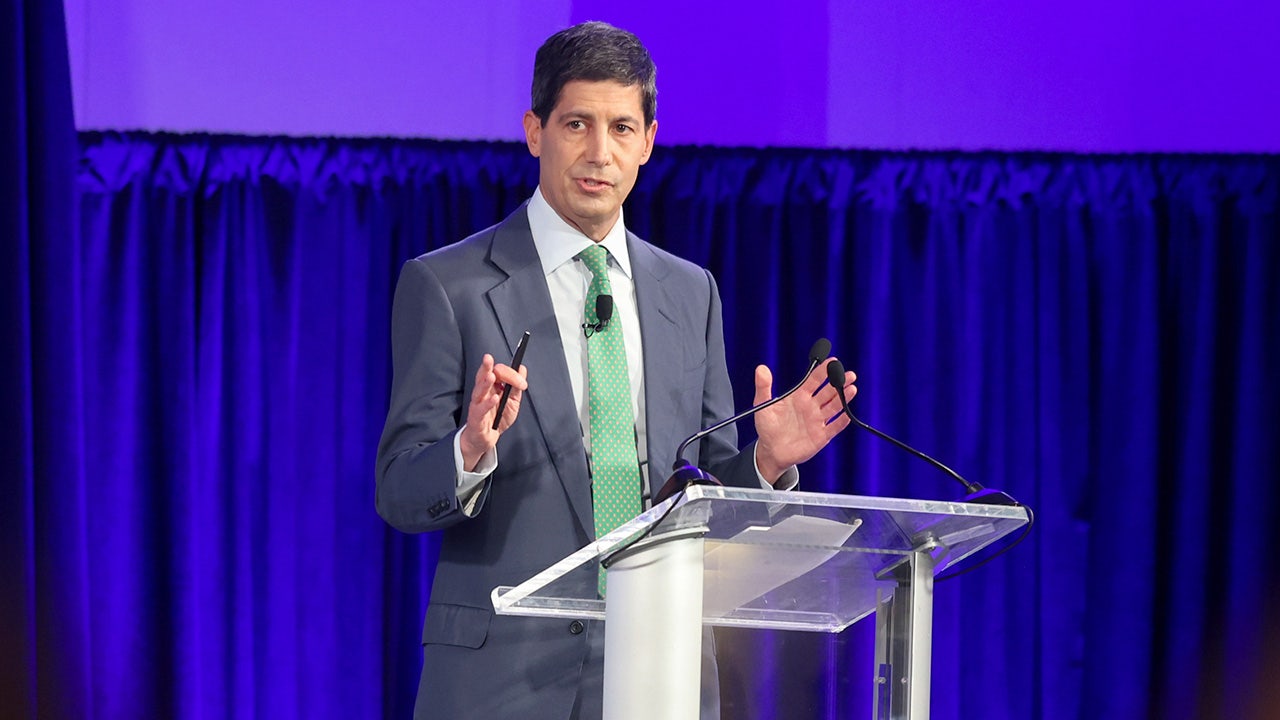
Harley-Davidson faces challenges amid leadership changes
Harley-Davidson Inc. (HOG) saw a price decline of 3.04%, hitting a 20-day low, as broader market conditions weighed on investor sentiment.
This decline occurs amid significant leadership restructuring at Harley-Davidson, including the appointment of Jonathan Root as Chief Financial and Commercial Officer and Bryan Niketh as Chief Operating Officer. These changes aim to enhance operational efficiency and dealer relations, but the stock's performance suggests sector rotation as the market experiences broader weakness, with the Nasdaq-100 down 1.73% and the S&P 500 down 1.05%.
The leadership changes may take time to positively impact the company's performance, and investors will be watching closely to see how these strategic moves translate into improved market positioning and financial results.
Trade with 70% Backtested Accuracy
Analyst Views on HOG

About HOG
About the author


Polaris Inc Shares Surge 10.7% Amid Positive Tariff Outlook

- Significant Stock Surge: Polaris Inc shares rallied 10.7% in the last trading session to close at $53.02, with notable trading volume indicating strong market optimism regarding the company's outlook.
- Limited Tariff Impact: The company announced that recent changes in tariff policy are not expected to materially affect its full-year 2026 guidance, which has bolstered investor confidence despite a 7.4% decline in stock price over the past four weeks.
- Sales Growth Expectations: Polaris anticipates a sales increase of 1% to 3% in 2026 compared to 2025, reflecting the effectiveness of its efforts to strengthen domestic manufacturing and supplier relationships, potentially enhancing its competitive position in the market.
- Quarterly Earnings Outlook: The upcoming quarterly report is expected to show a loss of $0.42 per share, representing a year-over-year improvement of 53.3%, with revenues projected at $1.66 billion, up 7.9% from the previous year, indicating the company's resilience and growth potential even in challenging conditions.
Uber Commits $10 Billion to Acquire Autonomous Vehicle Fleet


- Strategic Shift: Uber has announced a commitment of over $10 billion to acquire thousands of autonomous vehicles, marking a significant transition from its 'asset-light' model to owning a fleet, aimed at countering threats from competitors like Waymo and Tesla.
- Market Response: This move not only surpasses last year's $9.8 billion in free cash flow but also demonstrates Uber's determination in the autonomous driving sector, with plans to launch robotaxi services in 15 cities, further solidifying its market position.
- Partnerships: Uber's investment will involve collaborations with companies like Lucid, Rivian, and China's Baidu, aiming to ensure supply chain stability and enhance its competitiveness in the autonomous driving market.
- Financial Pressure: While this investment may increase financial burdens, analysts view it as a necessary step for Uber to adapt to market changes and achieve long-term growth, especially in competition with giants like Amazon and Alphabet.
Harley-Davidson Schedules HDFS Webcast for Investor Discussion
- Webcast Announcement: Harley-Davidson, Inc. is set to host an audio webcast on April 16, 2026, at 9 a.m. CDT, aimed at providing investors with insights into Harley-Davidson Financial Services (HDFS), highlighting the company's commitment to investor transparency.
- Strategic Partnership Update: The discussion will focus on the updated HDFS business model since entering strategic partnerships with KKR and PIMCO in late 2025, reflecting the company's strategic transformation and adaptability in the financial services sector.
- Participant Instructions: The public is invited to log on and register at least 10 minutes prior to the webcast, emphasizing the company's focus on investor engagement and participation.
- Replay Availability: An audio replay of the webcast will be available approximately two hours after the conclusion of the call, enhancing accessibility for investors who could not attend live and further promoting transparency.

Harley-Davidson Schedules HDFS Webcast Conference Call
- Webcast Scheduled: Harley-Davidson, Inc. has scheduled an audio webcast for April 16, 2026, at 9 a.m. CDT to discuss the latest business model of Harley-Davidson Financial Services (HDFS), highlighting strategic partnerships with KKR and PIMCO established in late 2025.
- Management Involvement: Senior management from Harley-Davidson and HDFS will participate in the discussion, focusing on updates to the HDFS business model, reflecting the company's strategic adjustments in the financial services sector since late 2025.
- Public Participation: The webcast is open to the public, requiring participants to log on and register at least 10 minutes prior to the start time, demonstrating the company's commitment to investor communication and engagement.
- Replay Availability: An audio replay of the webcast will be available approximately two hours after the call concludes, allowing investors who could not attend live to access the information, thereby enhancing transparency and information sharing.
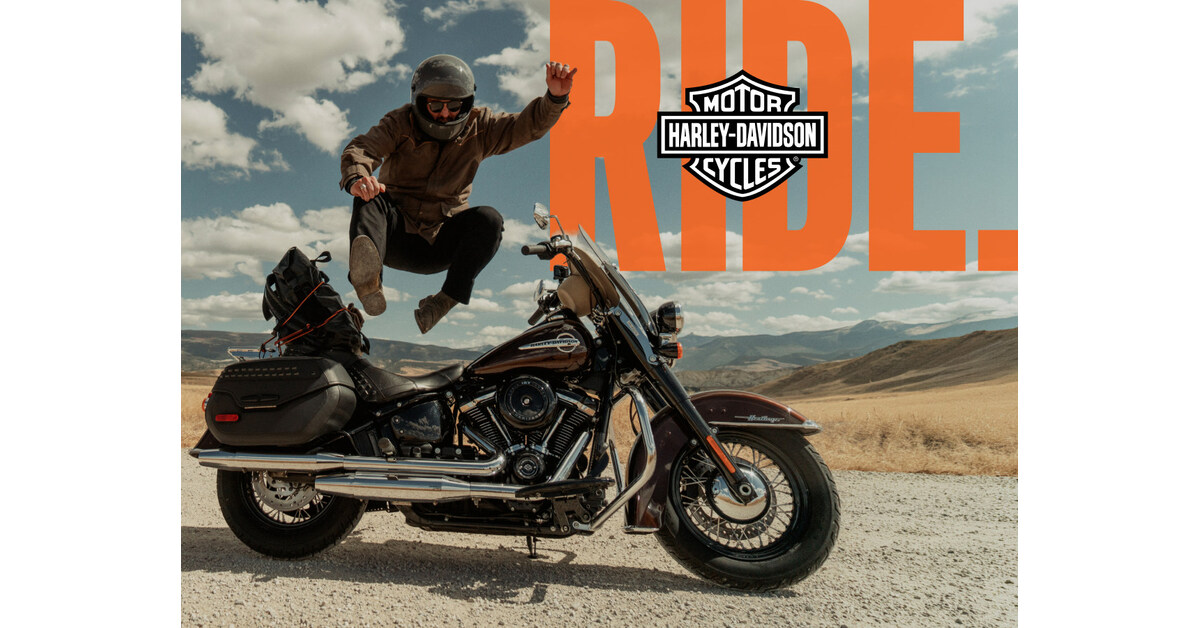
Harley-Davidson Launches New Brand Platform RIDE to Honor Heritage and Inspire Future
- Brand Revitalization: Harley-Davidson launches the new RIDE brand platform, celebrating over a century of motorcycle culture and emphasizing the joy and freedom of riding, which is expected to attract more new riders to this passionate community.
- Visual Identity Update: The new platform features the historic Harley-Davidson bar and shield logo, symbolizing the blend of tradition and future, thereby reinforcing the brand's leadership position in motorcycle culture.
- Promotional Campaign: The RIDE platform is promoted through authentic rider videos set to Willie Nelson's 'On the Road Again', showcasing the true joy of riding, which is anticipated to enhance brand awareness and attract a broader audience.
- Strategic Vision: CEO Artie Starrs states that this brand revitalization represents a full reset of the company's strategy, aiming to lead the industry through innovation and emotion, further solidifying its position in the motorcycle market.
Harley-Davidson Launches New Global Brand Platform RIDE
- Brand Revitalization: Harley-Davidson launches the new brand platform RIDE, aimed at celebrating over a century of motorcycle culture while emphasizing the joy and freedom of riding, which is expected to attract more new riders to this passionate community.
- Visual Identity Update: The new platform features the historic Harley-Davidson bar and shield logo, paying homage to the brand's heritage while showcasing its future direction, thereby enhancing brand recognition and market competitiveness.
- Promotional Campaign: A promotional video featuring real riders enjoying their rides, set to Willie Nelson's classic song 'On the Road Again', is expected to increase brand exposure across broadcast and streaming platforms, enhancing consumer loyalty to the brand.
- Strategic Vision: CEO Artie Starrs states that the RIDE platform represents a crucial step in the brand's reset, aiming to lead the industry through innovation and emotion, further solidifying its leadership position in motorcycle culture.
Polaris Inc Shares Surge 10.7% Amid Positive Tariff Outlook
- Significant Stock Surge: Polaris Inc shares rallied 10.7% in the last trading session to close at $53.02, with notable trading volume indicating strong market optimism regarding the company's outlook.
- Limited Tariff Impact: The company announced that recent changes in tariff policy are not expected to materially affect its full-year 2026 guidance, which has bolstered investor confidence despite a 7.4% decline in stock price over the past four weeks.
- Sales Growth Expectations: Polaris anticipates a sales increase of 1% to 3% in 2026 compared to 2025, reflecting the effectiveness of its efforts to strengthen domestic manufacturing and supplier relationships, potentially enhancing its competitive position in the market.
- Quarterly Earnings Outlook: The upcoming quarterly report is expected to show a loss of $0.42 per share, representing a year-over-year improvement of 53.3%, with revenues projected at $1.66 billion, up 7.9% from the previous year, indicating the company's resilience and growth potential even in challenging conditions.
Uber Commits $10 Billion to Acquire Autonomous Vehicle Fleet
- Strategic Shift: Uber has announced a commitment of over $10 billion to acquire thousands of autonomous vehicles, marking a significant transition from its 'asset-light' model to owning a fleet, aimed at countering threats from competitors like Waymo and Tesla.
- Market Response: This move not only surpasses last year's $9.8 billion in free cash flow but also demonstrates Uber's determination in the autonomous driving sector, with plans to launch robotaxi services in 15 cities, further solidifying its market position.
- Partnerships: Uber's investment will involve collaborations with companies like Lucid, Rivian, and China's Baidu, aiming to ensure supply chain stability and enhance its competitiveness in the autonomous driving market.
- Financial Pressure: While this investment may increase financial burdens, analysts view it as a necessary step for Uber to adapt to market changes and achieve long-term growth, especially in competition with giants like Amazon and Alphabet.
Harley-Davidson Schedules HDFS Webcast for Investor Discussion
- Webcast Announcement: Harley-Davidson, Inc. is set to host an audio webcast on April 16, 2026, at 9 a.m. CDT, aimed at providing investors with insights into Harley-Davidson Financial Services (HDFS), highlighting the company's commitment to investor transparency.
- Strategic Partnership Update: The discussion will focus on the updated HDFS business model since entering strategic partnerships with KKR and PIMCO in late 2025, reflecting the company's strategic transformation and adaptability in the financial services sector.
- Participant Instructions: The public is invited to log on and register at least 10 minutes prior to the webcast, emphasizing the company's focus on investor engagement and participation.
- Replay Availability: An audio replay of the webcast will be available approximately two hours after the conclusion of the call, enhancing accessibility for investors who could not attend live and further promoting transparency.
Harley-Davidson Schedules HDFS Webcast Conference Call
- Webcast Scheduled: Harley-Davidson, Inc. has scheduled an audio webcast for April 16, 2026, at 9 a.m. CDT to discuss the latest business model of Harley-Davidson Financial Services (HDFS), highlighting strategic partnerships with KKR and PIMCO established in late 2025.
- Management Involvement: Senior management from Harley-Davidson and HDFS will participate in the discussion, focusing on updates to the HDFS business model, reflecting the company's strategic adjustments in the financial services sector since late 2025.
- Public Participation: The webcast is open to the public, requiring participants to log on and register at least 10 minutes prior to the start time, demonstrating the company's commitment to investor communication and engagement.
- Replay Availability: An audio replay of the webcast will be available approximately two hours after the call concludes, allowing investors who could not attend live to access the information, thereby enhancing transparency and information sharing.
Harley-Davidson Launches New Brand Platform RIDE to Honor Heritage and Inspire Future
- Brand Revitalization: Harley-Davidson launches the new RIDE brand platform, celebrating over a century of motorcycle culture and emphasizing the joy and freedom of riding, which is expected to attract more new riders to this passionate community.
- Visual Identity Update: The new platform features the historic Harley-Davidson bar and shield logo, symbolizing the blend of tradition and future, thereby reinforcing the brand's leadership position in motorcycle culture.
- Promotional Campaign: The RIDE platform is promoted through authentic rider videos set to Willie Nelson's 'On the Road Again', showcasing the true joy of riding, which is anticipated to enhance brand awareness and attract a broader audience.
- Strategic Vision: CEO Artie Starrs states that this brand revitalization represents a full reset of the company's strategy, aiming to lead the industry through innovation and emotion, further solidifying its position in the motorcycle market.
Harley-Davidson Launches New Global Brand Platform RIDE
- Brand Revitalization: Harley-Davidson launches the new brand platform RIDE, aimed at celebrating over a century of motorcycle culture while emphasizing the joy and freedom of riding, which is expected to attract more new riders to this passionate community.
- Visual Identity Update: The new platform features the historic Harley-Davidson bar and shield logo, paying homage to the brand's heritage while showcasing its future direction, thereby enhancing brand recognition and market competitiveness.
- Promotional Campaign: A promotional video featuring real riders enjoying their rides, set to Willie Nelson's classic song 'On the Road Again', is expected to increase brand exposure across broadcast and streaming platforms, enhancing consumer loyalty to the brand.
- Strategic Vision: CEO Artie Starrs states that the RIDE platform represents a crucial step in the brand's reset, aiming to lead the industry through innovation and emotion, further solidifying its leadership position in motorcycle culture.