FedEx shares decline amid Amazon's supply chain service launch
FedEx Corp shares fell 5.05% as the stock hit a 5-day low, reflecting concerns over increased competition in the logistics sector.
The decline follows Amazon's recent announcement of its 'Amazon Supply Chain Services', which allows businesses to utilize its extensive logistics network. This move has raised fears among logistics companies, including FedEx, as it enhances Amazon's competitive position in the market. The market reacted negatively, with FedEx shares dropping 4.4% following the announcement, indicating investor apprehension about the potential impact on FedEx's business.
As Amazon expands its logistics capabilities, FedEx may face challenges in maintaining its market share. The competitive landscape is shifting, and FedEx will need to adapt its strategies to counter the growing influence of Amazon in the supply chain services sector.
Trade with 70% Backtested Accuracy
Analyst Views on FDX

About FDX
About the author


Oil Prices Surge Amid Tech Stock Volatility


- Oil Price Surge: Brent crude futures surpassed $80 on Wednesday, primarily driven by U.S. military actions against Iran, with the energy sector being the top performer of the day, up 1.45%, indicating strong market reactions to energy demand.
- Tech Stock Volatility: Nvidia's stock is down 14% from its May high, while AMD, Applied Materials, and Micron Technology have seen declines of 11.5%, 22%, and 24% respectively, reflecting investor caution towards tech stocks that may influence future investment decisions.
- PepsiCo Earnings Preview: PepsiCo is set to report earnings on Thursday, with its stock down about 8% over the past three months and 17% from its 52-week high, which could affect market perceptions of its future growth potential.
- Blue Origin Funding: Jeff Bezos' Blue Origin secured a $4 billion investment from Coatue Management as part of a new $10 billion fundraising round, expected to value the company at $130 billion, showcasing the investment enthusiasm and growth potential in the space industry.
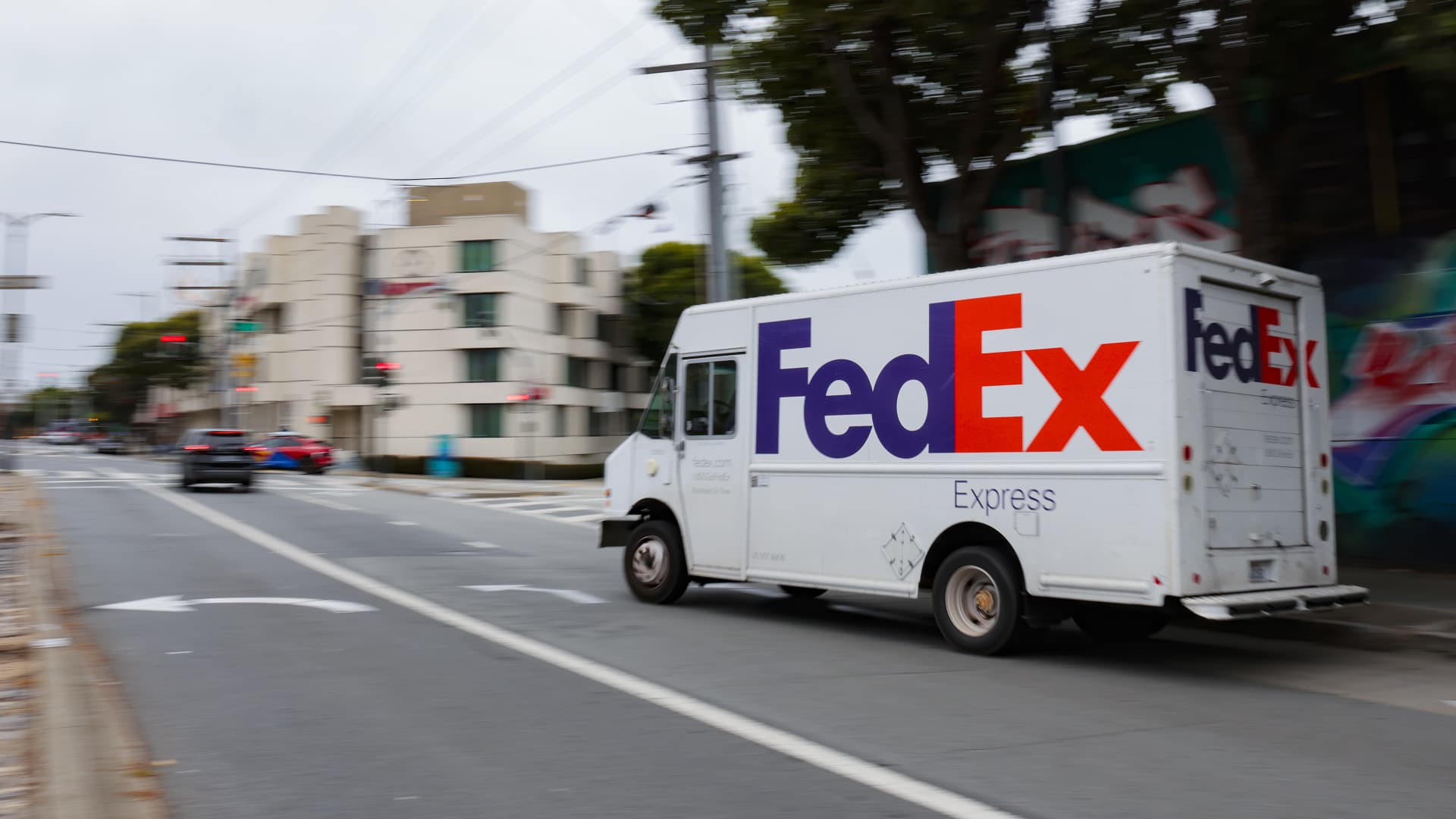
Cramer Sees Attractive Buying Opportunities in FedEx Stocks


- Attractive Buying Opportunity: FedEx shares have fallen approximately 10% from their June 15 high, while FedEx Freight has seen a steeper decline of 27% since June 9, leading Cramer to view these pullbacks as prime buying opportunities, indicating market underestimation of their rebound potential.
- Continued Investment Confidence: Cramer's Charitable Trust has been actively purchasing shares of both FedEx and FedEx Freight during the stock declines, reflecting confidence in their future growth potential, particularly supported by strong overall demand and effective cost initiatives.
- Misinterpretation of Earnings Report: Cramer highlighted that the drop in FedEx's stock was due to investors misreading its latest earnings report, which showed revenue and net income exceeding expectations, while operating margins met forecasts, indicating robust profitability despite the impact of fuel surcharges.
- Overreaction in Market: Cramer noted that the weakness in FedEx Freight reflects a common post-spinoff pattern where some shareholders sell their new shares, despite the fact that its first earnings report as an independent entity was better than the market acknowledged, positioning it well in the North American less-than-truckload market for future growth.

Stocks Decline Following Trump's Ceasefire Comments


- Market Reaction: Following President Trump's statement that the ceasefire with Iran is effectively over, stocks fell, with West Texas Intermediate crude rising 7% to over $75 per barrel, negatively impacting airlines and consumer stocks, as Boeing dropped 3.5% and Home Depot slid 3%.
- Broadcom Partnership Expansion: Apple detailed its expanding partnership with Broadcom in a multiyear agreement expected to exceed $30 billion, resulting in over 15 billion U.S.-made chips and supporting hundreds of U.S. manufacturing jobs, leading to a 3.5% increase in Broadcom's stock price.
- Wells Fargo Upgrade: Wells Fargo upgraded Old Dominion Freight Line, citing the recent pullback in less-than-truckload shipping stocks as an attractive entry point, which Jim Cramer viewed positively for FedEx Freight, despite its 25% decline since June 9.
- Rapid Fire Recap: Jim highlighted stocks such as Estee Lauder, Dollar Tree, Wynn Resorts, and HCA Holdings at the end of the video, urging investors to remain vigilant and not lose gains due to market volatility.

Market Turbulence and Corporate Developments to Watch

- Market Sell-off: Dow futures are down 400 points, with S&P and Nasdaq futures also sharply lower, reflecting investor anxiety over escalating tensions in Iran, which could impact short-term trading strategies and overall market sentiment.
- Apple's Chip Investment: Apple has announced a chip supply deal with Broadcom worth over $30 billion, expected to produce 15 million American-made chips, marking its largest U.S. manufacturing commitment to date, which will enhance supply chain stability and technological independence.
- Analyst Rating Changes: Old Dominion Freight Line was upgraded to buy from hold by Wells Fargo, as analysts see a rebound in the freight cycle; despite concerns that much of this optimism is already priced in, they recommend maintaining a positive outlook on the stock.
- AT&T's Outlook Concerns: Wells Fargo initiated coverage of AT&T with a sell rating and a price target of $18, indicating nearly 15% downside, as analysts worry about competition from SpaceX's Starlink in broadband internet, which may lead to further stock declines and reflects market skepticism about its growth prospects.
Analysis of Revenue Fluctuations for UPS and FedEx

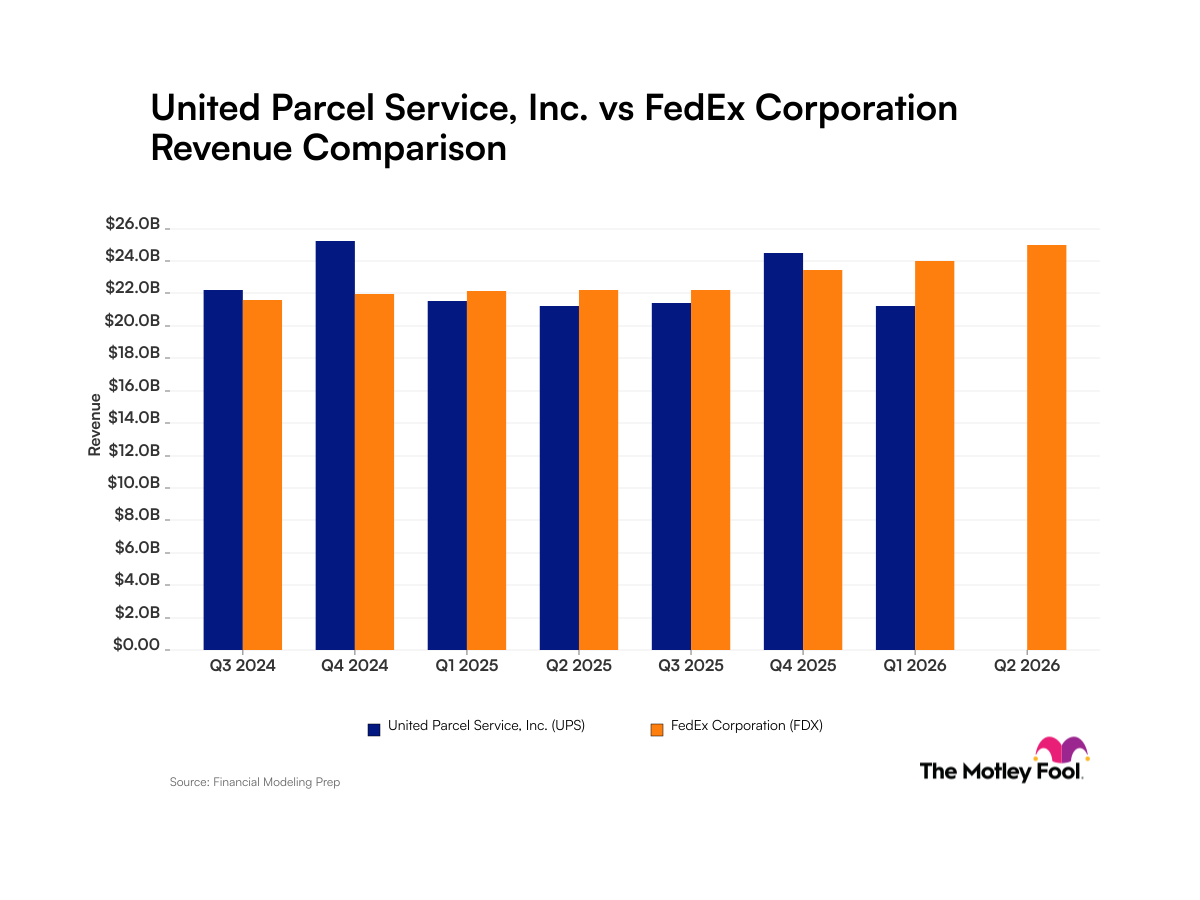
- UPS Revenue Fluctuations: UPS reported a 4% net income margin for Q1 2026 while planning to close additional distribution centers; despite significant revenue from Amazon, the partnership was cut due to low margins, leading to increased quarterly revenue volatility and impacting overall profitability.
- FedEx Growth Momentum: FedEx achieved $94.7 billion in revenue for the fiscal year ending May 31, 2026, a notable increase from $87.9 billion the previous year, with an expected year-over-year growth of approximately 11% in the next fiscal year, indicating strong competitive positioning and expansion potential.
- Industry Comparison: UPS focuses on margin protection due to higher union costs, limiting revenue growth, while FedEx prioritizes volume growth to expand sales, highlighting significant strategic differences between the two companies.
- Market Dynamics Impact: UPS's revenue fluctuations are closely tied to its strategy of cutting low-margin business, while FedEx's spin-off of its freight division may further drive revenue growth, reflecting differing strategies in responding to market changes.

FedEx vs UPS: Revenue Trends Analysis
- Revenue Growth Comparison: FedEx has consistently achieved revenue growth over the past eight quarters, reporting $94.7 billion for fiscal year 2026, an 8% increase from $87.9 billion the previous year, demonstrating its stable business expansion capabilities.
- UPS Volatile Performance: In contrast, UPS experienced significant quarterly fluctuations during the same period, with a net income margin of 4% for Q1 2026, as it reduced its low-margin partnership with Amazon, leading to unstable revenue and impacting overall profitability.
- Strategic Market Differences: FedEx prioritizes volume growth, expecting approximately 11% year-over-year growth in the next fiscal year, while UPS focuses on margin protection due to higher union costs, limiting its revenue growth potential.
- Investor Considerations: Analysts advise investors to consider the impact of UPS's reduced collaboration with Amazon on its revenue before investing, while FedEx's spin-off of its freight business may further enhance its market share.
Oil Prices Surge Amid Tech Stock Volatility
- Oil Price Surge: Brent crude futures surpassed $80 on Wednesday, primarily driven by U.S. military actions against Iran, with the energy sector being the top performer of the day, up 1.45%, indicating strong market reactions to energy demand.
- Tech Stock Volatility: Nvidia's stock is down 14% from its May high, while AMD, Applied Materials, and Micron Technology have seen declines of 11.5%, 22%, and 24% respectively, reflecting investor caution towards tech stocks that may influence future investment decisions.
- PepsiCo Earnings Preview: PepsiCo is set to report earnings on Thursday, with its stock down about 8% over the past three months and 17% from its 52-week high, which could affect market perceptions of its future growth potential.
- Blue Origin Funding: Jeff Bezos' Blue Origin secured a $4 billion investment from Coatue Management as part of a new $10 billion fundraising round, expected to value the company at $130 billion, showcasing the investment enthusiasm and growth potential in the space industry.
Cramer Sees Attractive Buying Opportunities in FedEx Stocks
- Attractive Buying Opportunity: FedEx shares have fallen approximately 10% from their June 15 high, while FedEx Freight has seen a steeper decline of 27% since June 9, leading Cramer to view these pullbacks as prime buying opportunities, indicating market underestimation of their rebound potential.
- Continued Investment Confidence: Cramer's Charitable Trust has been actively purchasing shares of both FedEx and FedEx Freight during the stock declines, reflecting confidence in their future growth potential, particularly supported by strong overall demand and effective cost initiatives.
- Misinterpretation of Earnings Report: Cramer highlighted that the drop in FedEx's stock was due to investors misreading its latest earnings report, which showed revenue and net income exceeding expectations, while operating margins met forecasts, indicating robust profitability despite the impact of fuel surcharges.
- Overreaction in Market: Cramer noted that the weakness in FedEx Freight reflects a common post-spinoff pattern where some shareholders sell their new shares, despite the fact that its first earnings report as an independent entity was better than the market acknowledged, positioning it well in the North American less-than-truckload market for future growth.
Stocks Decline Following Trump's Ceasefire Comments
- Market Reaction: Following President Trump's statement that the ceasefire with Iran is effectively over, stocks fell, with West Texas Intermediate crude rising 7% to over $75 per barrel, negatively impacting airlines and consumer stocks, as Boeing dropped 3.5% and Home Depot slid 3%.
- Broadcom Partnership Expansion: Apple detailed its expanding partnership with Broadcom in a multiyear agreement expected to exceed $30 billion, resulting in over 15 billion U.S.-made chips and supporting hundreds of U.S. manufacturing jobs, leading to a 3.5% increase in Broadcom's stock price.
- Wells Fargo Upgrade: Wells Fargo upgraded Old Dominion Freight Line, citing the recent pullback in less-than-truckload shipping stocks as an attractive entry point, which Jim Cramer viewed positively for FedEx Freight, despite its 25% decline since June 9.
- Rapid Fire Recap: Jim highlighted stocks such as Estee Lauder, Dollar Tree, Wynn Resorts, and HCA Holdings at the end of the video, urging investors to remain vigilant and not lose gains due to market volatility.
Market Turbulence and Corporate Developments to Watch
- Market Sell-off: Dow futures are down 400 points, with S&P and Nasdaq futures also sharply lower, reflecting investor anxiety over escalating tensions in Iran, which could impact short-term trading strategies and overall market sentiment.
- Apple's Chip Investment: Apple has announced a chip supply deal with Broadcom worth over $30 billion, expected to produce 15 million American-made chips, marking its largest U.S. manufacturing commitment to date, which will enhance supply chain stability and technological independence.
- Analyst Rating Changes: Old Dominion Freight Line was upgraded to buy from hold by Wells Fargo, as analysts see a rebound in the freight cycle; despite concerns that much of this optimism is already priced in, they recommend maintaining a positive outlook on the stock.
- AT&T's Outlook Concerns: Wells Fargo initiated coverage of AT&T with a sell rating and a price target of $18, indicating nearly 15% downside, as analysts worry about competition from SpaceX's Starlink in broadband internet, which may lead to further stock declines and reflects market skepticism about its growth prospects.
Analysis of Revenue Fluctuations for UPS and FedEx
- UPS Revenue Fluctuations: UPS reported a 4% net income margin for Q1 2026 while planning to close additional distribution centers; despite significant revenue from Amazon, the partnership was cut due to low margins, leading to increased quarterly revenue volatility and impacting overall profitability.
- FedEx Growth Momentum: FedEx achieved $94.7 billion in revenue for the fiscal year ending May 31, 2026, a notable increase from $87.9 billion the previous year, with an expected year-over-year growth of approximately 11% in the next fiscal year, indicating strong competitive positioning and expansion potential.
- Industry Comparison: UPS focuses on margin protection due to higher union costs, limiting revenue growth, while FedEx prioritizes volume growth to expand sales, highlighting significant strategic differences between the two companies.
- Market Dynamics Impact: UPS's revenue fluctuations are closely tied to its strategy of cutting low-margin business, while FedEx's spin-off of its freight division may further drive revenue growth, reflecting differing strategies in responding to market changes.
FedEx vs UPS: Revenue Trends Analysis
- Revenue Growth Comparison: FedEx has consistently achieved revenue growth over the past eight quarters, reporting $94.7 billion for fiscal year 2026, an 8% increase from $87.9 billion the previous year, demonstrating its stable business expansion capabilities.
- UPS Volatile Performance: In contrast, UPS experienced significant quarterly fluctuations during the same period, with a net income margin of 4% for Q1 2026, as it reduced its low-margin partnership with Amazon, leading to unstable revenue and impacting overall profitability.
- Strategic Market Differences: FedEx prioritizes volume growth, expecting approximately 11% year-over-year growth in the next fiscal year, while UPS focuses on margin protection due to higher union costs, limiting its revenue growth potential.
- Investor Considerations: Analysts advise investors to consider the impact of UPS's reduced collaboration with Amazon on its revenue before investing, while FedEx's spin-off of its freight business may further enhance its market share.