Delta Air Lines Faces Challenges Amid Middle East Airspace Closures

Delta Air Lines Inc shares fell sharply, hitting a 20-day low, as the airline industry faced significant disruptions due to airspace closures in the Middle East. This situation has forced many carriers, including Delta, to cancel flights, leading to a broader decline in airline stocks.
The airline's stock movement is largely influenced by the ongoing chaos in international travel, with major airports like Dubai halting operations, which directly impacts Delta's routes. Additionally, concerns over rising oil prices are adding pressure on the airline's operational costs, further complicating its recovery efforts.
As Delta navigates these challenges, the company is also working on operational adjustments to manage delays and schedule changes. The current market conditions highlight the volatility in the airline sector, emphasizing the need for strategic planning to mitigate the impact of external factors.
Trade with 70% Backtested Accuracy
Analyst Views on DAL

About DAL
About the author


Analysis of RSP ETF's 52-Week Price Range

- Price Range Analysis: RSP ETF's 52-week low is $150.35 per share, with a high of $205.24, and the latest trade at $190.03 indicates relative stability and investor confidence in the current market.
- Technical Analysis Tool: Comparing the current share price to the 200-day moving average provides valuable insights for investors, helping them assess market trends and potential buying opportunities.
- ETF Trading Mechanism: ETFs trade similarly to stocks, where investors buy and sell 'units' that can be created or destroyed based on demand, impacting liquidity and market performance.
- Inflows and Outflows Monitoring: Weekly monitoring of changes in shares outstanding allows for tracking significant inflows (new units created) or outflows (old units destroyed), directly affecting the ETF's underlying holdings and overall market dynamics.
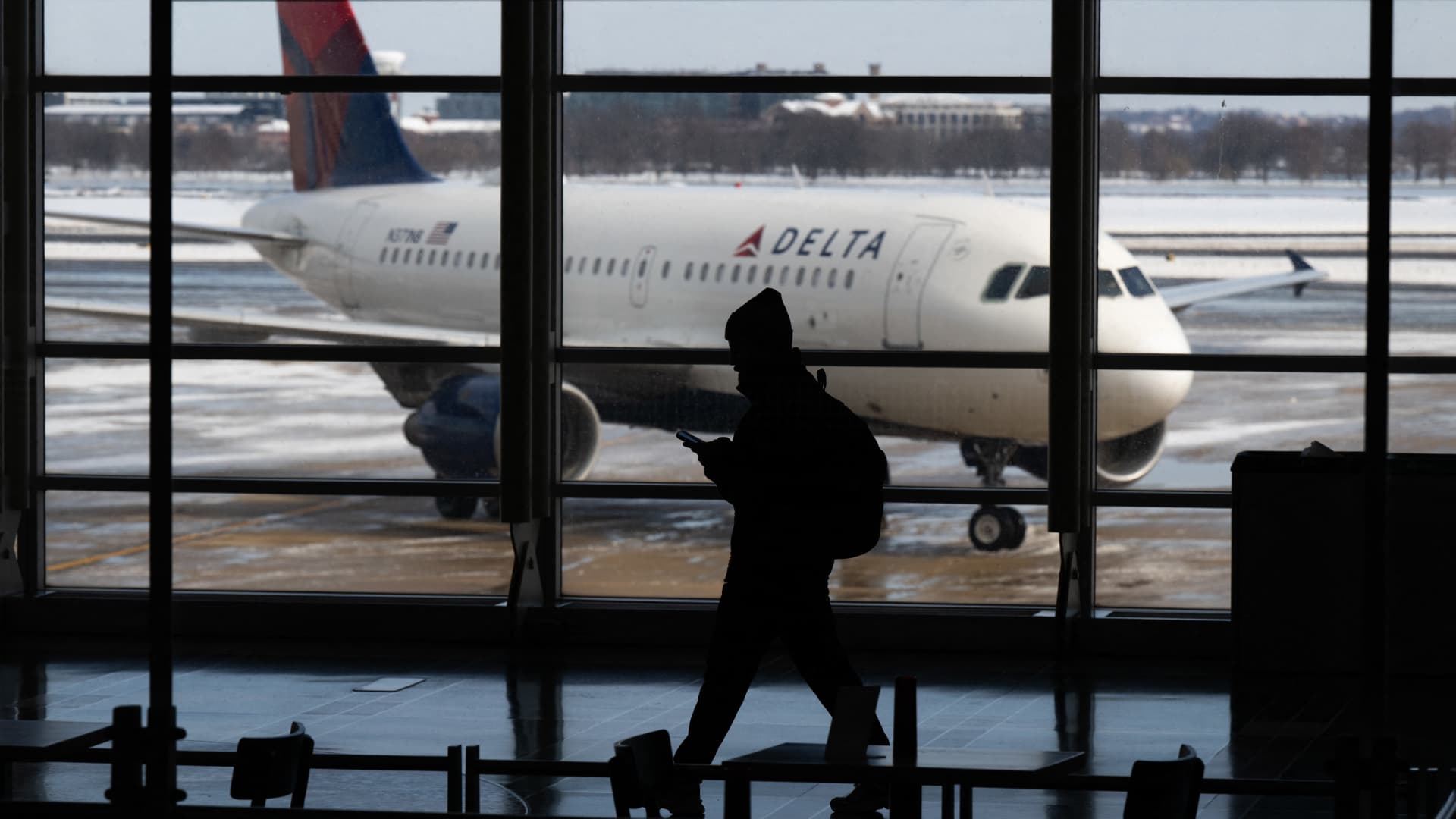
Citi Identifies Stocks with Upside Amid U.S.-Iran Conflict

- Market Turmoil Impact: The ongoing U.S.-Iran conflict has caused concern among investors, leading to a nearly 8% drop in the S&P 500 in March, marking its worst monthly performance since 2022.
- Citi Analyst Strategy: Citi analyst Richard Schlatter sought stocks that could sidestep recent volatility by overlaying crowding composites tracked by Citi, identifying stocks with positive catalysts that are not relatively crowded, aiming for a favorable reaction to fundamental tailwinds.
- Delta Air Lines Outlook: Delta Air Lines' stock has only dropped 3.8% this month, despite a nearly 9% decline in 2026, with Wall Street expecting a rebound; the average analyst price target from LSEG suggests a potential 25% gain over the next year.
- Summit Therapeutics Performance: Summit Therapeutics' stock has risen 2.4% since the war began, with a long crowding composite of just 18.1%, and analysts are generally bullish, as 13 out of 18 covering analysts rate it a buy or strong buy.

Buffett Teams Up with Curry for Charity Lunch Revival


- Surging Oil Prices Impact Markets: The average price of gasoline in the U.S. has surpassed $4 per gallon for the first time since 2022, leading Wall Street to face its worst monthly and quarterly losses since 2022, prompting investors to consider the potential impact of oil prices on the stock market.
- Fed's Stabilizing Signal: Federal Reserve Chair Jerome Powell reassured investors at Harvard University that rising oil prices would not necessitate interest rate hikes, resulting in a significant drop in market expectations for future rate increases, reflecting confidence in economic stability.
- Opendoor Acquires Doma: Opendoor is acquiring parts of Doma to lower real estate transaction costs, particularly as mortgage refinancing applications decline, demonstrating the real estate market's adaptability amid rising rates due to geopolitical tensions.
- Novo Nordisk Launches Long-Term Subscriptions: Novo Nordisk has introduced multi-month subscriptions for Wegovy in an effort to compete with Eli Lilly, offering more cost-effective options that could attract additional users and enhance market share in the GLP-1 segment.
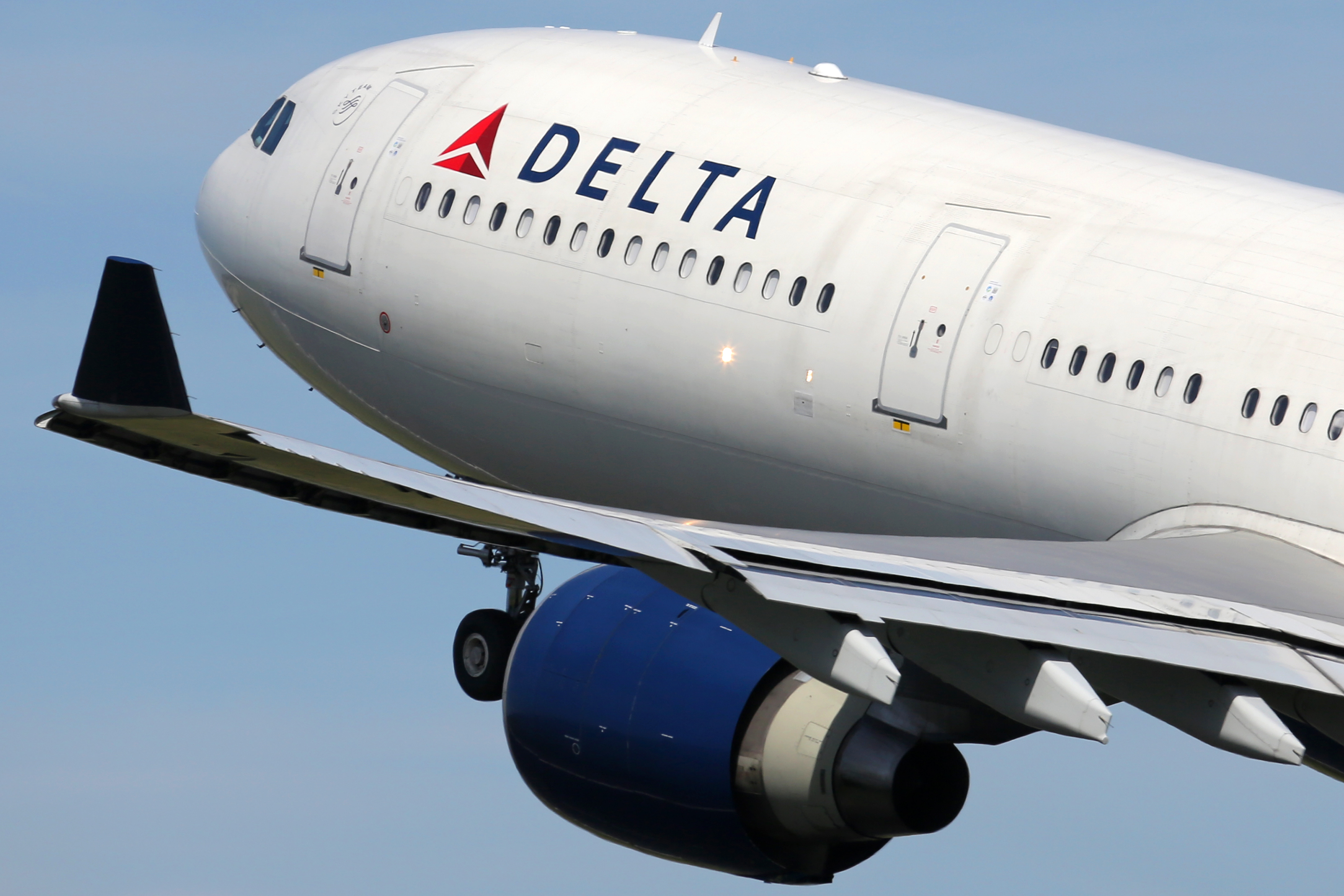
Delta Air Lines Partners with Amazon for Next-Gen In-Flight Connectivity
- Partnership Overview: Delta Air Lines has signed a long-term agreement with Amazon to install Amazon Leo on 500 aircraft starting in 2028, aimed at enhancing passenger connectivity and digital services during flights.
- Technology Upgrade: The new system will provide faster, lower-latency Wi-Fi, allowing passengers to stream entertainment, stay connected, and upload files and photos more easily, significantly improving customer satisfaction.
- Strategic Collaboration Deepening: This agreement not only expands Delta's technological relationship with Amazon Web Services but also plans to integrate AWS and other Amazon technologies, including AI, to enhance the travel experience for both customers and employees.
- Positive Market Reaction: Delta's stock rose 1.8% in premarket trading to $64.30, reflecting a positive market response to the partnership and investor confidence in Delta's future growth potential.
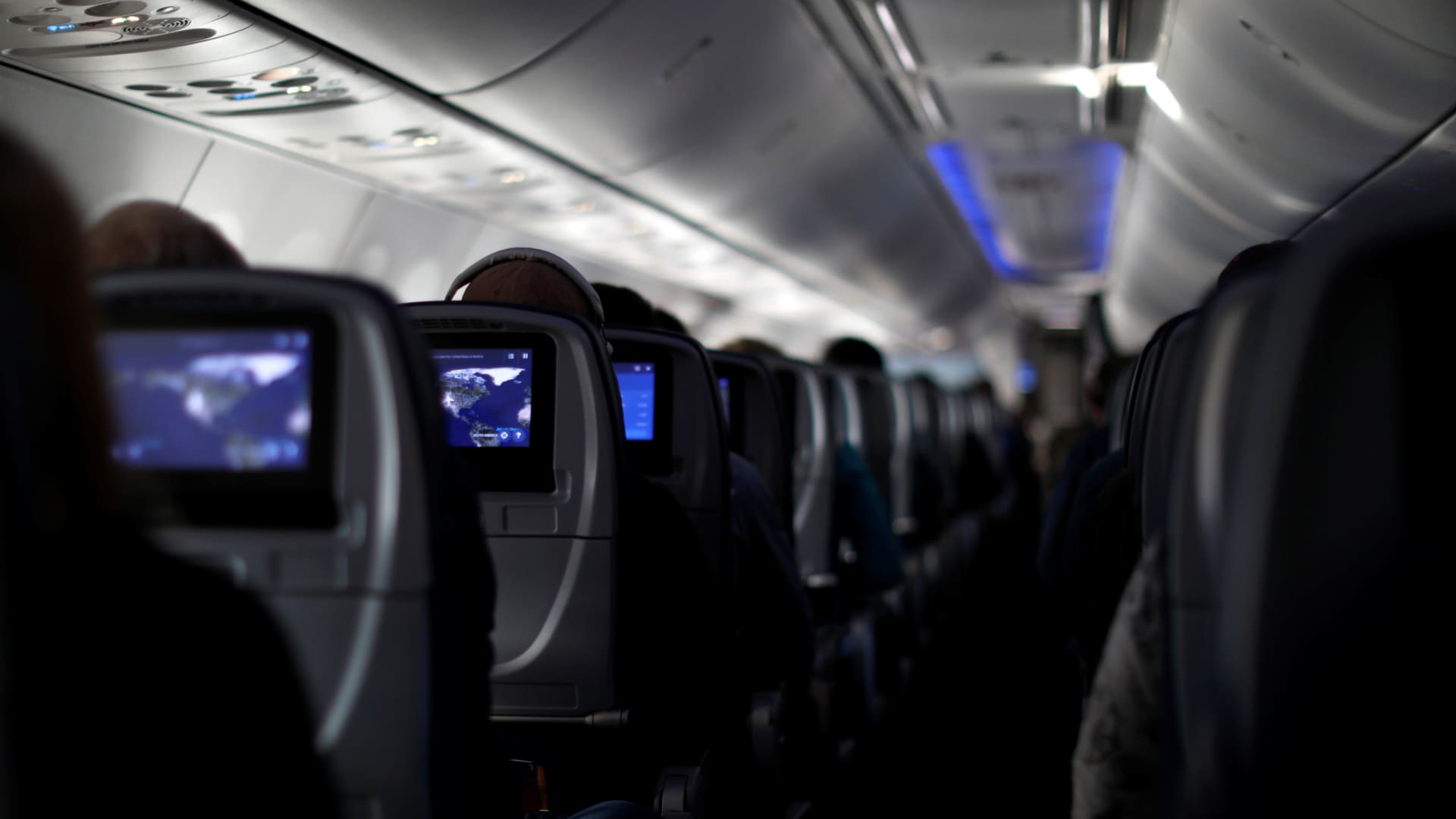
Delta Airlines Partners with Amazon Leo for High-Speed Internet Service

- Partnership Agreement: Delta Airlines has partnered with Amazon Leo to provide satellite Wi-Fi service on 500 aircraft starting in 2028, marking a significant advancement in the airline's in-flight internet and streaming service competition.
- Technology Upgrade: The new service will initially be available on domestic-focused narrow-body planes like the Boeing 737 and Airbus A321, addressing passenger demands for faster speeds and greater bandwidth, thereby enhancing overall passenger experience and satisfaction.
- Commercial Opportunities: Delta plans to create commerce opportunities by updating in-flight entertainment content and offering larger movie libraries, which is expected to attract more loyal customers and generate revenue through personalized advertising.
- Satellite Network Expansion: Amazon Leo currently has about 200 satellites in orbit, aiming to build a constellation of approximately 3,200 low Earth orbit satellites to support high-speed connectivity needs for businesses and consumers, further driving digital transformation in the airline industry.

Delta Airlines Partners with Amazon for In-Flight Wi-Fi Starting 2028
- Agreement Signed: Delta Airlines has signed an agreement with Amazon's low Earth orbit satellite project, Leo, to provide high-speed Wi-Fi on 500 aircraft starting in 2028, marking a significant advancement in the airline's in-flight internet service competition.
- Aircraft Selection: The initial rollout will focus on domestic narrow-body planes, including newly ordered Boeing 737 Max 10s and some older 737s and Airbus A321s, aimed at enhancing passenger internet experience and meeting the rising bandwidth demands.
- Growing Market Demand: Delta's Chief Marketing Officer stated that passengers increasingly demand faster speeds and more bandwidth, prompting airlines to attract loyal customers with free Wi-Fi and leverage this opportunity for personalized advertising and potential shopping.
- Technological Upgrade Opportunities: Delta plans to create unique passenger experiences by updating in-flight entertainment content and enhancing technology, which is expected to generate new business opportunities, particularly leveraging its approximately 165,000 seat-back screens.
Analysis of RSP ETF's 52-Week Price Range
- Price Range Analysis: RSP ETF's 52-week low is $150.35 per share, with a high of $205.24, and the latest trade at $190.03 indicates relative stability and investor confidence in the current market.
- Technical Analysis Tool: Comparing the current share price to the 200-day moving average provides valuable insights for investors, helping them assess market trends and potential buying opportunities.
- ETF Trading Mechanism: ETFs trade similarly to stocks, where investors buy and sell 'units' that can be created or destroyed based on demand, impacting liquidity and market performance.
- Inflows and Outflows Monitoring: Weekly monitoring of changes in shares outstanding allows for tracking significant inflows (new units created) or outflows (old units destroyed), directly affecting the ETF's underlying holdings and overall market dynamics.
Citi Identifies Stocks with Upside Amid U.S.-Iran Conflict
- Market Turmoil Impact: The ongoing U.S.-Iran conflict has caused concern among investors, leading to a nearly 8% drop in the S&P 500 in March, marking its worst monthly performance since 2022.
- Citi Analyst Strategy: Citi analyst Richard Schlatter sought stocks that could sidestep recent volatility by overlaying crowding composites tracked by Citi, identifying stocks with positive catalysts that are not relatively crowded, aiming for a favorable reaction to fundamental tailwinds.
- Delta Air Lines Outlook: Delta Air Lines' stock has only dropped 3.8% this month, despite a nearly 9% decline in 2026, with Wall Street expecting a rebound; the average analyst price target from LSEG suggests a potential 25% gain over the next year.
- Summit Therapeutics Performance: Summit Therapeutics' stock has risen 2.4% since the war began, with a long crowding composite of just 18.1%, and analysts are generally bullish, as 13 out of 18 covering analysts rate it a buy or strong buy.
Buffett Teams Up with Curry for Charity Lunch Revival
- Surging Oil Prices Impact Markets: The average price of gasoline in the U.S. has surpassed $4 per gallon for the first time since 2022, leading Wall Street to face its worst monthly and quarterly losses since 2022, prompting investors to consider the potential impact of oil prices on the stock market.
- Fed's Stabilizing Signal: Federal Reserve Chair Jerome Powell reassured investors at Harvard University that rising oil prices would not necessitate interest rate hikes, resulting in a significant drop in market expectations for future rate increases, reflecting confidence in economic stability.
- Opendoor Acquires Doma: Opendoor is acquiring parts of Doma to lower real estate transaction costs, particularly as mortgage refinancing applications decline, demonstrating the real estate market's adaptability amid rising rates due to geopolitical tensions.
- Novo Nordisk Launches Long-Term Subscriptions: Novo Nordisk has introduced multi-month subscriptions for Wegovy in an effort to compete with Eli Lilly, offering more cost-effective options that could attract additional users and enhance market share in the GLP-1 segment.
Delta Air Lines Partners with Amazon for Next-Gen In-Flight Connectivity
- Partnership Overview: Delta Air Lines has signed a long-term agreement with Amazon to install Amazon Leo on 500 aircraft starting in 2028, aimed at enhancing passenger connectivity and digital services during flights.
- Technology Upgrade: The new system will provide faster, lower-latency Wi-Fi, allowing passengers to stream entertainment, stay connected, and upload files and photos more easily, significantly improving customer satisfaction.
- Strategic Collaboration Deepening: This agreement not only expands Delta's technological relationship with Amazon Web Services but also plans to integrate AWS and other Amazon technologies, including AI, to enhance the travel experience for both customers and employees.
- Positive Market Reaction: Delta's stock rose 1.8% in premarket trading to $64.30, reflecting a positive market response to the partnership and investor confidence in Delta's future growth potential.
Delta Airlines Partners with Amazon Leo for High-Speed Internet Service
- Partnership Agreement: Delta Airlines has partnered with Amazon Leo to provide satellite Wi-Fi service on 500 aircraft starting in 2028, marking a significant advancement in the airline's in-flight internet and streaming service competition.
- Technology Upgrade: The new service will initially be available on domestic-focused narrow-body planes like the Boeing 737 and Airbus A321, addressing passenger demands for faster speeds and greater bandwidth, thereby enhancing overall passenger experience and satisfaction.
- Commercial Opportunities: Delta plans to create commerce opportunities by updating in-flight entertainment content and offering larger movie libraries, which is expected to attract more loyal customers and generate revenue through personalized advertising.
- Satellite Network Expansion: Amazon Leo currently has about 200 satellites in orbit, aiming to build a constellation of approximately 3,200 low Earth orbit satellites to support high-speed connectivity needs for businesses and consumers, further driving digital transformation in the airline industry.
Delta Airlines Partners with Amazon for In-Flight Wi-Fi Starting 2028
- Agreement Signed: Delta Airlines has signed an agreement with Amazon's low Earth orbit satellite project, Leo, to provide high-speed Wi-Fi on 500 aircraft starting in 2028, marking a significant advancement in the airline's in-flight internet service competition.
- Aircraft Selection: The initial rollout will focus on domestic narrow-body planes, including newly ordered Boeing 737 Max 10s and some older 737s and Airbus A321s, aimed at enhancing passenger internet experience and meeting the rising bandwidth demands.
- Growing Market Demand: Delta's Chief Marketing Officer stated that passengers increasingly demand faster speeds and more bandwidth, prompting airlines to attract loyal customers with free Wi-Fi and leverage this opportunity for personalized advertising and potential shopping.
- Technological Upgrade Opportunities: Delta plans to create unique passenger experiences by updating in-flight entertainment content and enhancing technology, which is expected to generate new business opportunities, particularly leveraging its approximately 165,000 seat-back screens.