Constellation Energy's Stock Rises After Major Acquisition Announcement

Constellation Energy Corp's stock surged by 5.96%, crossing above the 5-day SMA, amid positive market conditions with the Nasdaq-100 up 1.09% and the S&P 500 up 0.76%.
The increase in stock price is attributed to Constellation's recent completion of its $26.6 billion acquisition of Calpine, which significantly enhances its power supply capacity and positions it as the largest electricity producer in the U.S. This strategic move is expected to drive a 20% increase in adjusted earnings per share in 2026, reflecting strong growth potential in response to rising electricity demand.
This acquisition not only strengthens Constellation's market position but also aligns with the growing demand for clean energy solutions. The company's commitment to sustainability and community impact further enhances its reputation, making it an attractive investment opportunity.
Trade with 70% Backtested Accuracy
Analyst Views on CEG

About CEG
About the author


Investors Heighten Concerns Over Economic Recession


- Recession Probability Fluctuations: According to Kalshi, the probability of a recession in 2025 exceeded 40% but dropped below 20% in February this year, only to rebound to 28% as of April 1, reflecting the impact of poor economic data and international tensions on market sentiment.
- GDP Revision Impact: The U.S. fourth-quarter GDP was revised down to 0.7% in March, increasing the risk of economic slowdown, and investors should be aware of the potential for two consecutive quarters of negative growth, which could be viewed as a shallow recession.
- Consumer Staples ETF Performance: The State Street Consumer Staples Select Sector SPDR ETF (XLP) has performed well amid market turmoil, rising 5% this year, with major holdings including Walmart (11.85%) and Coca-Cola (6.46%), demonstrating the resilience of consumer staples in uncertain economic conditions.
- Utilities ETF Stability: The Vanguard Utilities ETF (VPU) has also shown strong performance, up approximately 5% this year, with key holdings like NextEra Energy (11.95%) and Southern (6.38%), indicating that utility stocks' defensive characteristics are attracting investors amid recession fears.

Pinnacle West Capital's Nuclear Potential


- Nuclear Power Leadership: Pinnacle West Capital, through its subsidiary Arizona Public Service, operates the Palo Verde nuclear plant, the most productive power plant in the U.S., generating 32 million megawatt-hours annually, enough to power over 4 million homes and businesses, showcasing its strong position in the nuclear energy sector.
- Stable Dividend Yield: The company currently offers a 3.69% dividend yield, which has grown consistently over the past five years; despite a modest 7.29% increase in stock price over the last 12 months, it remains more attractive than other nuclear companies, indicating stability amid market fluctuations.
- Future Expansion Plans: Pinnacle West is working to renew its Palo Verde operating licenses and collaborating with other utilities to explore deploying more nuclear plants in Arizona, particularly small modular reactors (SMRs), to meet the increasing energy demands.
- Clean Energy Investments: In addition to nuclear, Pinnacle West plans to bring its Ironwood Solar Plant in Yuma online in 2023, actively expanding into clean energy generation opportunities to address Arizona's growing power needs, especially driven by the semiconductor industry.

U.S. Energy Department Aims to Triple Nuclear Power Capacity
- Nuclear Capacity Goals: The U.S. Department of Energy has set a goal to triple nuclear power generation capacity by mid-century, indicating strong confidence in the future of nuclear energy despite the lengthy construction timelines for new plants.
- Palo Verde Plant Advantage: Arizona's Palo Verde nuclear plant is the largest in the U.S., generating 32 million megawatt-hours annually, enough to power over 4 million homes and businesses, highlighting its critical role in national power production.
- Collaboration and Expansion Plans: Pinnacle West Capital Corp. is collaborating with other utilities to explore deploying more nuclear plants in Arizona, particularly small modular reactors (SMR), to meet the growing energy demands in the state.
- Stable Dividend Yield: Pinnacle West offers a dividend yield of 3.69%, with only a 7.29% increase over the past year, reflecting its relatively stable financial health and ongoing potential for dividend growth, making it an attractive option for long-term investors.

Market Watch: Corporate Dynamics and Analysis

- Nike's Disappointing Performance: Despite beating revenue and earnings expectations, Nike issued weak guidance due to inventory issues and a slowdown in North American growth, prompting downgrades from Goldman, JPMorgan, and Bank of America, reflecting market concerns about its future performance.
- RH's Poor Earnings Report: Luxury home furnishings maker RH fell short on key metrics in its fourth quarter, and its current quarter guidance was also weak, impacted by tariffs and a sluggish housing market, leading to an 18% drop in shares, although its full-year cash flow guidance improved, the overall outlook remains bleak.
- Arm's Price Target Increase: Wells Fargo raised Arm's price target from $165 to $175, with analysts optimistic about Arm's entry into the data center CPU market with its first in-house silicon offering, reiterating a buy rating, indicating strong market confidence in its competition against Intel and AMD.
- Boeing Stock Rating Upgrade: Wells Fargo upgraded Boeing's stock to buy with a price target of $250, implying over 25% upside from yesterday's close, as analysts favor Boeing's free cash flow recovery and overall turnaround under CEO Kelly Ortberg, suggesting potential returns for investors.

US Stocks Surge on Hopes for End to Iran War


- Market Rally: The S&P 500 index rose by 2.91%, the Dow Jones Industrial Average by 2.49%, and the Nasdaq 100 by 3.43%, reflecting market optimism regarding the potential end of the Iran war, which could lower energy prices and ease inflation concerns.
- Consumer Confidence Boost: The US March consumer confidence index unexpectedly increased by 0.8 to 91.8, surpassing the anticipated decline to 87.9, indicating a strengthening consumer outlook that may drive spending and economic growth.
- Strength in China: China's March manufacturing PMI rose to 50.4, better than the expected 50.1, signaling signs of economic recovery that could positively impact global growth prospects and further support US stock performance.
- Falling Bond Yields: The 10-year Treasury note yield dropped to 4.28%, a one-week low, reflecting reduced inflation worries, which may provide support for the stock market and enhance investor interest in equities.
Constellation Energy's Investor Day Disappoints with No New Deals
- Significant Stock Decline: Constellation Energy (CEG) saw a 6.5% drop in its stock price during Tuesday's trading, making it the largest loser on the S&P 500, reflecting investor disappointment over the lack of new deal announcements during the Investor Day.
- Earnings Guidance Misses Expectations: The company's FY 2026 earnings guidance fell below the midpoint of Wall Street consensus expectations, and although CEO Joe Dominguez anticipates signing major new deals, the absence of specific details has undermined market confidence.
- Increased Buyback Plan: Despite the slightly weak earnings outlook, Constellation announced an expansion of its stock buyback plan from $3 billion to $5 billion, indicating confidence in future growth and potentially attracting investor interest.
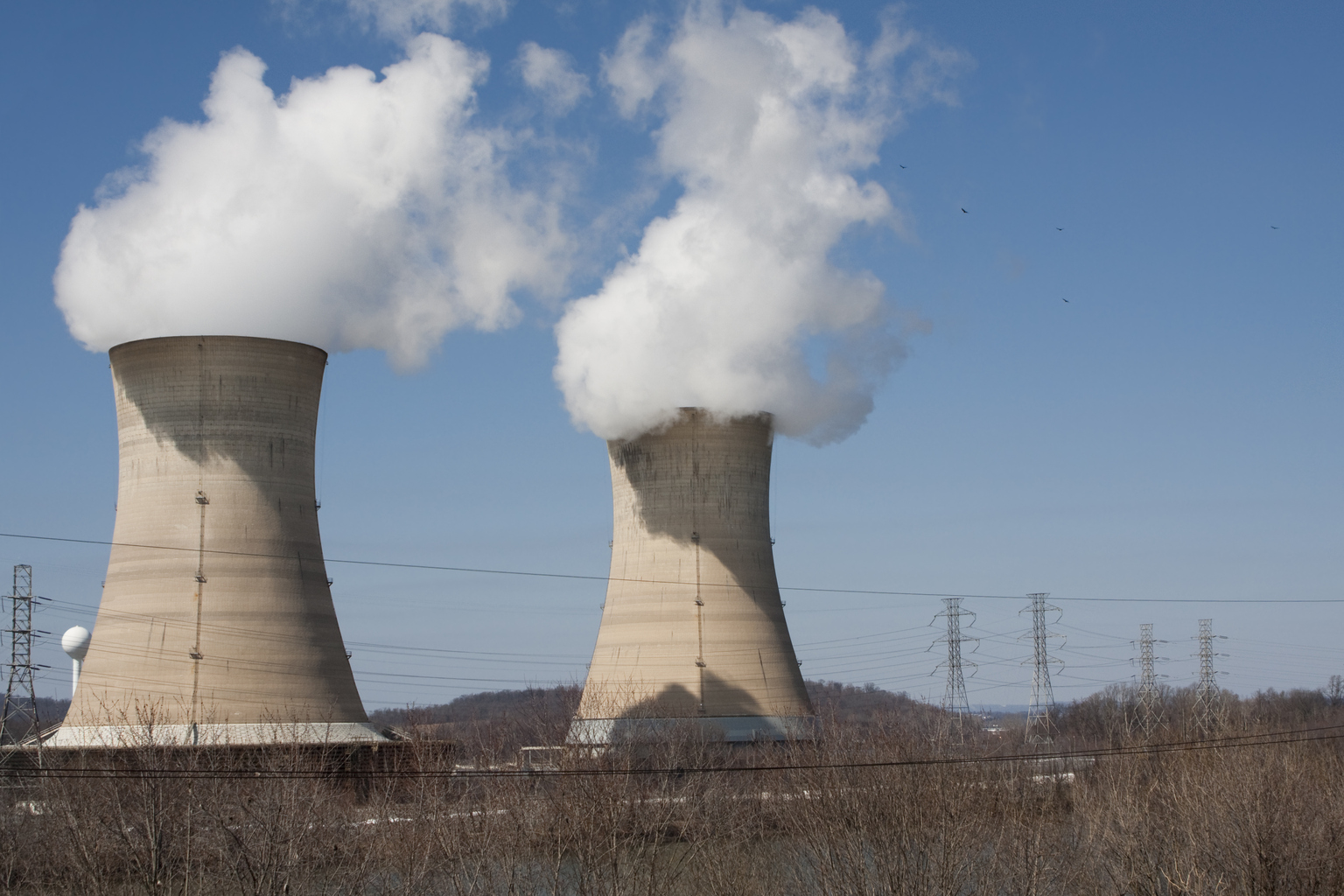
- Nuclear Connection Acceleration: Dominguez stated that the company will request the Federal Energy Regulatory Commission to expedite the connection of the Three Mile Island nuclear power plant to the grid, aiming for a restart by the end of 2027, demonstrating the company's strategic commitment to nuclear energy.
Investors Heighten Concerns Over Economic Recession
- Recession Probability Fluctuations: According to Kalshi, the probability of a recession in 2025 exceeded 40% but dropped below 20% in February this year, only to rebound to 28% as of April 1, reflecting the impact of poor economic data and international tensions on market sentiment.
- GDP Revision Impact: The U.S. fourth-quarter GDP was revised down to 0.7% in March, increasing the risk of economic slowdown, and investors should be aware of the potential for two consecutive quarters of negative growth, which could be viewed as a shallow recession.
- Consumer Staples ETF Performance: The State Street Consumer Staples Select Sector SPDR ETF (XLP) has performed well amid market turmoil, rising 5% this year, with major holdings including Walmart (11.85%) and Coca-Cola (6.46%), demonstrating the resilience of consumer staples in uncertain economic conditions.
- Utilities ETF Stability: The Vanguard Utilities ETF (VPU) has also shown strong performance, up approximately 5% this year, with key holdings like NextEra Energy (11.95%) and Southern (6.38%), indicating that utility stocks' defensive characteristics are attracting investors amid recession fears.
Pinnacle West Capital's Nuclear Potential
- Nuclear Power Leadership: Pinnacle West Capital, through its subsidiary Arizona Public Service, operates the Palo Verde nuclear plant, the most productive power plant in the U.S., generating 32 million megawatt-hours annually, enough to power over 4 million homes and businesses, showcasing its strong position in the nuclear energy sector.
- Stable Dividend Yield: The company currently offers a 3.69% dividend yield, which has grown consistently over the past five years; despite a modest 7.29% increase in stock price over the last 12 months, it remains more attractive than other nuclear companies, indicating stability amid market fluctuations.
- Future Expansion Plans: Pinnacle West is working to renew its Palo Verde operating licenses and collaborating with other utilities to explore deploying more nuclear plants in Arizona, particularly small modular reactors (SMRs), to meet the increasing energy demands.
- Clean Energy Investments: In addition to nuclear, Pinnacle West plans to bring its Ironwood Solar Plant in Yuma online in 2023, actively expanding into clean energy generation opportunities to address Arizona's growing power needs, especially driven by the semiconductor industry.
U.S. Energy Department Aims to Triple Nuclear Power Capacity
- Nuclear Capacity Goals: The U.S. Department of Energy has set a goal to triple nuclear power generation capacity by mid-century, indicating strong confidence in the future of nuclear energy despite the lengthy construction timelines for new plants.
- Palo Verde Plant Advantage: Arizona's Palo Verde nuclear plant is the largest in the U.S., generating 32 million megawatt-hours annually, enough to power over 4 million homes and businesses, highlighting its critical role in national power production.
- Collaboration and Expansion Plans: Pinnacle West Capital Corp. is collaborating with other utilities to explore deploying more nuclear plants in Arizona, particularly small modular reactors (SMR), to meet the growing energy demands in the state.
- Stable Dividend Yield: Pinnacle West offers a dividend yield of 3.69%, with only a 7.29% increase over the past year, reflecting its relatively stable financial health and ongoing potential for dividend growth, making it an attractive option for long-term investors.
Market Watch: Corporate Dynamics and Analysis
- Nike's Disappointing Performance: Despite beating revenue and earnings expectations, Nike issued weak guidance due to inventory issues and a slowdown in North American growth, prompting downgrades from Goldman, JPMorgan, and Bank of America, reflecting market concerns about its future performance.
- RH's Poor Earnings Report: Luxury home furnishings maker RH fell short on key metrics in its fourth quarter, and its current quarter guidance was also weak, impacted by tariffs and a sluggish housing market, leading to an 18% drop in shares, although its full-year cash flow guidance improved, the overall outlook remains bleak.
- Arm's Price Target Increase: Wells Fargo raised Arm's price target from $165 to $175, with analysts optimistic about Arm's entry into the data center CPU market with its first in-house silicon offering, reiterating a buy rating, indicating strong market confidence in its competition against Intel and AMD.
- Boeing Stock Rating Upgrade: Wells Fargo upgraded Boeing's stock to buy with a price target of $250, implying over 25% upside from yesterday's close, as analysts favor Boeing's free cash flow recovery and overall turnaround under CEO Kelly Ortberg, suggesting potential returns for investors.
US Stocks Surge on Hopes for End to Iran War
- Market Rally: The S&P 500 index rose by 2.91%, the Dow Jones Industrial Average by 2.49%, and the Nasdaq 100 by 3.43%, reflecting market optimism regarding the potential end of the Iran war, which could lower energy prices and ease inflation concerns.
- Consumer Confidence Boost: The US March consumer confidence index unexpectedly increased by 0.8 to 91.8, surpassing the anticipated decline to 87.9, indicating a strengthening consumer outlook that may drive spending and economic growth.
- Strength in China: China's March manufacturing PMI rose to 50.4, better than the expected 50.1, signaling signs of economic recovery that could positively impact global growth prospects and further support US stock performance.
- Falling Bond Yields: The 10-year Treasury note yield dropped to 4.28%, a one-week low, reflecting reduced inflation worries, which may provide support for the stock market and enhance investor interest in equities.
Constellation Energy's Investor Day Disappoints with No New Deals
- Significant Stock Decline: Constellation Energy (CEG) saw a 6.5% drop in its stock price during Tuesday's trading, making it the largest loser on the S&P 500, reflecting investor disappointment over the lack of new deal announcements during the Investor Day.
- Earnings Guidance Misses Expectations: The company's FY 2026 earnings guidance fell below the midpoint of Wall Street consensus expectations, and although CEO Joe Dominguez anticipates signing major new deals, the absence of specific details has undermined market confidence.
- Increased Buyback Plan: Despite the slightly weak earnings outlook, Constellation announced an expansion of its stock buyback plan from $3 billion to $5 billion, indicating confidence in future growth and potentially attracting investor interest.
- Nuclear Connection Acceleration: Dominguez stated that the company will request the Federal Energy Regulatory Commission to expedite the connection of the Three Mile Island nuclear power plant to the grid, aiming for a restart by the end of 2027, demonstrating the company's strategic commitment to nuclear energy.