BWA.N Surges Past 5-Day SMA Amid Options Activity

Shares of BWA.N experienced a notable uptick today, crossing above the 5-day simple moving average (SMA) and closing at $42.94. This technical breakout suggests a potential shift in momentum, attracting attention from traders and investors alike. The recent activity in put and call options has further fueled interest, with a $42.50 put contract offering a bid of $1.60, effectively lowering the cost basis for investors to $40.90, representing a 1% discount from the current price.
Additionally, the put contract carries a 60% chance of expiring worthless, which could yield a 3.76% return on the cash commitment, translating to an annualized yield of 5.75%. On the call side, the $45.00 call contract, with a bid of $1.85, presents a potential total return of 9.11% if the stock is called away by July 2026. With a 49% chance of expiring worthless, this strategy allows investors to retain both shares and premium, potentially adding an additional 4.31% return, or 6.58% annualized. Overall, the combination of technical movement and favorable options dynamics positions BWA.N as a stock to watch in the coming weeks.
Trade with 70% Backtested Accuracy
Analyst Views on BWA

About BWA
About the author


BorgWarner Secures Seven-Year Contract Extension
- Contract Extension: BorgWarner announced a seven-year contract extension with a major client, ensuring a continuous supply of engine components over the next seven years, which enhances the company's stability and competitiveness in the automotive parts market.
- Market Impact: This contract extension is expected to provide BorgWarner with a stable revenue stream, significantly improving the company's financial performance in the coming years, particularly against the backdrop of rising demand for electric and hybrid vehicles.
- Strategic Significance: By fostering long-term partnerships with clients, BorgWarner can better integrate its R&D resources and drive technological innovation, thereby maintaining a leading position in the rapidly evolving automotive industry.
- Customer Trust: The renewal of the contract reflects the client's high recognition of BorgWarner's product quality and service, further solidifying the company's brand image and customer loyalty in the global market.
BorgWarner Announces 2026 Q1 Results Conference Call
- Conference Call Announcement: BorgWarner has scheduled its 2026 Q1 results conference call for May 6, 2026, at 9:30 AM Eastern Time, aimed at providing investors with the latest financial performance and business developments.
- Live Webcast Participation: The conference will be streamed live on the company's website, allowing investors to easily access the information, thereby ensuring transparency and timeliness in communication.
- Availability of Call Archive: For those unable to attend the live session, the call will be archived on the company’s website, reflecting the company's commitment to investor relations and accessibility of information.
- Company Background: With over 130 years of history, BorgWarner is a transformative global product leader focused on sustainability, dedicated to building a cleaner, healthier, and safer future for all.

Dana Inc. Refines Strategy Amid Electrification Challenges
- Strategic Shift: Dana is refining its strategy to address the volatility in electrification demand by focusing on projects that can more reliably drive profitability, thereby maintaining growth potential in the future.
- Market Demand Evolution: The company is broadening its demand base to reduce reliance on traditional original equipment cycles, shifting towards higher-margin internal combustion and hybrid programs to lower execution risks and ensure clearer returns.
- Aftermarket Opportunities: Dana aims to expand its higher-margin aftermarket business in North America, with an estimated $250 million market opportunity, which will improve margins and reduce reliance on cyclical OEM demand.
- Technological Diversification: The company is building out its “Applied Technologies” initiatives to enter adjacent markets such as powersports and defense, representing a $400-500 million incremental revenue opportunity, enhancing the business's resilience against cyclical downturns.
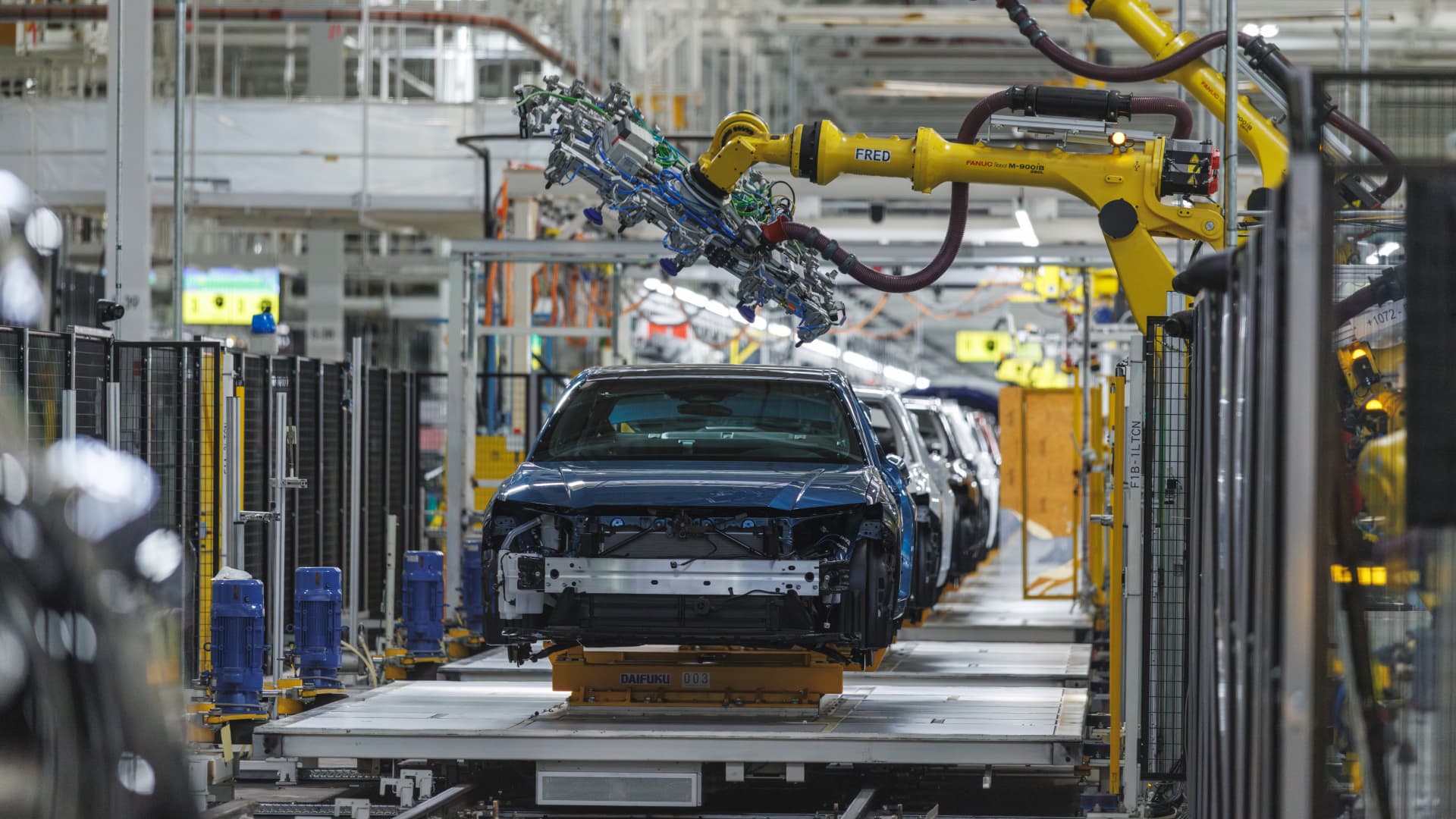
Toyota Invests $1 Billion to Expand Production in U.S.

- Long-Term Investment: Toyota announced a $1 billion investment across two U.S. plants as part of a broader plan to invest up to $10 billion domestically over the next five years, reflecting its long-term commitment to the U.S. market.
- Capacity Enhancement: Of this, $800 million will be allocated to the Georgetown, Kentucky plant to boost production capacity for the Camry sedan and RAV4 crossover, which is expected to significantly increase market supply for these models.
- SUV Production Expansion: The remaining $200 million will be directed towards the Princeton, Indiana plant to enhance production capacity for the Toyota Grand Highlander SUV, further addressing the growing demand for larger SUVs in the market.
- Navigating Tariff Challenges: Amidst tariff and trade agreement changes during the Trump administration, which are projected to cost Toyota 1.4 trillion yen this fiscal year, this investment aims to strengthen its production capabilities in the U.S. to mitigate costs.
Nissan Introduces New e-Power Hybrid System to U.S. Market

- e-Power Hybrid System: Nissan plans to introduce its new e-Power hybrid system in the U.S. market, which uses a traditional gasoline engine to generate power for electric motors, providing an all-electric driving experience and potentially enhancing Nissan's competitiveness in the hybrid market.
- Market Timing: With rising gas prices and slow EV adoption, Nissan's e-Power system is expected to meet consumer demands for fuel economy, as S&P Global Mobility forecasts hybrid sales to rise to 18.4% of new vehicle sales in 2023, a significant increase from last year.
- Powertrain Upgrade: Nissan has developed a more powerful 1.5-liter three-cylinder turbocharged engine for the e-Power system to improve efficiency at higher speeds and enhance driving dynamics, aiming to attract consumers who are hesitant about traditional hybrids.
- Global Success: Since its debut in Japan in 2016, Nissan's e-Power system has sold over 1.6 million vehicles in nearly 70 countries, demonstrating its global success and potential for similar recognition in the U.S. market.

Trump Hints at Imminent End to U.S.-Iran War, Boosting Market Confidence


- Market Recovery: Following President Trump's indication that the U.S.-Iran war could soon end, the Dow Jones Industrial Average rose over 230 points, marking a more than 1,100-point rebound from session lows, reflecting a restoration of investor confidence.
- Oil Price Volatility: Despite the boost in market confidence from Trump's remarks, U.S. crude oil prices closed lower after surging above $100 per barrel, indicating ongoing concerns about the oil supply disruption.
- New Investment Opportunities: Billionaire investor Bill Ackman's hedge fund, Pershing Square, has filed to list on the New York Stock Exchange, with $2.8 billion in secured commitments expected, enhancing public confidence in its investment platform.
- Economic Outlook Warning: Rising oil prices and a weak jobs report have led economists to warn of potential stagflation in the U.S., with prediction markets showing recession odds rising above 34%, reflecting growing concerns about future economic growth.
BorgWarner Secures Seven-Year Contract Extension
- Contract Extension: BorgWarner announced a seven-year contract extension with a major client, ensuring a continuous supply of engine components over the next seven years, which enhances the company's stability and competitiveness in the automotive parts market.
- Market Impact: This contract extension is expected to provide BorgWarner with a stable revenue stream, significantly improving the company's financial performance in the coming years, particularly against the backdrop of rising demand for electric and hybrid vehicles.
- Strategic Significance: By fostering long-term partnerships with clients, BorgWarner can better integrate its R&D resources and drive technological innovation, thereby maintaining a leading position in the rapidly evolving automotive industry.
- Customer Trust: The renewal of the contract reflects the client's high recognition of BorgWarner's product quality and service, further solidifying the company's brand image and customer loyalty in the global market.
BorgWarner Announces 2026 Q1 Results Conference Call
- Conference Call Announcement: BorgWarner has scheduled its 2026 Q1 results conference call for May 6, 2026, at 9:30 AM Eastern Time, aimed at providing investors with the latest financial performance and business developments.
- Live Webcast Participation: The conference will be streamed live on the company's website, allowing investors to easily access the information, thereby ensuring transparency and timeliness in communication.
- Availability of Call Archive: For those unable to attend the live session, the call will be archived on the company’s website, reflecting the company's commitment to investor relations and accessibility of information.
- Company Background: With over 130 years of history, BorgWarner is a transformative global product leader focused on sustainability, dedicated to building a cleaner, healthier, and safer future for all.
Dana Inc. Refines Strategy Amid Electrification Challenges
- Strategic Shift: Dana is refining its strategy to address the volatility in electrification demand by focusing on projects that can more reliably drive profitability, thereby maintaining growth potential in the future.
- Market Demand Evolution: The company is broadening its demand base to reduce reliance on traditional original equipment cycles, shifting towards higher-margin internal combustion and hybrid programs to lower execution risks and ensure clearer returns.
- Aftermarket Opportunities: Dana aims to expand its higher-margin aftermarket business in North America, with an estimated $250 million market opportunity, which will improve margins and reduce reliance on cyclical OEM demand.
- Technological Diversification: The company is building out its “Applied Technologies” initiatives to enter adjacent markets such as powersports and defense, representing a $400-500 million incremental revenue opportunity, enhancing the business's resilience against cyclical downturns.
Toyota Invests $1 Billion to Expand Production in U.S.
- Long-Term Investment: Toyota announced a $1 billion investment across two U.S. plants as part of a broader plan to invest up to $10 billion domestically over the next five years, reflecting its long-term commitment to the U.S. market.
- Capacity Enhancement: Of this, $800 million will be allocated to the Georgetown, Kentucky plant to boost production capacity for the Camry sedan and RAV4 crossover, which is expected to significantly increase market supply for these models.
- SUV Production Expansion: The remaining $200 million will be directed towards the Princeton, Indiana plant to enhance production capacity for the Toyota Grand Highlander SUV, further addressing the growing demand for larger SUVs in the market.
- Navigating Tariff Challenges: Amidst tariff and trade agreement changes during the Trump administration, which are projected to cost Toyota 1.4 trillion yen this fiscal year, this investment aims to strengthen its production capabilities in the U.S. to mitigate costs.
Nissan Introduces New e-Power Hybrid System to U.S. Market
- e-Power Hybrid System: Nissan plans to introduce its new e-Power hybrid system in the U.S. market, which uses a traditional gasoline engine to generate power for electric motors, providing an all-electric driving experience and potentially enhancing Nissan's competitiveness in the hybrid market.
- Market Timing: With rising gas prices and slow EV adoption, Nissan's e-Power system is expected to meet consumer demands for fuel economy, as S&P Global Mobility forecasts hybrid sales to rise to 18.4% of new vehicle sales in 2023, a significant increase from last year.
- Powertrain Upgrade: Nissan has developed a more powerful 1.5-liter three-cylinder turbocharged engine for the e-Power system to improve efficiency at higher speeds and enhance driving dynamics, aiming to attract consumers who are hesitant about traditional hybrids.
- Global Success: Since its debut in Japan in 2016, Nissan's e-Power system has sold over 1.6 million vehicles in nearly 70 countries, demonstrating its global success and potential for similar recognition in the U.S. market.
Trump Hints at Imminent End to U.S.-Iran War, Boosting Market Confidence
- Market Recovery: Following President Trump's indication that the U.S.-Iran war could soon end, the Dow Jones Industrial Average rose over 230 points, marking a more than 1,100-point rebound from session lows, reflecting a restoration of investor confidence.
- Oil Price Volatility: Despite the boost in market confidence from Trump's remarks, U.S. crude oil prices closed lower after surging above $100 per barrel, indicating ongoing concerns about the oil supply disruption.
- New Investment Opportunities: Billionaire investor Bill Ackman's hedge fund, Pershing Square, has filed to list on the New York Stock Exchange, with $2.8 billion in secured commitments expected, enhancing public confidence in its investment platform.
- Economic Outlook Warning: Rising oil prices and a weak jobs report have led economists to warn of potential stagflation in the U.S., with prediction markets showing recession odds rising above 34%, reflecting growing concerns about future economic growth.