BigBear.ai Faces Challenges Amid Acquisition Plans
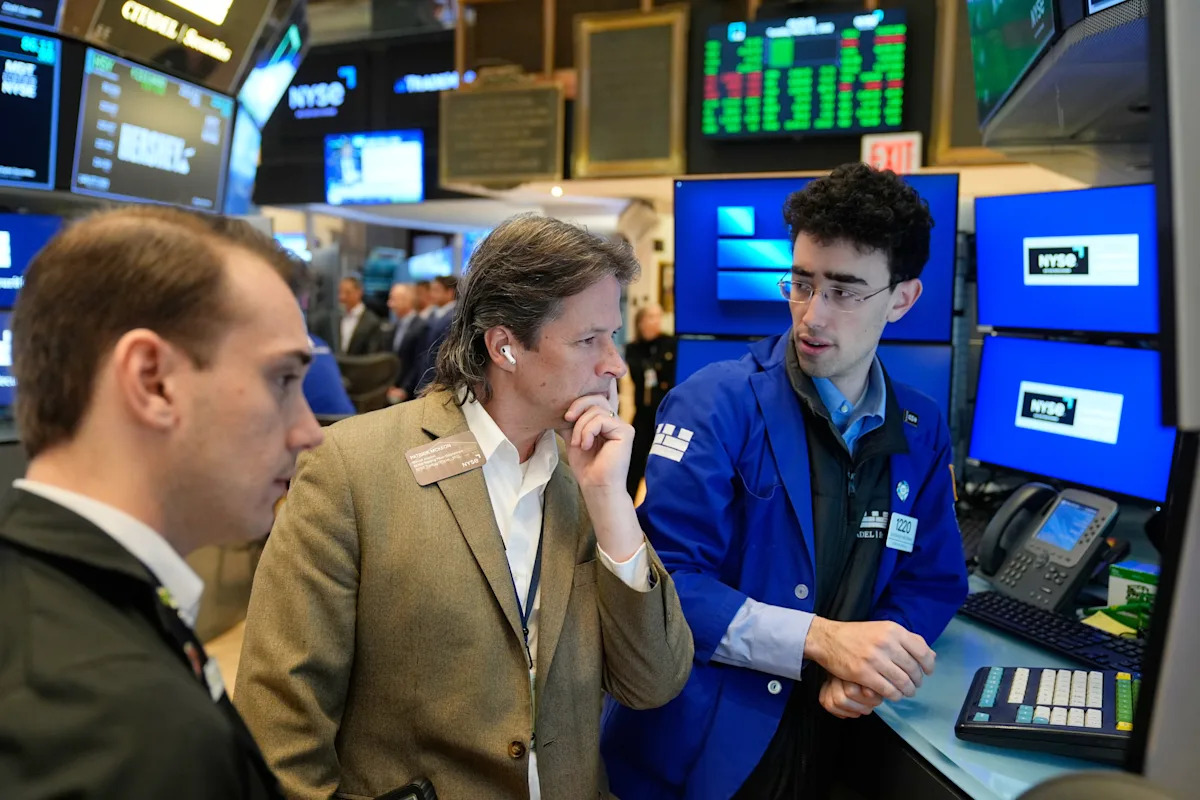
BigBear.ai Holdings Inc. saw its stock drop 6.67% as it hit a 20-day low amid broader market declines, with the Nasdaq-100 down 1.45% and the S&P 500 down 1.38%.
The company is currently facing significant challenges, including a delay in shareholder voting related to its acquisition strategy. This delay could hinder its ability to increase share capital, which is deemed crucial for supporting acquisitions and product development. Additionally, despite a recent $250 million acquisition of Ask Sage aimed at boosting revenue, concerns about its growth prospects persist, particularly given its reliance on government contracts and the limited market demand for its niche products.
These factors contribute to ongoing volatility in BigBear.ai's stock price, raising questions about its future performance and investor confidence.
Trade with 70% Backtested Accuracy
Analyst Views on BBAI

About BBAI
About the author


Investors Anticipate Success of AI Companies

- Investor Confidence Boost: As successful cases of AI companies increase, investor confidence in related firms has significantly risen, driving market attention towards these companies.
- Stock Price Volatility: As of the afternoon of April 7, 2026, stock prices of relevant companies showed notable fluctuations, reflecting optimistic market expectations for the AI industry's future.
- Market Trend Analysis: Analysts indicate that the rapid development of AI technology may lead to a new wave of investment enthusiasm, attracting more capital into this sector.
- Positive Future Outlook: With the continuous expansion of AI application scenarios, investors generally believe that these companies will achieve higher growth potential in the future, further driving stock price increases.

BigBear.ai Stock Continues to Decline Amid Market Volatility
- Stock Price Decline: BigBear.ai's stock fell 11.2% in March, contrasting with the S&P 500 and Nasdaq Composite's declines of 5.1% and 4.8%, respectively, indicating the company's vulnerability amid market volatility.
- Disappointing Earnings Report: The fourth-quarter results released on March 2 revealed sales of $27.3 million, significantly below the $33.3 million expected by Wall Street analysts, resulting in a smaller-than-expected loss of $0.01 per share, highlighting weak business growth.
- Analyst Downgrades: Following the earnings report, multiple analysts downgraded BigBear.ai's price targets, with H.C. Wainwright reducing it from $8 to $6 and Cantor Fitzgerald from $6 to $5, reflecting concerns about the company's future outlook.
- Market Environment Impact: Despite a broader market rally in April, BigBear.ai's stock has declined approximately 1.7%, suggesting that even as a defense services provider, the company is not immune to market risks, particularly with the recent U.S.-Israel ceasefire potentially weakening demand for defense-related stocks.

BigBear.ai Appoints New Executives to Strengthen Leadership
- Executive Appointments: BigBear.ai has announced the appointment of Jo Ann Bjornson as Chief Human Resources Officer and Alex Thompson as Chief Corporate Affairs Officer, aiming to drive growth and innovation while strengthening its position as a trusted partner in mission-critical environments.
- HR Leadership Experience: Jo Ann Bjornson brings over 25 years of experience in human resources leadership within federal contracting and commercial markets, having held senior HR roles at V2X, SAIC, and Leidos, reflecting the company's commitment to effective HR management.
- Brand Strategy Leadership: Alex Thompson also brings 25 years of experience, previously serving as President of Global Practices & Sectors at Edelman, where he led brand strategy and government affairs, which is expected to enhance BigBear.ai's market influence and brand image.
- CEO Emphasizes Leadership Importance: BigBear.ai CEO Kevin McAleenan highlighted that having the right leadership is essential as the company accelerates into 2026, to meet the demands of customers and global partners for speed, integrity, and capability.
BIGBEAR.AI NAMES JO ANN BJORNSON AS CHIEF HUMAN RESOURCES OFFICER AND ALEX THOMPSON AS CHIEF CORPORATE AFFAIRS OFFICER
New Appointments Announced: Big Bear AI has announced the appointments of Joann B. Jorns as Chief Human Resources Officer and Alex Thompson as Chief Corporate Affairs Officer.
Leadership Changes: The new appointments are part of a strategic move to enhance the company's leadership team and improve organizational effectiveness.

Investment Opportunities Amid AI Market Volatility


- Winners and Losers Divergence: As inflation and geopolitical tensions impact the market, many AI stocks have pulled back; however, companies like Nvidia, Broadcom, and Lumentum remain attractive due to their provision of essential hardware, expected to benefit from long-term growth in the AI sector.
- Nvidia's Market Dominance: Nvidia's data center GPUs demonstrate superior efficiency in processing AI tasks compared to traditional CPUs, with a market cap of $4.3 trillion, solidifying its irreplaceable role in training AI algorithms and maintaining a strong market share.
- Broadcom's Technological Edge: Broadcom meets data centers' high-speed transmission needs with custom AI accelerators and optical networking chips, having expanded its infrastructure software business through acquisitions over the past decade, further solidifying its market position.
- Challenges for Smaller Firms: Smaller software companies like C3.ai and BigBear.ai face slowing growth as competition intensifies from large tech firms like Microsoft and Amazon, which could marginalize them, prompting investors to navigate market volatility with caution.

Analysis of Winners and Losers in the AI Market
- Market Correction Opportunities: Despite many AI stocks pulling back due to inflation and geopolitical conflicts, this creates attractive buying opportunities for long-term investors, especially as large tech companies continue to invest in AI infrastructure.
- Rising Hardware Demand: Companies like Nvidia, Broadcom, and Lumentum stand out as compelling AI investments due to their provision of essential hardware, with Nvidia's data center GPUs significantly enhancing the efficiency of AI algorithm training by processing parallel tasks.
- Bottleneck Breakthrough: Lumentum's optical networking equipment addresses bottlenecks caused by older copper connections in data centers, leading to a substantial increase in sales over the past year, reflecting strong market demand for efficient transmission solutions.
- Challenges for Smaller Software Firms: Smaller software companies like C3.ai and BigBear.ai are experiencing slower growth, and as larger tech firms integrate more scalable AI services, these companies may face marginalization, prompting investors to carefully assess their future prospects.
Investors Anticipate Success of AI Companies
- Investor Confidence Boost: As successful cases of AI companies increase, investor confidence in related firms has significantly risen, driving market attention towards these companies.
- Stock Price Volatility: As of the afternoon of April 7, 2026, stock prices of relevant companies showed notable fluctuations, reflecting optimistic market expectations for the AI industry's future.
- Market Trend Analysis: Analysts indicate that the rapid development of AI technology may lead to a new wave of investment enthusiasm, attracting more capital into this sector.
- Positive Future Outlook: With the continuous expansion of AI application scenarios, investors generally believe that these companies will achieve higher growth potential in the future, further driving stock price increases.
BigBear.ai Stock Continues to Decline Amid Market Volatility
- Stock Price Decline: BigBear.ai's stock fell 11.2% in March, contrasting with the S&P 500 and Nasdaq Composite's declines of 5.1% and 4.8%, respectively, indicating the company's vulnerability amid market volatility.
- Disappointing Earnings Report: The fourth-quarter results released on March 2 revealed sales of $27.3 million, significantly below the $33.3 million expected by Wall Street analysts, resulting in a smaller-than-expected loss of $0.01 per share, highlighting weak business growth.
- Analyst Downgrades: Following the earnings report, multiple analysts downgraded BigBear.ai's price targets, with H.C. Wainwright reducing it from $8 to $6 and Cantor Fitzgerald from $6 to $5, reflecting concerns about the company's future outlook.
- Market Environment Impact: Despite a broader market rally in April, BigBear.ai's stock has declined approximately 1.7%, suggesting that even as a defense services provider, the company is not immune to market risks, particularly with the recent U.S.-Israel ceasefire potentially weakening demand for defense-related stocks.
BigBear.ai Appoints New Executives to Strengthen Leadership
- Executive Appointments: BigBear.ai has announced the appointment of Jo Ann Bjornson as Chief Human Resources Officer and Alex Thompson as Chief Corporate Affairs Officer, aiming to drive growth and innovation while strengthening its position as a trusted partner in mission-critical environments.
- HR Leadership Experience: Jo Ann Bjornson brings over 25 years of experience in human resources leadership within federal contracting and commercial markets, having held senior HR roles at V2X, SAIC, and Leidos, reflecting the company's commitment to effective HR management.
- Brand Strategy Leadership: Alex Thompson also brings 25 years of experience, previously serving as President of Global Practices & Sectors at Edelman, where he led brand strategy and government affairs, which is expected to enhance BigBear.ai's market influence and brand image.
- CEO Emphasizes Leadership Importance: BigBear.ai CEO Kevin McAleenan highlighted that having the right leadership is essential as the company accelerates into 2026, to meet the demands of customers and global partners for speed, integrity, and capability.
BIGBEAR.AI NAMES JO ANN BJORNSON AS CHIEF HUMAN RESOURCES OFFICER AND ALEX THOMPSON AS CHIEF CORPORATE AFFAIRS OFFICER
New Appointments Announced: Big Bear AI has announced the appointments of Joann B. Jorns as Chief Human Resources Officer and Alex Thompson as Chief Corporate Affairs Officer.
Leadership Changes: The new appointments are part of a strategic move to enhance the company's leadership team and improve organizational effectiveness.
Investment Opportunities Amid AI Market Volatility
- Winners and Losers Divergence: As inflation and geopolitical tensions impact the market, many AI stocks have pulled back; however, companies like Nvidia, Broadcom, and Lumentum remain attractive due to their provision of essential hardware, expected to benefit from long-term growth in the AI sector.
- Nvidia's Market Dominance: Nvidia's data center GPUs demonstrate superior efficiency in processing AI tasks compared to traditional CPUs, with a market cap of $4.3 trillion, solidifying its irreplaceable role in training AI algorithms and maintaining a strong market share.
- Broadcom's Technological Edge: Broadcom meets data centers' high-speed transmission needs with custom AI accelerators and optical networking chips, having expanded its infrastructure software business through acquisitions over the past decade, further solidifying its market position.
- Challenges for Smaller Firms: Smaller software companies like C3.ai and BigBear.ai face slowing growth as competition intensifies from large tech firms like Microsoft and Amazon, which could marginalize them, prompting investors to navigate market volatility with caution.
Analysis of Winners and Losers in the AI Market
- Market Correction Opportunities: Despite many AI stocks pulling back due to inflation and geopolitical conflicts, this creates attractive buying opportunities for long-term investors, especially as large tech companies continue to invest in AI infrastructure.
- Rising Hardware Demand: Companies like Nvidia, Broadcom, and Lumentum stand out as compelling AI investments due to their provision of essential hardware, with Nvidia's data center GPUs significantly enhancing the efficiency of AI algorithm training by processing parallel tasks.
- Bottleneck Breakthrough: Lumentum's optical networking equipment addresses bottlenecks caused by older copper connections in data centers, leading to a substantial increase in sales over the past year, reflecting strong market demand for efficient transmission solutions.
- Challenges for Smaller Software Firms: Smaller software companies like C3.ai and BigBear.ai are experiencing slower growth, and as larger tech firms integrate more scalable AI services, these companies may face marginalization, prompting investors to carefully assess their future prospects.