Baidu's Stock Declines Amid Mixed Earnings Report
Baidu Inc (BIDU) shares fell 4.44% to $124.50, hitting a 20-day low, as the company faced ongoing challenges in its core business despite reporting strong growth in its AI segment.
The decline in Baidu's stock price is closely tied to broader weakness in technology stocks and cautious global market sentiment driven by interest rate uncertainty and geopolitical tensions, which have undermined investor confidence. Additionally, while Baidu's fourth-quarter earnings beat expectations at $1.52 per share, its revenue of $4.68 billion missed estimates by $50 million, with core business revenue declining for the third straight quarter, indicating ongoing challenges.
This situation reflects a complex landscape for Baidu, where strong performance in AI and cloud services contrasts with pressures in its traditional advertising business. Investors will be closely monitoring the company's strategic responses to these challenges.
Trade with 70% Backtested Accuracy
Analyst Views on BIDU

About BIDU
About the author

Volkswagen Introduces AI Voice Assistant in China


- AI Voice Assistant Integration: Volkswagen announced that it will introduce an AI voice assistant in the second half of 2026, allowing drivers to control vehicle features via voice commands, aimed at enhancing user experience and strengthening market competitiveness.
- Localized Tech Collaboration: The AI assistant will leverage technologies from Tencent, Alibaba, and Baidu, utilizing a locally trained large language model to ensure data processing occurs within the vehicle, thereby improving response speed and safety.
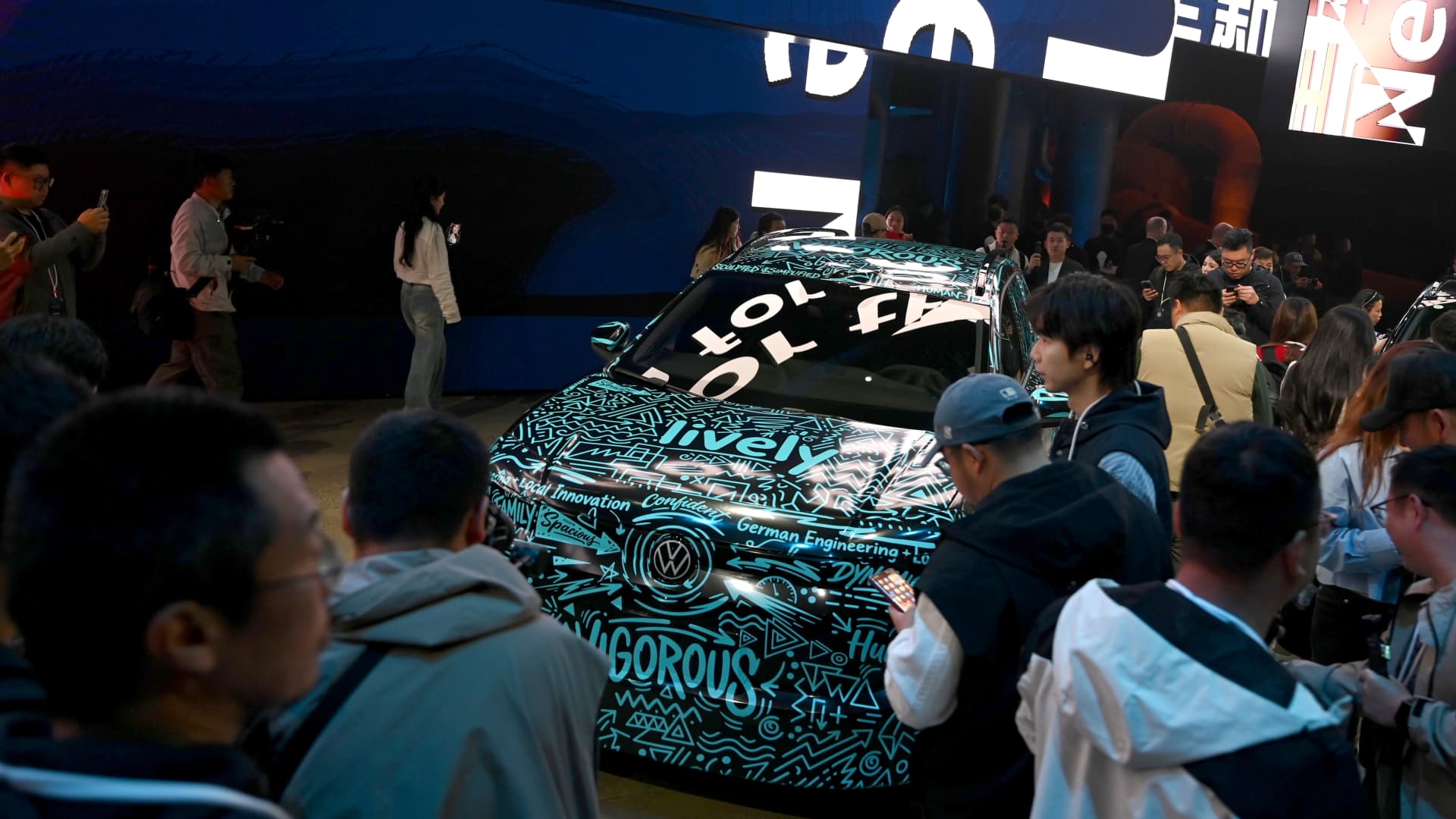
- Electric Vehicle Strategic Shift: Volkswagen showcased the ID.UNYX 09 in Beijing, co-developed with Xpeng, marking a strategic shift towards electric vehicles to recover lost market share in China.
- R&D Localization Benefits: According to a report by the German Chamber of Commerce, nearly 80% of automotive companies reported that localizing R&D in China has reduced costs, with 43% stating that their innovation speed has increased by over 40%, highlighting the strategic significance of R&D in China.
Baidu Shares Surge on Strong Cloud Business Momentum
- Cloud Business Growth: Baidu Cloud secured 25 projects worth 1.25 billion yuan in Q1, ranking first among peers in China, demonstrating its strong competitive position in the cloud computing market.
- Revenue Forecast Upgrade: Analysts predict Baidu's AI Cloud Infra revenue will grow over 40% year-on-year, significantly exceeding the market consensus of 29%, which is likely to further boost investor confidence and drive stock price increases.
- IPO Speculation: Speculation regarding the IPO progress of Baidu's chip unit Kunlunxin has also contributed to the stock rally, reflecting market optimism about its future growth potential.
- Pricing Strategy: Baidu plans to raise fees by 5% to 30% on a range of cloud products and services starting April 18, a strategy aimed at increasing revenue and reflecting the enhanced value of its services.

Uber Commits $10 Billion to Acquire Autonomous Vehicle Fleet


- Strategic Shift: Uber has announced a commitment of over $10 billion to acquire thousands of autonomous vehicles, marking a significant transition from its 'asset-light' model to owning a fleet, aimed at countering threats from competitors like Waymo and Tesla.
- Market Response: This move not only surpasses last year's $9.8 billion in free cash flow but also demonstrates Uber's determination in the autonomous driving sector, with plans to launch robotaxi services in 15 cities, further solidifying its market position.
- Partnerships: Uber's investment will involve collaborations with companies like Lucid, Rivian, and China's Baidu, aiming to ensure supply chain stability and enhance its competitiveness in the autonomous driving market.
- Financial Pressure: While this investment may increase financial burdens, analysts view it as a necessary step for Uber to adapt to market changes and achieve long-term growth, especially in competition with giants like Amazon and Alphabet.
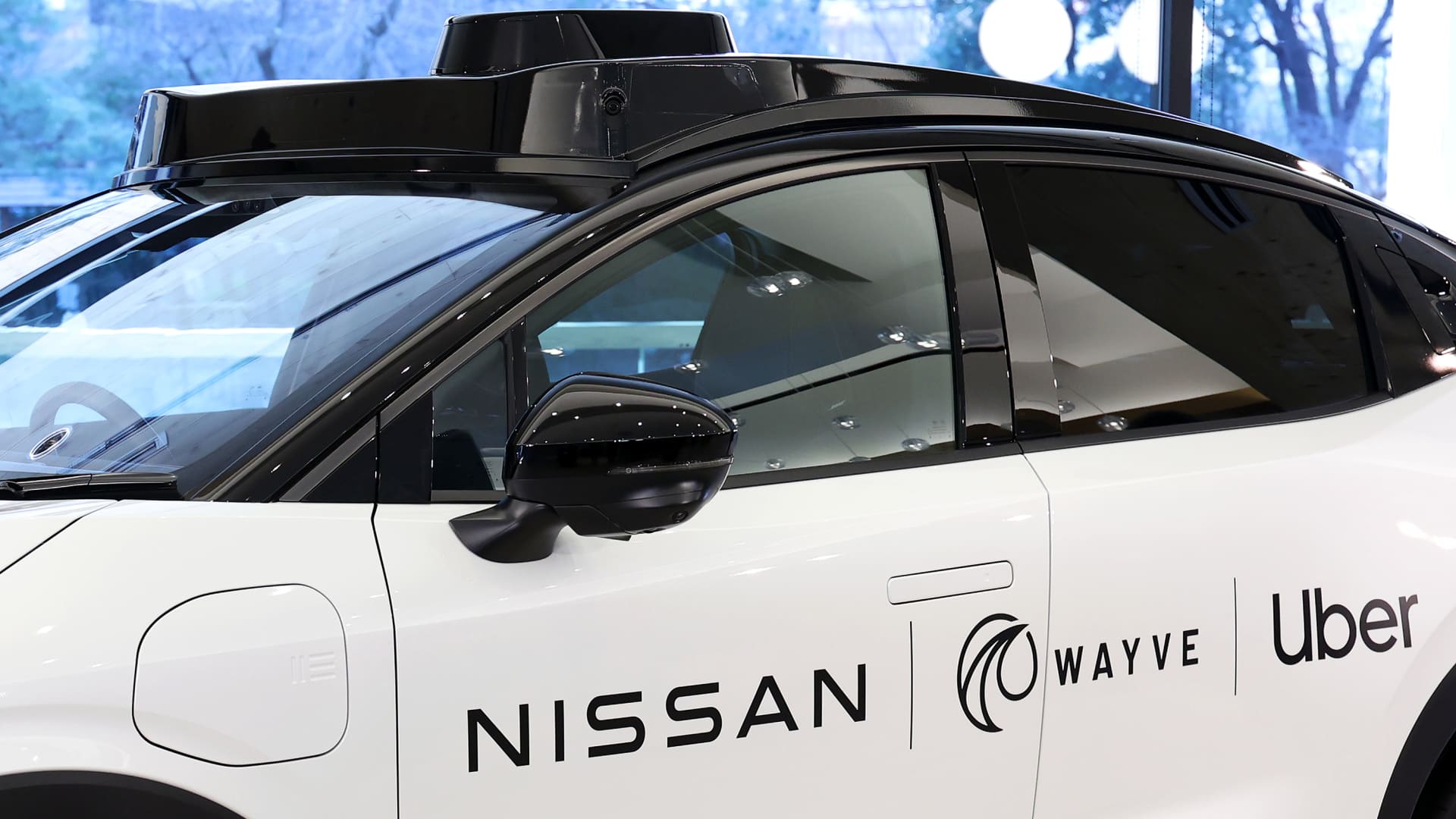
Wayve Secures $60 Million Funding to Advance Autonomous Driving Technology


- Funding Update: British autonomous driving startup Wayve announced on Wednesday that it raised $60 million from Qualcomm, AMD, and Arm, marking a follow-on investment to its $1.2 billion funding round in February, highlighting its appeal and potential in the autonomous driving sector.
- Technological Edge: Wayve's technology aims to enable cars to drive autonomously without the need for high-definition maps or extensive training in specific areas, presenting a distinct approach compared to competitors like Waymo, which could accelerate its market penetration.
- Collaborative Prospects: Wayve has signed a commercial agreement with Nissan to integrate its AI technology into Nissan's driver-assistance systems, while also collaborating with Uber to develop robotaxis, indicating its intent to expand in global markets and commercialize its offerings.
- Market Competition: Wayve is testing its driverless cars in the U.K., Germany, Japan, and the U.S., facing fierce competition from Waymo and Chinese players like Baidu, WeRide, and Pony.ai, which will impact its market share and the speed of technology adoption.

Wayve Secures $60 Million Investment from Major Tech Firms
- Funding Background: Wayve announced a $60 million follow-on investment from Qualcomm, AMD, and Arm, part of its $1.2 billion funding round from February, demonstrating its ongoing appeal in the autonomous driving sector.
- Technological Advantage: Wayve's technology aims to enable autonomous driving without the need for high-definition maps or extensive localized training, contrasting sharply with competitors like Waymo, potentially providing a competitive edge in the market.
- Market Expansion: Currently testing its driverless cars in the U.K., Germany, Japan, and the U.S., Wayve has signed a commercial deal with Nissan to integrate its AI into Nissan's driver-assistance systems, further pushing towards technology commercialization.
- Competitive Pressure: Despite backing from major semiconductor firms, Wayve faces intense competition from Waymo and Chinese players like Baidu, who are expanding their driverless technology offerings internationally, which could impact Wayve's market share.
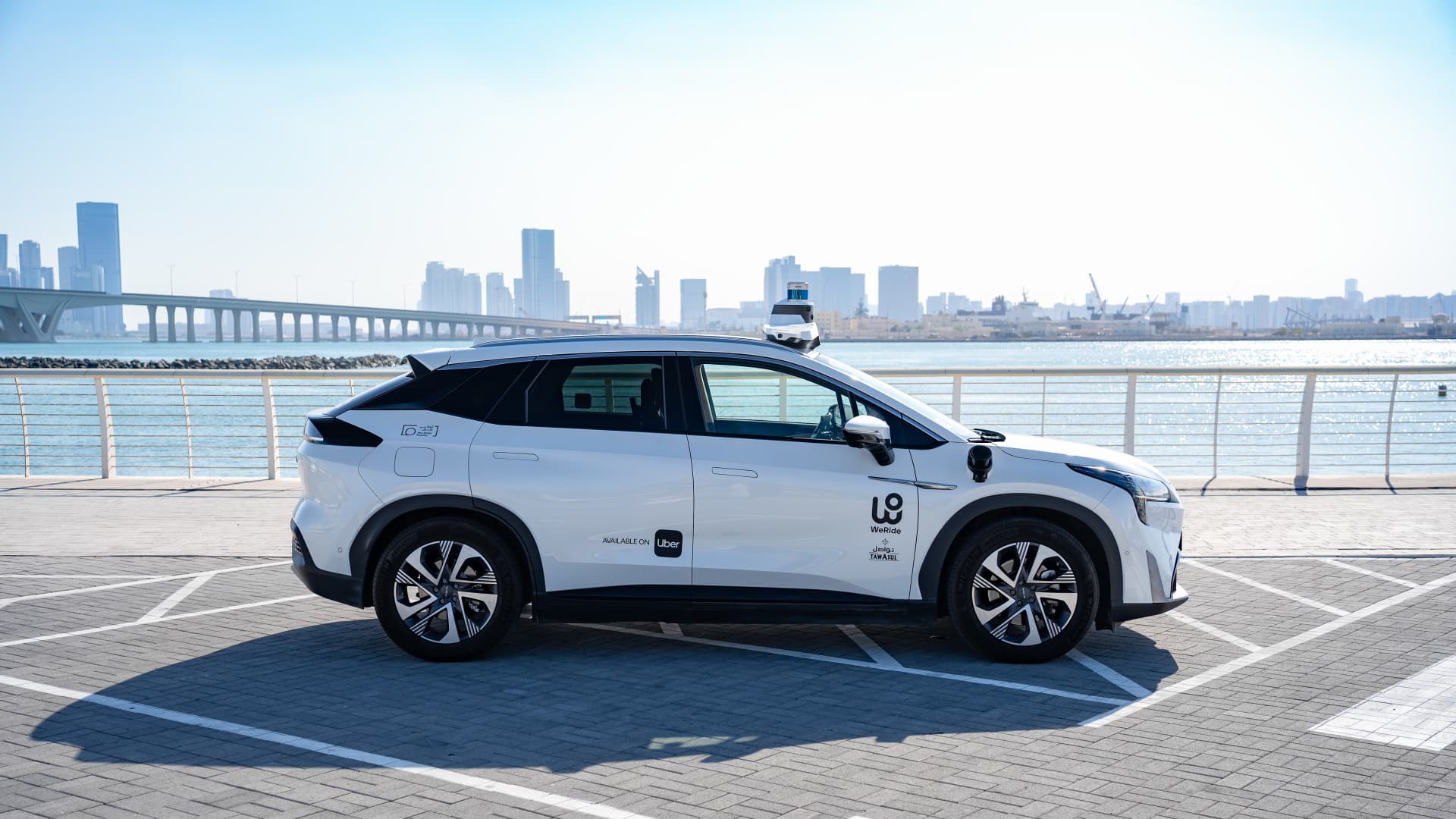
Didi Launches First Robotaxi Test in UAE
- International Expansion Plans: Didi plans to initiate its first overseas robotaxi test in the UAE later this year, marking a significant step in its global strategy aimed at enhancing international competitiveness.
- Market Collaboration Dynamics: Didi's growing collaboration with local governments and businesses in Abu Dhabi, particularly following a meeting with the Crown Prince, underscores the increasing influence of Chinese firms in the Middle Eastern market.
- Competitive Landscape Analysis: In addition to Didi, Guangzhou-based WeRide and Pony.ai are also actively expanding in the UAE, with WeRide launching a fully driverless fare-charging robotaxi service in Dubai, indicating intensifying competition among Chinese robotaxi companies on the global stage.
- Future Development Prospects: With the rapid growth of the Middle Eastern market, over 1,000 robotaxis are expected to be operational in Dubai over the next few years, which will not only drive innovation in local transportation services but also provide new growth opportunities for Chinese companies in the international market.
Volkswagen Introduces AI Voice Assistant in China
- AI Voice Assistant Integration: Volkswagen announced that it will introduce an AI voice assistant in the second half of 2026, allowing drivers to control vehicle features via voice commands, aimed at enhancing user experience and strengthening market competitiveness.
- Localized Tech Collaboration: The AI assistant will leverage technologies from Tencent, Alibaba, and Baidu, utilizing a locally trained large language model to ensure data processing occurs within the vehicle, thereby improving response speed and safety.
- Electric Vehicle Strategic Shift: Volkswagen showcased the ID.UNYX 09 in Beijing, co-developed with Xpeng, marking a strategic shift towards electric vehicles to recover lost market share in China.
- R&D Localization Benefits: According to a report by the German Chamber of Commerce, nearly 80% of automotive companies reported that localizing R&D in China has reduced costs, with 43% stating that their innovation speed has increased by over 40%, highlighting the strategic significance of R&D in China.
Baidu Shares Surge on Strong Cloud Business Momentum
- Cloud Business Growth: Baidu Cloud secured 25 projects worth 1.25 billion yuan in Q1, ranking first among peers in China, demonstrating its strong competitive position in the cloud computing market.
- Revenue Forecast Upgrade: Analysts predict Baidu's AI Cloud Infra revenue will grow over 40% year-on-year, significantly exceeding the market consensus of 29%, which is likely to further boost investor confidence and drive stock price increases.
- IPO Speculation: Speculation regarding the IPO progress of Baidu's chip unit Kunlunxin has also contributed to the stock rally, reflecting market optimism about its future growth potential.
- Pricing Strategy: Baidu plans to raise fees by 5% to 30% on a range of cloud products and services starting April 18, a strategy aimed at increasing revenue and reflecting the enhanced value of its services.
Uber Commits $10 Billion to Acquire Autonomous Vehicle Fleet
- Strategic Shift: Uber has announced a commitment of over $10 billion to acquire thousands of autonomous vehicles, marking a significant transition from its 'asset-light' model to owning a fleet, aimed at countering threats from competitors like Waymo and Tesla.
- Market Response: This move not only surpasses last year's $9.8 billion in free cash flow but also demonstrates Uber's determination in the autonomous driving sector, with plans to launch robotaxi services in 15 cities, further solidifying its market position.
- Partnerships: Uber's investment will involve collaborations with companies like Lucid, Rivian, and China's Baidu, aiming to ensure supply chain stability and enhance its competitiveness in the autonomous driving market.
- Financial Pressure: While this investment may increase financial burdens, analysts view it as a necessary step for Uber to adapt to market changes and achieve long-term growth, especially in competition with giants like Amazon and Alphabet.
Wayve Secures $60 Million Funding to Advance Autonomous Driving Technology
- Funding Update: British autonomous driving startup Wayve announced on Wednesday that it raised $60 million from Qualcomm, AMD, and Arm, marking a follow-on investment to its $1.2 billion funding round in February, highlighting its appeal and potential in the autonomous driving sector.
- Technological Edge: Wayve's technology aims to enable cars to drive autonomously without the need for high-definition maps or extensive training in specific areas, presenting a distinct approach compared to competitors like Waymo, which could accelerate its market penetration.
- Collaborative Prospects: Wayve has signed a commercial agreement with Nissan to integrate its AI technology into Nissan's driver-assistance systems, while also collaborating with Uber to develop robotaxis, indicating its intent to expand in global markets and commercialize its offerings.
- Market Competition: Wayve is testing its driverless cars in the U.K., Germany, Japan, and the U.S., facing fierce competition from Waymo and Chinese players like Baidu, WeRide, and Pony.ai, which will impact its market share and the speed of technology adoption.
Wayve Secures $60 Million Investment from Major Tech Firms
- Funding Background: Wayve announced a $60 million follow-on investment from Qualcomm, AMD, and Arm, part of its $1.2 billion funding round from February, demonstrating its ongoing appeal in the autonomous driving sector.
- Technological Advantage: Wayve's technology aims to enable autonomous driving without the need for high-definition maps or extensive localized training, contrasting sharply with competitors like Waymo, potentially providing a competitive edge in the market.
- Market Expansion: Currently testing its driverless cars in the U.K., Germany, Japan, and the U.S., Wayve has signed a commercial deal with Nissan to integrate its AI into Nissan's driver-assistance systems, further pushing towards technology commercialization.
- Competitive Pressure: Despite backing from major semiconductor firms, Wayve faces intense competition from Waymo and Chinese players like Baidu, who are expanding their driverless technology offerings internationally, which could impact Wayve's market share.
Didi Launches First Robotaxi Test in UAE
- International Expansion Plans: Didi plans to initiate its first overseas robotaxi test in the UAE later this year, marking a significant step in its global strategy aimed at enhancing international competitiveness.
- Market Collaboration Dynamics: Didi's growing collaboration with local governments and businesses in Abu Dhabi, particularly following a meeting with the Crown Prince, underscores the increasing influence of Chinese firms in the Middle Eastern market.
- Competitive Landscape Analysis: In addition to Didi, Guangzhou-based WeRide and Pony.ai are also actively expanding in the UAE, with WeRide launching a fully driverless fare-charging robotaxi service in Dubai, indicating intensifying competition among Chinese robotaxi companies on the global stage.
- Future Development Prospects: With the rapid growth of the Middle Eastern market, over 1,000 robotaxis are expected to be operational in Dubai over the next few years, which will not only drive innovation in local transportation services but also provide new growth opportunities for Chinese companies in the international market.