AST SpaceMobile Faces Challenges Amid Launch Failures and Competition

AST SpaceMobile Inc. experienced a decline of 3.01% as it hit a 20-day low, reflecting investor concerns following recent setbacks.
The company's stock price drop is largely attributed to the failure of its BlueBird-7 satellite launch, which has raised significant doubts about its ability to meet deployment targets. Additionally, insider selling by founder Hiroshi Mikitani, who sold $271 million worth of stock, has further fueled bearish sentiment. The competitive landscape is also intensifying, particularly with SpaceX seeking regulatory approval for direct-to-device internet connectivity, which could undermine AST's market position.
These developments highlight the challenges AST SpaceMobile faces in achieving its ambitious goals in the satellite communications market. The combination of technical difficulties, regulatory hurdles, and increased competition may hinder its growth prospects, leading to a cautious outlook among investors.
Trade with 70% Backtested Accuracy
Analyst Views on ASTS

About ASTS
About the author

ASTS Faces Shipment Challenges and Earnings Expectations
- Tight Shipment Timeline: AST SpaceMobile has committed to delivering BlueBird 8-10 within 30 days, with 17 days already elapsed, leading investors to question whether the company can meet this deadline, which could significantly impact market confidence and stock performance if unmet.
- Satellite Target Downgrade Risk: BofA has warned that ASTS may fall short of its target of 45 satellites by the end of the year, estimating a shortfall of about seven satellites, which could exacerbate investor concerns regarding the company's future growth potential.
- Optimistic Earnings Outlook: Fiscal AI estimates that ASTS will achieve $40 million in revenue for Q1, a substantial increase from $3.25 million a year ago, although a projected loss of $0.17 per share indicates ongoing challenges, yet highlights the company's revenue growth potential.
- Investor Sentiment Shift: Despite Rakuten Mobile's sale of 5.1 million ASTS shares, investor sentiment on Stocktwits has shifted from 'bearish' to 'neutral', reflecting a growing interest and anticipation regarding the company's future performance.

AST SpaceMobile's Satellite Launch Plans Hit Setback
- Satellite Deployment Goals: AST SpaceMobile aims to deploy 45 to 60 satellites by the end of 2026 for continuous market coverage; however, the failure of the BlueBird 7 satellite launch on Blue Origin's New Glenn rocket may delay these plans, impacting the company's competitive position in the satellite market.
- Launch Capacity Constraints: The grounding of the New Glenn rocket by the FAA due to upper-stage engine failure severely hampers AST's launch schedule, necessitating approximately 13 Falcon 9 launches to meet its goals, which increases both time and cost pressures.
- Revenue Expectations Adjustment: While AST's management anticipates revenues of $150 million to $200 million this year, the launch delays challenge analysts' forecasts of $1 billion for 2027, potentially undermining investor confidence.
- Intensifying Market Competition: AST faces fierce competition from SpaceX's Starlink, making timely market entry crucial for early-stage players; the recent launch failure could negatively impact its stock price, prompting investors to carefully assess its future profitability.
ASTS Plans Mid-June Launch of Three Satellites
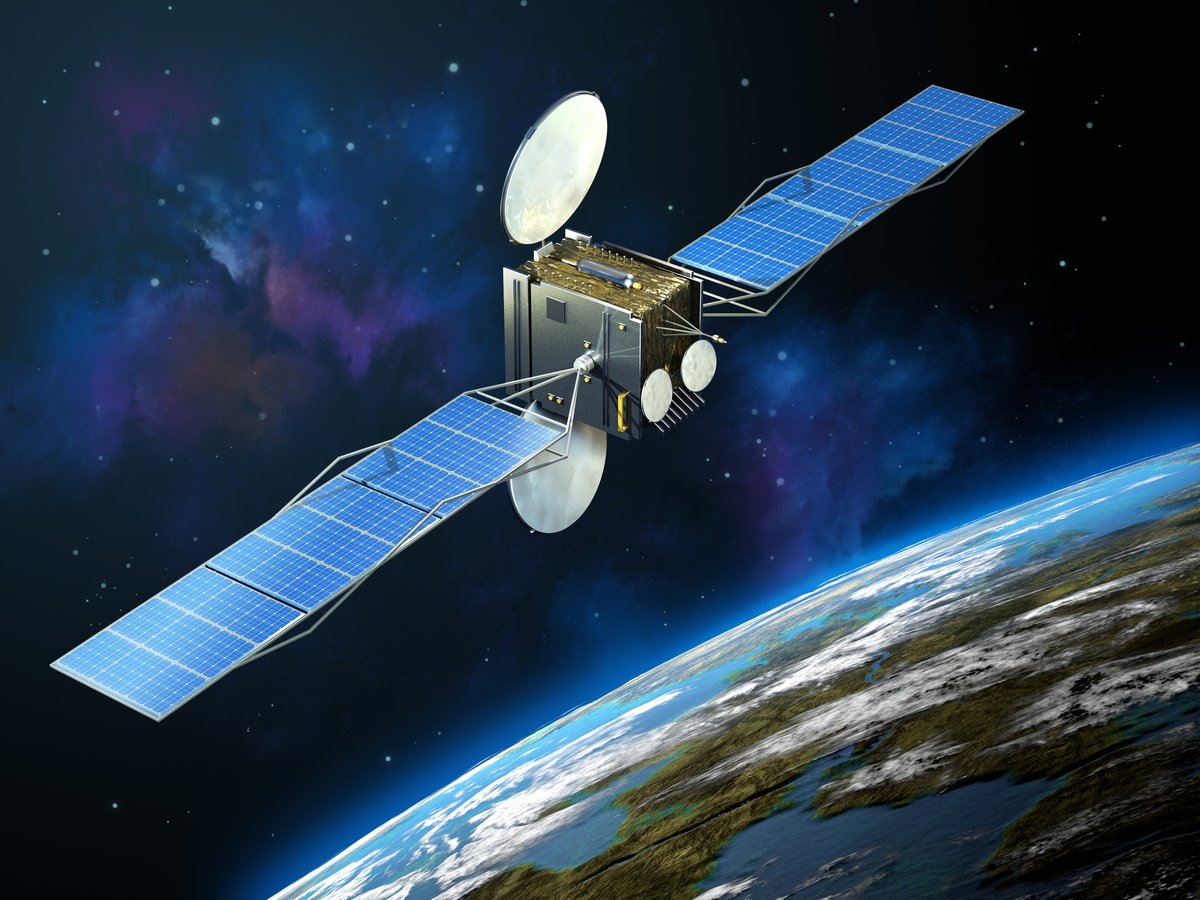
- Launch Plan Update: AST SpaceMobile announced a mid-June launch for three BlueBird satellites aboard a Falcon 9 rocket, with plans for launches every one to two months on average, aiming to expand its satellite-based mobile broadband network and enhance market competitiveness.
- Manufacturing Capacity Showcase: The company released a video of its Texas factory highlighting over 500,000 square feet of manufacturing capacity and ongoing satellite assembly operations, which not only boosts investor confidence but also lays the groundwork for future production scalability.
- Stock Price Surge: Following the launch announcement, ASTS shares jumped 4% in extended trading and rose 11% on Monday to close at $70.68, marking its best performance in over a month, reflecting market optimism ahead of the upcoming earnings report.
- Investor Dynamics: Rakuten Mobile completed its trading plan, selling all its shares and now holding a 5.3% stake in ASTS, raising investor concerns about the company's ability to achieve its target of 45 satellites in orbit by year-end, although analysts estimate a shortfall of about 7 satellites.
AST SpaceMobile's Satellite Launch Plans Hit Snag
- Launch Plans Stalled: AST SpaceMobile aimed to deploy 45 to 60 satellites by the end of 2026 to cover target markets, but the failure of the BlueBird 7 satellite launch has significantly impacted these plans, potentially delaying implementation.
- Launch Capacity Constraints: With the FAA grounding the New Glenn rocket for investigation, AST SpaceMobile faces launch delays; while New Glenn can carry eight satellites, SpaceX's Falcon 9 can only carry three to four, necessitating approximately 13 Falcon 9 launches to meet its goals.
- Revenue Expectations Downgraded: Management projected revenue between $150 million and $200 million this year, but the path to achieving this target has become longer due to launch delays, with analysts forecasting $1 billion in revenue by 2027, contingent on the fleet providing continuous service.
- Intensified Market Competition: AST SpaceMobile faces fierce competition from SpaceX's Starlink satellites, making time-to-market crucial for these early-stage players; amidst a 2,689% stock price increase over the past two years, investor concerns about profitability and competitiveness may intensify.

AST SpaceMobile's Stock Soars Amid Expansion Plans

- Stock Recovery: AST SpaceMobile's stock has rebounded from an all-time low of $2.01 in April 2024 to nearly $70, reflecting market confidence in its growth potential, particularly following significant telecom partnerships.
- Satellite Launch Progress: To date, AST has successfully launched seven satellites, including five BlueBird satellites in September 2024 and a larger Block 2 satellite in December 2025, which provide a crucial technological foundation and enhance its competitive position in the market.
- Expansion Plans Approved: The FCC approved AST's ambitious long-term expansion plans in April 2024, aiming to increase its satellite count to 45-60 by the end of 2026, positioning the company to challenge competitors like SpaceX and Amazon in the LEO satellite market.
- Revenue Projections Surge: Analysts expect AST's revenue to soar from $71 million in 2025 to $1.86 billion by 2028, with EBITDA projected to turn positive in 2027 and reach $1.26 billion in 2028, indicating significant future profitability and market value potential.
SpaceX IPO Could Significantly Reduce AST Stake

- Shareholder Structure Shift: Analyst Tim Farrar warned that a SpaceX IPO could reduce Alphabet's stake in AST SpaceMobile from 25% to less than 1%, significantly impacting AST's market position and leading to diminished investor confidence.
- Launch Failure Risks: The failure of the BlueBird-7 launch has raised concerns about AST's ability to meet its target of deploying 45 satellites by 2026, with BofA estimating a potential shortfall of about 7 satellites, which could hinder its future competitiveness.
- Technical Challenges Intensified: Farrar highlighted the technical viability issues of AST's reliance on legacy smartphones, particularly regarding latency and signal path disadvantages, which may place AST at a competitive disadvantage against SpaceX.
- Regulatory Hurdles: Following the FCC's rejection of AST's requests, the company faces regulatory challenges, although it received approval to deploy 248 low Earth orbit satellites; overall progress remains constrained, potentially impacting its market expansion plans.
ASTS Faces Shipment Challenges and Earnings Expectations
- Tight Shipment Timeline: AST SpaceMobile has committed to delivering BlueBird 8-10 within 30 days, with 17 days already elapsed, leading investors to question whether the company can meet this deadline, which could significantly impact market confidence and stock performance if unmet.
- Satellite Target Downgrade Risk: BofA has warned that ASTS may fall short of its target of 45 satellites by the end of the year, estimating a shortfall of about seven satellites, which could exacerbate investor concerns regarding the company's future growth potential.
- Optimistic Earnings Outlook: Fiscal AI estimates that ASTS will achieve $40 million in revenue for Q1, a substantial increase from $3.25 million a year ago, although a projected loss of $0.17 per share indicates ongoing challenges, yet highlights the company's revenue growth potential.
- Investor Sentiment Shift: Despite Rakuten Mobile's sale of 5.1 million ASTS shares, investor sentiment on Stocktwits has shifted from 'bearish' to 'neutral', reflecting a growing interest and anticipation regarding the company's future performance.
AST SpaceMobile's Satellite Launch Plans Hit Setback
- Satellite Deployment Goals: AST SpaceMobile aims to deploy 45 to 60 satellites by the end of 2026 for continuous market coverage; however, the failure of the BlueBird 7 satellite launch on Blue Origin's New Glenn rocket may delay these plans, impacting the company's competitive position in the satellite market.
- Launch Capacity Constraints: The grounding of the New Glenn rocket by the FAA due to upper-stage engine failure severely hampers AST's launch schedule, necessitating approximately 13 Falcon 9 launches to meet its goals, which increases both time and cost pressures.
- Revenue Expectations Adjustment: While AST's management anticipates revenues of $150 million to $200 million this year, the launch delays challenge analysts' forecasts of $1 billion for 2027, potentially undermining investor confidence.
- Intensifying Market Competition: AST faces fierce competition from SpaceX's Starlink, making timely market entry crucial for early-stage players; the recent launch failure could negatively impact its stock price, prompting investors to carefully assess its future profitability.
ASTS Plans Mid-June Launch of Three Satellites
- Launch Plan Update: AST SpaceMobile announced a mid-June launch for three BlueBird satellites aboard a Falcon 9 rocket, with plans for launches every one to two months on average, aiming to expand its satellite-based mobile broadband network and enhance market competitiveness.
- Manufacturing Capacity Showcase: The company released a video of its Texas factory highlighting over 500,000 square feet of manufacturing capacity and ongoing satellite assembly operations, which not only boosts investor confidence but also lays the groundwork for future production scalability.
- Stock Price Surge: Following the launch announcement, ASTS shares jumped 4% in extended trading and rose 11% on Monday to close at $70.68, marking its best performance in over a month, reflecting market optimism ahead of the upcoming earnings report.
- Investor Dynamics: Rakuten Mobile completed its trading plan, selling all its shares and now holding a 5.3% stake in ASTS, raising investor concerns about the company's ability to achieve its target of 45 satellites in orbit by year-end, although analysts estimate a shortfall of about 7 satellites.
AST SpaceMobile's Satellite Launch Plans Hit Snag
- Launch Plans Stalled: AST SpaceMobile aimed to deploy 45 to 60 satellites by the end of 2026 to cover target markets, but the failure of the BlueBird 7 satellite launch has significantly impacted these plans, potentially delaying implementation.
- Launch Capacity Constraints: With the FAA grounding the New Glenn rocket for investigation, AST SpaceMobile faces launch delays; while New Glenn can carry eight satellites, SpaceX's Falcon 9 can only carry three to four, necessitating approximately 13 Falcon 9 launches to meet its goals.
- Revenue Expectations Downgraded: Management projected revenue between $150 million and $200 million this year, but the path to achieving this target has become longer due to launch delays, with analysts forecasting $1 billion in revenue by 2027, contingent on the fleet providing continuous service.
- Intensified Market Competition: AST SpaceMobile faces fierce competition from SpaceX's Starlink satellites, making time-to-market crucial for these early-stage players; amidst a 2,689% stock price increase over the past two years, investor concerns about profitability and competitiveness may intensify.
AST SpaceMobile's Stock Soars Amid Expansion Plans
- Stock Recovery: AST SpaceMobile's stock has rebounded from an all-time low of $2.01 in April 2024 to nearly $70, reflecting market confidence in its growth potential, particularly following significant telecom partnerships.
- Satellite Launch Progress: To date, AST has successfully launched seven satellites, including five BlueBird satellites in September 2024 and a larger Block 2 satellite in December 2025, which provide a crucial technological foundation and enhance its competitive position in the market.
- Expansion Plans Approved: The FCC approved AST's ambitious long-term expansion plans in April 2024, aiming to increase its satellite count to 45-60 by the end of 2026, positioning the company to challenge competitors like SpaceX and Amazon in the LEO satellite market.
- Revenue Projections Surge: Analysts expect AST's revenue to soar from $71 million in 2025 to $1.86 billion by 2028, with EBITDA projected to turn positive in 2027 and reach $1.26 billion in 2028, indicating significant future profitability and market value potential.
SpaceX IPO Could Significantly Reduce AST Stake
- Shareholder Structure Shift: Analyst Tim Farrar warned that a SpaceX IPO could reduce Alphabet's stake in AST SpaceMobile from 25% to less than 1%, significantly impacting AST's market position and leading to diminished investor confidence.
- Launch Failure Risks: The failure of the BlueBird-7 launch has raised concerns about AST's ability to meet its target of deploying 45 satellites by 2026, with BofA estimating a potential shortfall of about 7 satellites, which could hinder its future competitiveness.
- Technical Challenges Intensified: Farrar highlighted the technical viability issues of AST's reliance on legacy smartphones, particularly regarding latency and signal path disadvantages, which may place AST at a competitive disadvantage against SpaceX.
- Regulatory Hurdles: Following the FCC's rejection of AST's requests, the company faces regulatory challenges, although it received approval to deploy 248 low Earth orbit satellites; overall progress remains constrained, potentially impacting its market expansion plans.