Aluminum Prices Surge Amid Supply Disruptions Boosting Alcoa Corp
Alcoa Corp's stock rose by 5.30% as it crossed above the 20-day SMA, reflecting strong market reactions to rising aluminum prices.
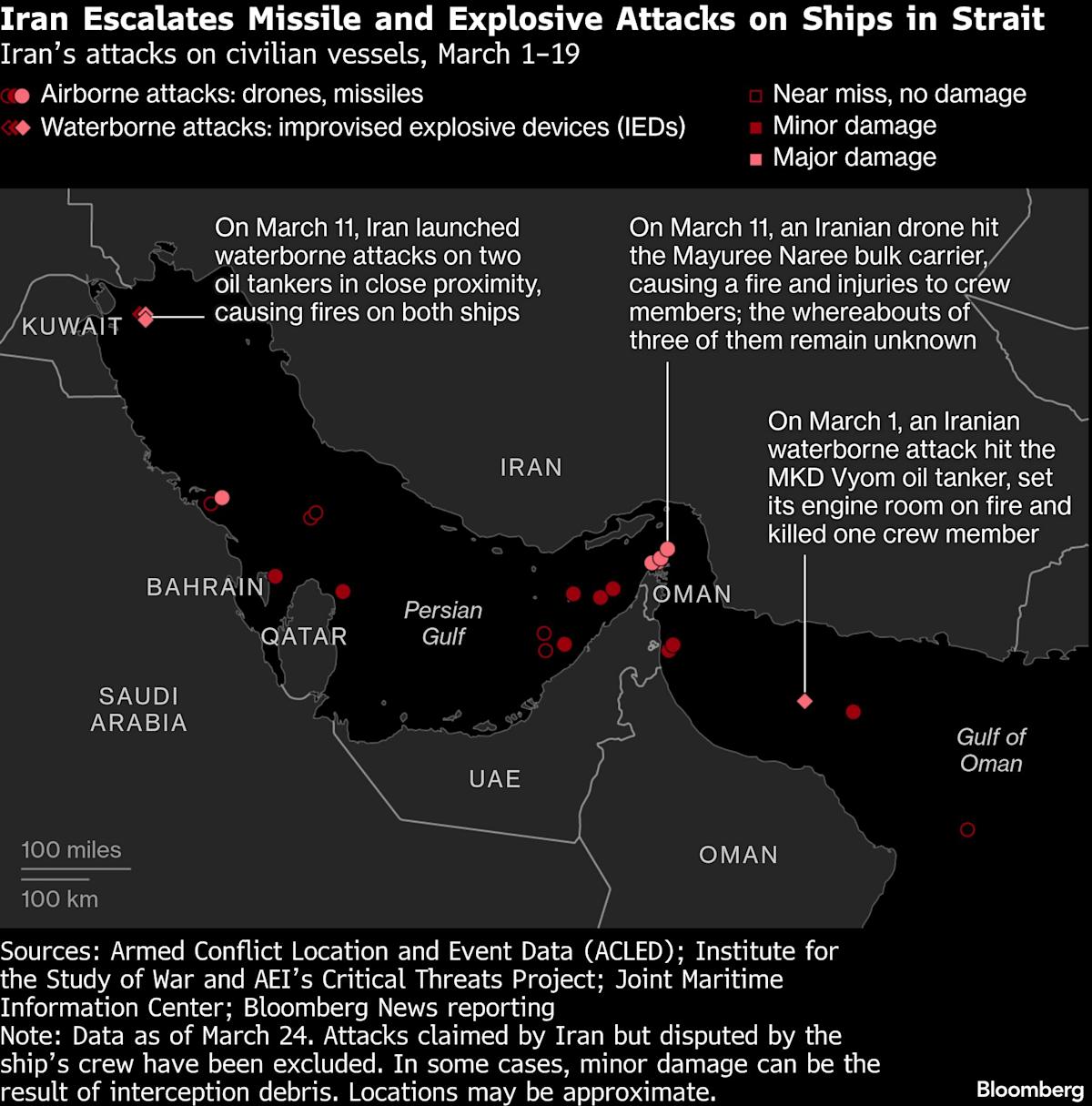
The surge in aluminum prices, reaching $3,418 per ton due to Alba Aluminum declaring force majeure amid transit disruptions through the Strait of Hormuz, has created significant supply concerns in the industry. This situation is exacerbated by a decline in domestic smelting capacity in the U.S., increasing vulnerability to import shocks and tightening future supply.
The implications of these supply disruptions are profound, as they not only affect aluminum prices but also impact industries reliant on aluminum, such as automotive and construction, potentially leading to increased manufacturing costs and market volatility.
Trade with 70% Backtested Accuracy
Analyst Views on AA

About AA
About the author


Impact of War on Metal Markets


- Aluminum Surge: Since the onset of the war, aluminum futures have surged nearly 12%, indicating strong market demand that may reflect supply chain tensions and investor optimism about future needs.
- Precious Metals Decline: In stark contrast to aluminum, gold futures have fallen about 9%, while silver, palladium, and platinum futures have dropped between 17% and 19%, suggesting a waning interest in safe-haven assets and potential for increased market volatility.
- Tariff Impact: One year after Trump's tariff announcement, Walmart's stock has risen nearly 40%, and Tesla's shares have soared about 35%, indicating that some companies have successfully adapted to policy changes, while Best Buy's 15% decline highlights the varied impacts across different firms.
- Jobless Claims Expectations: Initial jobless claims are expected to reach 212,000, with a trade deficit forecast of $62 billion, up from last month's $54.46 billion, reflecting the complexities of economic recovery and market focus on upcoming economic data.
Abu Dhabi Smelter Shutdown Sparks Aluminum Price Surge
- Aluminum Price Surge: The shutdown of the Abu Dhabi smelter due to strikes has led to a 2% increase in aluminum prices on the London Metal Exchange, indicating market concerns over supply disruptions that could lead to further price volatility.
- Smelter Operations Halted: Emirates Global Aluminium was forced to halt operations at its Al Taweelah smelter after it was struck by Iranian missiles and drones, resulting in a power loss that impacts aluminum production capacity and may exert pressure on the global aluminum supply chain.
- Analyst Rating Upgrades: JPMorgan upgraded Alcoa's rating from 'Underweight' to 'Neutral' with a price target increase from $50 to $68, reflecting a positive outlook on the aluminum market, particularly amid rising regional supply risks.
- Positive Market Reaction: Shares of Alcoa, Kaiser Aluminum, and Century Aluminum have gained 32%, 11.5%, and 57.5% respectively this year, demonstrating strong investor confidence in the aluminum sector, especially in light of the current geopolitical tensions.
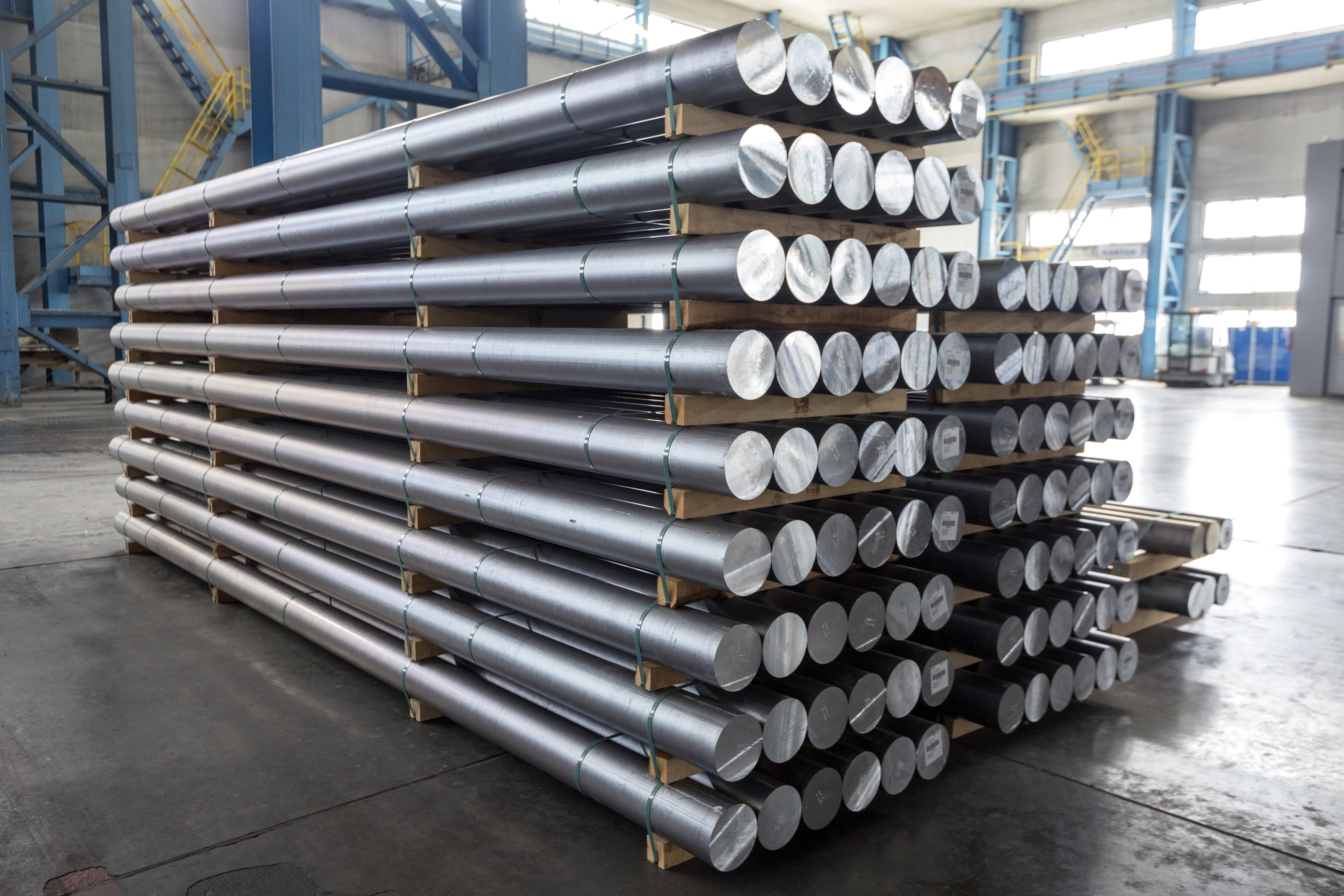
Alcoa Stock Rises on Middle East Aluminum Crisis
- Stock Surge: Alcoa (AA) surged 6.1% in Wednesday's trading to a three-year high, driven by reports that Emirates Global Aluminium halted operations due to Iranian missile strikes, indicating strong market reactions to potential aluminum supply shortages.
- Aluminum Industry Impact: The Al Taweelah smelter lost power from the attacks, forcing metal to solidify in smelting circuits and causing significant operational damage, which exacerbates the already strained global aluminum supply chain.
- Futures Market Reaction: Aluminum futures on the London Metal Exchange have surged following the Iranian attacks, reflecting market concerns over reduced production capacity in the Middle East, which accounts for approximately 9% of global aluminum supply.
- Industry Ripple Effect: In addition to Alcoa, Century Aluminum (CENX) rose 6.4%, and Constellium (CSTM) increased by 5.4%, showcasing investor optimism about the overall aluminum sector despite critical input shortages due to the effective closure of the Strait of Hormuz.

Market Reaction: Anticipation of U.S.-Iran War Ending


- Market Rally: The S&P 500 and Nasdaq Composite surged by 2.91% and 3.83%, respectively, amid hopes for an end to the U.S.-Iran conflict, indicating potential for future economic recovery as investors anticipate peace.
- Interest Rate Decline: With the war's conclusion, the yield on the 10-year Treasury is expected to drop significantly, which will lower borrowing costs and alleviate inflationary pressures stemming from rising fertilizer and energy prices due to the conflict.
- Growth Stock Resurgence: High-growth stocks like Nvidia and Marvell saw gains of 5.5% and nearly 13%, respectively, suggesting that investors will refocus on these companies' fundamentals without the distraction of geopolitical tensions.
- Big Bank Stocks Rally: The end of the war is likely to revive trading activity on Wall Street, with major financial stocks like Goldman Sachs and Morgan Stanley rising nearly 5% and 4%, respectively, reflecting optimism about future merger and acquisition activities.
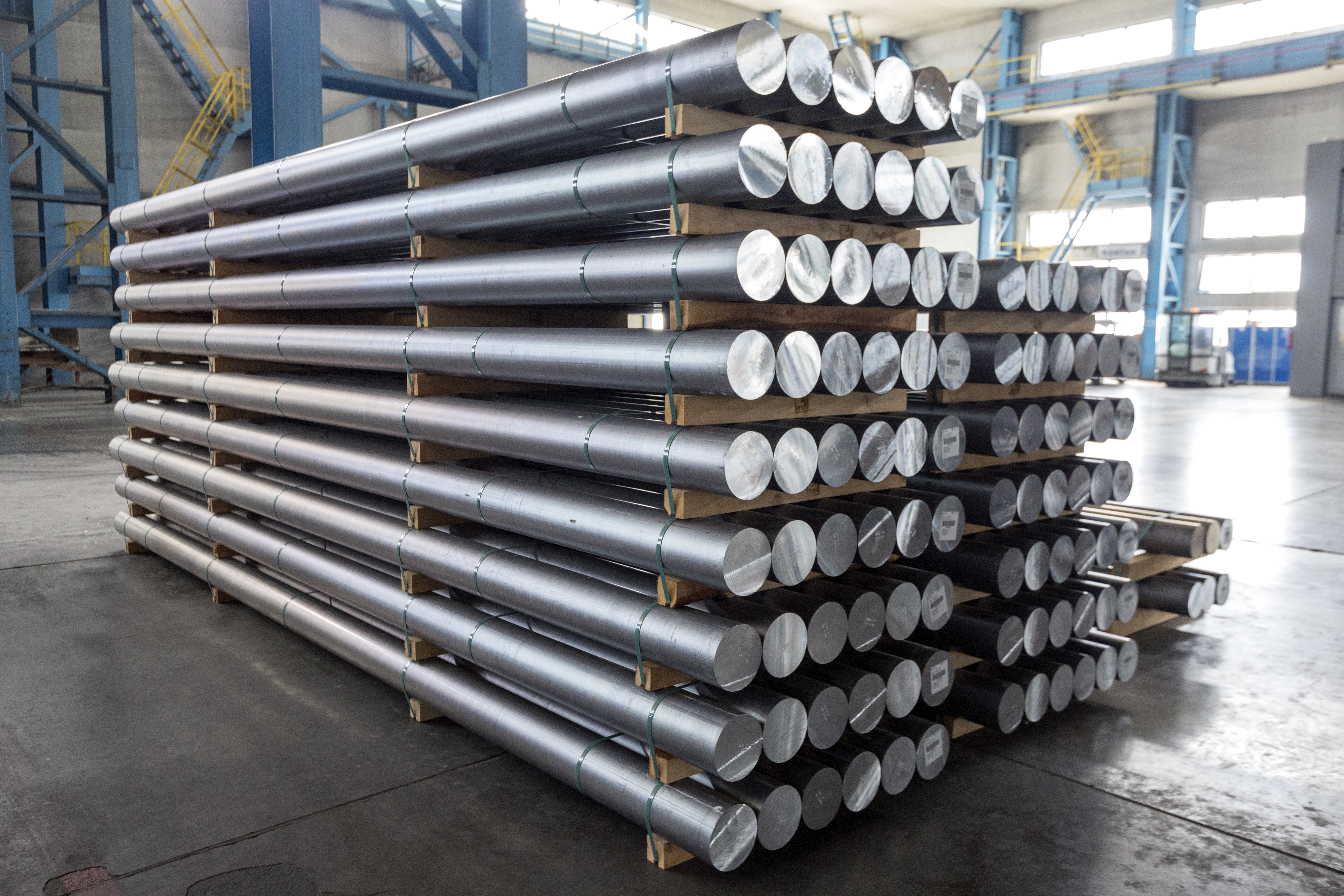
Aluminum Futures Set for Largest Monthly Gain Since April 2018 Amid Supply Disruptions
- Supply Disruption Impact: Aluminum futures on the London Metal Exchange have surged past $3,500/ton, with expectations of over a 12% monthly gain due to supply disruptions from the Middle East conflict, indicating strong demand and a tightening market.
- Global Supply Risks: Approximately 9% of global aluminum supply is affected as companies in the Persian Gulf struggle to export since Iran effectively closed the Strait of Hormuz, forcing customers to deplete inventories and leaving little buffer against supply shocks.
- Long-term Output Loss: Iranian drone and missile strikes have damaged the Al-Taweelah plant operated by Emirates Global Aluminium, which was projected to produce 1.6 million tons of cast metal in 2025, potentially flipping the market from a 200,000-ton surplus to a 1.3 million-ton deficit.
- Beneficiary Companies: Alcoa's stock rose 5.8% in early trading as analysts predict that aluminum supply disruptions will lead to meaningful earnings upgrades for the company, although it faces recession risks and rising operational costs due to increased energy prices.

Iran War Triggers Market Turmoil Amid Conflicting Statements


- Market Uncertainty: The oil markets are experiencing volatility due to conflicting statements regarding the Iran war, with both WTI and Brent crude prices initially rising before pulling back, indicating investor concerns about future developments.
- Defense Secretary Investment Controversy: U.S. Defense Secretary Pete Hegseth's broker reportedly sought to make multimillion-dollar investments in major defense companies before the war, raising questions about potential insider trading, although the Pentagon has dismissed these claims.
- Trump's Tough Rhetoric: President Trump threatened to destroy Iran's oil wells and power plants if a peace deal is not reached, which has heightened market anxiety and complicated investor expectations regarding the conflict's trajectory.
- Fed's Inflation Outlook: Federal Reserve Chair Jerome Powell stated that inflation expectations remain grounded despite rising energy prices, suggesting that the central bank does not need to respond with higher interest rates, which could influence market perceptions of future monetary policy.
Impact of War on Metal Markets
- Aluminum Surge: Since the onset of the war, aluminum futures have surged nearly 12%, indicating strong market demand that may reflect supply chain tensions and investor optimism about future needs.
- Precious Metals Decline: In stark contrast to aluminum, gold futures have fallen about 9%, while silver, palladium, and platinum futures have dropped between 17% and 19%, suggesting a waning interest in safe-haven assets and potential for increased market volatility.
- Tariff Impact: One year after Trump's tariff announcement, Walmart's stock has risen nearly 40%, and Tesla's shares have soared about 35%, indicating that some companies have successfully adapted to policy changes, while Best Buy's 15% decline highlights the varied impacts across different firms.
- Jobless Claims Expectations: Initial jobless claims are expected to reach 212,000, with a trade deficit forecast of $62 billion, up from last month's $54.46 billion, reflecting the complexities of economic recovery and market focus on upcoming economic data.
Abu Dhabi Smelter Shutdown Sparks Aluminum Price Surge
- Aluminum Price Surge: The shutdown of the Abu Dhabi smelter due to strikes has led to a 2% increase in aluminum prices on the London Metal Exchange, indicating market concerns over supply disruptions that could lead to further price volatility.
- Smelter Operations Halted: Emirates Global Aluminium was forced to halt operations at its Al Taweelah smelter after it was struck by Iranian missiles and drones, resulting in a power loss that impacts aluminum production capacity and may exert pressure on the global aluminum supply chain.
- Analyst Rating Upgrades: JPMorgan upgraded Alcoa's rating from 'Underweight' to 'Neutral' with a price target increase from $50 to $68, reflecting a positive outlook on the aluminum market, particularly amid rising regional supply risks.
- Positive Market Reaction: Shares of Alcoa, Kaiser Aluminum, and Century Aluminum have gained 32%, 11.5%, and 57.5% respectively this year, demonstrating strong investor confidence in the aluminum sector, especially in light of the current geopolitical tensions.
Alcoa Stock Rises on Middle East Aluminum Crisis
- Stock Surge: Alcoa (AA) surged 6.1% in Wednesday's trading to a three-year high, driven by reports that Emirates Global Aluminium halted operations due to Iranian missile strikes, indicating strong market reactions to potential aluminum supply shortages.
- Aluminum Industry Impact: The Al Taweelah smelter lost power from the attacks, forcing metal to solidify in smelting circuits and causing significant operational damage, which exacerbates the already strained global aluminum supply chain.
- Futures Market Reaction: Aluminum futures on the London Metal Exchange have surged following the Iranian attacks, reflecting market concerns over reduced production capacity in the Middle East, which accounts for approximately 9% of global aluminum supply.
- Industry Ripple Effect: In addition to Alcoa, Century Aluminum (CENX) rose 6.4%, and Constellium (CSTM) increased by 5.4%, showcasing investor optimism about the overall aluminum sector despite critical input shortages due to the effective closure of the Strait of Hormuz.
Market Reaction: Anticipation of U.S.-Iran War Ending
- Market Rally: The S&P 500 and Nasdaq Composite surged by 2.91% and 3.83%, respectively, amid hopes for an end to the U.S.-Iran conflict, indicating potential for future economic recovery as investors anticipate peace.
- Interest Rate Decline: With the war's conclusion, the yield on the 10-year Treasury is expected to drop significantly, which will lower borrowing costs and alleviate inflationary pressures stemming from rising fertilizer and energy prices due to the conflict.
- Growth Stock Resurgence: High-growth stocks like Nvidia and Marvell saw gains of 5.5% and nearly 13%, respectively, suggesting that investors will refocus on these companies' fundamentals without the distraction of geopolitical tensions.
- Big Bank Stocks Rally: The end of the war is likely to revive trading activity on Wall Street, with major financial stocks like Goldman Sachs and Morgan Stanley rising nearly 5% and 4%, respectively, reflecting optimism about future merger and acquisition activities.
Aluminum Futures Set for Largest Monthly Gain Since April 2018 Amid Supply Disruptions
- Supply Disruption Impact: Aluminum futures on the London Metal Exchange have surged past $3,500/ton, with expectations of over a 12% monthly gain due to supply disruptions from the Middle East conflict, indicating strong demand and a tightening market.
- Global Supply Risks: Approximately 9% of global aluminum supply is affected as companies in the Persian Gulf struggle to export since Iran effectively closed the Strait of Hormuz, forcing customers to deplete inventories and leaving little buffer against supply shocks.
- Long-term Output Loss: Iranian drone and missile strikes have damaged the Al-Taweelah plant operated by Emirates Global Aluminium, which was projected to produce 1.6 million tons of cast metal in 2025, potentially flipping the market from a 200,000-ton surplus to a 1.3 million-ton deficit.
- Beneficiary Companies: Alcoa's stock rose 5.8% in early trading as analysts predict that aluminum supply disruptions will lead to meaningful earnings upgrades for the company, although it faces recession risks and rising operational costs due to increased energy prices.
Iran War Triggers Market Turmoil Amid Conflicting Statements
- Market Uncertainty: The oil markets are experiencing volatility due to conflicting statements regarding the Iran war, with both WTI and Brent crude prices initially rising before pulling back, indicating investor concerns about future developments.
- Defense Secretary Investment Controversy: U.S. Defense Secretary Pete Hegseth's broker reportedly sought to make multimillion-dollar investments in major defense companies before the war, raising questions about potential insider trading, although the Pentagon has dismissed these claims.
- Trump's Tough Rhetoric: President Trump threatened to destroy Iran's oil wells and power plants if a peace deal is not reached, which has heightened market anxiety and complicated investor expectations regarding the conflict's trajectory.
- Fed's Inflation Outlook: Federal Reserve Chair Jerome Powell stated that inflation expectations remain grounded despite rising energy prices, suggesting that the central bank does not need to respond with higher interest rates, which could influence market perceptions of future monetary policy.