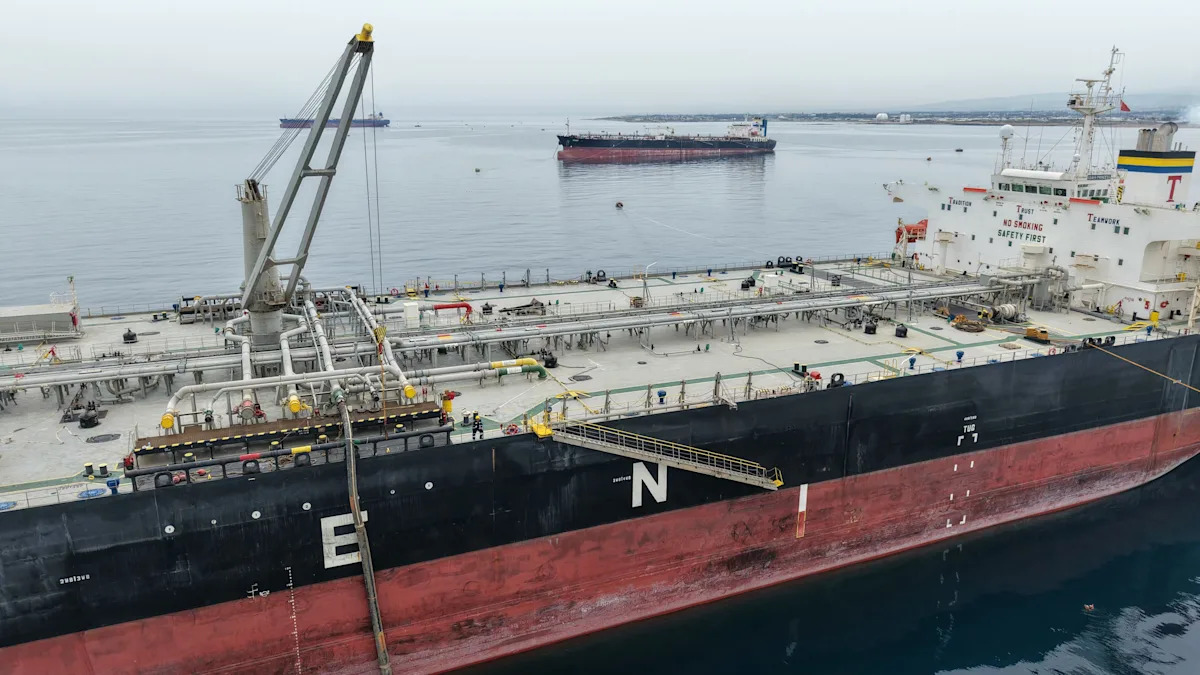
Worldline Proposes Sale of New Zealand Payment Activities
Written by Emily J. Thompson, Senior Investment Analyst
Updated: 5 days ago
0mins
Should l Buy CCL?
Source: Yahoo Finance
- Transaction Overview: Worldline has entered exclusive negotiations with Cuscal to divest its New Zealand payment activities for an estimated enterprise value of €17 million, aiming to optimize resource allocation and sharpen its focus on the European market.
- Market Position: The New Zealand payments business processes approximately 70% of in-store transactions and serves all four major acquirers and around 40 issuers, highlighting its significance in the local ecosystem.
- Financial Impact: The proposed divestment is expected to impact the Group's revenue and Adjusted EBITDA by approximately €35 million and €12 million, respectively, while the effect on free cash flow is limited, yet it will enhance the Group's financial flexibility.
- Strategic Implications: By executing this sale, Worldline anticipates net cash proceeds of €560-610 million from all announced disposals by 2026, which will further support the redeployment of capital towards its core activities, reinforcing its leadership in payment services.
Trade with 70% Backtested Accuracy
Stop guessing "Should I Buy CCL?" and start using high-conviction signals backed by rigorous historical data.
Sign up today to access powerful investing tools and make smarter, data-driven decisions.
Analyst Views on CCL
Wall Street analysts forecast CCL stock price to rise
18 Analyst Rating
14 Buy
4 Hold
0 Sell
Strong Buy
Current: 27.310

Low
33.00
Averages
37.41
High
45.00
Current: 27.310
Low
33.00
Averages
37.41
High
45.00
About CCL
Carnival Corporation is a global cruise and leisure travel company. The Company has a portfolio of cruise lines, including AIDA Cruises, Carnival Cruise Line, Costa Cruises, Cunard, Holland America Line, P&O Cruises (Australia), P&O Cruises (UK), Princess Cruises, and Seabourn. The Company's segment includes NAA cruise operations, Europe cruise operations (Europe), Cruise Support and Tour and Other. Its Cruise Support segment includes its portfolio of port destinations and exclusive islands as well as other services, all of which are operated for the benefit of its cruise brands. In addition to its cruise operations, it owns Holland America Princess Alaska Tours, a tour company in Alaska and the Canadian Yukon, which complements its Alaska cruise operations. Its Tour and Other segment represents the hotel and transportation operations of Holland America Princess Alaska Tours and other operations. Its tour company owns and operates hotels, lodges, glass-domed railcars and motorcoaches.
About the author

Emily J. Thompson
Emily J. Thompson, a Chartered Financial Analyst (CFA) with 12 years in investment research, graduated with honors from the Wharton School. Specializing in industrial and technology stocks, she provides in-depth analysis for Intellectia’s earnings and market brief reports.

Cruise Industry Positioned for AI-Driven Earnings Surge
- Direct Booking Transformation: Barclays analysts highlight that the cruise industry can enhance profitability by shifting to AI-driven direct bookings, potentially reducing third-party commission expenses by 3% to 6% and increasing earnings per share (EPS) by 12% to 45%.
- Customer Satisfaction Improvement: The application of AI is expected to lower administrative costs while enhancing the customer discovery process, attracting more first-time cruisers and potentially strengthening pricing power in the long term, although these benefits are harder to quantify in the short term.
- Market Penetration Opportunities: Analysts emphasize that the cruise sector's high customer satisfaction and low market penetration provide a solid foundation for AI-driven marketing, particularly among younger, tech-savvy travelers.
- Industry Competitive Advantage: Barclays maintains a bullish outlook on the cruise industry's prospects, believing that the adoption of technology will help companies defend margins in an increasingly competitive global travel landscape, with Royal Caribbean Cruises Ltd leading in AI integration.
See More

Reopening of Strait of Hormuz Boosts Cruise Stocks

- Cruise Industry Recovery: The full reopening of the Strait of Hormuz has removed significant hurdles for cruise operators, leading to a broad rally in stocks like Royal Caribbean Group and Carnival Corporation, reflecting market optimism about stable maritime conditions.
- Viking Stock Surge: Viking (NYSE:VIK), a consumer discretionary travel company, saw its shares jump 6.7%, indicating positive market sentiment towards its future performance, despite its historical volatility with 13 moves greater than 5% in the past year.
- Oil Price Decline Benefits: A 17% drop in oil prices has significantly reduced fuel costs for cruise operators, further driving stock price increases, particularly in the context of high-margin Mediterranean and Middle Eastern routes where travel safety concerns have eased.
- Significant Investment Returns: Viking has risen 19.1% since the beginning of the year, currently priced at $86.04, marking a new 52-week high, with early investors seeing a return of 329.7%, showcasing the company's strong performance amid market recovery.
See More

US Stocks Surge as Oil Prices Plunge Amid Peace Talks


- Market Rally: The S&P 500 rose 1.20% and the Nasdaq 100 increased by 1.29%, reaching all-time highs, reflecting investor optimism regarding US-Iran peace talks, which may enhance risk appetite in the markets.
- Oil Price Plunge: WTI crude prices fell over 11% to a five-week low after Iran announced the Strait of Hormuz is fully open, easing inflation concerns and causing the 10-year T-note yield to drop 7 basis points to 4.24%.
- Strong Earnings Season: The earnings season started robustly, with 81% of the 48 S&P 500 companies reporting Q1 earnings exceeding estimates, projecting a 12% year-over-year increase in earnings, providing strong support for the stock market.
- Airline Stocks Surge: Airline stocks surged as fuel costs decreased, with Alaska Air Group (ALK) rising over 10% and Royal Caribbean Cruises Ltd (RCL) up more than 7%, indicating market confidence in the recovery of the airline industry.
See More
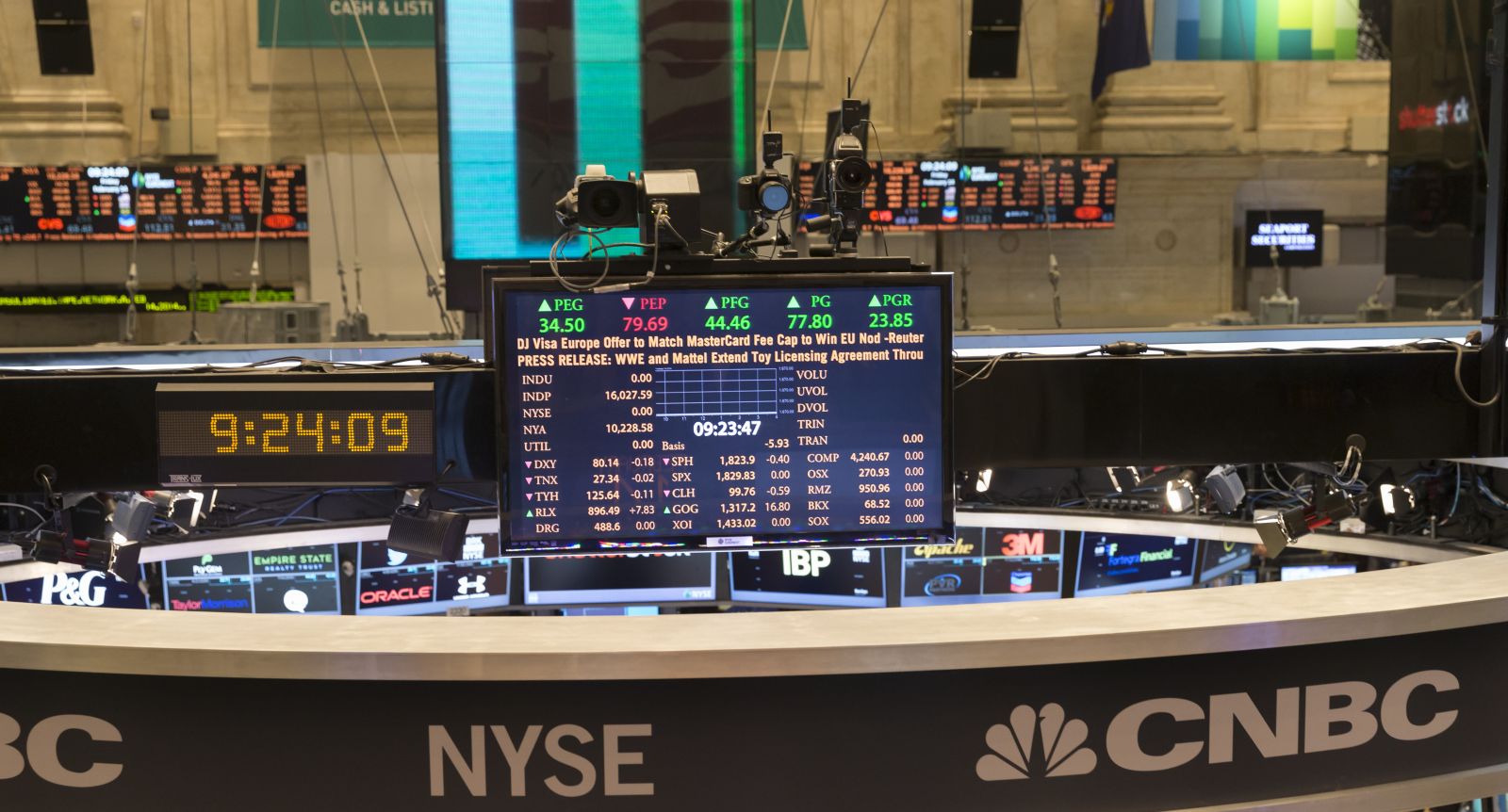
US Stocks Rally as Oil Prices Plunge Amid Peace Talks
- Market Surge: The S&P 500 rose by 1.28% and the Nasdaq 100 reached an all-time high, reflecting investor optimism driven by peace talks between the US and Iran, which may enhance risk appetite and bolster overall market confidence.
- Oil Price Plunge: WTI crude oil prices fell over 13% to a five-week low after the Strait of Hormuz reopened, easing inflation concerns and causing the 10-year Treasury yield to drop by 8 basis points, further supporting the bond market.
- Earnings Growth Expectations: Q1 earnings for the S&P 500 are projected to increase by 12% year-over-year, although excluding the tech sector, growth is only 3%, indicating resilience in corporate performance amid economic recovery and providing market support.
- Airline Stocks Soar: With reduced fuel costs, Alaska Air Group and United Airlines surged by over 14% and 11%, respectively, demonstrating the positive impact of falling oil prices on the airline industry, which could enhance profitability for related companies.
See More

US Stocks Rise as Oil Prices Plunge
- Market Highs: The S&P 500 rose by 0.87% and the Nasdaq 100 reached an all-time high, reflecting growing investor optimism regarding a potential US-Iran peace deal, which may enhance risk appetite and further boost stock market momentum.
- Oil Price Plunge: WTI crude prices fell over 10% after Iran announced the Strait of Hormuz is now fully open for commercial shipping, easing inflation concerns and contributing to a 6 basis point drop in the 10-year Treasury yield, which invigorates the bond market.
- Earnings Optimism: Q1 earnings for the S&P 500 are projected to increase by 12% year-over-year, although excluding the tech sector, growth is only expected at 3%, yet this overall positive outlook may attract more investor interest and bolster market confidence.
- Airline Stocks Surge: With reduced fuel costs, United Airlines (UAL) shares surged over 10%, while other airlines like Royal Caribbean (RCL) and Alaska Air (ALK) also saw significant gains, indicating strong market confidence in the recovery of the airline industry.
See More
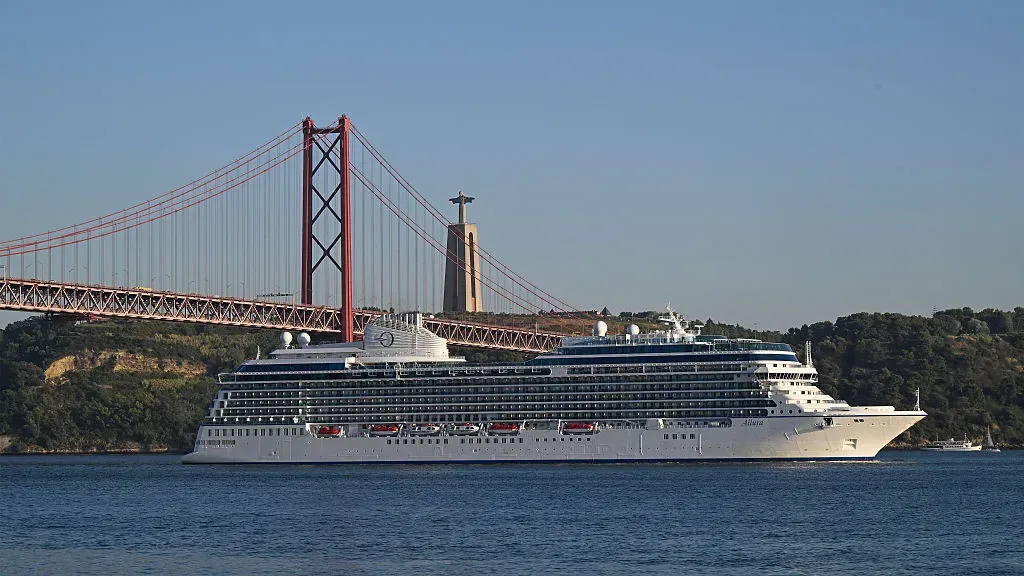
Bullish Retail Sentiment on Cruise Line Stocks Amid Easing Tensions
- Oil Price Impact: Brent crude oil prices have slipped below $100 per barrel, easing fears of a US-Iran conflict, which has boosted market sentiment for cruise operators, although RCL and CCL shares are expected to decline by 2% to 4% by the end of the week.
- Analyst Rating Changes: Despite Wells Fargo and UBS lowering their price targets for RCL to $349 and $321 respectively, both firms maintain 'Buy' ratings, indicating long-term confidence in the cruise industry amid current oil price volatility.
- Attractive Valuations: Shares of RCL, CCL, and NCLH are trading below their 10-year median P/E of 16.01 times, suggesting these stocks are currently undervalued, which may attract investor interest, although high fuel prices could impact profit margins.
- Strong Bookings Support Sentiment: The robust booking trends for cruise operators have bolstered market sentiment, even as RCL, CCL, and NCLH shares have dropped 6% and nearly 12% year-to-date, yet investors remain optimistic about future prospects.
See More
Cruise Industry Positioned for AI-Driven Earnings Surge
- Direct Booking Transformation: Barclays analysts highlight that the cruise industry can enhance profitability by shifting to AI-driven direct bookings, potentially reducing third-party commission expenses by 3% to 6% and increasing earnings per share (EPS) by 12% to 45%.
- Customer Satisfaction Improvement: The application of AI is expected to lower administrative costs while enhancing the customer discovery process, attracting more first-time cruisers and potentially strengthening pricing power in the long term, although these benefits are harder to quantify in the short term.
- Market Penetration Opportunities: Analysts emphasize that the cruise sector's high customer satisfaction and low market penetration provide a solid foundation for AI-driven marketing, particularly among younger, tech-savvy travelers.
- Industry Competitive Advantage: Barclays maintains a bullish outlook on the cruise industry's prospects, believing that the adoption of technology will help companies defend margins in an increasingly competitive global travel landscape, with Royal Caribbean Cruises Ltd leading in AI integration.
See More
Reopening of Strait of Hormuz Boosts Cruise Stocks
- Cruise Industry Recovery: The full reopening of the Strait of Hormuz has removed significant hurdles for cruise operators, leading to a broad rally in stocks like Royal Caribbean Group and Carnival Corporation, reflecting market optimism about stable maritime conditions.
- Viking Stock Surge: Viking (NYSE:VIK), a consumer discretionary travel company, saw its shares jump 6.7%, indicating positive market sentiment towards its future performance, despite its historical volatility with 13 moves greater than 5% in the past year.
- Oil Price Decline Benefits: A 17% drop in oil prices has significantly reduced fuel costs for cruise operators, further driving stock price increases, particularly in the context of high-margin Mediterranean and Middle Eastern routes where travel safety concerns have eased.
- Significant Investment Returns: Viking has risen 19.1% since the beginning of the year, currently priced at $86.04, marking a new 52-week high, with early investors seeing a return of 329.7%, showcasing the company's strong performance amid market recovery.
See More
US Stocks Surge as Oil Prices Plunge Amid Peace Talks
- Market Rally: The S&P 500 rose 1.20% and the Nasdaq 100 increased by 1.29%, reaching all-time highs, reflecting investor optimism regarding US-Iran peace talks, which may enhance risk appetite in the markets.
- Oil Price Plunge: WTI crude prices fell over 11% to a five-week low after Iran announced the Strait of Hormuz is fully open, easing inflation concerns and causing the 10-year T-note yield to drop 7 basis points to 4.24%.
- Strong Earnings Season: The earnings season started robustly, with 81% of the 48 S&P 500 companies reporting Q1 earnings exceeding estimates, projecting a 12% year-over-year increase in earnings, providing strong support for the stock market.
- Airline Stocks Surge: Airline stocks surged as fuel costs decreased, with Alaska Air Group (ALK) rising over 10% and Royal Caribbean Cruises Ltd (RCL) up more than 7%, indicating market confidence in the recovery of the airline industry.
See More
US Stocks Rally as Oil Prices Plunge Amid Peace Talks
- Market Surge: The S&P 500 rose by 1.28% and the Nasdaq 100 reached an all-time high, reflecting investor optimism driven by peace talks between the US and Iran, which may enhance risk appetite and bolster overall market confidence.
- Oil Price Plunge: WTI crude oil prices fell over 13% to a five-week low after the Strait of Hormuz reopened, easing inflation concerns and causing the 10-year Treasury yield to drop by 8 basis points, further supporting the bond market.
- Earnings Growth Expectations: Q1 earnings for the S&P 500 are projected to increase by 12% year-over-year, although excluding the tech sector, growth is only 3%, indicating resilience in corporate performance amid economic recovery and providing market support.
- Airline Stocks Soar: With reduced fuel costs, Alaska Air Group and United Airlines surged by over 14% and 11%, respectively, demonstrating the positive impact of falling oil prices on the airline industry, which could enhance profitability for related companies.
See More
US Stocks Rise as Oil Prices Plunge
- Market Highs: The S&P 500 rose by 0.87% and the Nasdaq 100 reached an all-time high, reflecting growing investor optimism regarding a potential US-Iran peace deal, which may enhance risk appetite and further boost stock market momentum.
- Oil Price Plunge: WTI crude prices fell over 10% after Iran announced the Strait of Hormuz is now fully open for commercial shipping, easing inflation concerns and contributing to a 6 basis point drop in the 10-year Treasury yield, which invigorates the bond market.
- Earnings Optimism: Q1 earnings for the S&P 500 are projected to increase by 12% year-over-year, although excluding the tech sector, growth is only expected at 3%, yet this overall positive outlook may attract more investor interest and bolster market confidence.
- Airline Stocks Surge: With reduced fuel costs, United Airlines (UAL) shares surged over 10%, while other airlines like Royal Caribbean (RCL) and Alaska Air (ALK) also saw significant gains, indicating strong market confidence in the recovery of the airline industry.
See More
Bullish Retail Sentiment on Cruise Line Stocks Amid Easing Tensions
- Oil Price Impact: Brent crude oil prices have slipped below $100 per barrel, easing fears of a US-Iran conflict, which has boosted market sentiment for cruise operators, although RCL and CCL shares are expected to decline by 2% to 4% by the end of the week.
- Analyst Rating Changes: Despite Wells Fargo and UBS lowering their price targets for RCL to $349 and $321 respectively, both firms maintain 'Buy' ratings, indicating long-term confidence in the cruise industry amid current oil price volatility.
- Attractive Valuations: Shares of RCL, CCL, and NCLH are trading below their 10-year median P/E of 16.01 times, suggesting these stocks are currently undervalued, which may attract investor interest, although high fuel prices could impact profit margins.
- Strong Bookings Support Sentiment: The robust booking trends for cruise operators have bolstered market sentiment, even as RCL, CCL, and NCLH shares have dropped 6% and nearly 12% year-to-date, yet investors remain optimistic about future prospects.
See More