Wall Street Faces AI Concerns: 3 Financial Stocks Available at Discount

AI Tax Planning Tools: Financial firms are increasingly announcing new AI tax planning tools, contributing to a jittery market as sector rotations pick up and high-multiple stocks face sell-offs.
Market Reactions: Recent shocks in the financial sector have led to significant declines in stock prices, with concerns about a potential global intelligence crisis by 2028, which could result in high unemployment and a major market downturn.
Investment Opportunities: Despite the sell-off, there may be opportunities for investors to buy quality companies that have suddenly gone on sale, as many stocks that dropped are not expected to be seriously affected by the new AI tools.
Stock Performance and Recovery: Some stocks have shown resilience and potential for recovery, with indicators suggesting that the market may rebound, particularly for companies with strong underlying business fundamentals.
Trade with 70% Backtested Accuracy
Analyst Views on RJF

About RJF
About the author


Financial Stocks Underperform, Investors Remain Cautious

- Industry Challenges: Financial stocks have collectively dropped 8.8% over the past six months due to an unpredictable interest rate and inflation environment, significantly underperforming the S&P 500's 2.8% decline, indicating investor concerns about the sector's outlook.
- State Street's Lackluster Performance: With a market cap of $35.75 billion, State Street has seen only 3.6% annual revenue growth over the past five years, and its EPS growth of 9.1% annually falls short of the peer group average, reflecting limited growth potential compared to smaller competitors.
- Raymond James's Strong Growth: Raymond James, valued at $28.26 billion, has achieved an impressive 11.7% annual revenue growth over the last five years, bolstered by share buybacks that accelerated EPS growth, showcasing management's expertise in identifying profitable investments.
- Evercore's Market Share Gains: Evercore, with a market cap of $11.93 billion, has reported a remarkable 25.9% annual revenue growth over the last two years, with EPS increasing by 50.2% annually, indicating its success in capturing market share during the current cycle.

Eli Lilly Gains FDA Approval, Shares Rise


- FDA Drug Approval: Eli Lilly's once-daily GLP-1 pill Foundayo received FDA approval, leading to a 4% rise in shares, which will enhance the company's competitive edge in the obesity treatment market and drive future sales growth.
- Cybersecurity Incident Impact: Hasbro's shares fell over 4% due to a cybersecurity incident involving unauthorized network access, with the company investigating the full impact and implementing protective measures, potentially increasing operational costs in the short term.
- Tobacco Product Delay: Philip Morris International's shares dropped more than 5% after the FDA delayed authorization for nicotine pouch sales, which may hinder the company's future market expansion plans, particularly among new user demographics.
- Semiconductor Buyback Plan: Intel announced a $14.2 billion buyback of a 49% stake in its Ireland Fab 34 joint venture, resulting in a 9% increase in shares, with funding sourced from cash on hand and approximately $6.5 billion in new debt, expected to strengthen its position in the global semiconductor market.
Nike Shares Drop 10% Despite Beating Earnings Expectations
- Nike's Revenue Decline: Nike's North American revenue of $5.03 billion fell short of the $5.04 billion expected by analysts, leading to a 10% drop in stock price; however, the company reported fiscal third-quarter earnings of 35 cents per share and $11.28 billion in revenue, exceeding expectations of 28 cents and $11.24 billion, showcasing resilience amid challenges.
- Dave & Buster's Positive Outlook: Dave & Buster's shares rose 7% as management anticipates increases in same-store sales, revenue, and adjusted EBITDA in 2026, despite posting a fourth-quarter adjusted loss of 35 cents per share and revenue of $529.6 million, below the expected profit of 39 cents and revenue of $555.9 million, indicating future growth potential.
- PVH Strong Performance: PVH's stock increased by 1% after reporting fourth-quarter adjusted earnings of $3.82 per share and revenue of $2.51 billion, both surpassing analyst expectations of $3.31 per share and $2.43 billion, reflecting successful brand management.
- NCino Stock Surge: NCino shares surged 22% after providing first-quarter revenue guidance of $154.5 million to $156.4 million, exceeding the $152.7 million consensus, with fourth-quarter revenue also surpassing expectations at $149.7 million, indicating strong performance in the cloud software market.
Retirement Investor Protection Rule Struck Down Again

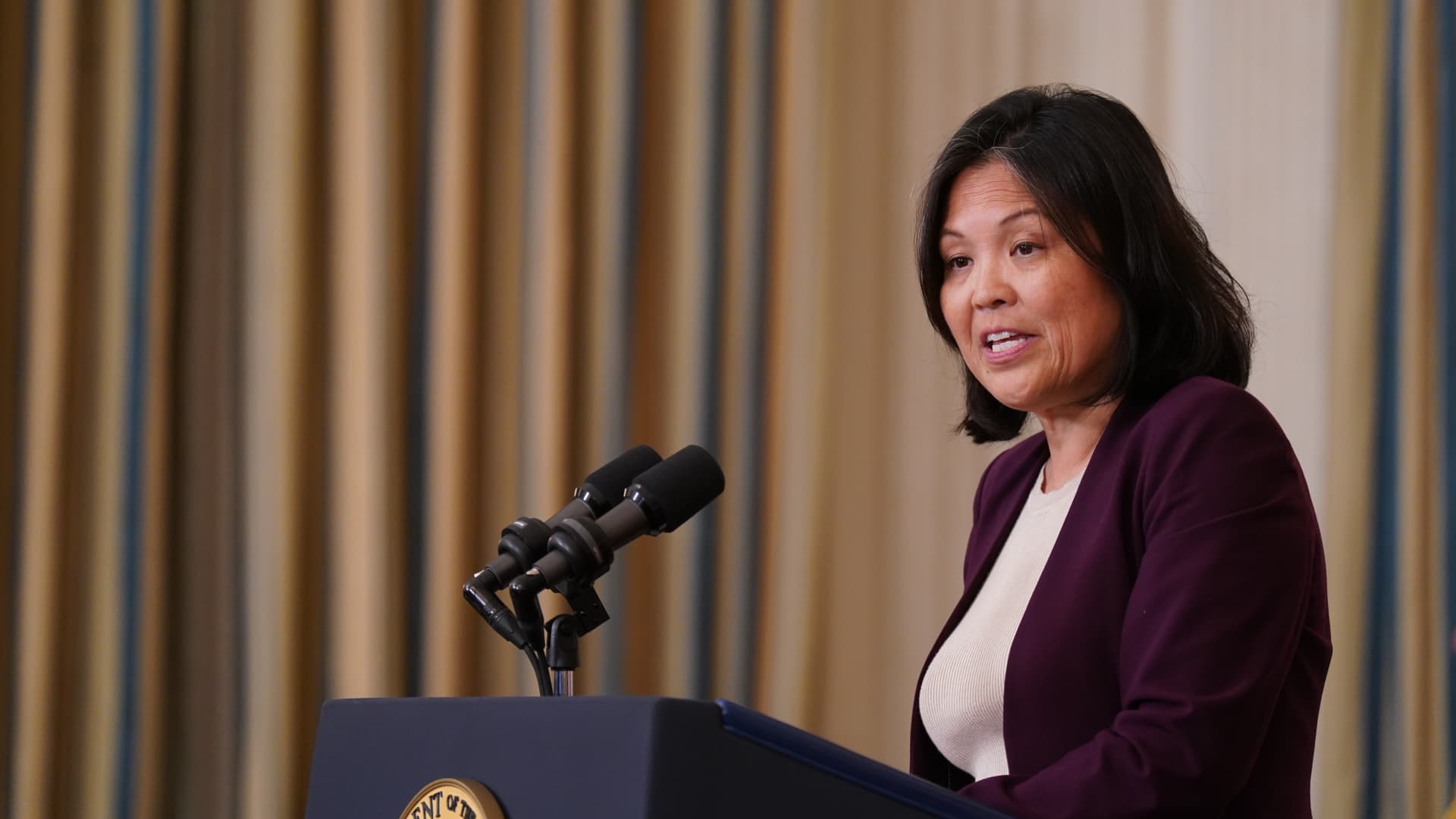
- Rule Repeal Impact: The U.S. court has struck down the fiduciary rule aimed at enhancing retirement investor protections for the second time, which may lead to retirement investors receiving investment advice that does not serve their best interests, thereby increasing market confusion and uncertainty.
- Historical Repetition: This event mirrors the previous repeal of a similar rule during the Obama administration, highlighting the financial industry's resistance to regulatory measures through legal challenges, potentially exposing investors to lower protection standards.
- Investment Decision Risks: Recent data shows that approximately 6 million individuals rolled nearly $700 billion into IRAs in 2022, and the absence of fiduciary rules may diminish the quality of advice surrounding these significant financial decisions, increasing risks for investors.
- Industry Reaction: The insurance industry welcomed this ruling as a victory for consumers, arguing that the Biden-era rule exceeded the Department's authority, indicating that future investors must be more cautious in selecting advisors to ensure they receive transparent and interest-aligned advice.
Wall Street's Latest Ratings Overview


- Honeywell Upgrade: BMO has upgraded Honeywell to Outperform, citing additional opportunities through the end of the decade; despite lagging shares, the company's strong balance sheet provides downside protection and supports upcoming spin-offs.
- Disney Outlook: Wells Fargo reiterates Disney as Overweight, lowering its price target to $148 but highlighting the new leadership team's potential to revitalize the narrative, making Q2 a pivotal moment for growth acceleration.
- Knight-Swift Upgrade: Evercore ISI has upgraded Knight-Swift to Outperform, viewing the transport company as compelling due to its leverage to improving fundamentals, while trading at one of the lowest multiples in its peer group.
- FuboTV Initiation: B Riley initiates coverage of FuboTV with a Buy rating and a target price of $18, emphasizing the stock's undervaluation and its potential in the consumer live television streaming market.
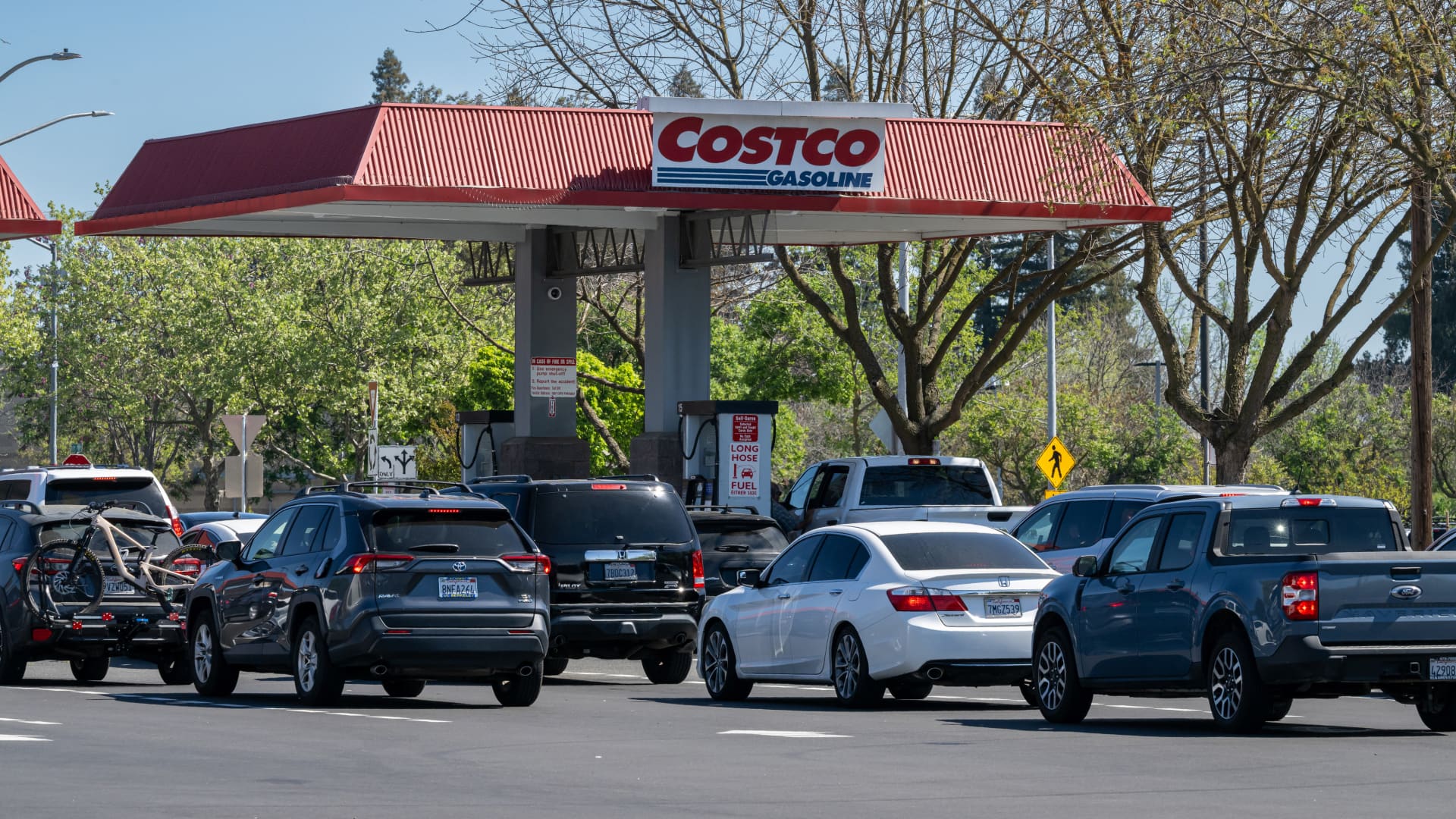
Costco Builds First Standalone Members-Only Gas Station
- New Business Expansion: Costco is constructing its first standalone members-only gas station in Mission Viejo, California, covering approximately 17,000 square feet with 40 pumps, aimed at attracting more customers and enhancing membership loyalty.
- Market Response Expectations: Analysts believe the new gas stations could stimulate membership growth, particularly against the backdrop of soaring oil prices, highlighting significant potential to attract new members.
- Sales Data Analysis: Currently, Costco operates around 750 gas stations, selling over 8 billion gallons annually, with projections indicating that gas sales could account for 10% of net sales by 2025, showcasing its strong appeal during high gas price periods.
- Strategic Significance: Although gas operations yield low margins, Costco reinforces its value proposition by offering lower prices (20 to 30 cents cheaper per gallon), which could enhance long-term member loyalty.
Financial Stocks Underperform, Investors Remain Cautious
- Industry Challenges: Financial stocks have collectively dropped 8.8% over the past six months due to an unpredictable interest rate and inflation environment, significantly underperforming the S&P 500's 2.8% decline, indicating investor concerns about the sector's outlook.
- State Street's Lackluster Performance: With a market cap of $35.75 billion, State Street has seen only 3.6% annual revenue growth over the past five years, and its EPS growth of 9.1% annually falls short of the peer group average, reflecting limited growth potential compared to smaller competitors.
- Raymond James's Strong Growth: Raymond James, valued at $28.26 billion, has achieved an impressive 11.7% annual revenue growth over the last five years, bolstered by share buybacks that accelerated EPS growth, showcasing management's expertise in identifying profitable investments.
- Evercore's Market Share Gains: Evercore, with a market cap of $11.93 billion, has reported a remarkable 25.9% annual revenue growth over the last two years, with EPS increasing by 50.2% annually, indicating its success in capturing market share during the current cycle.
Eli Lilly Gains FDA Approval, Shares Rise
- FDA Drug Approval: Eli Lilly's once-daily GLP-1 pill Foundayo received FDA approval, leading to a 4% rise in shares, which will enhance the company's competitive edge in the obesity treatment market and drive future sales growth.
- Cybersecurity Incident Impact: Hasbro's shares fell over 4% due to a cybersecurity incident involving unauthorized network access, with the company investigating the full impact and implementing protective measures, potentially increasing operational costs in the short term.
- Tobacco Product Delay: Philip Morris International's shares dropped more than 5% after the FDA delayed authorization for nicotine pouch sales, which may hinder the company's future market expansion plans, particularly among new user demographics.
- Semiconductor Buyback Plan: Intel announced a $14.2 billion buyback of a 49% stake in its Ireland Fab 34 joint venture, resulting in a 9% increase in shares, with funding sourced from cash on hand and approximately $6.5 billion in new debt, expected to strengthen its position in the global semiconductor market.
Nike Shares Drop 10% Despite Beating Earnings Expectations
- Nike's Revenue Decline: Nike's North American revenue of $5.03 billion fell short of the $5.04 billion expected by analysts, leading to a 10% drop in stock price; however, the company reported fiscal third-quarter earnings of 35 cents per share and $11.28 billion in revenue, exceeding expectations of 28 cents and $11.24 billion, showcasing resilience amid challenges.
- Dave & Buster's Positive Outlook: Dave & Buster's shares rose 7% as management anticipates increases in same-store sales, revenue, and adjusted EBITDA in 2026, despite posting a fourth-quarter adjusted loss of 35 cents per share and revenue of $529.6 million, below the expected profit of 39 cents and revenue of $555.9 million, indicating future growth potential.
- PVH Strong Performance: PVH's stock increased by 1% after reporting fourth-quarter adjusted earnings of $3.82 per share and revenue of $2.51 billion, both surpassing analyst expectations of $3.31 per share and $2.43 billion, reflecting successful brand management.
- NCino Stock Surge: NCino shares surged 22% after providing first-quarter revenue guidance of $154.5 million to $156.4 million, exceeding the $152.7 million consensus, with fourth-quarter revenue also surpassing expectations at $149.7 million, indicating strong performance in the cloud software market.
Retirement Investor Protection Rule Struck Down Again
- Rule Repeal Impact: The U.S. court has struck down the fiduciary rule aimed at enhancing retirement investor protections for the second time, which may lead to retirement investors receiving investment advice that does not serve their best interests, thereby increasing market confusion and uncertainty.
- Historical Repetition: This event mirrors the previous repeal of a similar rule during the Obama administration, highlighting the financial industry's resistance to regulatory measures through legal challenges, potentially exposing investors to lower protection standards.
- Investment Decision Risks: Recent data shows that approximately 6 million individuals rolled nearly $700 billion into IRAs in 2022, and the absence of fiduciary rules may diminish the quality of advice surrounding these significant financial decisions, increasing risks for investors.
- Industry Reaction: The insurance industry welcomed this ruling as a victory for consumers, arguing that the Biden-era rule exceeded the Department's authority, indicating that future investors must be more cautious in selecting advisors to ensure they receive transparent and interest-aligned advice.
Wall Street's Latest Ratings Overview
- Honeywell Upgrade: BMO has upgraded Honeywell to Outperform, citing additional opportunities through the end of the decade; despite lagging shares, the company's strong balance sheet provides downside protection and supports upcoming spin-offs.
- Disney Outlook: Wells Fargo reiterates Disney as Overweight, lowering its price target to $148 but highlighting the new leadership team's potential to revitalize the narrative, making Q2 a pivotal moment for growth acceleration.
- Knight-Swift Upgrade: Evercore ISI has upgraded Knight-Swift to Outperform, viewing the transport company as compelling due to its leverage to improving fundamentals, while trading at one of the lowest multiples in its peer group.
- FuboTV Initiation: B Riley initiates coverage of FuboTV with a Buy rating and a target price of $18, emphasizing the stock's undervaluation and its potential in the consumer live television streaming market.
Costco Builds First Standalone Members-Only Gas Station
- New Business Expansion: Costco is constructing its first standalone members-only gas station in Mission Viejo, California, covering approximately 17,000 square feet with 40 pumps, aimed at attracting more customers and enhancing membership loyalty.
- Market Response Expectations: Analysts believe the new gas stations could stimulate membership growth, particularly against the backdrop of soaring oil prices, highlighting significant potential to attract new members.
- Sales Data Analysis: Currently, Costco operates around 750 gas stations, selling over 8 billion gallons annually, with projections indicating that gas sales could account for 10% of net sales by 2025, showcasing its strong appeal during high gas price periods.
- Strategic Significance: Although gas operations yield low margins, Costco reinforces its value proposition by offering lower prices (20 to 30 cents cheaper per gallon), which could enhance long-term member loyalty.