Vistra Corp. Shares Plunge 12.64% Ahead of Dividend Payment
Written by Emily J. Thompson, Senior Investment Analyst
Updated: Mar 21 2026
0mins
Should l Buy VST?
Source: Yahoo Finance
- Stock Price Decline: Vistra Corp. shares fell by 12.64% to close at $146.02, as investors sold off positions after the cutoff date for the next dividend payment, indicating market concerns about the company's future performance.
- Dividend Distribution: The company announced a quarterly dividend of $0.2280 per share payable on March 31, 2026, to all common shareholders of record as of March 20, 2026, reflecting an effort to maintain shareholder returns despite negative market reactions.
- Financial Performance Decline: Vistra Corp. reported a 66% year-over-year decline in net income, dropping from $2.812 billion in 2024 to $944 million, with operating revenues also decreasing by 3%, highlighting significant profitability pressures that may affect investor confidence moving forward.
- Adjusted EBITDA Drop: The adjusted EBITDA for the fourth quarter decreased by 14%, from $1.9 billion to $1.7 billion, indicating ongoing challenges in profitability that could lead investors to reassess the company's growth potential.
Trade with 70% Backtested Accuracy
Stop guessing "Should I Buy VST?" and start using high-conviction signals backed by rigorous historical data.
Sign up today to access powerful investing tools and make smarter, data-driven decisions.
Analyst Views on VST
Wall Street analysts forecast VST stock price to rise
11 Analyst Rating
11 Buy
0 Hold
0 Sell
Strong Buy
Current: 155.480

Low
217.00
Averages
240.09
High
287.00
Current: 155.480
Low
217.00
Averages
240.09
High
287.00
About VST
Vistra Corp. is an integrated retail electricity and power generation company that provides essential resources to customers, businesses, and communities from California to Maine. It operates a reliable power generation fleet of natural gas, nuclear, coal, solar, and battery energy storage facilities while taking an innovative, customer-centric approach to its retail business. Its segments include Retail, Texas, East, West, and Asset Closure. The Retail segment is engaged in retail sales of electricity and natural gas to residential, commercial and industrial customers. The Texas and East segments are engaged in electricity generation, wholesale energy sales and purchases, commodity risk management activities, fuel procurement, and logistics management. The West segment represents results from the CAISO market, including its battery ESS projects at its Moss Landing power plant site. The Asset Closure segment is engaged in the decommissioning and reclamation of retired plants and mines.
About the author

Emily J. Thompson
Emily J. Thompson, a Chartered Financial Analyst (CFA) with 12 years in investment research, graduated with honors from the Wharton School. Specializing in industrial and technology stocks, she provides in-depth analysis for Intellectia’s earnings and market brief reports.

Nuclear Energy Market Revival and Investment Opportunities

- Nuclear Demand Surge: The International Atomic Energy Agency forecasts that nuclear power production will double between 2024 and 2050, indicating a rapid resurgence in nuclear energy demand as renewables struggle to meet global energy needs.
- Uranium Supplier Advantage: Cameco, a leading uranium supplier, holds over 400 million pounds of uranium reserves and sold 21 million pounds last year, generating nearly $3.5 billion in revenue and approximately $600 million in net income, positioning it strongly for future demand growth.
- Vistra's Nuclear Investment: Vistra has secured a 20-year agreement with Meta Platforms to supply 2,600 megawatts of nuclear power, highlighting its strategic shift towards nuclear energy and expected to enhance its market competitiveness and revenue streams.
- Small Modular Reactor Potential: NuScale Power's 77-megawatt small modular reactor has received design approval from the U.S. Nuclear Regulatory Commission, with expectations of over 260 small reactors deployed by 2040, showcasing its potential and investment value in the nuclear energy market.
See More
Nuclear Energy Revival: Key to Future Power Needs
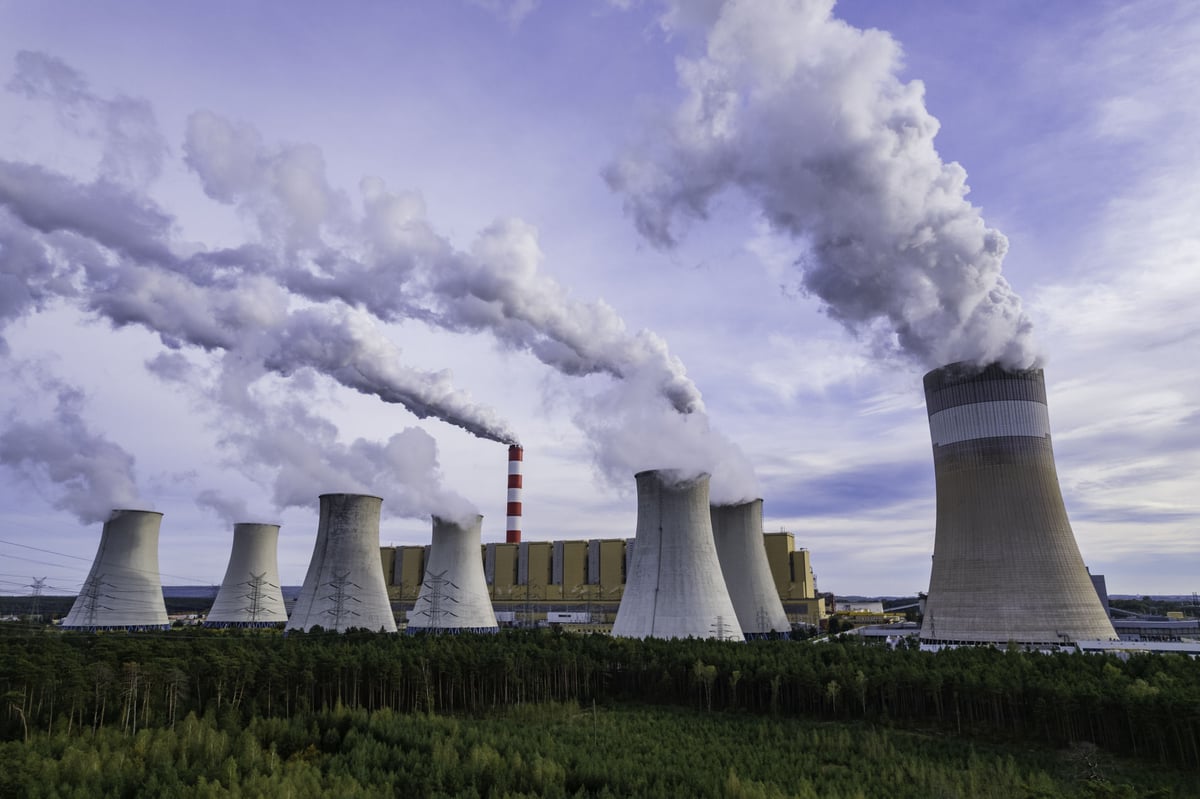
- Surging Nuclear Demand: The International Atomic Energy Agency anticipates that nuclear power production will double between 2024 and 2050, driven by the urgent global energy needs, particularly from the rapid growth of AI data centers.
- Uranium Supply Advantage: Cameco, as a leading uranium supplier, sold 21 million pounds last year, generating nearly $3.5 billion in revenue and approximately $600 million in net income, with global uranium demand expected to rise from 70,000 metric tons to 150,000 metric tons by 2040, positioning Cameco favorably for this growth.
- Nuclear Investment Transformation: Vistra is significantly investing in nuclear power to meet long-term electricity supply agreements with major clients like Meta and Amazon, which is expected to enhance its market competitiveness and increase future revenue streams.
- Small Modular Reactor Prospects: NuScale Power's 77-megawatt small modular reactor has received design approval from the U.S. Nuclear Regulatory Commission, with over 260 small reactors expected to be deployed by 2040; despite profitability risks, its market potential is substantial, with analysts setting a target price of $18.68, indicating a 60% upside from current levels.
See More

Meta's Major Investment in Nuclear Power to Meet AI Demand


- Nuclear Investment Opportunity: Meta has signed a unique power purchase agreement with Oklo, prepaying funds to support the construction of its first nuclear reactor, which is expected to unlock 6.6 gigawatts of nuclear power to meet the growing electricity demands of artificial intelligence, significantly enhancing Oklo's liquidity and technology validation capabilities.
- Oklo's Growth Potential: Although Oklo has yet to generate revenue, with R&D and operational expenses reaching $139 million in 2025, it possesses $1.2 billion in cash and investable securities, ensuring its continued development and innovation in the nuclear market, particularly with its recycled nuclear fuel design poised to drive industry transformation.
- Vistra's Strategic Shift: Vistra has reached an agreement with Meta to purchase power from its three nuclear plants, ensuring their continued operation amid rising electricity demand, which is expected to extend the lifespan of its nuclear assets by decades, thereby generating stable cash flows for the company.
- Future Growth Outlook: Meta's investment not only provides essential funding security for Oklo and Vistra but also aims to boost Vistra's nuclear output by 15%, promising long-term financial returns for both companies and their shareholders, reflecting Meta's forward-looking strategy in addressing AI power needs.
See More

Meta Partners with Oklo to Support Nuclear Power Infrastructure
- Nuclear Power Agreement: Meta has signed a deal with nuclear startup Oklo, prepaying for power to support the construction of Oklo's first nuclear plant, which will provide essential funding for technology validation and project advancement.
- Growing Power Demand: Recognizing the immense electricity needs of artificial intelligence, Meta has partnered with Vistra to purchase power from its three nuclear plants, ensuring Vistra can make necessary capital investments to extend the lifespan of its nuclear assets.
- Investment Return Potential: Through its collaboration with Meta, Vistra secures long-term stable cash flows and anticipates a 15% increase in nuclear output, which will significantly bolster the company's future financial performance.
- Strategic Implications: Meta's investments not only address its own power requirements but also instill market confidence in Oklo and Vistra, promoting sustainable development in the nuclear sector and highlighting Meta's strategic positioning in the energy landscape.
See More
Analysis of AI Data Center Infrastructure Investment

- Market Growth Potential: Suppliers related to AI data center infrastructure are expected to see growth rates exceeding 50% by 2026, indicating significant profit growth opportunities for investors in the coming years, particularly driven by companies like Nvidia.
- Nebius's Rapid Growth: Nebius is projected to see its revenue surge from $1.25 billion in 2025 to between $7 billion and $9 billion in 2026, primarily due to multi-billion-dollar deals with Microsoft and Meta, further solidifying its leading position in the market.
- CoreWeave's Scale Advantage: CoreWeave reported approximately $1.6 billion in revenue last quarter and plans to build a 2.9 GW GPU footprint, although heavy capex and debt are weighing on margins, its deep integration with Nvidia remains a competitive edge.
- Iren's Profitability: Iren not only possesses substantial renewable energy assets but also holds a $9.7 billion contract with Microsoft, showcasing its profitability and cost advantages in the market, especially as energy costs rise, which may help maintain higher margins.
See More
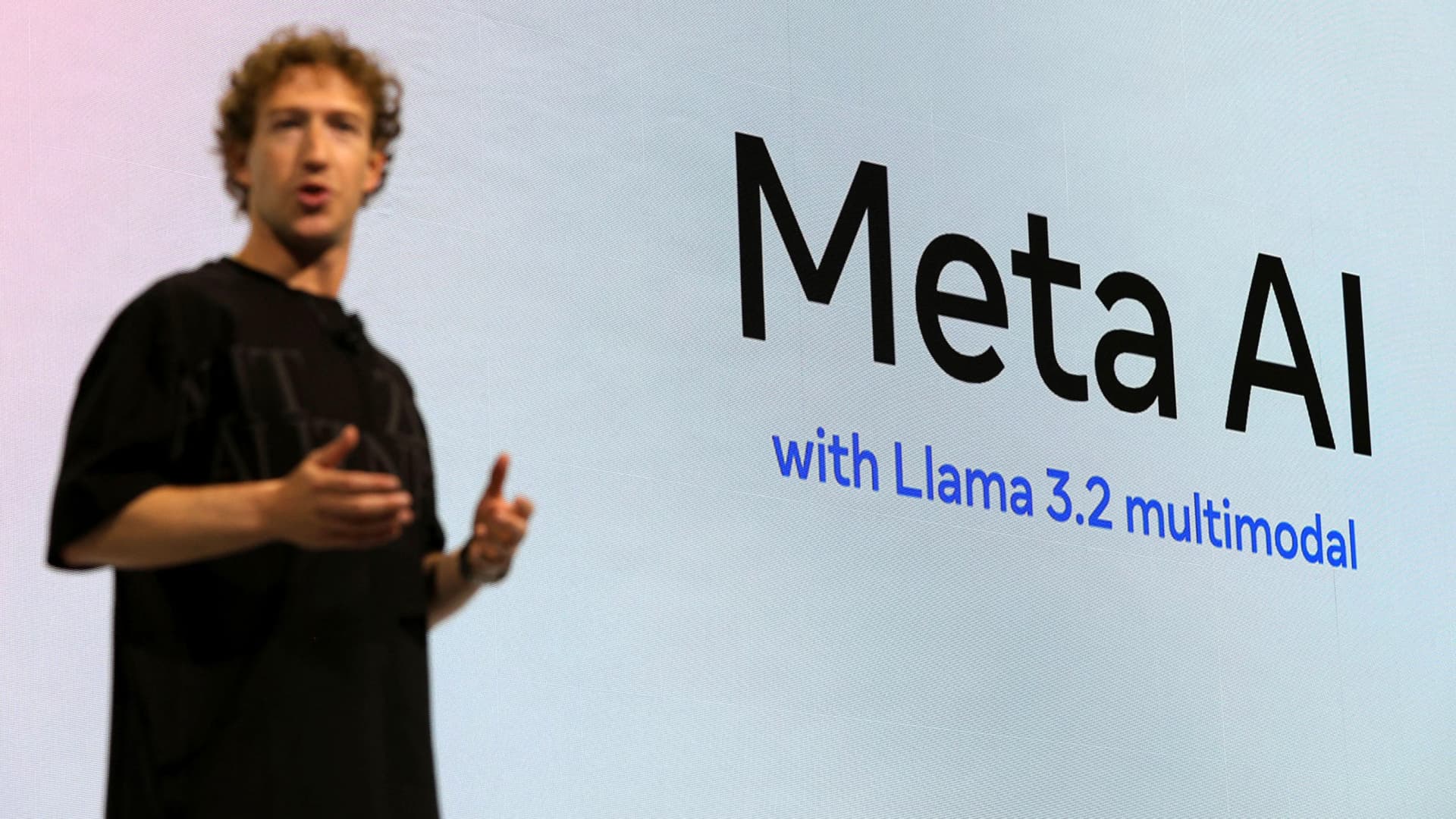
Meta Boosts Investment to $10 Billion for AI Data Center in Texas


- Significant Investment Increase: Meta has raised its investment in the Texas AI data center from an initial $1.5 billion to $10 billion, aiming for a capacity of 1GW by 2028, which will significantly enhance its competitive position in AI infrastructure.
- Job Creation: The data center is expected to create 300 new jobs and require over 4,000 construction workers at peak, contributing to local economic recovery and demonstrating Meta's commitment to the community.
- Renewable Energy Commitment: Meta is committed to adding over 5,000 megawatts of clean energy to the grid and is partnering with nonprofits to address local water issues, which will help alleviate environmental concerns raised by the data center's construction.
- Market Response and Challenges: Despite the surge in investment for AI infrastructure, Meta's stock has fallen 16% this year due to its lack of a cloud infrastructure business, facing increased scrutiny from Wall Street, indicating investor concerns about its long-term profitability.
See More
Nuclear Energy Market Revival and Investment Opportunities
- Nuclear Demand Surge: The International Atomic Energy Agency forecasts that nuclear power production will double between 2024 and 2050, indicating a rapid resurgence in nuclear energy demand as renewables struggle to meet global energy needs.
- Uranium Supplier Advantage: Cameco, a leading uranium supplier, holds over 400 million pounds of uranium reserves and sold 21 million pounds last year, generating nearly $3.5 billion in revenue and approximately $600 million in net income, positioning it strongly for future demand growth.
- Vistra's Nuclear Investment: Vistra has secured a 20-year agreement with Meta Platforms to supply 2,600 megawatts of nuclear power, highlighting its strategic shift towards nuclear energy and expected to enhance its market competitiveness and revenue streams.
- Small Modular Reactor Potential: NuScale Power's 77-megawatt small modular reactor has received design approval from the U.S. Nuclear Regulatory Commission, with expectations of over 260 small reactors deployed by 2040, showcasing its potential and investment value in the nuclear energy market.
See More
Nuclear Energy Revival: Key to Future Power Needs
- Surging Nuclear Demand: The International Atomic Energy Agency anticipates that nuclear power production will double between 2024 and 2050, driven by the urgent global energy needs, particularly from the rapid growth of AI data centers.
- Uranium Supply Advantage: Cameco, as a leading uranium supplier, sold 21 million pounds last year, generating nearly $3.5 billion in revenue and approximately $600 million in net income, with global uranium demand expected to rise from 70,000 metric tons to 150,000 metric tons by 2040, positioning Cameco favorably for this growth.
- Nuclear Investment Transformation: Vistra is significantly investing in nuclear power to meet long-term electricity supply agreements with major clients like Meta and Amazon, which is expected to enhance its market competitiveness and increase future revenue streams.
- Small Modular Reactor Prospects: NuScale Power's 77-megawatt small modular reactor has received design approval from the U.S. Nuclear Regulatory Commission, with over 260 small reactors expected to be deployed by 2040; despite profitability risks, its market potential is substantial, with analysts setting a target price of $18.68, indicating a 60% upside from current levels.
See More
Meta's Major Investment in Nuclear Power to Meet AI Demand
- Nuclear Investment Opportunity: Meta has signed a unique power purchase agreement with Oklo, prepaying funds to support the construction of its first nuclear reactor, which is expected to unlock 6.6 gigawatts of nuclear power to meet the growing electricity demands of artificial intelligence, significantly enhancing Oklo's liquidity and technology validation capabilities.
- Oklo's Growth Potential: Although Oklo has yet to generate revenue, with R&D and operational expenses reaching $139 million in 2025, it possesses $1.2 billion in cash and investable securities, ensuring its continued development and innovation in the nuclear market, particularly with its recycled nuclear fuel design poised to drive industry transformation.
- Vistra's Strategic Shift: Vistra has reached an agreement with Meta to purchase power from its three nuclear plants, ensuring their continued operation amid rising electricity demand, which is expected to extend the lifespan of its nuclear assets by decades, thereby generating stable cash flows for the company.
- Future Growth Outlook: Meta's investment not only provides essential funding security for Oklo and Vistra but also aims to boost Vistra's nuclear output by 15%, promising long-term financial returns for both companies and their shareholders, reflecting Meta's forward-looking strategy in addressing AI power needs.
See More
Meta Partners with Oklo to Support Nuclear Power Infrastructure
- Nuclear Power Agreement: Meta has signed a deal with nuclear startup Oklo, prepaying for power to support the construction of Oklo's first nuclear plant, which will provide essential funding for technology validation and project advancement.
- Growing Power Demand: Recognizing the immense electricity needs of artificial intelligence, Meta has partnered with Vistra to purchase power from its three nuclear plants, ensuring Vistra can make necessary capital investments to extend the lifespan of its nuclear assets.
- Investment Return Potential: Through its collaboration with Meta, Vistra secures long-term stable cash flows and anticipates a 15% increase in nuclear output, which will significantly bolster the company's future financial performance.
- Strategic Implications: Meta's investments not only address its own power requirements but also instill market confidence in Oklo and Vistra, promoting sustainable development in the nuclear sector and highlighting Meta's strategic positioning in the energy landscape.
See More
Analysis of AI Data Center Infrastructure Investment
- Market Growth Potential: Suppliers related to AI data center infrastructure are expected to see growth rates exceeding 50% by 2026, indicating significant profit growth opportunities for investors in the coming years, particularly driven by companies like Nvidia.
- Nebius's Rapid Growth: Nebius is projected to see its revenue surge from $1.25 billion in 2025 to between $7 billion and $9 billion in 2026, primarily due to multi-billion-dollar deals with Microsoft and Meta, further solidifying its leading position in the market.
- CoreWeave's Scale Advantage: CoreWeave reported approximately $1.6 billion in revenue last quarter and plans to build a 2.9 GW GPU footprint, although heavy capex and debt are weighing on margins, its deep integration with Nvidia remains a competitive edge.
- Iren's Profitability: Iren not only possesses substantial renewable energy assets but also holds a $9.7 billion contract with Microsoft, showcasing its profitability and cost advantages in the market, especially as energy costs rise, which may help maintain higher margins.
See More
Meta Boosts Investment to $10 Billion for AI Data Center in Texas
- Significant Investment Increase: Meta has raised its investment in the Texas AI data center from an initial $1.5 billion to $10 billion, aiming for a capacity of 1GW by 2028, which will significantly enhance its competitive position in AI infrastructure.
- Job Creation: The data center is expected to create 300 new jobs and require over 4,000 construction workers at peak, contributing to local economic recovery and demonstrating Meta's commitment to the community.
- Renewable Energy Commitment: Meta is committed to adding over 5,000 megawatts of clean energy to the grid and is partnering with nonprofits to address local water issues, which will help alleviate environmental concerns raised by the data center's construction.
- Market Response and Challenges: Despite the surge in investment for AI infrastructure, Meta's stock has fallen 16% this year due to its lack of a cloud infrastructure business, facing increased scrutiny from Wall Street, indicating investor concerns about its long-term profitability.
See More