US-Israel Military Strikes on Iran Could Spike Oil Prices

- Oil Price Surge Anticipation: Following military strikes by the US and Israel against Iran, analysts predict oil prices could surge to $100 a barrel, significantly up from the low $70s, reflecting market sensitivity to escalating tensions in the Middle East.
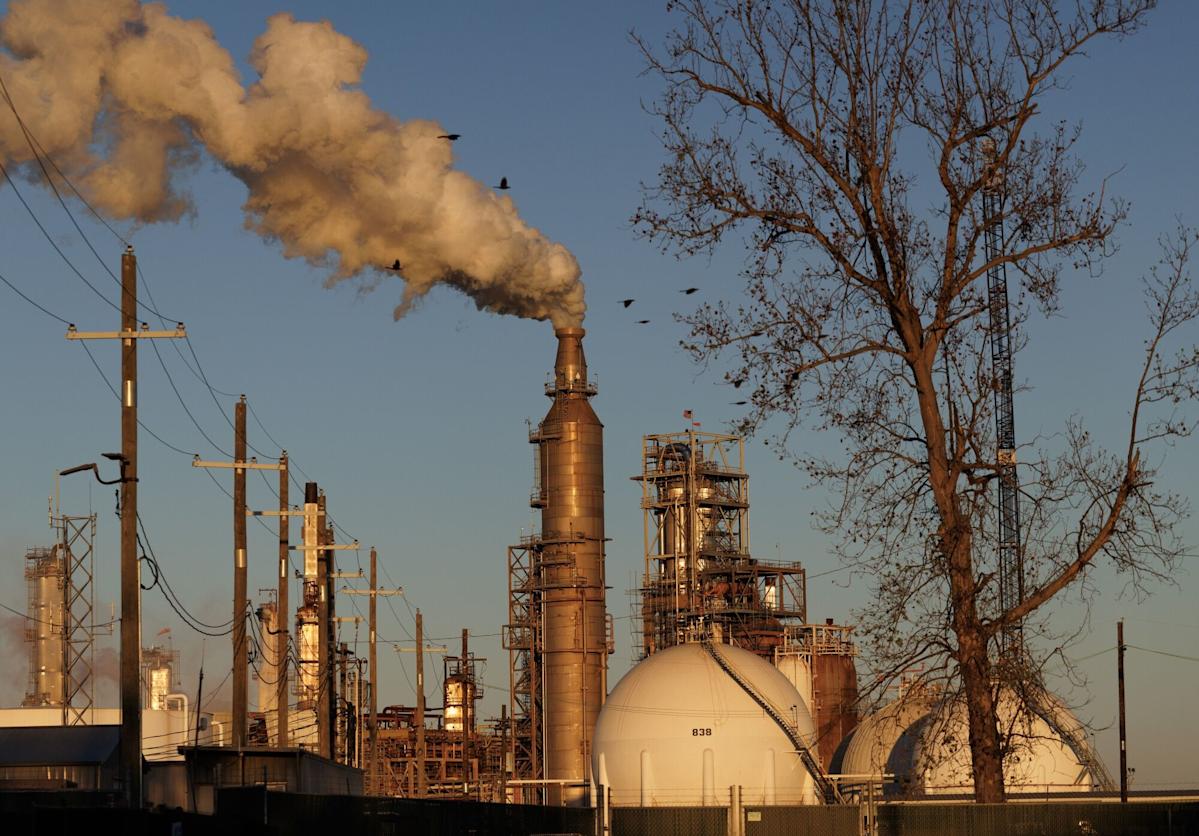
- Impact on Iranian Production: Iran produces about 3.3 million barrels of oil per day, accounting for 4.5% of global supplies, and military actions could severely limit its production capacity, posing a significant threat to the global oil market.
- OPEC's Response Strategy: While OPEC is unlikely to directly support Iran, the organization has agreed to increase output by 206,000 barrels per day starting in April, demonstrating its crucial role in stabilizing the market amid potential supply disruptions.
- Potential US Intervention: The US holds approximately 415 million barrels in its strategic petroleum reserve, which could be released to mitigate price surges, while US producers like Occidental Petroleum have the flexibility to ramp up capital spending to meet changing market demands.
Trade with 70% Backtested Accuracy
Analyst Views on OXY

About OXY
About the author


U.S. Stock Futures Dip as Iran Conflict Clouds Market Outlook


- Market Reaction: U.S. stock index futures dipped on Monday after last week's record rally on Wall Street, with the Dow futures down 303 points or 0.61%, as dimming prospects of the Iran conflict prompted investors to curb their risk appetite.
- Oil Price Surge: Oil prices jumped 5% on Monday following Iran's reclosure of the Strait of Hormuz, with U.S. energy stocks rising in premarket trading, as Exxon Mobil and Chevron gained 2% and 1.9% respectively, indicating market concerns over supply disruptions.
- Volatility Index Rise: The CBOE Volatility Index (.VIX) rebounded after falling for eight consecutive sessions, last up 2.25 points to 19.73, marking a one-week high, reflecting increased market anxiety about future uncertainties.
- Earnings Focus: Investors are keenly awaiting upcoming earnings reports from defense giants like Lockheed Martin and RTX, as well as tech stocks such as Tesla, to assess the impact of the Iran conflict on corporate results and the broader economy.

SLB Rises 1%, Halliburton Increases 1.3%, APA Gains 3.4%

Stock Performance: S&P 500 is up by 1%, indicating a positive trend in the market.
Company Highlights: Halliburton's stock has climbed by 1.3%, reflecting strong performance in the energy sector.
Market Trends: APA Corporation's stock has increased by 3.4%, suggesting growth in the oil and gas industry.
Overall Market Sentiment: The upward movement in these stocks points to a generally optimistic outlook among investors.

Diamondback Energy Rises 2.6%, Devon Energy Gains 2.6%, Occidental Petroleum Increases by 2.5%
Diamondback Energy and Devon Energy Performance: Both Diamondback Energy and Devon Energy have reported a 2.6% increase in their stock prices.
Occidental Petroleum Growth: Occidental Petroleum has seen a 2.5% rise in its stock value, indicating positive market performance.
Exxon Mobil Increases by 2%, Chevron Gains 1.5%, ConocoPhillips Rises by 2.7%
Exxon Mobil Performance: Exxon Mobil's stock has increased by 2%.
Chevron Growth: Chevron's stock has risen by 1.5%.
ConocoPhillips Increase: ConocoPhillips has seen a stock increase of 2.7%.
Overall Market Trends: The performance of these major oil companies indicates a positive trend in the energy sector.

U.S. Oil Company Stocks Rise in Premarket Trading Following 6% Surge in Oil Prices
Oil Companies' Market Performance: U.S. oil companies are experiencing a rise in their market value as oil prices increase.
Significant Price Jump: Oil prices have surged around 6%, contributing to the climb in market performance for these companies.

Iran: No Agreement Reached for Next Round of Talks with the United States


Iran's Stance on Talks: Iran has not agreed to hold the next round of talks with the United States, as reported by Tasnim News Agency.
Trump's Expectations: Former U.S. President Trump mentioned that U.S.-Iran negotiation representatives may meet this weekend, anticipating a final agreement to end the war.
Timeline for Agreement: Trump expressed confidence that an agreement could be reached within one or two days.
Context of Negotiations: The discussions are part of ongoing efforts to resolve tensions between the U.S. and Iran.
U.S. Stock Futures Dip as Iran Conflict Clouds Market Outlook
- Market Reaction: U.S. stock index futures dipped on Monday after last week's record rally on Wall Street, with the Dow futures down 303 points or 0.61%, as dimming prospects of the Iran conflict prompted investors to curb their risk appetite.
- Oil Price Surge: Oil prices jumped 5% on Monday following Iran's reclosure of the Strait of Hormuz, with U.S. energy stocks rising in premarket trading, as Exxon Mobil and Chevron gained 2% and 1.9% respectively, indicating market concerns over supply disruptions.
- Volatility Index Rise: The CBOE Volatility Index (.VIX) rebounded after falling for eight consecutive sessions, last up 2.25 points to 19.73, marking a one-week high, reflecting increased market anxiety about future uncertainties.
- Earnings Focus: Investors are keenly awaiting upcoming earnings reports from defense giants like Lockheed Martin and RTX, as well as tech stocks such as Tesla, to assess the impact of the Iran conflict on corporate results and the broader economy.
SLB Rises 1%, Halliburton Increases 1.3%, APA Gains 3.4%
Stock Performance: S&P 500 is up by 1%, indicating a positive trend in the market.
Company Highlights: Halliburton's stock has climbed by 1.3%, reflecting strong performance in the energy sector.
Market Trends: APA Corporation's stock has increased by 3.4%, suggesting growth in the oil and gas industry.
Overall Market Sentiment: The upward movement in these stocks points to a generally optimistic outlook among investors.
Diamondback Energy Rises 2.6%, Devon Energy Gains 2.6%, Occidental Petroleum Increases by 2.5%
Diamondback Energy and Devon Energy Performance: Both Diamondback Energy and Devon Energy have reported a 2.6% increase in their stock prices.
Occidental Petroleum Growth: Occidental Petroleum has seen a 2.5% rise in its stock value, indicating positive market performance.
Exxon Mobil Increases by 2%, Chevron Gains 1.5%, ConocoPhillips Rises by 2.7%
Exxon Mobil Performance: Exxon Mobil's stock has increased by 2%.
Chevron Growth: Chevron's stock has risen by 1.5%.
ConocoPhillips Increase: ConocoPhillips has seen a stock increase of 2.7%.
Overall Market Trends: The performance of these major oil companies indicates a positive trend in the energy sector.
U.S. Oil Company Stocks Rise in Premarket Trading Following 6% Surge in Oil Prices
Oil Companies' Market Performance: U.S. oil companies are experiencing a rise in their market value as oil prices increase.
Significant Price Jump: Oil prices have surged around 6%, contributing to the climb in market performance for these companies.
Iran: No Agreement Reached for Next Round of Talks with the United States
Iran's Stance on Talks: Iran has not agreed to hold the next round of talks with the United States, as reported by Tasnim News Agency.
Trump's Expectations: Former U.S. President Trump mentioned that U.S.-Iran negotiation representatives may meet this weekend, anticipating a final agreement to end the war.
Timeline for Agreement: Trump expressed confidence that an agreement could be reached within one or two days.
Context of Negotiations: The discussions are part of ongoing efforts to resolve tensions between the U.S. and Iran.