U.S. Stocks Navigate Complex Market Landscape Ahead of Earnings Season
Written by Emily J. Thompson, Senior Investment Analyst
Updated: 2 days ago
0mins

Source: Yahoo Finance
- Compressed Valuations: The S&P 500 has retreated 9% from January highs, driven by surging oil prices, rising interest rates, and ongoing instability from the Iran war, with the P/E ratio dropping from 21x to 19x, even as analysts raised 2026 EPS forecasts by 3%.
- Investor Sentiment Shift: Goldman Sachs' U.S. Equity Sentiment Indicator has fallen to -0.9, the lowest since August 2025, with historical data indicating that readings below -1 often precede above-average returns; however, current market positioning is insufficient to trigger a rally without fundamental improvements.
- Solid Earnings Outlook: Despite macroeconomic headwinds, Goldman Sachs forecasts a 12% EPS growth for the S&P 500 in 2026, assuming current disruptions do not extend significantly, making the upcoming earnings season a critical test of this optimism.
- Policy Implications and Market Path: The market is focused on the Federal Reserve's response to stagflationary pressures from the Iran war, as corporate earnings grow, but high oil prices and persistent inflation complicate potential rate cuts, leading investors to favor companies with strong balance sheets in a prolonged high-rate environment.
Trade with 70% Backtested Accuracy
Stop guessing "Should I Buy GS?" and start using high-conviction signals backed by rigorous historical data.
Sign up today to access powerful investing tools and make smarter, data-driven decisions.
Analyst Views on GS
Wall Street analysts forecast GS stock price to rise
12 Analyst Rating
5 Buy
7 Hold
0 Sell
Moderate Buy
Current: 802.890

Low
604.00
Averages
951.45
High
1100
Current: 802.890
Low
604.00
Averages
951.45
High
1100
About GS
The Goldman Sachs Group, Inc. is a global financial institution that delivers a range of financial services to a large and diversified client base that includes corporations, financial institutions, governments and individuals. Its segments include Global Banking & Markets, Asset & Wealth Management and Platform Solutions. The Global Banking & Markets segment offers a range of services, including financing, advisory services, risk distribution, and hedging for its institutional and corporate clients. It facilitates client transactions and makes markets in fixed income, equity, currency and commodity products. The Asset & Wealth Management segment manages assets and offers investment products across all asset classes to a diverse set of clients. It also provides investing and wealth advisory solutions. The Platform Solutions segment includes consumer platforms, such as partnerships offering credit cards and point-of-sale financing, and transaction banking and other platform businesses.
About the author

Emily J. Thompson
Emily J. Thompson, a Chartered Financial Analyst (CFA) with 12 years in investment research, graduated with honors from the Wharton School. Specializing in industrial and technology stocks, she provides in-depth analysis for Intellectia’s earnings and market brief reports.

Navan Shares Surge 37% After Earnings Beat, Analysts Bullish on AI Potential

- Strong Earnings Report: Navan's latest earnings revealed an adjusted profit of 2 cents per share, surpassing analysts' expectations of a 22-cent loss, with revenue reaching $177.9 million, exceeding the forecast of $162.2 million, indicating robust sales execution and rapid customer onboarding.
- Stock Surge: Following the earnings release, Navan's stock soared over 37% this week, with a 43% increase on Thursday alone, although it remains down more than 50% from its $25 IPO price last October, reflecting market optimism about its future growth potential.
- Analyst Optimism: Both Goldman Sachs and Loop Capital reiterated their bullish ratings on Navan, with Goldman setting a $23 price target, implying an 88% upside from last Friday's close, while Loop expects the stock to rise to $20, showcasing confidence in the company's future performance.
- AI-Driven Growth: Analysts highlighted that Navan's use of artificial intelligence will be a key driver of future growth, with Navan Cognition providing outcomes up to 10 times faster than competitors, and AI customer service agent Ava handling 55% of support volume, enhancing customer experience and operational efficiency.
See More

Market Dynamics and Investment Opportunities Analysis


- Market Opening Outlook: The S&P 500 is set for a higher open as President Trump signals progress in U.S.-Iran war talks, reflecting investor optimism despite typically rising oil prices dragging down stocks, indicating a potential shift in market sentiment.
- S&P 500 Performance Review: The S&P 500 has faced nearly a 6% decline in March, marking its fifth consecutive weekly loss, yet it narrowly avoids entering correction territory, with upcoming job reports expected to provide insights into economic health.
- Meta Platforms Investment Advice: Morgan Stanley recommends buying Meta Platforms, asserting that sentiment has bottomed out, and despite the company facing two litigation losses last week that impacted stock prices, early trading shows a slight recovery, indicating renewed investor confidence.
- Oracle's Positive Outlook: Bernstein analysts view Oracle's cloud and database sectors as potential AI winners, setting a price target of $319, which is more than double Friday's closing price of nearly $140, reflecting strong market confidence in its growth prospects.
See More
Markets Misinterpret Fed's Rate Hike Signals Amid Oil Price Surge

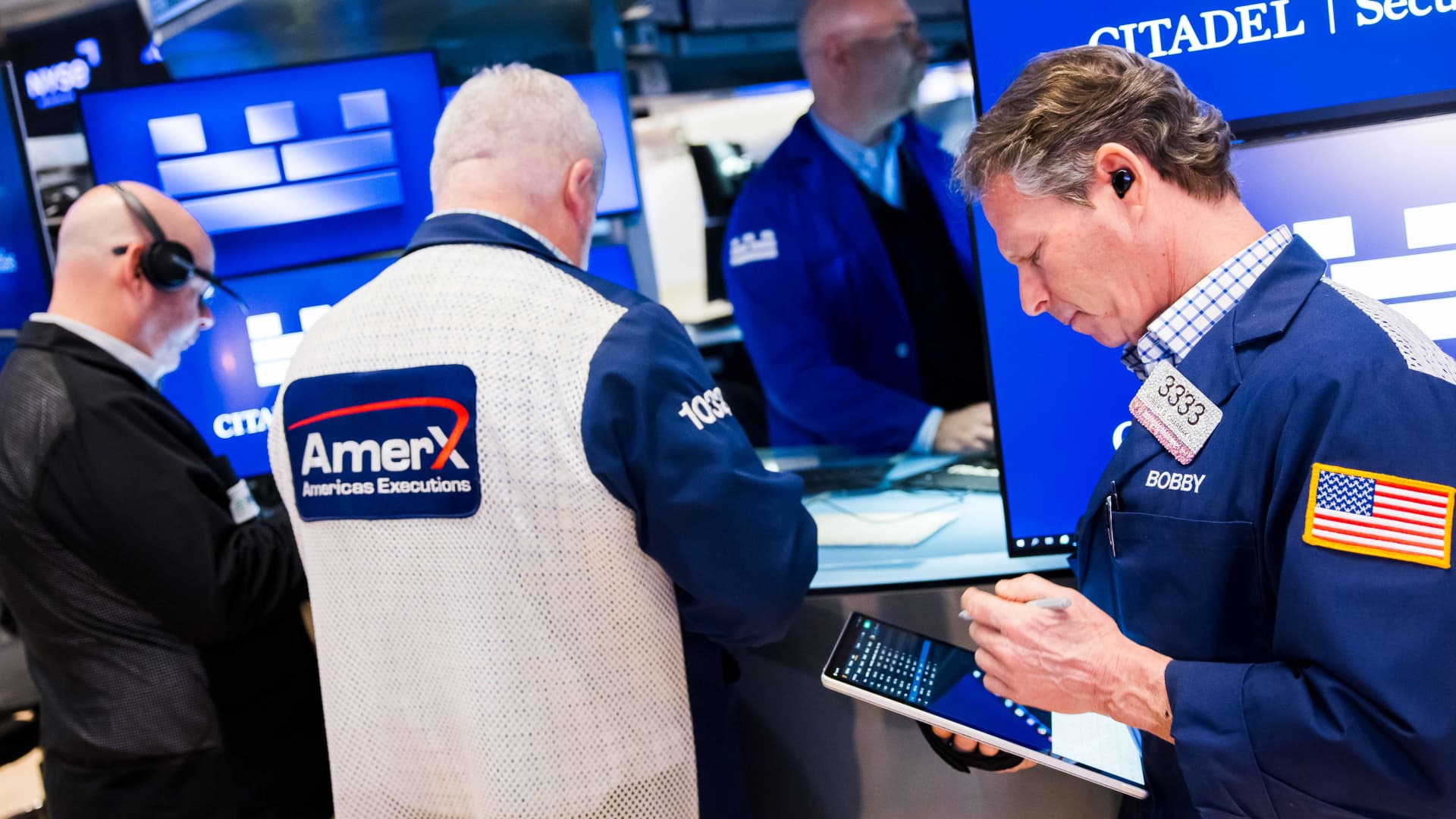
- Market Expectation Volatility: Investors have rapidly shifted their expectations regarding U.S. interest rates, with the CME Group's FedWatch tool indicating that futures markets implied over a 50% chance of a rate hike by the end of 2026 on Friday, which fell to about 14% by Monday morning, reflecting an overreaction to rate hike signals.
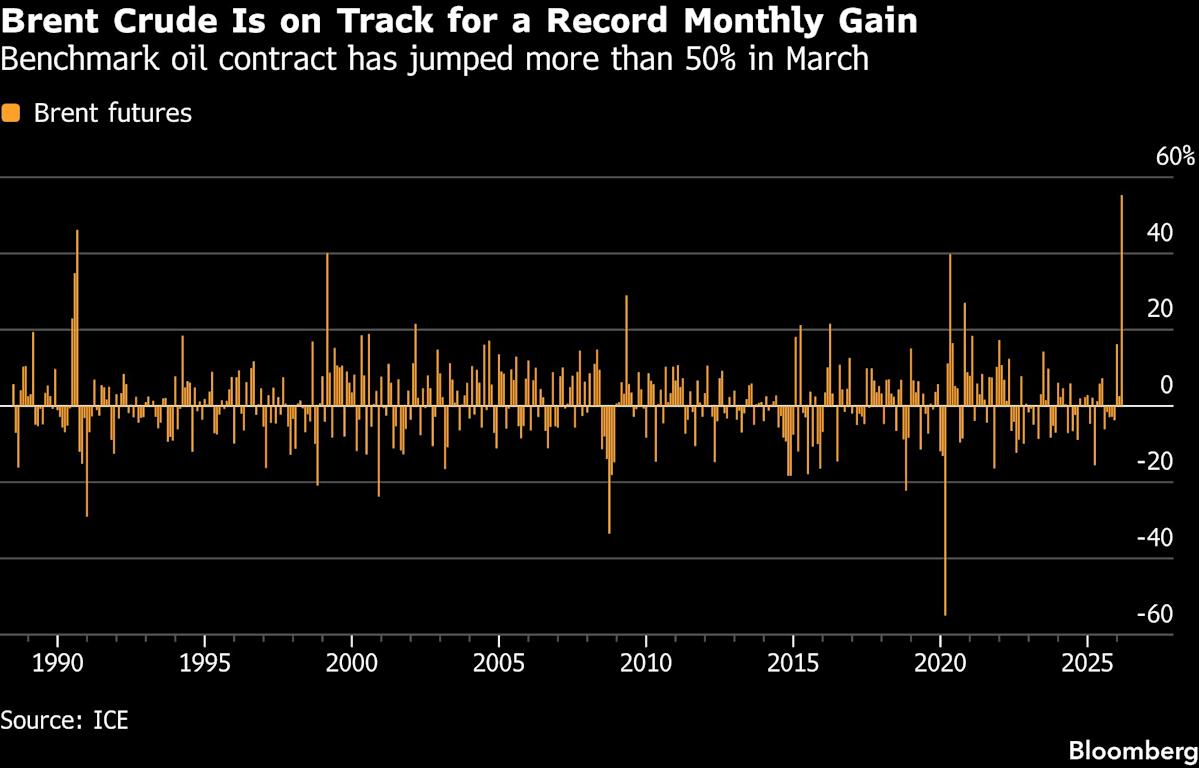
- Impact of Surging Oil Prices: Global Brent crude prices have surged above $115 per barrel due to the ongoing Iran war, exacerbating inflation concerns and prompting investors to question whether the Fed might tighten monetary policy again despite signs of slowing growth.
- Historical Lessons: Goldman Sachs highlights the cautionary tale of the 1990 oil shock, where markets initially anticipated a hawkish Fed response but ultimately saw rate cuts as economic conditions worsened, suggesting that current market pricing may be misaligned with historical precedents.
- Political Factors at Play: President Trump indicated that an end to the conflict with Iran may be near, although he warned that if a peace deal is not reached soon, the U.S. would attack key Iranian energy infrastructure, which could further influence oil price movements.
See More
U.S. Stocks Continue Retreat, Investors Remain Cautious
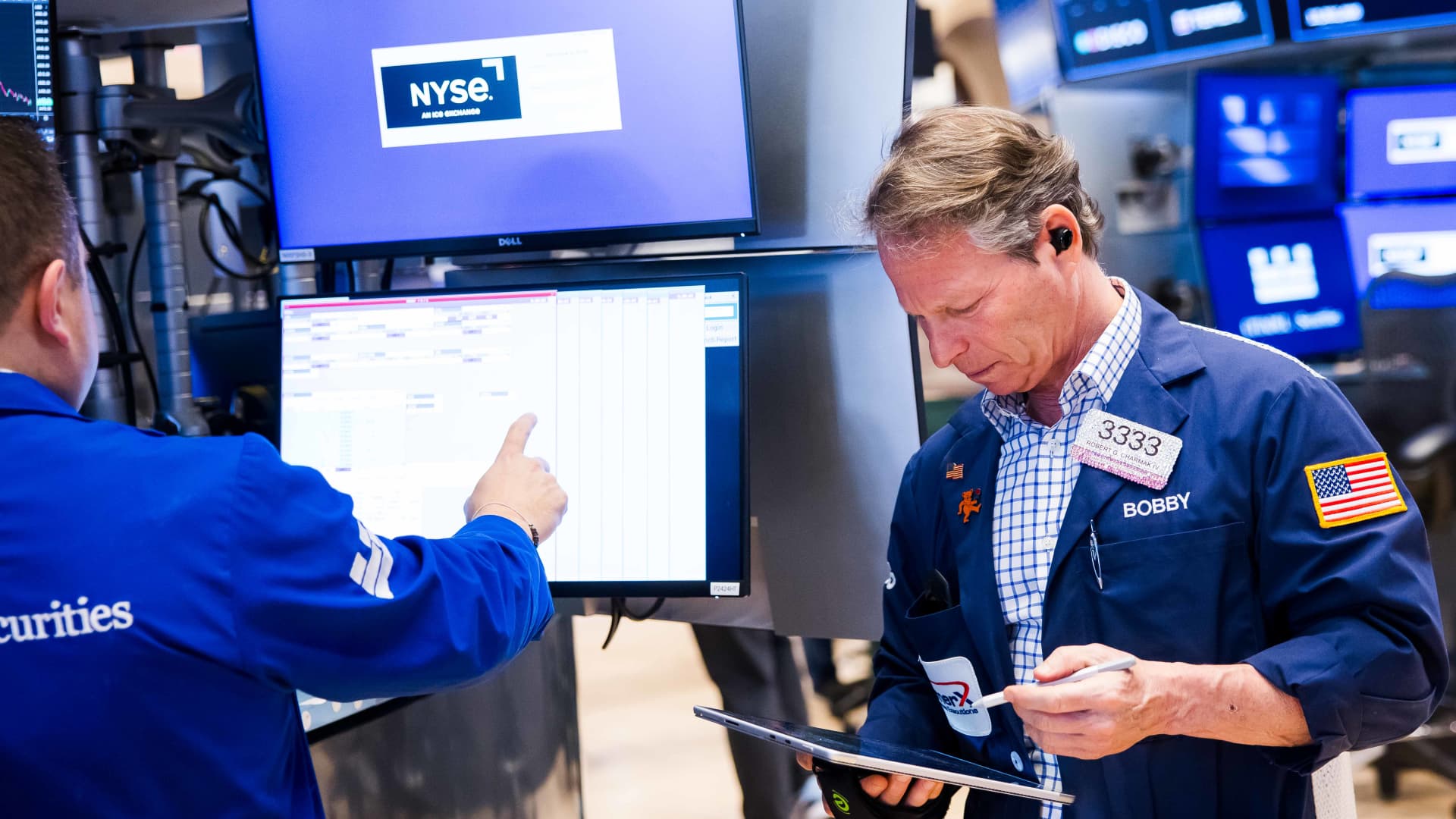
- Market Downtrend: The S&P 500 has experienced a five-week decline, falling 9% from its peak two months ago, indicating a cautious and uneasy market sentiment as investors grapple with complex future expectations.
- Technical Support Breakdown: The S&P 500 has failed to hold several key support levels, including the 100-day and 200-day moving averages, suggesting a reduced likelihood of a short-term rebound and increasing downward pressure on the market.
- Valuation Decline: The forward price-to-earnings ratio for the Nasdaq-100 has dropped to 21.5, while the S&P 500 stands at 19.4, nearing the lower end of its three-year range, reflecting cautious market sentiment regarding future earnings amid rising energy and chemical costs.
- Investor Sentiment Freeze: Despite heightened market volatility, many fund managers have remained in a 'frozen' state of trading activity, indicating that investors are adopting a wait-and-see approach amidst current uncertainties, which could lead to a concentrated release of risks in the future.
See More
Trump's Intent to Seize Iran's Oil Market Raises Concerns
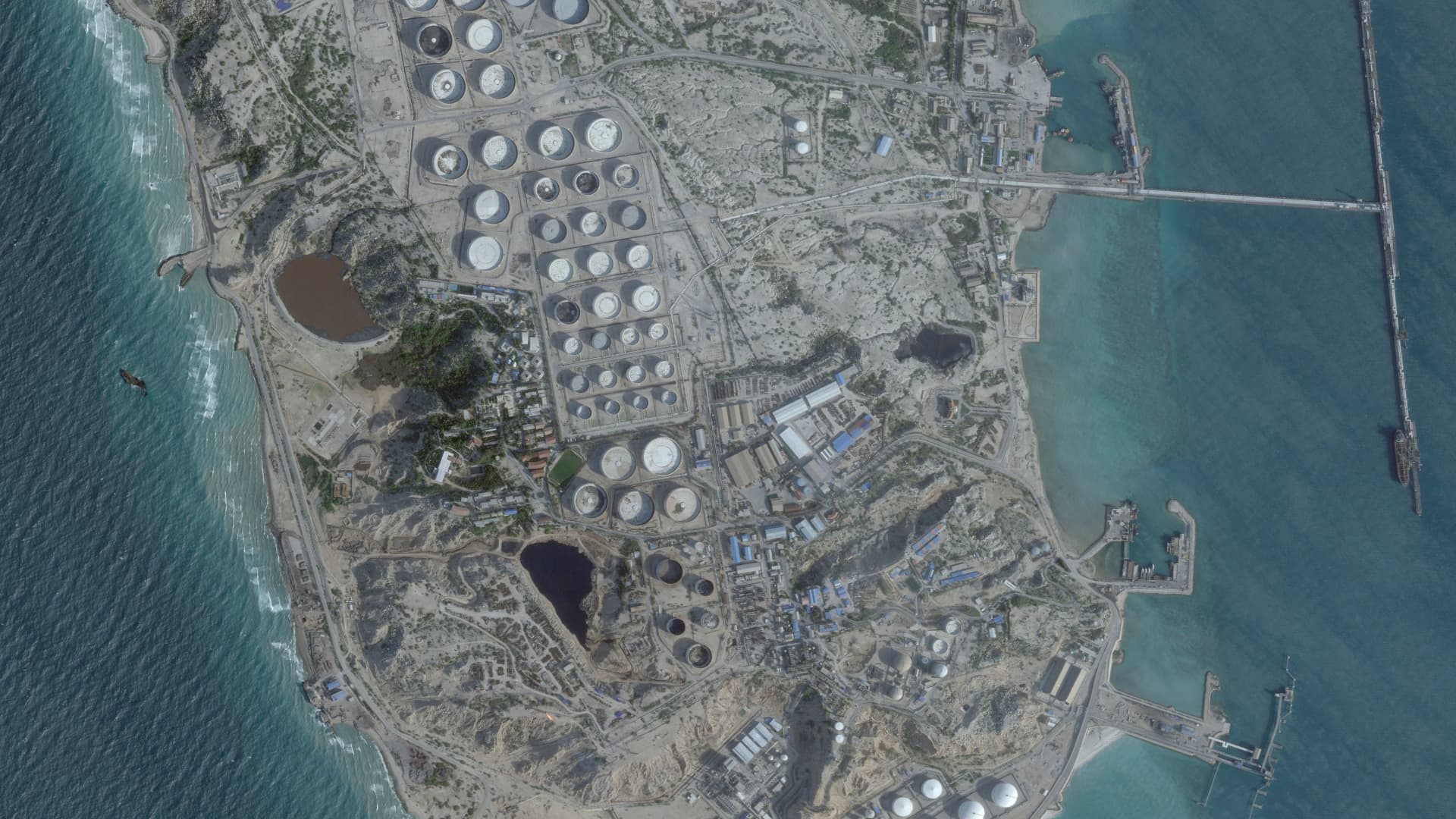
- Cautious Market Reaction: Trump's declaration of wanting to 'take Iran's oil' while suggesting a 'peace deal could be made fairly quickly' has left markets feeling uneasy, leading investors to adopt a risk-averse stance as Asia-Pacific markets fell sharply on Monday.
- Military Deployment Escalation: The Pentagon is reportedly preparing for weeks of ground operations in Iran, with thousands of American soldiers and Marines arriving in the Middle East, raising concerns about an escalation in the Iran conflict that could disrupt global supply chains and increase prices.
- Rising Oil Price Pressure: Oil prices are climbing again as the conflict intensifies, particularly after Yemen's Iran-backed Houthis fired missiles at Israel, heightening fears over energy supply disruptions that could impact the global economy.
- Shipping Route Risks: The Strait of Hormuz, a vital shipping route, is being impeded by the ongoing war, with industry leaders warning that if it does not reopen by mid-April, supply disruptions could worsen significantly, affecting operations across various sectors.
See More

Escalating Impact of Iran War on Oil Markets

- Surge in Oil Prices: U.S. crude prices have surged over 50% since late February, with Brent up more than 55%, indicating that market concerns over the Iran war are escalating and could lead to greater disruptions in global supply chains.
- Ground Operation Preparations: The Pentagon is preparing for weeks of ground operations in Iran, with thousands of American soldiers and Marines arriving in the Middle East, which could exacerbate market uncertainty and impact oil prices.
- Strait of Hormuz Risks: Industry leaders warn that the vital shipping route of the Strait of Hormuz must reopen by mid-April, or supply disruptions could worsen significantly, further driving up oil prices.
- Market Reaction Fatigue: Following reports of potential ground operations, U.S. equity futures fell on Sunday evening, and Asia-Pacific markets also declined at Monday's open, reflecting investor fatigue over the conflict's headlines and concerns about the future.
See More
Navan Shares Surge 37% After Earnings Beat, Analysts Bullish on AI Potential
- Strong Earnings Report: Navan's latest earnings revealed an adjusted profit of 2 cents per share, surpassing analysts' expectations of a 22-cent loss, with revenue reaching $177.9 million, exceeding the forecast of $162.2 million, indicating robust sales execution and rapid customer onboarding.
- Stock Surge: Following the earnings release, Navan's stock soared over 37% this week, with a 43% increase on Thursday alone, although it remains down more than 50% from its $25 IPO price last October, reflecting market optimism about its future growth potential.
- Analyst Optimism: Both Goldman Sachs and Loop Capital reiterated their bullish ratings on Navan, with Goldman setting a $23 price target, implying an 88% upside from last Friday's close, while Loop expects the stock to rise to $20, showcasing confidence in the company's future performance.
- AI-Driven Growth: Analysts highlighted that Navan's use of artificial intelligence will be a key driver of future growth, with Navan Cognition providing outcomes up to 10 times faster than competitors, and AI customer service agent Ava handling 55% of support volume, enhancing customer experience and operational efficiency.
See More
Market Dynamics and Investment Opportunities Analysis
- Market Opening Outlook: The S&P 500 is set for a higher open as President Trump signals progress in U.S.-Iran war talks, reflecting investor optimism despite typically rising oil prices dragging down stocks, indicating a potential shift in market sentiment.
- S&P 500 Performance Review: The S&P 500 has faced nearly a 6% decline in March, marking its fifth consecutive weekly loss, yet it narrowly avoids entering correction territory, with upcoming job reports expected to provide insights into economic health.
- Meta Platforms Investment Advice: Morgan Stanley recommends buying Meta Platforms, asserting that sentiment has bottomed out, and despite the company facing two litigation losses last week that impacted stock prices, early trading shows a slight recovery, indicating renewed investor confidence.
- Oracle's Positive Outlook: Bernstein analysts view Oracle's cloud and database sectors as potential AI winners, setting a price target of $319, which is more than double Friday's closing price of nearly $140, reflecting strong market confidence in its growth prospects.
See More
Markets Misinterpret Fed's Rate Hike Signals Amid Oil Price Surge
- Market Expectation Volatility: Investors have rapidly shifted their expectations regarding U.S. interest rates, with the CME Group's FedWatch tool indicating that futures markets implied over a 50% chance of a rate hike by the end of 2026 on Friday, which fell to about 14% by Monday morning, reflecting an overreaction to rate hike signals.
- Impact of Surging Oil Prices: Global Brent crude prices have surged above $115 per barrel due to the ongoing Iran war, exacerbating inflation concerns and prompting investors to question whether the Fed might tighten monetary policy again despite signs of slowing growth.
- Historical Lessons: Goldman Sachs highlights the cautionary tale of the 1990 oil shock, where markets initially anticipated a hawkish Fed response but ultimately saw rate cuts as economic conditions worsened, suggesting that current market pricing may be misaligned with historical precedents.
- Political Factors at Play: President Trump indicated that an end to the conflict with Iran may be near, although he warned that if a peace deal is not reached soon, the U.S. would attack key Iranian energy infrastructure, which could further influence oil price movements.
See More
U.S. Stocks Continue Retreat, Investors Remain Cautious
- Market Downtrend: The S&P 500 has experienced a five-week decline, falling 9% from its peak two months ago, indicating a cautious and uneasy market sentiment as investors grapple with complex future expectations.
- Technical Support Breakdown: The S&P 500 has failed to hold several key support levels, including the 100-day and 200-day moving averages, suggesting a reduced likelihood of a short-term rebound and increasing downward pressure on the market.
- Valuation Decline: The forward price-to-earnings ratio for the Nasdaq-100 has dropped to 21.5, while the S&P 500 stands at 19.4, nearing the lower end of its three-year range, reflecting cautious market sentiment regarding future earnings amid rising energy and chemical costs.
- Investor Sentiment Freeze: Despite heightened market volatility, many fund managers have remained in a 'frozen' state of trading activity, indicating that investors are adopting a wait-and-see approach amidst current uncertainties, which could lead to a concentrated release of risks in the future.
See More
Trump's Intent to Seize Iran's Oil Market Raises Concerns
- Cautious Market Reaction: Trump's declaration of wanting to 'take Iran's oil' while suggesting a 'peace deal could be made fairly quickly' has left markets feeling uneasy, leading investors to adopt a risk-averse stance as Asia-Pacific markets fell sharply on Monday.
- Military Deployment Escalation: The Pentagon is reportedly preparing for weeks of ground operations in Iran, with thousands of American soldiers and Marines arriving in the Middle East, raising concerns about an escalation in the Iran conflict that could disrupt global supply chains and increase prices.
- Rising Oil Price Pressure: Oil prices are climbing again as the conflict intensifies, particularly after Yemen's Iran-backed Houthis fired missiles at Israel, heightening fears over energy supply disruptions that could impact the global economy.
- Shipping Route Risks: The Strait of Hormuz, a vital shipping route, is being impeded by the ongoing war, with industry leaders warning that if it does not reopen by mid-April, supply disruptions could worsen significantly, affecting operations across various sectors.
See More
Escalating Impact of Iran War on Oil Markets
- Surge in Oil Prices: U.S. crude prices have surged over 50% since late February, with Brent up more than 55%, indicating that market concerns over the Iran war are escalating and could lead to greater disruptions in global supply chains.
- Ground Operation Preparations: The Pentagon is preparing for weeks of ground operations in Iran, with thousands of American soldiers and Marines arriving in the Middle East, which could exacerbate market uncertainty and impact oil prices.
- Strait of Hormuz Risks: Industry leaders warn that the vital shipping route of the Strait of Hormuz must reopen by mid-April, or supply disruptions could worsen significantly, further driving up oil prices.
- Market Reaction Fatigue: Following reports of potential ground operations, U.S. equity futures fell on Sunday evening, and Asia-Pacific markets also declined at Monday's open, reflecting investor fatigue over the conflict's headlines and concerns about the future.
See More