U.S. Approves Over $16.5 Billion Arms Sales
Written by Emily J. Thompson, Senior Investment Analyst
Updated: Mar 19 2026
0mins
Should l Buy RTX?
Source: seekingalpha
- Massive Arms Sales: The U.S. Department of State has approved arms sales exceeding $16.5 billion to several Middle Eastern partners, with the largest package for the UAE totaling over $8.4 billion, which includes missiles, drones, radar systems, and F-16 upgrades, indicating a strong U.S. military commitment in the region.
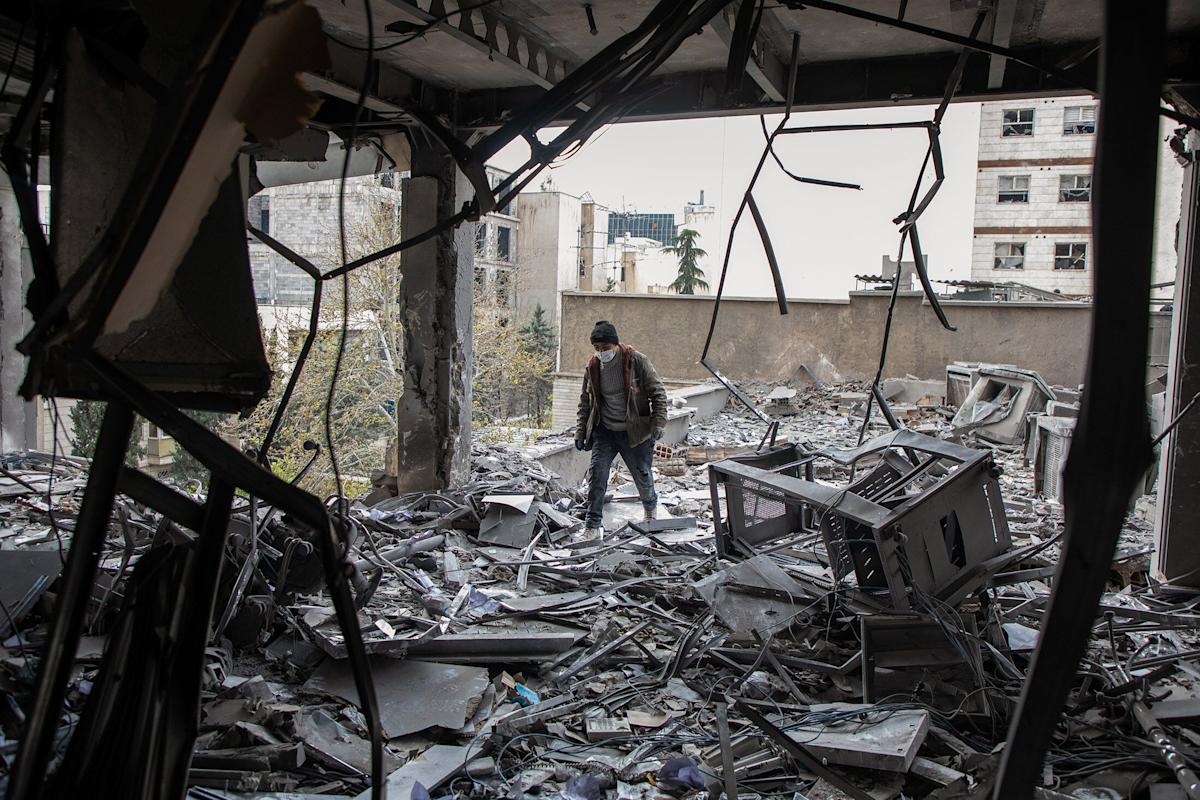
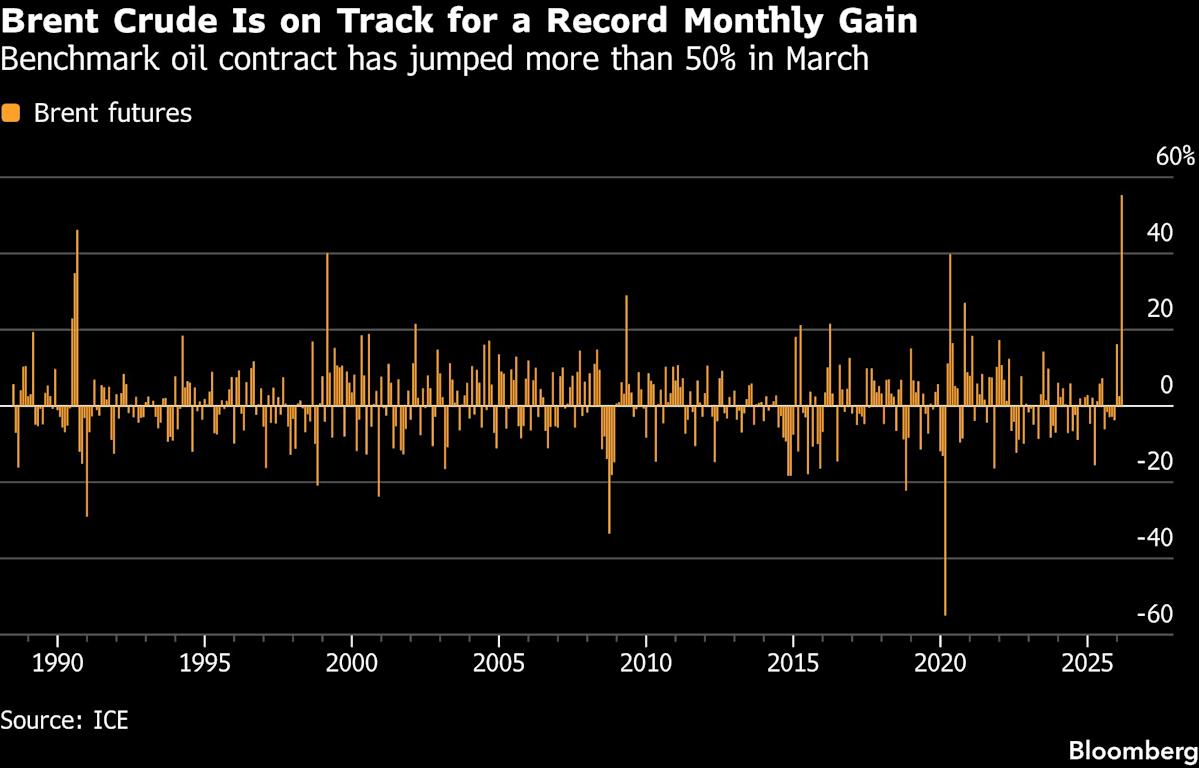
- Escalating Regional Tensions: The backdrop for these sales is the intensifying tensions with Iran, following Iranian strikes on energy infrastructure that have escalated regional conflicts and contributed to rising oil and gas prices, impacting global markets.
- Defense Contractors Involvement: Major U.S. defense contractors expected to be involved include RTX, Northrop Grumman, and Lockheed Martin, which could see significant revenue growth opportunities as a result of these sales, particularly in the current geopolitical climate.
- Rising Demand for Defense Systems: The approval of approximately $8 billion in air and missile defense radar systems for Kuwait, along with $70.5 million in aircraft and munitions support for Jordan, underscores the urgent demand for enhanced defense capabilities among Middle Eastern nations, potentially driving further advancements in related technologies.
Trade with 70% Backtested Accuracy
Stop guessing "Should I Buy RTX?" and start using high-conviction signals backed by rigorous historical data.
Sign up today to access powerful investing tools and make smarter, data-driven decisions.
Analyst Views on RTX
Wall Street analysts forecast RTX stock price to rise
14 Analyst Rating
9 Buy
5 Hold
0 Sell
Moderate Buy
Current: 192.850

Low
168.00
Averages
195.77
High
215.00
Current: 192.850
Low
168.00
Averages
195.77
High
215.00
About RTX
RTX Corporation is an aerospace and defense company, which provides advanced systems and services for commercial, military, and government customers worldwide. The Company operates through three segments: Collins Aerospace, Pratt & Whitney, and Raytheon. Collins Aerospace segment provides technologically advanced aerospace and defense products and aftermarket service solutions for civil and military aircraft manufacturers, commercial airlines, and regional, business and general aviation, as well as for defense and commercial space operations. The Pratt & Whitney segment supplies aircraft engines for commercial, military, business jet, and general aviation customers. The Raytheon segment provides defensive and offensive threat detection, tracking and mitigation capabilities for the United States and foreign government and commercial customers. The Raytheon designs, develops, and provides advanced capabilities in integrated air and missile defense, smart weapons, missiles and others.
About the author

Emily J. Thompson
Emily J. Thompson, a Chartered Financial Analyst (CFA) with 12 years in investment research, graduated with honors from the Wharton School. Specializing in industrial and technology stocks, she provides in-depth analysis for Intellectia’s earnings and market brief reports.

Geopolitical Tensions Drive Increased Military Spending

- Increased Military Spending: Heightened geopolitical tensions are prompting governments to boost investments in military development, with global defense spending projected to reach a record $2 trillion in 2026, indicating a rising priority on national security.
- Market Response: As of the afternoon of March 27, 2026, stock prices of defense-related companies have generally risen, reflecting investor optimism regarding defense spending, which could drive long-term growth for these firms.
- Policy Shifts: Governments are reassessing their defense strategies and increasing budgets to address potential threats, a policy shift that not only affects military procurement but could also have profound implications for related supply chains.
- Strengthened International Cooperation: With rising military expenditures, there is an acceleration of military cooperation and technology sharing among nations, particularly in high-tech weaponry and cybersecurity, potentially reshaping the global military landscape.
See More

Geopolitical Tensions Drive Increased Military Spending
- Increased Military Spending: Geopolitical tensions are prompting governments to ramp up military development expenditures, which is expected to significantly boost defense budgets in the coming years and drive growth in related industries.
- AI and Wealth Creation: The rapid advancement of artificial intelligence has sparked discussions about the potential for creating the world's first trillionaire, reflecting the tech sector's immense potential and possibly attracting investor interest in related companies.
- Key Technology Company: A recent report highlights a little-known company labeled as an 'Indispensable Monopoly' that provides critical technology to both Nvidia and Intel, positioning it for significant competitive advantage in future market dynamics.
- Investment Recommendations: Although RTX was excluded from the Motley Fool analyst team's list of the 10 best stocks, the team's average return of 884% far exceeds the S&P 500's 179%, demonstrating the effectiveness of their investment strategy.
See More

Escalating Geopolitical Risks: Iran Threatens US Universities

- Iran's Escalating Threat: The IRGC has issued a direct threat against U.S. universities in neighboring countries, demanding that students and staff maintain a distance of at least one kilometer, categorizing these institutions as legitimate military targets, which poses significant risks to American educational investments in the region.
- U.S. Military Deployment: Specialized U.S. Marine Expeditionary Units have arrived in the Middle East, marking a significant shift in military posture, with the White House describing this deployment as a contingency measure to secure energy corridors and critical infrastructure, raising concerns about the potential for prolonged ground operations.
- Pakistani Vessels Granted Passage: Iran has agreed to allow 20 additional Pakistani-flagged ships to transit the Strait of Hormuz, with two ships permitted daily, providing crucial logistical support for Pakistani maritime trade amid ongoing regional tensions and showcasing a diplomatic breakthrough.
- Houthi Attacks on Israel: The Houthi group launched drone and missile strikes against Israel, exacerbating regional tensions and highlighting the ongoing volatility of the security landscape, which poses challenges for international efforts to prevent a broader conflict.
See More

Escalating Tensions in Middle East Following Israeli Airstrikes in Gaza

- Casualties from Airstrikes: Israeli airstrikes in southern Gaza resulted in at least six fatalities, including three Hamas police officers and three civilians, further undermining the U.S.-brokered ceasefire that has been in place for over five months, thereby increasing regional security uncertainties.
- Escalation Context: The latest violence in Gaza occurs amid Israel's multi-front campaign, with at least 50 Palestinians reported killed in Gaza over the past month, highlighting the severity and complexity of the ongoing conflict.
- Global Trade Risks: The direct correlation between localized skirmishes and the stability of Mediterranean and Middle Eastern logistics routes raises concerns, as persistent violence suggests a high-risk premium on regional energy and transport costs, potentially impacting global supply chains.
- Fragile Diplomatic Frameworks: Stakeholders are closely monitoring the implications of Israeli military operations in Lebanon and Palestinian territories on broader de-escalation prospects, as the current ceasefire agreements face significant challenges that could lead to further deterioration of the situation.
See More

Iran War Drives Transformation in Defense Technology

- Cost-Effectiveness Demand: Defense Secretary's warning against using $2 million missiles to shoot down $20,000 drones highlights the urgent need for defense tech companies to accelerate the development of low-cost drones to meet modern warfare demands.
- Market Opportunities: The U.S. Department of Defense consumed $5.6 billion in munitions within two days of the Iran war outbreak, indicating a pressing need for new drone and counter-drone technologies, which is rapidly boosting valuations and market shares of related startups.
- Accelerated Technological Innovation: The U.S. has introduced the Low-cost Uncrewed Combat Attack System (LUCAS), priced at approximately $35,000, which is becoming a key technology in countering Iranian drone threats and is expected to attract more defense budget allocations.
- Intensified Industry Competition: Although spending in the defense tech sector accounted for less than 1% of contract dollars in 2025, startups like Anduril and Palantir have secured multi-billion dollar contracts, reflecting strong market demand for high-tech solutions.
See More

Iran War Drives Surge in U.S. Defense Tech Demand
- Drone Technology Deployment: The U.S. has deployed the Low-cost Uncrewed Combat Attack System (LUCAS) in the Iran war, costing approximately $35,000 per unit, marking one of the few new systems emerging and highlighting the urgent demand for low-cost technology that could reshape future combat strategies.
- Surge in Demand: Defense tech startups report skyrocketing demand since the U.S. first struck Iran, with many customers willing to buy out capacity or request ramped-up production, reflecting a strong appetite for innovative technologies in modern warfare.
- Budgetary Challenges: Despite defense tech accounting for less than 1% of contract dollars in 2025, the Trump administration's plan to raise military budgets to $1.5 trillion by 2027 could provide new opportunities for startups in the sector.
- Production Capacity Dilemma: Many defense tech firms face a dilemma over whether to scale production to meet clear demand signals without stable contracts, as the uncertainty surrounding government contracts complicates their expansion strategies.
See More
Geopolitical Tensions Drive Increased Military Spending
- Increased Military Spending: Heightened geopolitical tensions are prompting governments to boost investments in military development, with global defense spending projected to reach a record $2 trillion in 2026, indicating a rising priority on national security.
- Market Response: As of the afternoon of March 27, 2026, stock prices of defense-related companies have generally risen, reflecting investor optimism regarding defense spending, which could drive long-term growth for these firms.
- Policy Shifts: Governments are reassessing their defense strategies and increasing budgets to address potential threats, a policy shift that not only affects military procurement but could also have profound implications for related supply chains.
- Strengthened International Cooperation: With rising military expenditures, there is an acceleration of military cooperation and technology sharing among nations, particularly in high-tech weaponry and cybersecurity, potentially reshaping the global military landscape.
See More
Geopolitical Tensions Drive Increased Military Spending
- Increased Military Spending: Geopolitical tensions are prompting governments to ramp up military development expenditures, which is expected to significantly boost defense budgets in the coming years and drive growth in related industries.
- AI and Wealth Creation: The rapid advancement of artificial intelligence has sparked discussions about the potential for creating the world's first trillionaire, reflecting the tech sector's immense potential and possibly attracting investor interest in related companies.
- Key Technology Company: A recent report highlights a little-known company labeled as an 'Indispensable Monopoly' that provides critical technology to both Nvidia and Intel, positioning it for significant competitive advantage in future market dynamics.
- Investment Recommendations: Although RTX was excluded from the Motley Fool analyst team's list of the 10 best stocks, the team's average return of 884% far exceeds the S&P 500's 179%, demonstrating the effectiveness of their investment strategy.
See More
Escalating Geopolitical Risks: Iran Threatens US Universities
- Iran's Escalating Threat: The IRGC has issued a direct threat against U.S. universities in neighboring countries, demanding that students and staff maintain a distance of at least one kilometer, categorizing these institutions as legitimate military targets, which poses significant risks to American educational investments in the region.
- U.S. Military Deployment: Specialized U.S. Marine Expeditionary Units have arrived in the Middle East, marking a significant shift in military posture, with the White House describing this deployment as a contingency measure to secure energy corridors and critical infrastructure, raising concerns about the potential for prolonged ground operations.
- Pakistani Vessels Granted Passage: Iran has agreed to allow 20 additional Pakistani-flagged ships to transit the Strait of Hormuz, with two ships permitted daily, providing crucial logistical support for Pakistani maritime trade amid ongoing regional tensions and showcasing a diplomatic breakthrough.
- Houthi Attacks on Israel: The Houthi group launched drone and missile strikes against Israel, exacerbating regional tensions and highlighting the ongoing volatility of the security landscape, which poses challenges for international efforts to prevent a broader conflict.
See More
Escalating Tensions in Middle East Following Israeli Airstrikes in Gaza
- Casualties from Airstrikes: Israeli airstrikes in southern Gaza resulted in at least six fatalities, including three Hamas police officers and three civilians, further undermining the U.S.-brokered ceasefire that has been in place for over five months, thereby increasing regional security uncertainties.
- Escalation Context: The latest violence in Gaza occurs amid Israel's multi-front campaign, with at least 50 Palestinians reported killed in Gaza over the past month, highlighting the severity and complexity of the ongoing conflict.
- Global Trade Risks: The direct correlation between localized skirmishes and the stability of Mediterranean and Middle Eastern logistics routes raises concerns, as persistent violence suggests a high-risk premium on regional energy and transport costs, potentially impacting global supply chains.
- Fragile Diplomatic Frameworks: Stakeholders are closely monitoring the implications of Israeli military operations in Lebanon and Palestinian territories on broader de-escalation prospects, as the current ceasefire agreements face significant challenges that could lead to further deterioration of the situation.
See More
Iran War Drives Transformation in Defense Technology
- Cost-Effectiveness Demand: Defense Secretary's warning against using $2 million missiles to shoot down $20,000 drones highlights the urgent need for defense tech companies to accelerate the development of low-cost drones to meet modern warfare demands.
- Market Opportunities: The U.S. Department of Defense consumed $5.6 billion in munitions within two days of the Iran war outbreak, indicating a pressing need for new drone and counter-drone technologies, which is rapidly boosting valuations and market shares of related startups.
- Accelerated Technological Innovation: The U.S. has introduced the Low-cost Uncrewed Combat Attack System (LUCAS), priced at approximately $35,000, which is becoming a key technology in countering Iranian drone threats and is expected to attract more defense budget allocations.
- Intensified Industry Competition: Although spending in the defense tech sector accounted for less than 1% of contract dollars in 2025, startups like Anduril and Palantir have secured multi-billion dollar contracts, reflecting strong market demand for high-tech solutions.
See More
Iran War Drives Surge in U.S. Defense Tech Demand
- Drone Technology Deployment: The U.S. has deployed the Low-cost Uncrewed Combat Attack System (LUCAS) in the Iran war, costing approximately $35,000 per unit, marking one of the few new systems emerging and highlighting the urgent demand for low-cost technology that could reshape future combat strategies.
- Surge in Demand: Defense tech startups report skyrocketing demand since the U.S. first struck Iran, with many customers willing to buy out capacity or request ramped-up production, reflecting a strong appetite for innovative technologies in modern warfare.
- Budgetary Challenges: Despite defense tech accounting for less than 1% of contract dollars in 2025, the Trump administration's plan to raise military budgets to $1.5 trillion by 2027 could provide new opportunities for startups in the sector.
- Production Capacity Dilemma: Many defense tech firms face a dilemma over whether to scale production to meet clear demand signals without stable contracts, as the uncertainty surrounding government contracts complicates their expansion strategies.
See More