United Airlines Lowers 2026 Earnings Outlook Amid Fuel Price Surge
Written by Emily J. Thompson, Senior Investment Analyst
Updated: 1 day ago
0mins
Source: CNBC
- Earnings Outlook Downgrade: United Airlines has revised its 2026 adjusted earnings per share forecast down to between $7 and $11, significantly lower than the previous estimate of $12 to $14 released in January, reflecting the impact of soaring fuel prices due to the Middle East conflict on profitability.
- Second Quarter Earnings Forecast: The airline anticipates adjusted earnings of between $1 and $2 per share for the second quarter, falling short of analysts' expectations of $2.08, indicating direct pressure on earnings from rising fuel costs.
- Revenue Growth Performance: Despite challenges, United reported a more than 10% year-over-year revenue increase in Q1, reaching $14.61 billion, with net income soaring 80% to $699 million, demonstrating the company's resilience in a high fuel cost environment.
- Strong Market Demand: Even as it raised fares and checked bag fees to cope with rising fuel prices, United reported a 7.9% increase in domestic flight revenue to $7.9 billion, indicating robust consumer demand for air travel, which supports future revenue growth.
Trade with 70% Backtested Accuracy
Stop guessing "Should I Buy UAL?" and start using high-conviction signals backed by rigorous historical data.
Sign up today to access powerful investing tools and make smarter, data-driven decisions.
Analyst Views on UAL
Wall Street analysts forecast UAL stock price to rise
16 Analyst Rating
15 Buy
1 Hold
0 Sell
Strong Buy
Current: 91.710

Low
115.00
Averages
139.07
High
156.00
Current: 91.710
Low
115.00
Averages
139.07
High
156.00
About UAL
United Airlines Holdings, Inc. is a holding company. The Company transports people and cargo throughout North America and to destinations in Asia, Europe, Africa, the Pacific, the Middle East and Latin America. The Company, through United Airlines, Inc., and its regional carriers, operates across over six continents, with hubs at Chicago O'Hare International Airport (ORD), Denver International Airport (DEN), George Bush Intercontinental Airport (IAH), Los Angeles International Airport (LAX), Newark Liberty International Airport (EWR), San Francisco International Airport (SFO), Washington Dulles International Airport (IAD) and A.B. Won Pat International Airport (GUM). Its hub and spoke system allow it to transport passengers between a large number of destinations with frequent services. The Company has contractual relationships with various regional carriers to provide regional aircraft service branded as United Express. It provides freight and mail transportation services (Air Cargo).
About the author

Emily J. Thompson
Emily J. Thompson, a Chartered Financial Analyst (CFA) with 12 years in investment research, graduated with honors from the Wharton School. Specializing in industrial and technology stocks, she provides in-depth analysis for Intellectia’s earnings and market brief reports.
American Airlines CEO Rejects Merger with United Airlines

- Merger Proposal Rejected: American Airlines CEO Robert Isom flatly rejected a merger proposal with United Airlines, labeling it anti-competitive while emphasizing American's commitment to defending its Chicago hub to maintain market competitiveness.
- Flight Schedule Rebuilding: Isom stated that federal actions to alleviate congestion at Chicago O'Hare Airport could allow American to restore its daily departures to around 500, enhancing operational efficiency and meeting customer demand.
- Partnership with Alaska Airlines: American is in early-stage talks with Alaska Airlines to deepen their partnership, potentially integrating Alaska into American's transatlantic and transpacific joint business arrangements, thereby expanding market reach.
- Union Warning: The pilot union at American Airlines expressed concerns over the deepening partnership with Alaska, asserting that it would vigorously defend contract protections related to code-sharing to ensure American's global competitiveness is not compromised.
See More

Stock Futures Dip Modestly After Record Highs; Texas Instruments Shines


- Texas Instruments Earnings Surge: Texas Instruments has eliminated the overhang on its industrial business, with its data center segment growing 90% year-over-year, and a strong second-quarter guide has led to a premarket share price increase of over 10%, reflecting market confidence in its growth trajectory.
- Honeywell's Disappointing Quarter: Honeywell reported a messy quarter, causing its shares to drop over 5% in premarket trading; however, the upcoming aerospace spin-off scheduled for June 29 keeps long-term investors optimistic about its future potential.
- ServiceNow Shares Plummet: Following a noisy earnings report, ServiceNow's shares fell nearly 14% in premarket trading, as the market expressed concerns over slowed growth and high AI costs, prompting KeyBanc and Jefferies to lower their price targets significantly.
- IBM Revenue Growth Deceleration: IBM's first-quarter revenue growth slowed to 9% from 12% in the previous quarter, raising investor concerns about its future prospects, leading to a premarket decline of over 7% in its stock price, as doubts linger about the effectiveness of its AI tools in maintaining revenue streams.
See More
American Airlines CEO Calls Merger with United Airlines a Non-Starter
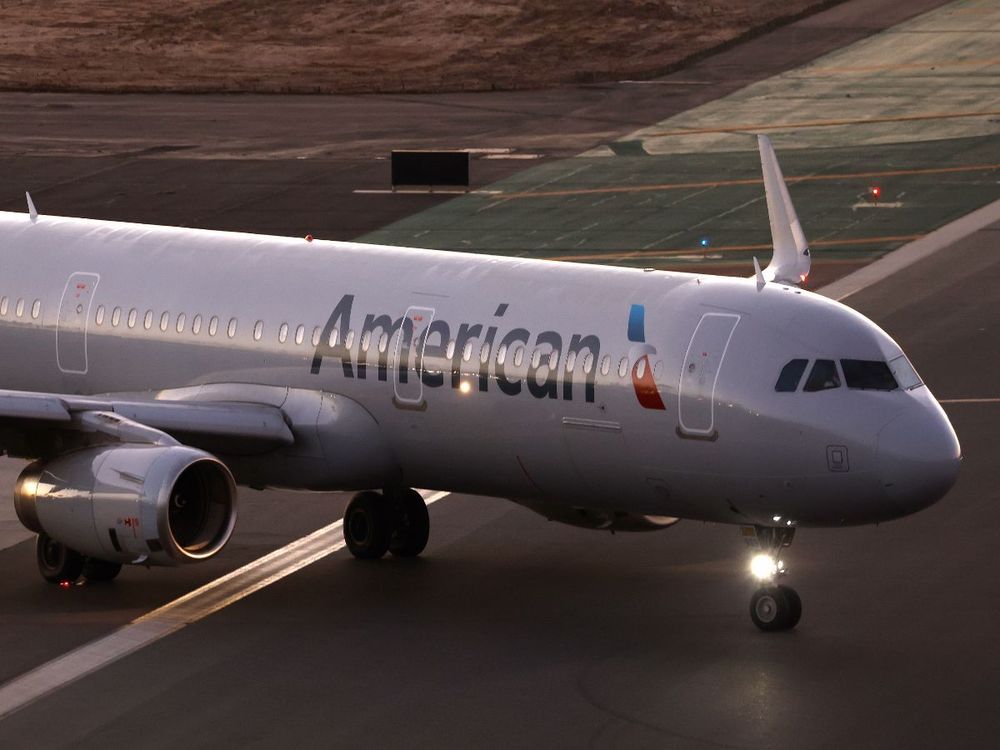
- Merger Outlook Dim: American Airlines CEO Robert Isom stated in a CNBC interview that a merger with United Airlines is a “non-starter,” highlighting potential anti-competitive issues that could reshape industry dynamics and market competition.
- Future Fare Warning: Isom cautioned that if energy prices remain elevated, airfare hikes could be expected in the second half of 2026, which would directly impact consumer travel costs and airline revenues.
- Poor Financial Performance: American Airlines reported an adjusted loss of $0.58 per share in Q1, with revenues of $13.9 billion, reflecting the financial pressures the company faces amid intense market competition and rising costs.
- Slight Stock Decline: Shares of American Airlines fell approximately 0.5% in Thursday's pre-market trading, indicating market caution regarding the company's outlook, which could affect investor confidence and future stock price movements.
See More

American Airlines CEO Opposes Merger with United Airlines
- Opposition to Merger: American Airlines CEO Robert Isom stated that a merger with United Airlines would harm consumers and is inherently anti-competitive, emphasizing that the idea was a non-starter from the outset and detrimental to American Airlines and its workforce.
- Denial of Merger Discussions: American Airlines issued a statement confirming it is not engaged in any merger discussions with United Airlines, reinforcing its commitment to independent operations aimed at protecting customer interests and market competition.
- Trump Administration's Stance: President Trump expressed his opposition to the merger earlier this week, indicating he does not favor the consolidation of the two major airlines, while also suggesting interest in a potential buyer for struggling discount carrier Spirit, reflecting a cautious governmental approach to airline industry consolidation.
- Competitive Market Pressure: American Airlines is currently trailing behind competitors United and Delta, and is attempting to catch up through investments in new aircraft and premium offerings, highlighting the urgency of improving its market share and service quality.
See More

American Airlines CEO Opposes Merger with United Airlines
- Opposition to Merger: American Airlines CEO Robert Isom stated in a CNBC interview that a merger with United Airlines would harm consumers and labeled the idea as a 'non-starter from the get-go,' indicating strong opposition to the potential consolidation.
- Anti-competitive Concerns: Isom emphasized that merging the two largest airlines would be viewed as anti-competitive, detrimental to customers, and ultimately harmful to American Airlines and its workforce, reflecting his deep concern for the competitive landscape in the industry.
- Trump Administration's Stance: President Trump also voiced his opposition to the merger earlier this week, stating he does not favor the two major airlines merging, which indicates a cautious governmental approach towards airline consolidation.
- Market Competition Strategy: American Airlines is attempting to catch up with competitors like United and Delta by investing in new aircraft and premium products, demonstrating its strategic intent to enhance service quality and customer experience in a competitive market.
See More

U.S. Airlines Face Fuel Cost Crisis Amid Record Passenger Numbers

- Record Passenger Numbers: U.S. airlines reported their highest-ever passenger counts in Q1, yet rising fuel costs have severely impacted profits, with United Airlines (UAL) cutting its full-year profit forecast by about a third, highlighting the industry's struggle between strong demand and soaring costs.
- Surging Fuel Costs: Jet fuel prices have nearly doubled since the U.S. and Israel's attacks on Iran in late February, making it difficult for airlines to raise fares quickly enough to cover costs; Southwest Airlines (LUV) expects second-quarter fuel prices to reach $4.10 to $4.15 per gallon, significantly up from $2.73 in Q1.
- Flight Reductions: Airlines are cutting flights despite full planes, with United Airlines CEO Scott Kirby stating that some routes no longer make sense in a high fuel price environment, leading to a planned 5% reduction in flights, while Delta Air Lines (DAL) is cutting capacity by over 3.5 percentage points.
- Fare Increases Insufficient: Although Delta's revenue rose nearly 10% in Q1 and fares increased by about 12% in early March, many passengers had booked before fuel prices surged, limiting airlines' ability to recover costs quickly; Alaska Airlines (ALK) noted it would have been profitable this quarter but for fuel costs.
See More
American Airlines CEO Rejects Merger with United Airlines
- Merger Proposal Rejected: American Airlines CEO Robert Isom flatly rejected a merger proposal with United Airlines, labeling it anti-competitive while emphasizing American's commitment to defending its Chicago hub to maintain market competitiveness.
- Flight Schedule Rebuilding: Isom stated that federal actions to alleviate congestion at Chicago O'Hare Airport could allow American to restore its daily departures to around 500, enhancing operational efficiency and meeting customer demand.
- Partnership with Alaska Airlines: American is in early-stage talks with Alaska Airlines to deepen their partnership, potentially integrating Alaska into American's transatlantic and transpacific joint business arrangements, thereby expanding market reach.
- Union Warning: The pilot union at American Airlines expressed concerns over the deepening partnership with Alaska, asserting that it would vigorously defend contract protections related to code-sharing to ensure American's global competitiveness is not compromised.
See More
Stock Futures Dip Modestly After Record Highs; Texas Instruments Shines
- Texas Instruments Earnings Surge: Texas Instruments has eliminated the overhang on its industrial business, with its data center segment growing 90% year-over-year, and a strong second-quarter guide has led to a premarket share price increase of over 10%, reflecting market confidence in its growth trajectory.
- Honeywell's Disappointing Quarter: Honeywell reported a messy quarter, causing its shares to drop over 5% in premarket trading; however, the upcoming aerospace spin-off scheduled for June 29 keeps long-term investors optimistic about its future potential.
- ServiceNow Shares Plummet: Following a noisy earnings report, ServiceNow's shares fell nearly 14% in premarket trading, as the market expressed concerns over slowed growth and high AI costs, prompting KeyBanc and Jefferies to lower their price targets significantly.
- IBM Revenue Growth Deceleration: IBM's first-quarter revenue growth slowed to 9% from 12% in the previous quarter, raising investor concerns about its future prospects, leading to a premarket decline of over 7% in its stock price, as doubts linger about the effectiveness of its AI tools in maintaining revenue streams.
See More
American Airlines CEO Calls Merger with United Airlines a Non-Starter
- Merger Outlook Dim: American Airlines CEO Robert Isom stated in a CNBC interview that a merger with United Airlines is a “non-starter,” highlighting potential anti-competitive issues that could reshape industry dynamics and market competition.
- Future Fare Warning: Isom cautioned that if energy prices remain elevated, airfare hikes could be expected in the second half of 2026, which would directly impact consumer travel costs and airline revenues.
- Poor Financial Performance: American Airlines reported an adjusted loss of $0.58 per share in Q1, with revenues of $13.9 billion, reflecting the financial pressures the company faces amid intense market competition and rising costs.
- Slight Stock Decline: Shares of American Airlines fell approximately 0.5% in Thursday's pre-market trading, indicating market caution regarding the company's outlook, which could affect investor confidence and future stock price movements.
See More
American Airlines CEO Opposes Merger with United Airlines
- Opposition to Merger: American Airlines CEO Robert Isom stated that a merger with United Airlines would harm consumers and is inherently anti-competitive, emphasizing that the idea was a non-starter from the outset and detrimental to American Airlines and its workforce.
- Denial of Merger Discussions: American Airlines issued a statement confirming it is not engaged in any merger discussions with United Airlines, reinforcing its commitment to independent operations aimed at protecting customer interests and market competition.
- Trump Administration's Stance: President Trump expressed his opposition to the merger earlier this week, indicating he does not favor the consolidation of the two major airlines, while also suggesting interest in a potential buyer for struggling discount carrier Spirit, reflecting a cautious governmental approach to airline industry consolidation.
- Competitive Market Pressure: American Airlines is currently trailing behind competitors United and Delta, and is attempting to catch up through investments in new aircraft and premium offerings, highlighting the urgency of improving its market share and service quality.
See More
American Airlines CEO Opposes Merger with United Airlines
- Opposition to Merger: American Airlines CEO Robert Isom stated in a CNBC interview that a merger with United Airlines would harm consumers and labeled the idea as a 'non-starter from the get-go,' indicating strong opposition to the potential consolidation.
- Anti-competitive Concerns: Isom emphasized that merging the two largest airlines would be viewed as anti-competitive, detrimental to customers, and ultimately harmful to American Airlines and its workforce, reflecting his deep concern for the competitive landscape in the industry.
- Trump Administration's Stance: President Trump also voiced his opposition to the merger earlier this week, stating he does not favor the two major airlines merging, which indicates a cautious governmental approach towards airline consolidation.
- Market Competition Strategy: American Airlines is attempting to catch up with competitors like United and Delta by investing in new aircraft and premium products, demonstrating its strategic intent to enhance service quality and customer experience in a competitive market.
See More
U.S. Airlines Face Fuel Cost Crisis Amid Record Passenger Numbers
- Record Passenger Numbers: U.S. airlines reported their highest-ever passenger counts in Q1, yet rising fuel costs have severely impacted profits, with United Airlines (UAL) cutting its full-year profit forecast by about a third, highlighting the industry's struggle between strong demand and soaring costs.
- Surging Fuel Costs: Jet fuel prices have nearly doubled since the U.S. and Israel's attacks on Iran in late February, making it difficult for airlines to raise fares quickly enough to cover costs; Southwest Airlines (LUV) expects second-quarter fuel prices to reach $4.10 to $4.15 per gallon, significantly up from $2.73 in Q1.
- Flight Reductions: Airlines are cutting flights despite full planes, with United Airlines CEO Scott Kirby stating that some routes no longer make sense in a high fuel price environment, leading to a planned 5% reduction in flights, while Delta Air Lines (DAL) is cutting capacity by over 3.5 percentage points.
- Fare Increases Insufficient: Although Delta's revenue rose nearly 10% in Q1 and fares increased by about 12% in early March, many passengers had booked before fuel prices surged, limiting airlines' ability to recover costs quickly; Alaska Airlines (ALK) noted it would have been profitable this quarter but for fuel costs.
See More