United Airlines Expands Starlink In-Flight Wi-Fi Service
Written by Emily J. Thompson, Senior Investment Analyst
Updated: Feb 03 2026
0mins

Should l Buy UAL?
Source: Benzinga
- Service Expansion: United Airlines has announced an expansion of its partnership with Elon Musk-backed Starlink satellite internet service, now available on over 300 aircraft, nearly covering its entire regional fleet, with plans to extend to over 800 aircraft by year-end, significantly enhancing passenger internet access.
- User Base: The service is currently utilized by over 7 million passengers, and it is free for MileagePlus members, which not only boosts customer loyalty but also has the potential to attract new users, enhancing the airline's competitive position in the market.
- Industry Dynamics: Despite Ryanair CEO O'Leary's concerns about fuel drag penalties associated with Starlink, he anticipates that all airlines will eventually offer free in-flight Wi-Fi, indicating a gradual acceptance of this technology across the industry and its future ubiquity.
- Stock Performance: United Airlines' stock surged 4.92% at market close on Monday and climbed an additional 0.34% in after-hours trading to $107.72, reflecting positive market sentiment regarding its business expansion and growth potential.
Trade with 70% Backtested Accuracy
Stop guessing "Should I Buy UAL?" and start using high-conviction signals backed by rigorous historical data.
Sign up today to access powerful investing tools and make smarter, data-driven decisions.
Analyst Views on UAL
Wall Street analysts forecast UAL stock price to rise
16 Analyst Rating
15 Buy
1 Hold
0 Sell
Strong Buy
Current: 101.800

Low
115.00
Averages
139.07
High
156.00
Current: 101.800
Low
115.00
Averages
139.07
High
156.00
About UAL
United Airlines Holdings, Inc. is a holding company. The Company transports people and cargo throughout North America and to destinations in Asia, Europe, Africa, the Pacific, the Middle East and Latin America. The Company, through United Airlines, Inc., and its regional carriers, operates across over six continents, with hubs at Chicago O'Hare International Airport (ORD), Denver International Airport (DEN), George Bush Intercontinental Airport (IAH), Los Angeles International Airport (LAX), Newark Liberty International Airport (EWR), San Francisco International Airport (SFO), Washington Dulles International Airport (IAD) and A.B. Won Pat International Airport (GUM). Its hub and spoke system allow it to transport passengers between a large number of destinations with frequent services. The Company has contractual relationships with various regional carriers to provide regional aircraft service branded as United Express. It provides freight and mail transportation services (Air Cargo).
About the author

Emily J. Thompson
Emily J. Thompson, a Chartered Financial Analyst (CFA) with 12 years in investment research, graduated with honors from the Wharton School. Specializing in industrial and technology stocks, she provides in-depth analysis for Intellectia’s earnings and market brief reports.
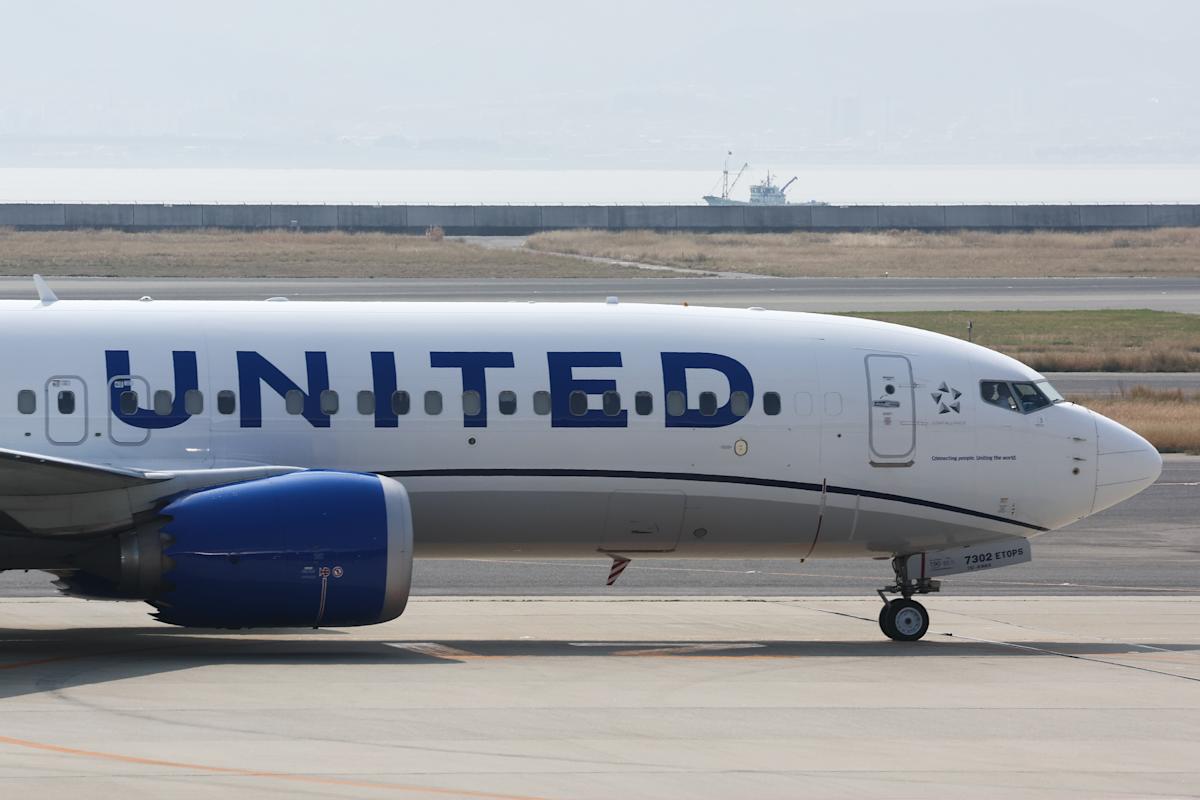
United Airlines Q1 Earnings Preview Amid Sector Turmoil

- Revenue Growth Expectations: United Airlines is projected to report Q1 revenue of $14.45 billion, reflecting a 9.4% year-over-year increase, indicating the company's ability to maintain revenue momentum despite oil price fluctuations and consumer health concerns.
- Adjusted EPS Forecast: The airline anticipates an adjusted EPS of $1.09, up 19.8% year-over-year, showcasing strong performance within its premium customer segment, even while facing an additional $400 million in fuel costs due to unhedged positions.
- Expansion of Premium Offerings: United plans to increase its premium seat count to 27.4 million by 2025, representing 12% of all flown seats, demonstrating a strategic push into the high-end market that is expected to further boost revenue.
- Potential Merger Talks: Reports suggest United is exploring a merger with American Airlines, although American has publicly dismissed such discussions, highlighting the growing focus on consolidation amid rising competition and fuel cost pressures.
See More
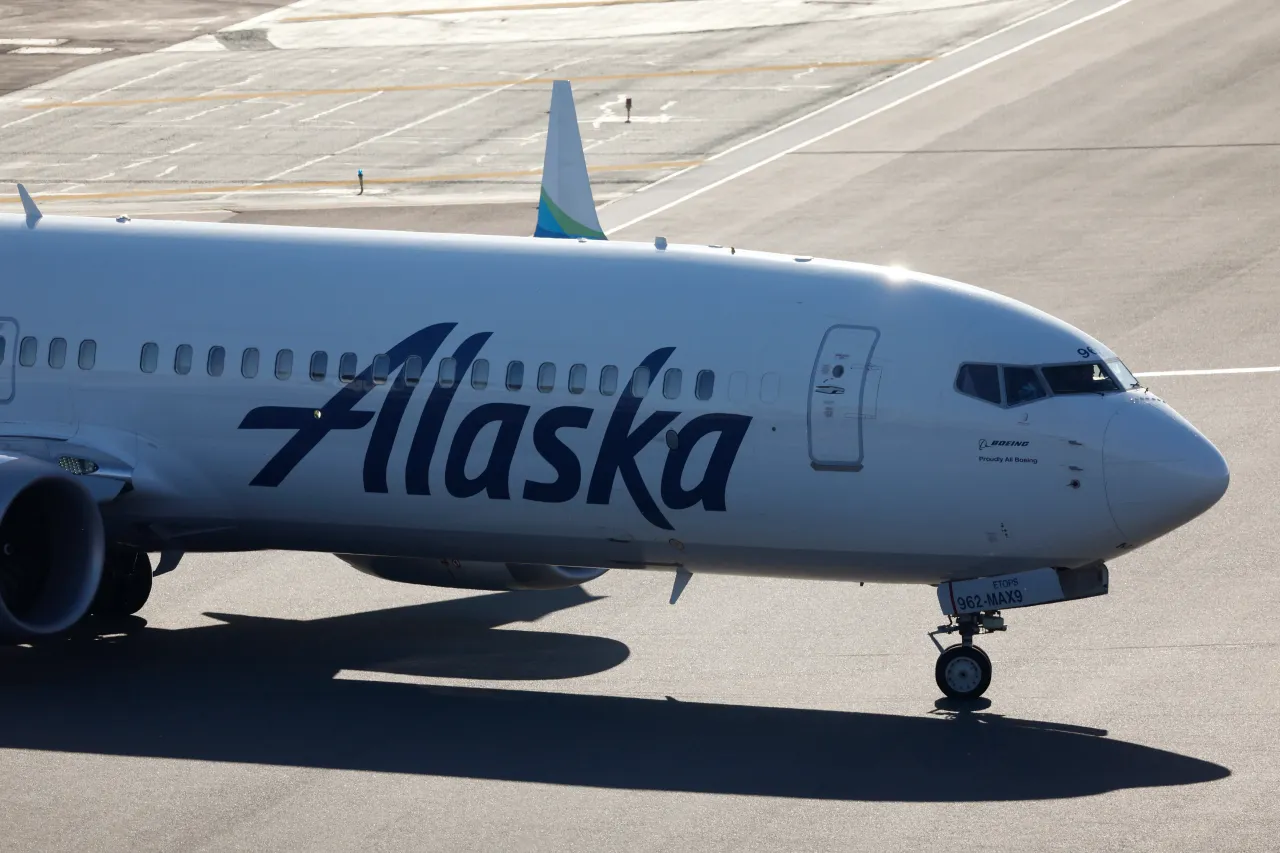
Alaska Air Misses Q1 Revenue and Profit Expectations

- Revenue and Profit Miss: Alaska Air reported Q1 2026 revenue of $3.3 billion, a 5% year-over-year increase that beat analyst expectations; however, soaring fuel costs, which jumped 17% to $796 million, led to a wider loss per share of $1.69, significantly exceeding market forecasts.
- Fuel Cost Pressure: The company anticipates an additional $600 million in fuel expenses for Q2 2026, projecting a loss per share of $1, much deeper than Wall Street's consensus of $0.15, indicating ongoing challenges in a high fuel price environment.
- Strong Market Demand: Despite robust demand in the U.S. airline industry, Alaska Air faces pressure from high fuel prices; data shows March 2026 air ticket sales reached $10.4 billion, a 12% increase from March 2025, reflecting overall market recovery.
- Lack of Full-Year Guidance: The airline has refrained from providing full-year revenue or profit guidance for 2026, citing limited visibility due to fuel price volatility, which underscores the uncertainty surrounding future earnings.
See More

Stock Markets Decline Amid Soaring Oil Prices and Geopolitical Tensions
- Oil Price Surge Impacts Markets: The S&P 500 index fell 0.24%, the Dow Jones Industrial Average dropped 0.01%, and the Nasdaq 100 index declined 0.31% on Monday as WTI crude prices surged over 6%, indicating market sensitivity to rising energy costs amid geopolitical tensions.
- Geopolitical Risks Escalate: The closure of the Strait of Hormuz by Iran has raised market concerns, especially following U.S. Navy actions against Iranian tankers, which could exacerbate global oil and fuel shortages, further unsettling investor sentiment.
- Earnings Season Continues: So far, 81% of the 48 S&P 500 companies that reported earnings exceeded expectations, with Q1 earnings projected to rise 12% year-over-year; however, excluding the tech sector, growth is only expected at 3%, highlighting signs of economic weakness.
- Airline Stocks Under Pressure: Airline stocks retreated as rising oil prices weighed on profits, with American Airlines and Alaska Air both down over 4%, reflecting the direct impact of fuel costs on company earnings and potential downward revisions in future profit expectations.
See More

U.S. Stocks Decline Amid Soaring Oil Prices

- Oil Price Surge Impacts Markets: The S&P 500 index fell 0.41%, the Dow Jones Industrial Average dropped 0.31%, and the Nasdaq 100 index declined 0.66% as WTI crude oil prices surged over 5%, indicating market sensitivity to rising energy costs amid doubts about peace talks regarding the Iran war.
- Geopolitical Risks Escalate: Iran's closure of the Strait of Hormuz has raised market concerns, especially following U.S. Navy actions against Iranian tankers, which could exacerbate global oil and fuel shortages, further increasing market uncertainty.
- Earnings Season Continues: So far, 81% of the 48 S&P 500 companies that reported earnings have beaten estimates, with Q1 earnings projected to rise 12% year-over-year; however, excluding the tech sector, the growth is only 3%, indicating signs of overall economic weakness.
- Airline Stocks Under Pressure: Airline and cruise line stocks are broadly down due to rising oil prices, with Norwegian Cruise Line Holdings down over 5% and American Airlines Group down over 4%, reflecting the negative impact of high fuel costs on company profits.
See More

Oil Price Surge Leads to Market Decline
- Market Decline: The S&P 500 index fell by 0.21%, the Dow Jones Industrial Average by 0.04%, and the Nasdaq 100 by 0.24%, indicating investor concerns over rising oil prices that could impact corporate earnings and overall market confidence.
- Oil Price Surge: WTI crude oil prices increased by over 5% due to the closure of the Strait of Hormuz following the US's refusal to lift its naval blockade on Iranian vessels, which could exacerbate global oil and fuel shortages and raise operational costs for affected industries.
- Earnings Expectations: So far, 81% of the 48 S&P 500 companies that reported earnings have exceeded estimates, with Q1 earnings projected to rise by 12% year-over-year; however, excluding the tech sector, growth is only expected to be 3%, indicating signs of an overall economic slowdown.
- Airline and Chip Stocks Under Pressure: Airline stocks are down due to rising fuel costs, with Norwegian Cruise Line Holdings falling over 6%, while chipmakers like Intel are also down more than 2%, reflecting the negative impact of high oil prices across multiple sectors.
See More

Midday Market Moves: Notable Stock Fluctuations

- Stanley Black & Decker Surge: Stanley Black & Decker's stock rose over 4% after the company stated that recent changes to Section 232 tariffs would not materially impact its full-year forecast, indicating strong confidence in its financial outlook.
- Fermi Stock Plunge: Shares of energy infrastructure developer Fermi fell more than 22% following the resignation of CFO Miles Everson and the recent departure of CEO Toby Neugebauer, raising concerns about the company's leadership stability and future direction.
- Biogen's Strategic Move: Biogen's stock increased nearly 3% after agreeing to pay $850 million for exclusive rights to sell felzartamab in China, which underscores its strategic expansion in the immune-related disease treatment market.
- Fertilizer Stocks Fluctuate: Fertilizer stocks experienced volatility as CF Industries rose nearly 2% due to ongoing shipping disruptions in the Strait of Hormuz, while Dow and LyondellBasell Industries also saw gains of about 4% and 2%, respectively, reflecting market reactions to supply chain challenges.
See More
United Airlines Q1 Earnings Preview Amid Sector Turmoil
- Revenue Growth Expectations: United Airlines is projected to report Q1 revenue of $14.45 billion, reflecting a 9.4% year-over-year increase, indicating the company's ability to maintain revenue momentum despite oil price fluctuations and consumer health concerns.
- Adjusted EPS Forecast: The airline anticipates an adjusted EPS of $1.09, up 19.8% year-over-year, showcasing strong performance within its premium customer segment, even while facing an additional $400 million in fuel costs due to unhedged positions.
- Expansion of Premium Offerings: United plans to increase its premium seat count to 27.4 million by 2025, representing 12% of all flown seats, demonstrating a strategic push into the high-end market that is expected to further boost revenue.
- Potential Merger Talks: Reports suggest United is exploring a merger with American Airlines, although American has publicly dismissed such discussions, highlighting the growing focus on consolidation amid rising competition and fuel cost pressures.
See More
Alaska Air Misses Q1 Revenue and Profit Expectations
- Revenue and Profit Miss: Alaska Air reported Q1 2026 revenue of $3.3 billion, a 5% year-over-year increase that beat analyst expectations; however, soaring fuel costs, which jumped 17% to $796 million, led to a wider loss per share of $1.69, significantly exceeding market forecasts.
- Fuel Cost Pressure: The company anticipates an additional $600 million in fuel expenses for Q2 2026, projecting a loss per share of $1, much deeper than Wall Street's consensus of $0.15, indicating ongoing challenges in a high fuel price environment.
- Strong Market Demand: Despite robust demand in the U.S. airline industry, Alaska Air faces pressure from high fuel prices; data shows March 2026 air ticket sales reached $10.4 billion, a 12% increase from March 2025, reflecting overall market recovery.
- Lack of Full-Year Guidance: The airline has refrained from providing full-year revenue or profit guidance for 2026, citing limited visibility due to fuel price volatility, which underscores the uncertainty surrounding future earnings.
See More
Stock Markets Decline Amid Soaring Oil Prices and Geopolitical Tensions
- Oil Price Surge Impacts Markets: The S&P 500 index fell 0.24%, the Dow Jones Industrial Average dropped 0.01%, and the Nasdaq 100 index declined 0.31% on Monday as WTI crude prices surged over 6%, indicating market sensitivity to rising energy costs amid geopolitical tensions.
- Geopolitical Risks Escalate: The closure of the Strait of Hormuz by Iran has raised market concerns, especially following U.S. Navy actions against Iranian tankers, which could exacerbate global oil and fuel shortages, further unsettling investor sentiment.
- Earnings Season Continues: So far, 81% of the 48 S&P 500 companies that reported earnings exceeded expectations, with Q1 earnings projected to rise 12% year-over-year; however, excluding the tech sector, growth is only expected at 3%, highlighting signs of economic weakness.
- Airline Stocks Under Pressure: Airline stocks retreated as rising oil prices weighed on profits, with American Airlines and Alaska Air both down over 4%, reflecting the direct impact of fuel costs on company earnings and potential downward revisions in future profit expectations.
See More
U.S. Stocks Decline Amid Soaring Oil Prices
- Oil Price Surge Impacts Markets: The S&P 500 index fell 0.41%, the Dow Jones Industrial Average dropped 0.31%, and the Nasdaq 100 index declined 0.66% as WTI crude oil prices surged over 5%, indicating market sensitivity to rising energy costs amid doubts about peace talks regarding the Iran war.
- Geopolitical Risks Escalate: Iran's closure of the Strait of Hormuz has raised market concerns, especially following U.S. Navy actions against Iranian tankers, which could exacerbate global oil and fuel shortages, further increasing market uncertainty.
- Earnings Season Continues: So far, 81% of the 48 S&P 500 companies that reported earnings have beaten estimates, with Q1 earnings projected to rise 12% year-over-year; however, excluding the tech sector, the growth is only 3%, indicating signs of overall economic weakness.
- Airline Stocks Under Pressure: Airline and cruise line stocks are broadly down due to rising oil prices, with Norwegian Cruise Line Holdings down over 5% and American Airlines Group down over 4%, reflecting the negative impact of high fuel costs on company profits.
See More
Oil Price Surge Leads to Market Decline
- Market Decline: The S&P 500 index fell by 0.21%, the Dow Jones Industrial Average by 0.04%, and the Nasdaq 100 by 0.24%, indicating investor concerns over rising oil prices that could impact corporate earnings and overall market confidence.
- Oil Price Surge: WTI crude oil prices increased by over 5% due to the closure of the Strait of Hormuz following the US's refusal to lift its naval blockade on Iranian vessels, which could exacerbate global oil and fuel shortages and raise operational costs for affected industries.
- Earnings Expectations: So far, 81% of the 48 S&P 500 companies that reported earnings have exceeded estimates, with Q1 earnings projected to rise by 12% year-over-year; however, excluding the tech sector, growth is only expected to be 3%, indicating signs of an overall economic slowdown.
- Airline and Chip Stocks Under Pressure: Airline stocks are down due to rising fuel costs, with Norwegian Cruise Line Holdings falling over 6%, while chipmakers like Intel are also down more than 2%, reflecting the negative impact of high oil prices across multiple sectors.
See More
Midday Market Moves: Notable Stock Fluctuations
- Stanley Black & Decker Surge: Stanley Black & Decker's stock rose over 4% after the company stated that recent changes to Section 232 tariffs would not materially impact its full-year forecast, indicating strong confidence in its financial outlook.
- Fermi Stock Plunge: Shares of energy infrastructure developer Fermi fell more than 22% following the resignation of CFO Miles Everson and the recent departure of CEO Toby Neugebauer, raising concerns about the company's leadership stability and future direction.
- Biogen's Strategic Move: Biogen's stock increased nearly 3% after agreeing to pay $850 million for exclusive rights to sell felzartamab in China, which underscores its strategic expansion in the immune-related disease treatment market.
- Fertilizer Stocks Fluctuate: Fertilizer stocks experienced volatility as CF Industries rose nearly 2% due to ongoing shipping disruptions in the Strait of Hormuz, while Dow and LyondellBasell Industries also saw gains of about 4% and 2%, respectively, reflecting market reactions to supply chain challenges.
See More