United Airlines CEO Confirms Merger Talks with American Airlines
Written by Emily J. Thompson, Senior Investment Analyst
Updated: 4 days ago
0mins
Source: Newsfilter
- Merger Talks Confirmed: United Airlines CEO Scott Kirby confirmed on Monday that he has approached American Airlines regarding a potential merger, indicating an acceleration in industry consolidation that could reshape market dynamics and enhance competitiveness for both companies.
- Market Reaction Anticipated: This news has drawn market attention, with investors expressing optimism about the prospects of consolidation in the airline industry, which may impact the performance of related airline stocks, especially against the backdrop of rising fuel prices.
- Flight Layout Adjustments: United Airlines is adjusting its flight layouts by introducing new stripped-down Polaris business class fares aimed at attracting more premium customers while addressing the growing demand for air travel.
- Industry Dynamics Shift: American Airlines is seriously considering bringing back seat-back screens to its narrow-body fleet, reflecting the airline's efforts to enhance passenger experience, which could influence future competitive strategies in the market.
Trade with 70% Backtested Accuracy
Stop guessing "Should I Buy UAL?" and start using high-conviction signals backed by rigorous historical data.
Sign up today to access powerful investing tools and make smarter, data-driven decisions.
Analyst Views on UAL
Wall Street analysts forecast UAL stock price to rise
16 Analyst Rating
15 Buy
1 Hold
0 Sell
Strong Buy
Current: 90.000

Low
115.00
Averages
139.07
High
156.00
Current: 90.000
Low
115.00
Averages
139.07
High
156.00
About UAL
United Airlines Holdings, Inc. is a holding company. The Company transports people and cargo throughout North America and to destinations in Asia, Europe, Africa, the Pacific, the Middle East and Latin America. The Company, through United Airlines, Inc., and its regional carriers, operates across over six continents, with hubs at Chicago O'Hare International Airport (ORD), Denver International Airport (DEN), George Bush Intercontinental Airport (IAH), Los Angeles International Airport (LAX), Newark Liberty International Airport (EWR), San Francisco International Airport (SFO), Washington Dulles International Airport (IAD) and A.B. Won Pat International Airport (GUM). Its hub and spoke system allow it to transport passengers between a large number of destinations with frequent services. The Company has contractual relationships with various regional carriers to provide regional aircraft service branded as United Express. It provides freight and mail transportation services (Air Cargo).
About the author

Emily J. Thompson
Emily J. Thompson, a Chartered Financial Analyst (CFA) with 12 years in investment research, graduated with honors from the Wharton School. Specializing in industrial and technology stocks, she provides in-depth analysis for Intellectia’s earnings and market brief reports.

United Airlines Casts Doubt on eVTOL Market Potential


- Market Outlook Dims: United Airlines CEO Scott Kirby's concerns regarding the safety of eVTOL operations in crowded airport airspace may hinder the growth prospects of the eVTOL industry, particularly negatively impacting the investment case for Archer Aviation.
- Investment Dynamics: United invested $25 million in Archer in 2021 and made an undisclosed additional investment in 2023, along with a $10 million pre-delivery payment, indicating a long-term commitment to Archer, yet Kirby's comments introduce uncertainty about this commitment.
- Shifting Competitive Landscape: With American Airlines investing in Vertical Aerospace and preordering up to 250 aircraft, United's stance may lead investors to favor Joby Aviation over Archer, as Joby's vertically integrated service model contrasts sharply with Archer's approach.
- Complex Contract Conditions: Archer's SEC filings reveal that United's purchase agreement is contingent upon FAA certification and mutual agreement on material terms, suggesting that United could potentially walk away from the deal, incurring only a $10 million sunk cost.
See More

Mixed Close for US Stocks as Oil Prices Surge

- Oil Price Surge Impacts Market: WTI crude oil prices surged over 6% on Wednesday to a three-week high due to the US maintaining its naval blockade of Iran, raising inflation expectations and negatively impacting the stock market.
- Fed Policy Influence: The Federal Reserve kept the federal funds rate unchanged at 3.50% to 3.75% during its latest meeting, despite dissent from four members against easing bias, reflecting concerns over economic uncertainty that may dampen investor confidence.
- Strong Tech Stock Performance: The Nasdaq 100 index rose 0.58%, driven by strong earnings from NXP Semiconductors and Seagate Technology, with shares up 25% and over 10% respectively, indicating robust demand for AI infrastructure.
- Housing Data Exceeds Expectations: US March housing starts unexpectedly rose 10.8% to 1.502 million, significantly surpassing the expected decline to 1.380 million, demonstrating resilience in the housing market that could provide support for stocks.
See More
Mixed US Stock Performance Amid Soaring Oil Prices
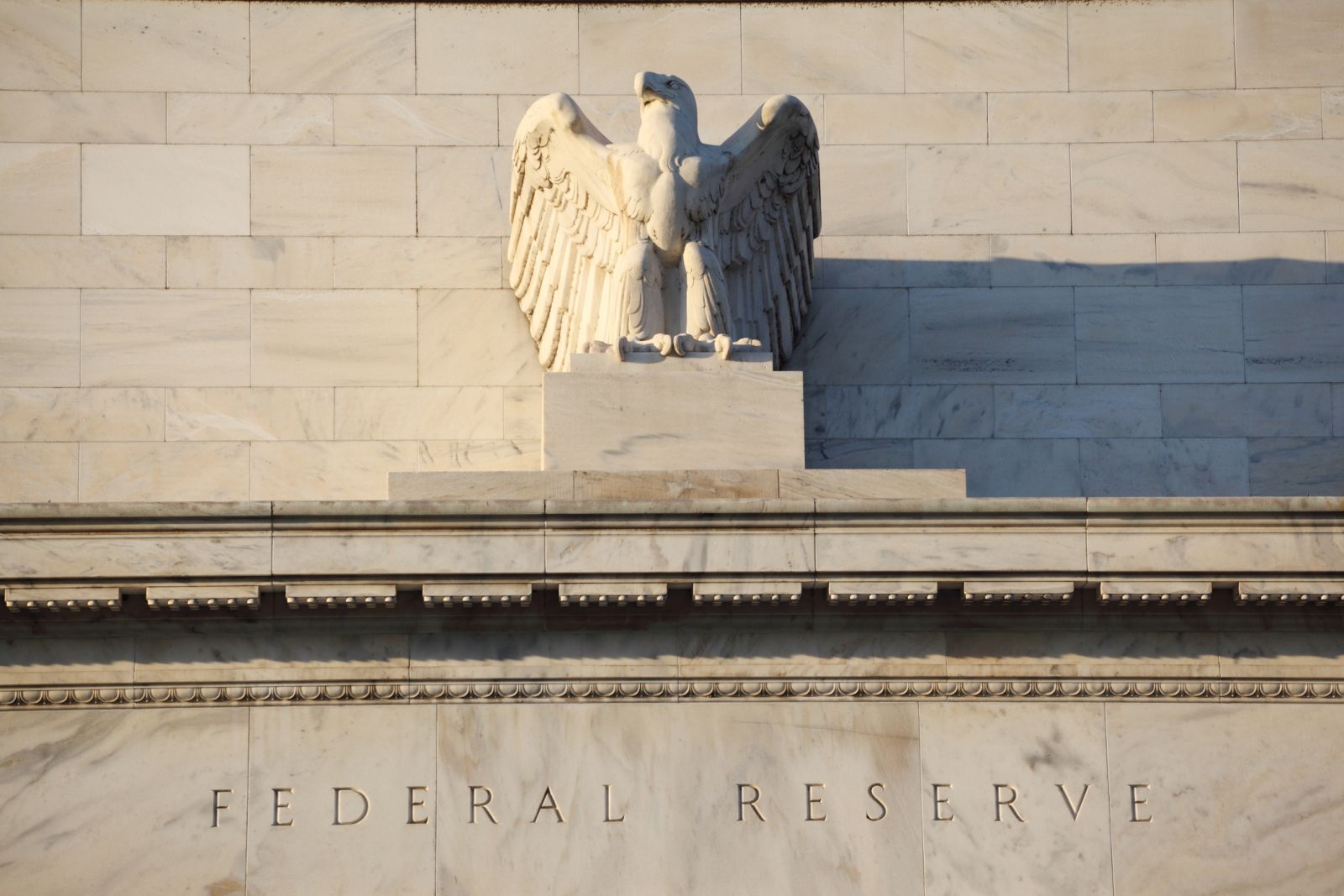
- Oil Price Surge Impacts Market: WTI crude oil prices rose over 5% to a two-week high as the US maintains its naval blockade of Iran, leading to increased inflation expectations that negatively affect the stock market.
- Strong Tech Stock Performance: The Nasdaq 100 index increased by 0.09%, primarily driven by strong earnings from NXP Semiconductors and Seagate Technology, both up over 14%, indicating robust demand for AI infrastructure.
- Housing Data Exceeds Expectations: US March housing starts unexpectedly rose by 10.8% to 1.502 million, significantly surpassing the market expectation of 1.380 million, demonstrating resilience in the construction sector that may support the stock market.
- Fed Policy Remains Unchanged: The Federal Reserve decided to keep monetary policy unchanged at the FOMC meeting despite a record number of dissenting votes, with markets anticipating future policy will continue to focus on oil prices and inflation dynamics.
See More
United Airlines CEO Skeptical About JetBlue Acquisition

- Cautious Acquisition Stance: United Airlines CEO Scott Kirby, in an interview with The New York Times, refrained from confirming whether the company would pursue a JetBlue acquisition, expressing skepticism about smaller mergers without a transformative partner.
- Seizing Industry Opportunities: Kirby noted that airlines could turn industry weaknesses into growth opportunities by potentially taking on aircraft deliveries that other carriers have canceled or delayed, showcasing a flexible strategy in the current market environment.
- Fuel Price Impact: Kirby warned that elevated jet fuel prices may persist, leading airlines to raise fares to offset costs, but he cautioned that excessively high prices could reduce customer demand, impacting future revenues.
- Market Sentiment Shift: On Stocktwits, retail sentiment surrounding United Airlines has shifted from 'bullish' to 'neutral', with message volume decreasing from 'high' to 'low', reflecting a cautious outlook on the company's future developments.
See More
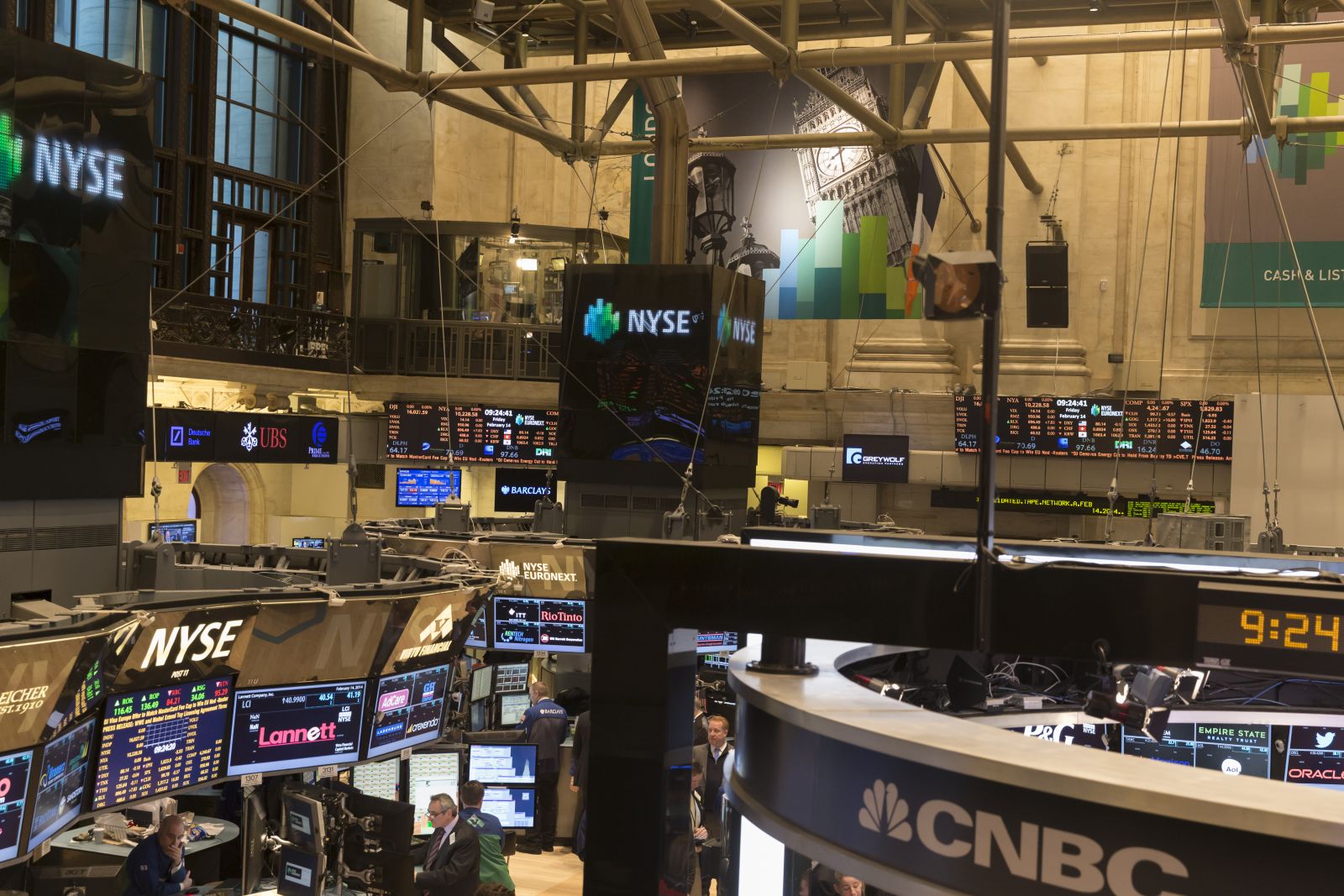
Mixed US Stock Market as Soaring Oil Prices Impact Sentiment
- Oil Price Surge Affects Market: WTI crude oil prices have surged over 4% due to the US maintaining its naval blockade of Iran, reaching a two-week high, which has raised inflation expectations and negatively impacted the stock market.
- Strong Performance in Tech Stocks: The Nasdaq 100 index is up 0.20%, primarily driven by NXP Semiconductors and Seagate Technology, both rising over 10% after reporting stronger-than-expected earnings, indicating robust demand for AI infrastructure.
- Housing Data Exceeds Expectations: US March housing starts unexpectedly rose by 10.8% to 1.502 million, significantly surpassing the expected decline to 1.380 million, demonstrating resilience in the construction sector that may support the stock market.
- Stable Fed Policy Expectations: The market anticipates that the Fed will keep interest rates unchanged at the upcoming meeting, as further developments in oil prices and inflation are still under observation, reflecting a cautious approach to future economic policy.
See More
Mixed US Stock Market as Oil Prices Surge
- Mixed Market Performance: The S&P 500 Index fell by 0.04%, the Dow Jones Industrial Average dropped by 0.49%, while the Nasdaq 100 Index rose by 0.48%, indicating varied market reactions, particularly with technology stocks climbing due to strong demand.
- Oil Price Surge: WTI crude oil prices increased by over 5% to a two-week high as the US maintains its naval blockade of Iran, raising inflation expectations and negatively impacting stocks, potentially exacerbating the global energy crisis.
- Strong Housing Data: US March housing starts unexpectedly rose by 10.8% to 1.502 million, surpassing expectations, indicating resilience in the real estate market and potentially providing support for stocks.
- Tech Earnings Anticipation: With earnings reports from Alphabet, Amazon, Microsoft, and Meta Platforms on the horizon, market expectations are high for technology stocks, as 80% of S&P 500 companies have already exceeded earnings estimates, projecting a 12% year-over-year increase in Q1 earnings.
See More
United Airlines Casts Doubt on eVTOL Market Potential
- Market Outlook Dims: United Airlines CEO Scott Kirby's concerns regarding the safety of eVTOL operations in crowded airport airspace may hinder the growth prospects of the eVTOL industry, particularly negatively impacting the investment case for Archer Aviation.
- Investment Dynamics: United invested $25 million in Archer in 2021 and made an undisclosed additional investment in 2023, along with a $10 million pre-delivery payment, indicating a long-term commitment to Archer, yet Kirby's comments introduce uncertainty about this commitment.
- Shifting Competitive Landscape: With American Airlines investing in Vertical Aerospace and preordering up to 250 aircraft, United's stance may lead investors to favor Joby Aviation over Archer, as Joby's vertically integrated service model contrasts sharply with Archer's approach.
- Complex Contract Conditions: Archer's SEC filings reveal that United's purchase agreement is contingent upon FAA certification and mutual agreement on material terms, suggesting that United could potentially walk away from the deal, incurring only a $10 million sunk cost.
See More
Mixed Close for US Stocks as Oil Prices Surge
- Oil Price Surge Impacts Market: WTI crude oil prices surged over 6% on Wednesday to a three-week high due to the US maintaining its naval blockade of Iran, raising inflation expectations and negatively impacting the stock market.
- Fed Policy Influence: The Federal Reserve kept the federal funds rate unchanged at 3.50% to 3.75% during its latest meeting, despite dissent from four members against easing bias, reflecting concerns over economic uncertainty that may dampen investor confidence.
- Strong Tech Stock Performance: The Nasdaq 100 index rose 0.58%, driven by strong earnings from NXP Semiconductors and Seagate Technology, with shares up 25% and over 10% respectively, indicating robust demand for AI infrastructure.
- Housing Data Exceeds Expectations: US March housing starts unexpectedly rose 10.8% to 1.502 million, significantly surpassing the expected decline to 1.380 million, demonstrating resilience in the housing market that could provide support for stocks.
See More
Mixed US Stock Performance Amid Soaring Oil Prices
- Oil Price Surge Impacts Market: WTI crude oil prices rose over 5% to a two-week high as the US maintains its naval blockade of Iran, leading to increased inflation expectations that negatively affect the stock market.
- Strong Tech Stock Performance: The Nasdaq 100 index increased by 0.09%, primarily driven by strong earnings from NXP Semiconductors and Seagate Technology, both up over 14%, indicating robust demand for AI infrastructure.
- Housing Data Exceeds Expectations: US March housing starts unexpectedly rose by 10.8% to 1.502 million, significantly surpassing the market expectation of 1.380 million, demonstrating resilience in the construction sector that may support the stock market.
- Fed Policy Remains Unchanged: The Federal Reserve decided to keep monetary policy unchanged at the FOMC meeting despite a record number of dissenting votes, with markets anticipating future policy will continue to focus on oil prices and inflation dynamics.
See More
United Airlines CEO Skeptical About JetBlue Acquisition
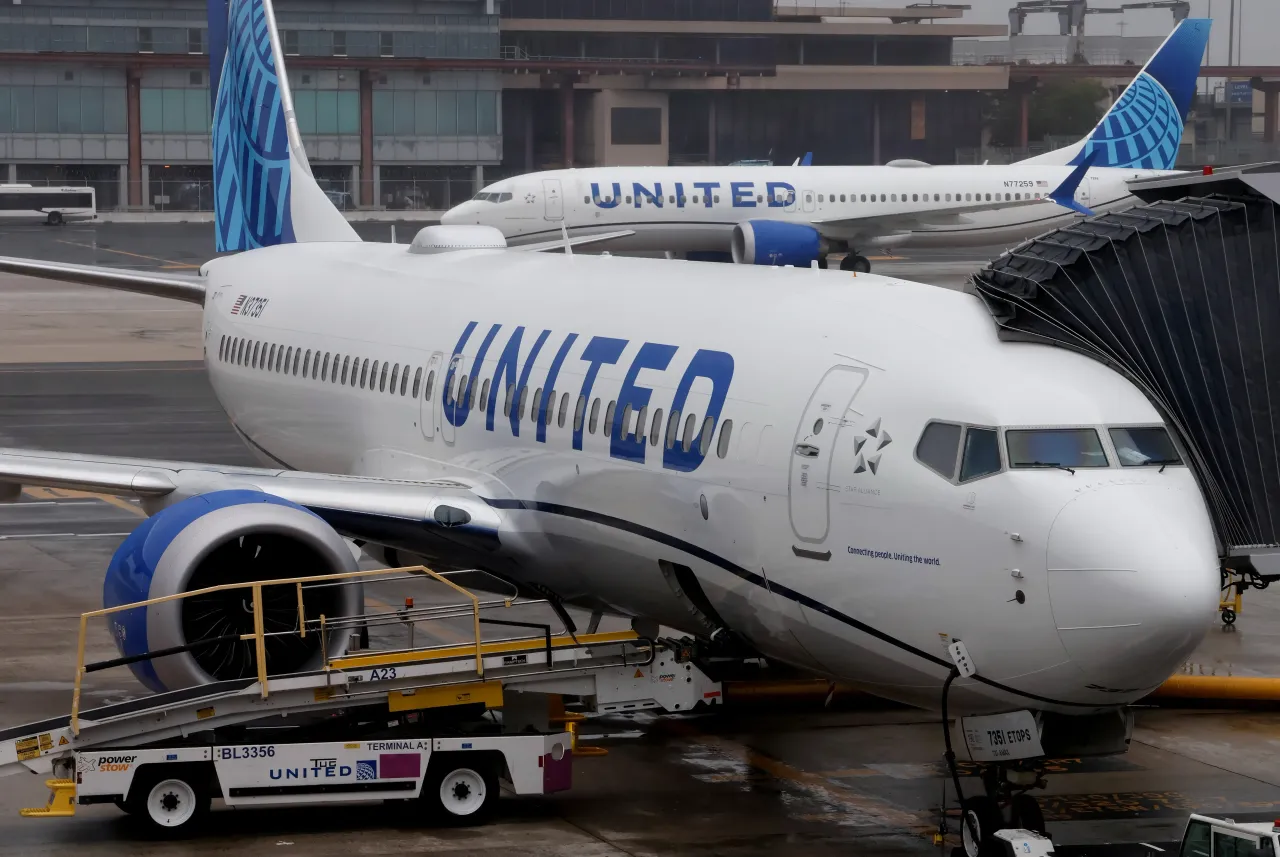
- Cautious Acquisition Stance: United Airlines CEO Scott Kirby, in an interview with The New York Times, refrained from confirming whether the company would pursue a JetBlue acquisition, expressing skepticism about smaller mergers without a transformative partner.
- Seizing Industry Opportunities: Kirby noted that airlines could turn industry weaknesses into growth opportunities by potentially taking on aircraft deliveries that other carriers have canceled or delayed, showcasing a flexible strategy in the current market environment.
- Fuel Price Impact: Kirby warned that elevated jet fuel prices may persist, leading airlines to raise fares to offset costs, but he cautioned that excessively high prices could reduce customer demand, impacting future revenues.
- Market Sentiment Shift: On Stocktwits, retail sentiment surrounding United Airlines has shifted from 'bullish' to 'neutral', with message volume decreasing from 'high' to 'low', reflecting a cautious outlook on the company's future developments.
See More
Mixed US Stock Market as Soaring Oil Prices Impact Sentiment
- Oil Price Surge Affects Market: WTI crude oil prices have surged over 4% due to the US maintaining its naval blockade of Iran, reaching a two-week high, which has raised inflation expectations and negatively impacted the stock market.
- Strong Performance in Tech Stocks: The Nasdaq 100 index is up 0.20%, primarily driven by NXP Semiconductors and Seagate Technology, both rising over 10% after reporting stronger-than-expected earnings, indicating robust demand for AI infrastructure.
- Housing Data Exceeds Expectations: US March housing starts unexpectedly rose by 10.8% to 1.502 million, significantly surpassing the expected decline to 1.380 million, demonstrating resilience in the construction sector that may support the stock market.
- Stable Fed Policy Expectations: The market anticipates that the Fed will keep interest rates unchanged at the upcoming meeting, as further developments in oil prices and inflation are still under observation, reflecting a cautious approach to future economic policy.
See More
Mixed US Stock Market as Oil Prices Surge
- Mixed Market Performance: The S&P 500 Index fell by 0.04%, the Dow Jones Industrial Average dropped by 0.49%, while the Nasdaq 100 Index rose by 0.48%, indicating varied market reactions, particularly with technology stocks climbing due to strong demand.
- Oil Price Surge: WTI crude oil prices increased by over 5% to a two-week high as the US maintains its naval blockade of Iran, raising inflation expectations and negatively impacting stocks, potentially exacerbating the global energy crisis.
- Strong Housing Data: US March housing starts unexpectedly rose by 10.8% to 1.502 million, surpassing expectations, indicating resilience in the real estate market and potentially providing support for stocks.
- Tech Earnings Anticipation: With earnings reports from Alphabet, Amazon, Microsoft, and Meta Platforms on the horizon, market expectations are high for technology stocks, as 80% of S&P 500 companies have already exceeded earnings estimates, projecting a 12% year-over-year increase in Q1 earnings.
See More