Uncovering the True Worth of Genuine Parts Company's Spin-Off Strategy

General Electric's Strategic Shift: General Electric is dismantling its conglomerate structure to create independent aerospace and energy companies, aiming to unlock shareholder value by allowing each business to trade at its proper valuation.
Genuine Parts Company's Earnings Report: Genuine Parts Company (GPC) announced a significant drop in its fourth-quarter earnings, missing analyst estimates and resulting in a 14.5% decline in share price, which raised concerns among investors.
Market Reaction and Future Outlook: The market's negative reaction to GPC's earnings report reflects short-term thinking, overshadowing the potential long-term value from the company's planned separation into two distinct entities, which is expected to occur in early 2027.
Investment Opportunities: Despite the current market turmoil, GPC's dividend yield remains attractive, and the separation strategy may present compelling investment opportunities for those willing to wait for the long-term benefits of the restructuring.
Trade with 70% Backtested Accuracy
Analyst Views on GPC

About GPC
About the author


Genuine Parts Company to Announce Q1 Earnings on April 21
- Earnings Announcement: Genuine Parts Company is set to release its Q1 2023 earnings on April 21 before market open, with consensus EPS estimated at $1.75 (flat YoY) and revenue expected at $6.16 billion, reflecting a 4.4% increase YoY, providing crucial performance insights for investors.
- Historical Performance Review: Over the past two years, GPC has beaten EPS estimates 50% of the time and revenue estimates 63% of the time, indicating stability in managing market expectations, which may bolster investor confidence.
- Estimate Revision Dynamics: In the last three months, EPS estimates saw no upward revisions and seven downward adjustments, while revenue estimates experienced five upward revisions and one downward, suggesting a divergence in market sentiment regarding GPC's future performance, potentially impacting stock volatility.
- Strategic Direction and Market Reaction: At the UBS Global Consumer and Retail Conference, GPC highlighted its breakup plan and AI initiatives; despite a rating downgrade, the company's shares rose post-conference, reflecting market interest in its long-term strategic vision.

Genuine Parts to Host Q1 2026 Earnings Call
- Earnings Call Scheduled: Genuine Parts will hold a conference call on April 21, 2026, at 8:30 AM ET to discuss Q1 earnings results, aiming to provide investors and analysts with insights into the latest financial performance and market trends.
- Access Information: Investors can listen to the live webcast by visiting https://www.genpt.com/events-webcasts or by dialing 1-800-836-8184 (US) and 1-888-660-6345 (International), ensuring broad investor participation and information transparency.
- Conference ID Details: Participants must use Conference ID 82208# to join the call smoothly, reflecting the company's commitment to investor communication and enhancing transparency and trust.
- Market Reaction Expectations: This earnings call will provide investors with an in-depth analysis of the company's financial status, potentially influencing market expectations regarding Genuine Parts' future performance, although specific financial data has not yet been disclosed.

Genuine Parts Company Reaffirms 2026 Financial Guidance
- Annual Financial Guidance: Genuine Parts Company (GPC) reaffirms its financial guidance for fiscal 2026, expecting net income per share to range from $6.10 to $6.60, indicating confidence in future performance.
- Adjusted Profit Expectations: The company anticipates adjusted earnings per share of $7.50 to $8 for 2026, reflecting an enhancement in profitability amid projected sales growth of 3% to 5.5%.
- 2025 Performance Review: For fiscal 2025, GPC reported a net income of $0.47 per share and adjusted earnings of $7.37 per share, with sales reaching $24.3 billion, showcasing the company's stable market performance.
- Sales Growth Outlook: The projected sales growth rate of 3% to 5.5% for 2026 suggests that the company retains growth potential in the competitive automotive and industrial parts market.
Genuine Parts Company Exceeds Q1 2026 Expectations with Strong Sales Growth
- Significant Sales Growth: In Q1 2026, Genuine Parts Company reported sales of $6.3 billion, a 6.8% increase year-over-year, with comparable sales rising by 2.4%, demonstrating the company's resilience and strong market demand despite a dynamic global environment.
- Stable Net Income: The net income for the first quarter was $189 million, or $1.37 per diluted share, slightly down from the previous year, but adjusted net income reached $245 million, indicating ongoing profitability amid restructuring and separation plans.
- Segment Performance: North American automotive parts sales grew by 4.3% to $2.4 billion, international automotive parts sales surged by 13.2% to $1.6 billion, and industrial parts sales increased by 5.2% to $2.3 billion, reflecting strong performance and adaptability across all business segments.
- Cash Flow and Capital Allocation: The company generated $64 million in operating cash flow with a free cash flow deficit of $34 million due to seasonal investment expenditures; however, it maintained $1.3 billion in liquidity, showcasing a solid financial position.

Genuine Parts Company Q1 Earnings Beat Expectations
- Earnings Surprise: Genuine Parts Company (GPC) reported a Q1 non-GAAP EPS of $1.77, beating expectations by $0.02, which reflects the company's robust performance and boosts investor confidence.
- Significant Revenue Growth: The company achieved $6.3 billion in revenue for Q1, marking a 6.8% year-over-year increase and exceeding market expectations by $140 million, indicating sustained sales growth in both automotive and industrial sectors, thereby reinforcing its market position.
- Optimistic Future Outlook: GPC forecasts total sales growth between 3% and 5.5% for 2026, with North American automotive sales growth projected at 3% to 5% and international automotive sales growth at 3% to 6%, showcasing the company's confidence and strategic positioning for future market opportunities.
- Strong Cash Flow: The company anticipates net cash provided by operating activities to range from $1.0 billion to $1.2 billion, with free cash flow expected between $550 million and $700 million, indicating a solid financial position that supports future investments and shareholder returns.
Wall Street Earnings Season Faces Major Test

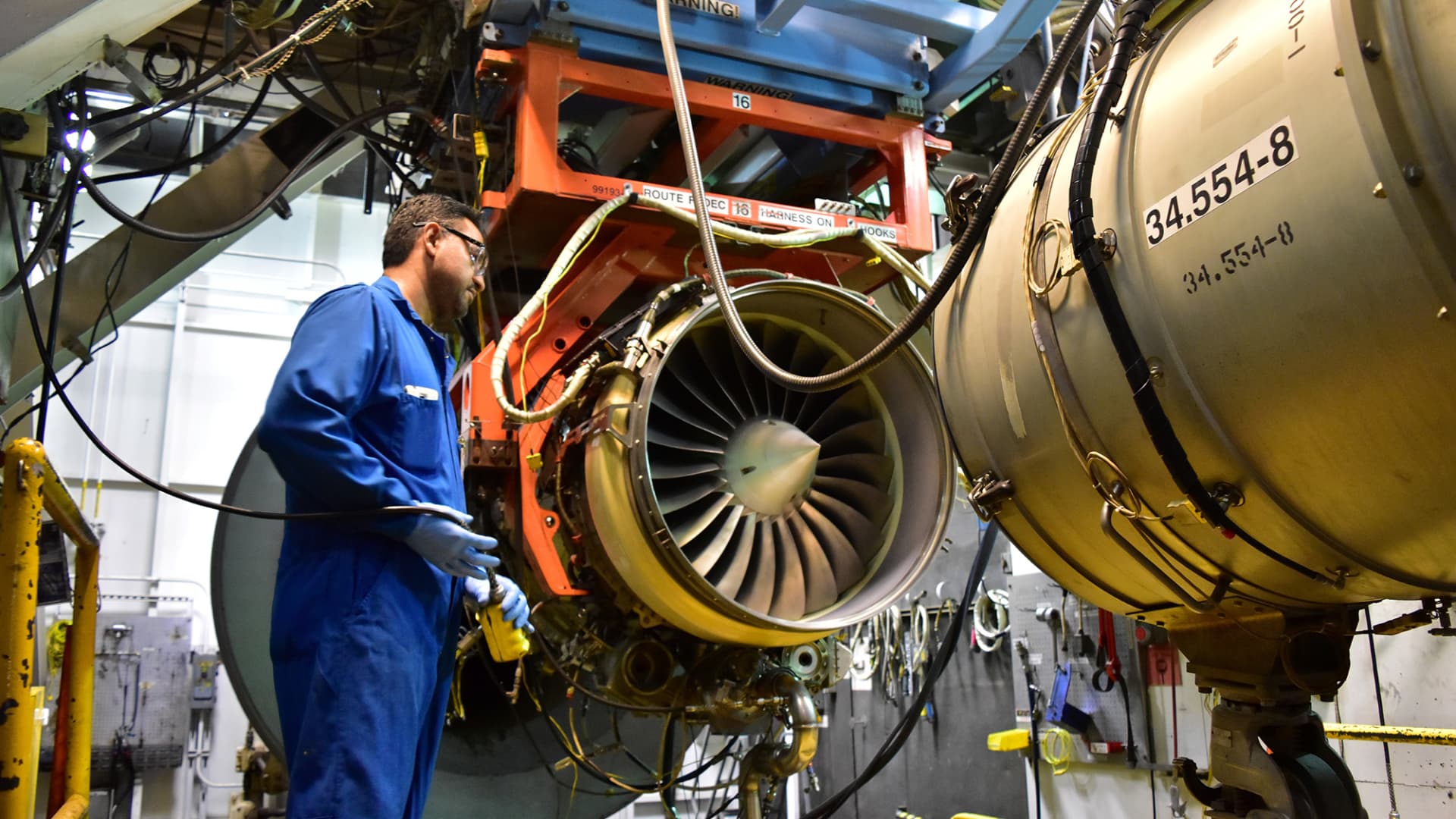
- Earnings Season Significance: Wall Street is set for a packed earnings season featuring key companies like Capital One and Boeing, with investors eager to glean insights into the economic impact of the Iran war from these reports.
- Capital One Performance Focus: Capital One is scheduled to report earnings on Tuesday, with market attention on its consumer health metrics and the progress of its acquisitions of Discover and Brex, particularly amid rising economic uncertainties.
- Boeing Earnings Outlook: Boeing is expected to release its earnings report on Wednesday, with market focus on order volumes in both its commercial and defense sectors, as well as free cash flow performance, especially after previous unexpected losses.
- GE Vernova Order Growth: GE Vernova will report alongside Boeing, with first-quarter new orders anticipated to reach $14.4 billion, reflecting a 65% year-over-year increase, indicating strong market performance amid rising electricity demand.
Genuine Parts Company to Announce Q1 Earnings on April 21
- Earnings Announcement: Genuine Parts Company is set to release its Q1 2023 earnings on April 21 before market open, with consensus EPS estimated at $1.75 (flat YoY) and revenue expected at $6.16 billion, reflecting a 4.4% increase YoY, providing crucial performance insights for investors.
- Historical Performance Review: Over the past two years, GPC has beaten EPS estimates 50% of the time and revenue estimates 63% of the time, indicating stability in managing market expectations, which may bolster investor confidence.
- Estimate Revision Dynamics: In the last three months, EPS estimates saw no upward revisions and seven downward adjustments, while revenue estimates experienced five upward revisions and one downward, suggesting a divergence in market sentiment regarding GPC's future performance, potentially impacting stock volatility.
- Strategic Direction and Market Reaction: At the UBS Global Consumer and Retail Conference, GPC highlighted its breakup plan and AI initiatives; despite a rating downgrade, the company's shares rose post-conference, reflecting market interest in its long-term strategic vision.
Genuine Parts to Host Q1 2026 Earnings Call
- Earnings Call Scheduled: Genuine Parts will hold a conference call on April 21, 2026, at 8:30 AM ET to discuss Q1 earnings results, aiming to provide investors and analysts with insights into the latest financial performance and market trends.
- Access Information: Investors can listen to the live webcast by visiting https://www.genpt.com/events-webcasts or by dialing 1-800-836-8184 (US) and 1-888-660-6345 (International), ensuring broad investor participation and information transparency.
- Conference ID Details: Participants must use Conference ID 82208# to join the call smoothly, reflecting the company's commitment to investor communication and enhancing transparency and trust.
- Market Reaction Expectations: This earnings call will provide investors with an in-depth analysis of the company's financial status, potentially influencing market expectations regarding Genuine Parts' future performance, although specific financial data has not yet been disclosed.
Genuine Parts Company Reaffirms 2026 Financial Guidance
- Annual Financial Guidance: Genuine Parts Company (GPC) reaffirms its financial guidance for fiscal 2026, expecting net income per share to range from $6.10 to $6.60, indicating confidence in future performance.
- Adjusted Profit Expectations: The company anticipates adjusted earnings per share of $7.50 to $8 for 2026, reflecting an enhancement in profitability amid projected sales growth of 3% to 5.5%.
- 2025 Performance Review: For fiscal 2025, GPC reported a net income of $0.47 per share and adjusted earnings of $7.37 per share, with sales reaching $24.3 billion, showcasing the company's stable market performance.
- Sales Growth Outlook: The projected sales growth rate of 3% to 5.5% for 2026 suggests that the company retains growth potential in the competitive automotive and industrial parts market.
Genuine Parts Company Exceeds Q1 2026 Expectations with Strong Sales Growth
- Significant Sales Growth: In Q1 2026, Genuine Parts Company reported sales of $6.3 billion, a 6.8% increase year-over-year, with comparable sales rising by 2.4%, demonstrating the company's resilience and strong market demand despite a dynamic global environment.
- Stable Net Income: The net income for the first quarter was $189 million, or $1.37 per diluted share, slightly down from the previous year, but adjusted net income reached $245 million, indicating ongoing profitability amid restructuring and separation plans.
- Segment Performance: North American automotive parts sales grew by 4.3% to $2.4 billion, international automotive parts sales surged by 13.2% to $1.6 billion, and industrial parts sales increased by 5.2% to $2.3 billion, reflecting strong performance and adaptability across all business segments.
- Cash Flow and Capital Allocation: The company generated $64 million in operating cash flow with a free cash flow deficit of $34 million due to seasonal investment expenditures; however, it maintained $1.3 billion in liquidity, showcasing a solid financial position.
Genuine Parts Company Q1 Earnings Beat Expectations
- Earnings Surprise: Genuine Parts Company (GPC) reported a Q1 non-GAAP EPS of $1.77, beating expectations by $0.02, which reflects the company's robust performance and boosts investor confidence.
- Significant Revenue Growth: The company achieved $6.3 billion in revenue for Q1, marking a 6.8% year-over-year increase and exceeding market expectations by $140 million, indicating sustained sales growth in both automotive and industrial sectors, thereby reinforcing its market position.
- Optimistic Future Outlook: GPC forecasts total sales growth between 3% and 5.5% for 2026, with North American automotive sales growth projected at 3% to 5% and international automotive sales growth at 3% to 6%, showcasing the company's confidence and strategic positioning for future market opportunities.
- Strong Cash Flow: The company anticipates net cash provided by operating activities to range from $1.0 billion to $1.2 billion, with free cash flow expected between $550 million and $700 million, indicating a solid financial position that supports future investments and shareholder returns.
Wall Street Earnings Season Faces Major Test
- Earnings Season Significance: Wall Street is set for a packed earnings season featuring key companies like Capital One and Boeing, with investors eager to glean insights into the economic impact of the Iran war from these reports.
- Capital One Performance Focus: Capital One is scheduled to report earnings on Tuesday, with market attention on its consumer health metrics and the progress of its acquisitions of Discover and Brex, particularly amid rising economic uncertainties.
- Boeing Earnings Outlook: Boeing is expected to release its earnings report on Wednesday, with market focus on order volumes in both its commercial and defense sectors, as well as free cash flow performance, especially after previous unexpected losses.
- GE Vernova Order Growth: GE Vernova will report alongside Boeing, with first-quarter new orders anticipated to reach $14.4 billion, reflecting a 65% year-over-year increase, indicating strong market performance amid rising electricity demand.