Trump Meets with CEOs of Major Defense Firms to Discuss Production Expansion
Written by Emily J. Thompson, Senior Investment Analyst
Updated: Mar 06 2026
0mins

Source: stocktwits
- Production Expansion Agreement: Trump stated that a meeting with CEOs from top U.S. defense companies, including Boeing and Lockheed Martin, resulted in an agreement to quadruple production of 'exquisite class' weaponry to meet the demands of the ongoing war with Iran, demonstrating the U.S.'s strong commitment to its defense industry.
- Manufacturing Facility Progress: Trump noted that expansion of weapon manufacturing facilities had begun three months prior to the meeting, indicating the U.S. defense sector's rapid response capability and proactive planning in addressing international crises.
- Positive Stock Market Reaction: Following Trump's announcement of the production expansion, shares of major defense companies rose on Friday, with Honeywell up 0.15%, L3Harris up 0.9%, and Lockheed Martin up 0.45%, reflecting market optimism regarding increased defense spending.
- Global Economic Risk Warning: Allianz Chief Economic Advisor Mohamed El-Erian warned that prolonged U.S.-Israel-Iran conflict could pose greater risks to the global economy, particularly concerning production systems and supply chain issues, potentially leading to surging energy prices and broader cost-push inflation.
Trade with 70% Backtested Accuracy
Stop guessing "Should I Buy LMT?" and start using high-conviction signals backed by rigorous historical data.
Sign up today to access powerful investing tools and make smarter, data-driven decisions.
Analyst Views on LMT
Wall Street analysts forecast LMT stock price to fall
12 Analyst Rating
4 Buy
7 Hold
1 Sell
Hold
Current: 592.190

Low
430.00
Averages
535.50
High
605.00
Current: 592.190
Low
430.00
Averages
535.50
High
605.00
About LMT
Lockheed Martin Corporation is a global aerospace and defense company. The Company is engaged in the research, design, development, manufacture, integration and sustainment of advanced technology systems, products and services. Its segments include Aeronautics, Missiles and Fire Control (MFC), Rotary and Mission Systems (RMS) and Space. Aeronautics segment is engaged in the research, design, development, manufacture, integration, sustainment, support and upgrade of advanced military aircraft. MFC segment provides air and missile defense systems, manned and unmanned ground vehicles, energy management solutions, and others. RMS segment designs, manufactures, services and supports various military and commercial helicopters, surface ships, sea and land-based missile defense systems, and others. Its Space segment is engaged in the research and design, development, engineering and production of satellites, space transportation systems, and strategic, advanced strike, and defensive systems.
About the author

Emily J. Thompson
Emily J. Thompson, a Chartered Financial Analyst (CFA) with 12 years in investment research, graduated with honors from the Wharton School. Specializing in industrial and technology stocks, she provides in-depth analysis for Intellectia’s earnings and market brief reports.
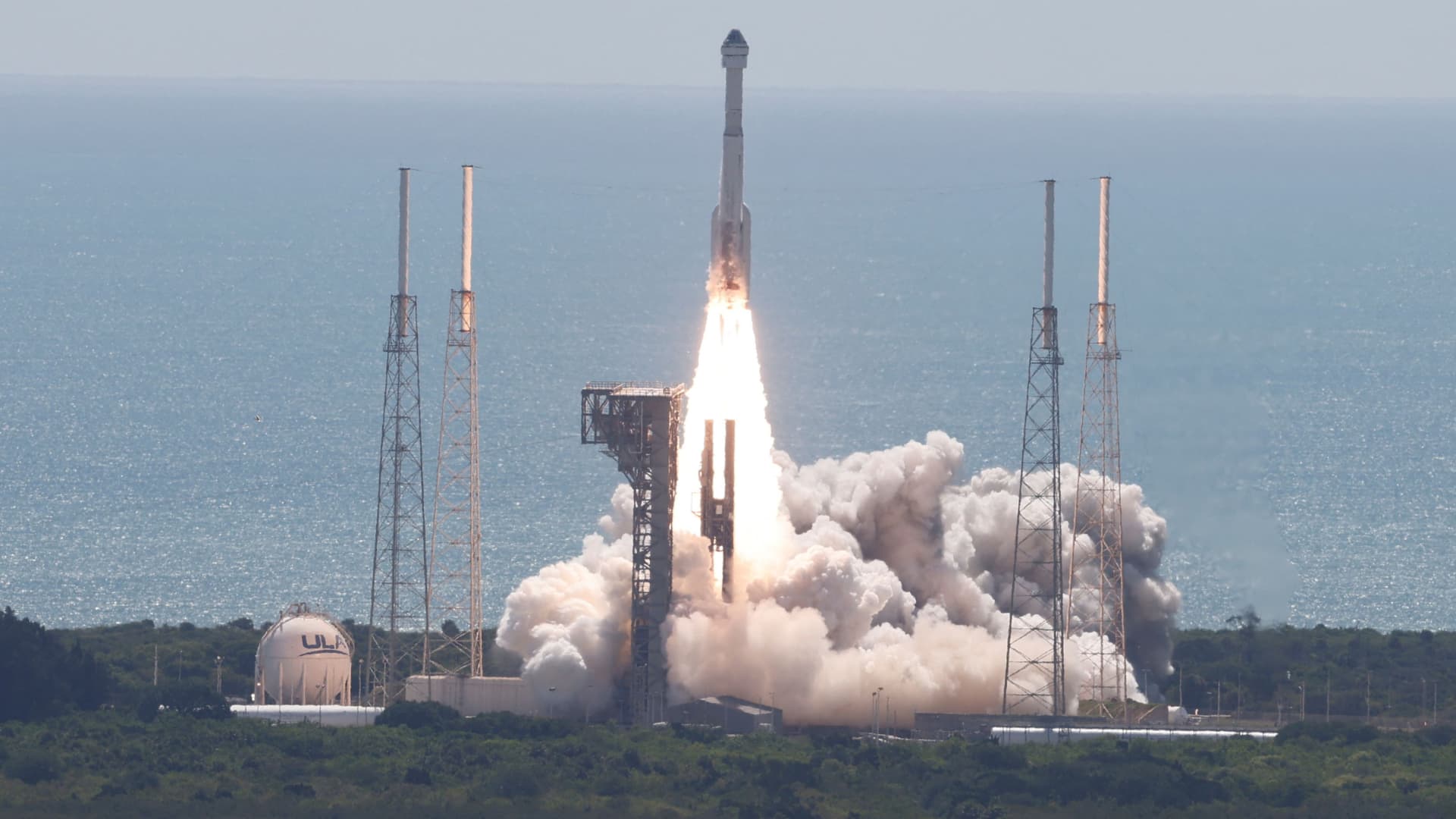
Successful Launch of GPS III SV10 Satellite Enhances Navigation Resilience

- Successful Satellite Launch: Lockheed Martin successfully launched the GPS III SV10 satellite on April 21, 2026, marking a significant milestone in enhancing the resilience and accuracy of the global positioning system to unprecedented levels.
- Optical Crosslink Demonstration: The SV10 satellite features an optical crosslink demonstration payload, enabling direct communication between satellites in space, thereby increasing on-orbit resiliency and ensuring the robust capabilities of the upcoming GPS IIIF series.
- Enhanced Anti-Jamming Capabilities: The GPS IIIF series will deliver over a 60-fold increase in anti-jamming performance, significantly improving military users' positioning, navigation, and timing capabilities in contested environments, thus maintaining an edge against evolving electronic warfare threats.
- Production of Next-Gen Satellites: Lockheed Martin is actively producing 12 GPS IIIF satellites at its Colorado facility, integrating augmented reality and digital twin technologies to accelerate satellite production, which is essential for maintaining reliable global coverage.
See More

Investors Show Increased Interest in Defense Stocks Amid War
- Increased Focus on Defense Stocks: During wartime, investors are showing heightened interest in defense stocks, reflecting a growing demand for security and stability, which is driving up the stock prices of related companies.
- AI and the Trillionaire Debate: The discussion around whether AI will create the world's first trillionaire is intensifying, indicating investors' focus on the future potential of the tech sector, which could spark a surge in investments in related technology companies.
- Emerging Company Spotlight: A report highlights a little-known company dubbed an 'Indispensable Monopoly' that provides critical technology needed by Nvidia and Intel, potentially positioning it as a key player in the market and attracting investor attention.
- Investment Recommendations and Returns: While Lockheed Martin is recommended, analysts note that it is not among the best stocks currently identified, emphasizing the presence of other potential stocks in the market that could influence investor decisions.
See More

Launch of GPS III Satellite Enhances Navigation Capabilities
- Successful Satellite Launch: Lockheed Martin successfully launched GPS III Space Vehicle 10 on April 21, 2026, marking the GPS constellation's highest level ever achieved, enhancing the resilience and accuracy of the global positioning system.
- Optical Crosslink Demonstration: The SV10 satellite features an optical crosslink demonstration payload, enabling GPS satellites to communicate directly in space, thereby increasing on-orbit resiliency and ensuring the future strength of the constellation.
- Next-Gen GPS IIIF Production: With the launch of SV10, Lockheed Martin is now focused on producing GPS IIIF satellites, which are expected to provide over 60-fold anti-jamming capability for warfighters, further enhancing the constellation's resilience.
- Commitment to Global Coverage: More than 30 GPS satellites currently in orbit deliver critical positioning, navigation, and timing services to military and civilian users, with Lockheed Martin committed to maintaining reliable global coverage by producing 12 GPS IIIF satellites.
See More
LOCKHEED MARTIN DEPLOYS GPS III SATELLITE, SETTING THE STAGE FOR FUTURE GPS IIIF SPACECRAFT
Launch of GPS III Satellite: Lockheed Martin has successfully launched the GPS III satellite, which is designed to enhance global positioning capabilities.
Next-Generation Technology: The GPS III satellite paves the way for next-generation GPS technology, promising improved accuracy and reliability for various applications.
See More

U.S. Defense Budget Sees Major Increase Amid Iran War


- Defense Budget Surge: The Trump administration has requested $200 billion from Congress for the Iran war, alongside plans to increase the 2027 military budget from $1 trillion to $1.5 trillion, which is expected to significantly boost investment interest in the defense sector.
- Palantir's Revenue Growth: Palantir Technologies reported fourth-quarter revenue of $1.4 billion, a 70% increase year-over-year, with U.S. government revenue reaching $570 million, up 66%, highlighting strong demand and market position in military data analytics.
- AeroVironment's New Product Launch: AeroVironment's recently announced Mayhem 10 unmanned system boasts a range of 62 miles and a 10-pound payload, with the CEO stating it sets a new standard for operational versatility and survivability on the modern battlefield, contributing to a 143% revenue increase to $408 million in Q3 of fiscal 2026.
- ETF Investment Opportunity: The Invesco Aerospace & Defense ETF tracks the Spade Defense Index with $8.3 billion in assets under management and an expense ratio of 0.58%, providing investors with a convenient way to capitalize on rising defense spending while ensuring portfolio diversification.
See More

Surge in Defense Spending Fuels Growth for Tech Companies
- Increased Defense Budget: The Trump administration's request for $200 billion to finance the war in Iran, alongside a proposed increase of the military budget from $1 trillion to $1.5 trillion by 2027, is expected to significantly boost demand for defense contractors.
- Palantir Revenue Surge: Palantir reported $1.4 billion in revenue for Q4, a 70% increase year-over-year, with U.S. government revenue reaching $570 million, up 66%, highlighting its strong performance and demand in military data analytics.
- AeroVironment Product Launch: AeroVironment's recent introduction of the Mayhem 10 unmanned system, capable of 62 miles range and 10-pound payload, sets a new standard for operational versatility and survivability on the modern battlefield, likely enhancing its competitive edge.
- ETF Investment Opportunity: The Invesco Aerospace & Defense ETF, with $8.3 billion in assets and an expense ratio of 0.58%, offers investors a convenient way to capitalize on rising defense spending while ensuring diversification through its market-cap-weighted structure that limits exposure to any single stock.
See More
Successful Launch of GPS III SV10 Satellite Enhances Navigation Resilience
- Successful Satellite Launch: Lockheed Martin successfully launched the GPS III SV10 satellite on April 21, 2026, marking a significant milestone in enhancing the resilience and accuracy of the global positioning system to unprecedented levels.
- Optical Crosslink Demonstration: The SV10 satellite features an optical crosslink demonstration payload, enabling direct communication between satellites in space, thereby increasing on-orbit resiliency and ensuring the robust capabilities of the upcoming GPS IIIF series.
- Enhanced Anti-Jamming Capabilities: The GPS IIIF series will deliver over a 60-fold increase in anti-jamming performance, significantly improving military users' positioning, navigation, and timing capabilities in contested environments, thus maintaining an edge against evolving electronic warfare threats.
- Production of Next-Gen Satellites: Lockheed Martin is actively producing 12 GPS IIIF satellites at its Colorado facility, integrating augmented reality and digital twin technologies to accelerate satellite production, which is essential for maintaining reliable global coverage.
See More
Investors Show Increased Interest in Defense Stocks Amid War
- Increased Focus on Defense Stocks: During wartime, investors are showing heightened interest in defense stocks, reflecting a growing demand for security and stability, which is driving up the stock prices of related companies.
- AI and the Trillionaire Debate: The discussion around whether AI will create the world's first trillionaire is intensifying, indicating investors' focus on the future potential of the tech sector, which could spark a surge in investments in related technology companies.
- Emerging Company Spotlight: A report highlights a little-known company dubbed an 'Indispensable Monopoly' that provides critical technology needed by Nvidia and Intel, potentially positioning it as a key player in the market and attracting investor attention.
- Investment Recommendations and Returns: While Lockheed Martin is recommended, analysts note that it is not among the best stocks currently identified, emphasizing the presence of other potential stocks in the market that could influence investor decisions.
See More
Launch of GPS III Satellite Enhances Navigation Capabilities
- Successful Satellite Launch: Lockheed Martin successfully launched GPS III Space Vehicle 10 on April 21, 2026, marking the GPS constellation's highest level ever achieved, enhancing the resilience and accuracy of the global positioning system.
- Optical Crosslink Demonstration: The SV10 satellite features an optical crosslink demonstration payload, enabling GPS satellites to communicate directly in space, thereby increasing on-orbit resiliency and ensuring the future strength of the constellation.
- Next-Gen GPS IIIF Production: With the launch of SV10, Lockheed Martin is now focused on producing GPS IIIF satellites, which are expected to provide over 60-fold anti-jamming capability for warfighters, further enhancing the constellation's resilience.
- Commitment to Global Coverage: More than 30 GPS satellites currently in orbit deliver critical positioning, navigation, and timing services to military and civilian users, with Lockheed Martin committed to maintaining reliable global coverage by producing 12 GPS IIIF satellites.
See More
LOCKHEED MARTIN DEPLOYS GPS III SATELLITE, SETTING THE STAGE FOR FUTURE GPS IIIF SPACECRAFT
Launch of GPS III Satellite: Lockheed Martin has successfully launched the GPS III satellite, which is designed to enhance global positioning capabilities.
Next-Generation Technology: The GPS III satellite paves the way for next-generation GPS technology, promising improved accuracy and reliability for various applications.
See More
U.S. Defense Budget Sees Major Increase Amid Iran War
- Defense Budget Surge: The Trump administration has requested $200 billion from Congress for the Iran war, alongside plans to increase the 2027 military budget from $1 trillion to $1.5 trillion, which is expected to significantly boost investment interest in the defense sector.
- Palantir's Revenue Growth: Palantir Technologies reported fourth-quarter revenue of $1.4 billion, a 70% increase year-over-year, with U.S. government revenue reaching $570 million, up 66%, highlighting strong demand and market position in military data analytics.
- AeroVironment's New Product Launch: AeroVironment's recently announced Mayhem 10 unmanned system boasts a range of 62 miles and a 10-pound payload, with the CEO stating it sets a new standard for operational versatility and survivability on the modern battlefield, contributing to a 143% revenue increase to $408 million in Q3 of fiscal 2026.
- ETF Investment Opportunity: The Invesco Aerospace & Defense ETF tracks the Spade Defense Index with $8.3 billion in assets under management and an expense ratio of 0.58%, providing investors with a convenient way to capitalize on rising defense spending while ensuring portfolio diversification.
See More
Surge in Defense Spending Fuels Growth for Tech Companies
- Increased Defense Budget: The Trump administration's request for $200 billion to finance the war in Iran, alongside a proposed increase of the military budget from $1 trillion to $1.5 trillion by 2027, is expected to significantly boost demand for defense contractors.
- Palantir Revenue Surge: Palantir reported $1.4 billion in revenue for Q4, a 70% increase year-over-year, with U.S. government revenue reaching $570 million, up 66%, highlighting its strong performance and demand in military data analytics.
- AeroVironment Product Launch: AeroVironment's recent introduction of the Mayhem 10 unmanned system, capable of 62 miles range and 10-pound payload, sets a new standard for operational versatility and survivability on the modern battlefield, likely enhancing its competitive edge.
- ETF Investment Opportunity: The Invesco Aerospace & Defense ETF, with $8.3 billion in assets and an expense ratio of 0.58%, offers investors a convenient way to capitalize on rising defense spending while ensuring diversification through its market-cap-weighted structure that limits exposure to any single stock.
See More