Top Wall Street Analysts Share Insights on 3 High-Dividend Defensive Stocks
Written by Emily J. Thompson, Senior Investment Analyst
Updated: Oct 27 2025
0mins

Source: Benzinga
Dividend Stocks in Market Turbulence: Investors often seek dividend-yielding stocks during market uncertainty, as these companies typically have strong cash flows and offer high dividend payouts.
Kraft Heinz Co Updates: Kraft Heinz has a dividend yield of 6.34%, with recent analyst upgrades and downgrades, including a price target adjustment by Morgan Stanley and news of new board members.
General Mills Inc Performance: General Mills, yielding 5.15%, has seen mixed analyst ratings, with a reaffirmation of long-term growth targets during an investor day.
Target Corp Restructuring: Target Corp, with a 4.84% dividend yield, plans to cut approximately 1,800 corporate roles to refocus on growth, alongside recent analyst rating adjustments.
Trade with 70% Backtested Accuracy
Stop guessing "Should I Buy GIS?" and start using high-conviction signals backed by rigorous historical data.
Sign up today to access powerful investing tools and make smarter, data-driven decisions.
Analyst Views on GIS
Wall Street analysts forecast GIS stock price to rise
15 Analyst Rating
4 Buy
9 Hold
2 Sell
Hold
Current: 34.550

Low
47.00
Averages
52.38
High
63.00
Current: 34.550
Low
47.00
Averages
52.38
High
63.00
About GIS
General Mills, Inc. is a global manufacturer and marketer of branded consumer foods. Its segments include North America Retail; International; North America Pet, and North America Foodservice. The North America Retail segment reflects business with a variety of grocery stores, mass merchandisers, membership stores, natural food chains, drug, dollar and discount chains, convenience stores, and e-commerce grocery providers. The International segment consists of retail and foodservice businesses outside the United States and Canada. Its product categories include super-premium ice cream and frozen desserts, meal kits, salty snacks, snack bars, and others. The North America Pet segment includes pet food products sold in the United States and Canada in national pet superstore chains, e-commerce retailers, grocery stores, regional pet store chains, mass merchandisers, and others. The North America Foodservice segment consists of foodservice businesses in the United States and Canada.
About the author

Emily J. Thompson
Emily J. Thompson, a Chartered Financial Analyst (CFA) with 12 years in investment research, graduated with honors from the Wharton School. Specializing in industrial and technology stocks, she provides in-depth analysis for Intellectia’s earnings and market brief reports.
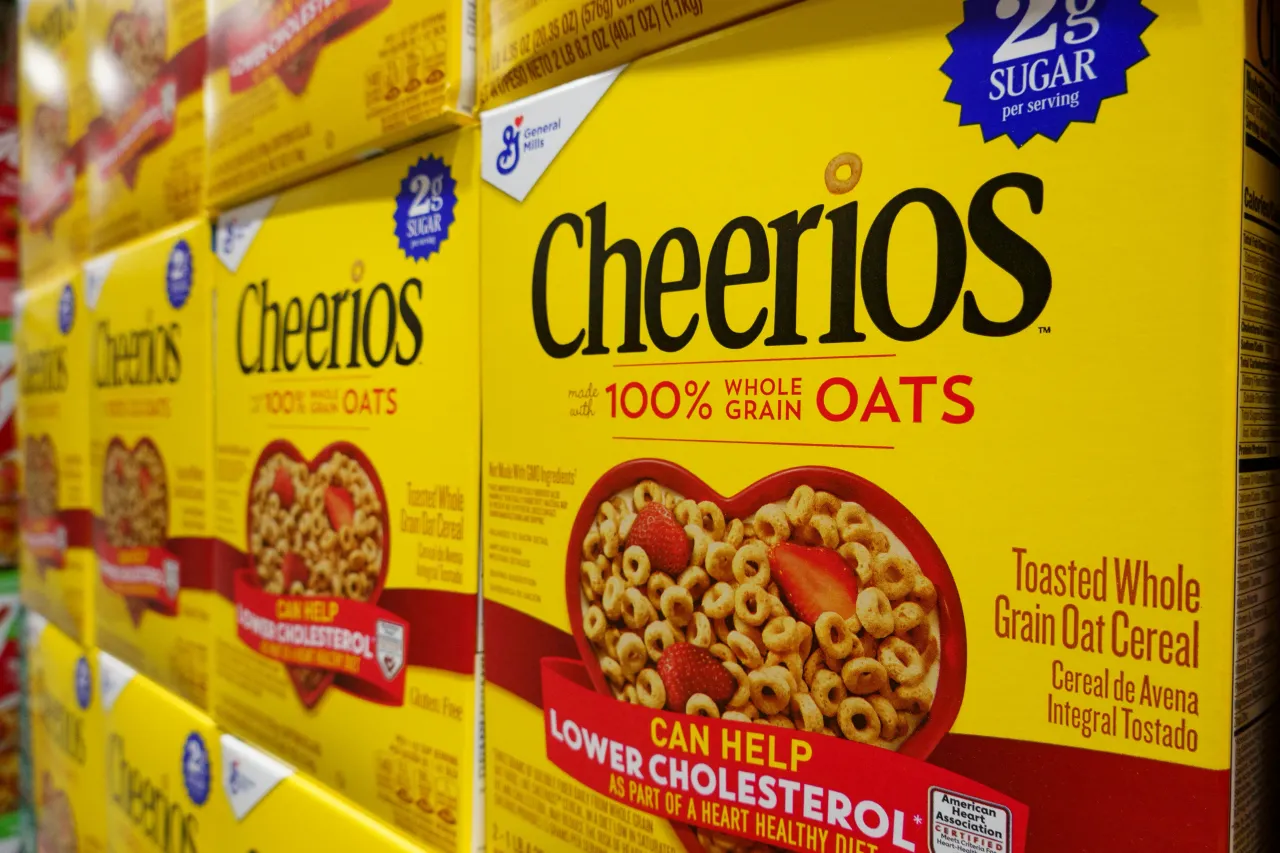
U.S. Consumer Companies Face Competitive Pressures
- Intensifying Competition: General Mills (GIS) faces pressure from lower-cost health-focused alternatives, and while its stock rose 0.35% on Tuesday, shifting consumer preferences may undermine its long-term stability.
- Sales Decline: Wendy's (WEN) reported an 8.3% year-on-year drop in global systemwide sales for Q4 and expects flat sales in 2026, with its stock hitting a 13-year low of $6.37, indicating heightened price sensitivity among consumers.
- Renovation Demand Weakens: Home Depot (HD) is challenged by a slowdown in large-scale home renovations, as high mortgage rates hinder spending, leading to a 3.8% year-on-year revenue decline despite better-than-expected profits and sales in the latest quarter.
- Market Volatility: All three companies hit fresh 52-week lows, reflecting deeper strains in the American middle-class economy, highlighting shifts in consumer behavior and widening economic divides.
See More
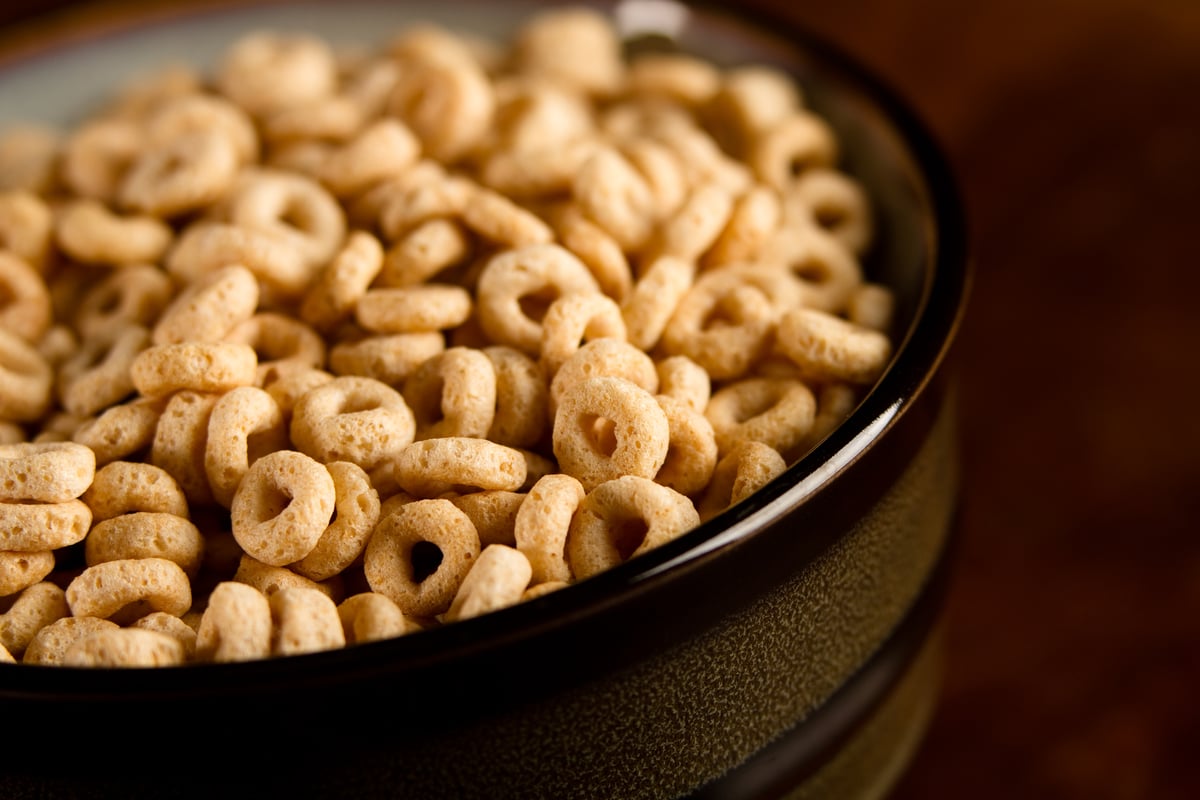
General Mills Faces Neglect from Activist Investors

- Significant Stock Decline: General Mills has seen its stock price drop nearly 40% over the past year, trading at just 8 times earnings, indicating a pessimistic outlook from the market that could further weaken investor confidence.
- Intensified Competitive Pressure: Faced with fierce competition from private-label and health-oriented brands, General Mills has aggressively acquired more brands to stay competitive, but this expansion has 'di-worsified' its business and diverted resources from core brand improvement.
- Ongoing Sales Decline: The company's net sales have declined for two consecutive years, with analysts predicting a further 5% drop in fiscal 2026 and 2% in fiscal 2027, suggesting a weakening competitive position that may deter activist investors.
- Calls for Management Change: While some institutional investors are urging General Mills to shake up its management and make bolder moves, the lack of aggressive activist involvement indicates the company's hesitation in addressing market challenges effectively.
See More

Debate on Ultraprocessed Foods Definition Has Major Implications
- Policy Definition Debate: Federal officials are still debating the definition of ultraprocessed foods, a key issue in Health Secretary Robert F. Kennedy Jr.'s 'Make America Healthy Again' agenda, with no final framework agreed upon, potentially impacting regulatory policies in the food industry.
- Significant Industry Impact: A broad definition could classify a large share of packaged foods sold in the U.S. as ultraprocessed, affecting consumer choices and market structure, particularly regarding nutritional labeling and participation in school meal programs.
- Manufacturers' Opposition: Food manufacturers are lobbying against an expansive standard, arguing it could unfairly group nutritious items with junk food, raise costs, and threaten participation in school meal programs, highlighting the economic stakes involved.
- States Taking Action: Texas and Louisiana have passed labeling laws related to certain additives, while California has barred some ultraprocessed foods from school lunches, indicating that states are moving forward without federal guidance on the ultraprocessed food issue.
See More

Food Industry Faces Multiple Challenges

- Market Pressure: Food manufacturers are grappling with the impact of GLP-1 weight-loss drugs on eating habits, alongside consumer spending cuts due to high costs and recession fears, leading to squeezed profit margins and a notable decline in investor confidence across the sector.
- Coca-Cola's Resilience: As one of the world's largest consumer staples companies, Coca-Cola achieved a 1% volume growth and a 5% organic sales increase in 2025, with a dividend yield of 2.6%, above the market average, indicating its long-term investment appeal despite challenging market conditions.
- General Mills' Challenges: General Mills is navigating industry-wide and company-specific headwinds in fiscal 2026, with a 3% decline in organic sales; however, the company reaffirmed its full-year guidance, reflecting its commitment to realigning its brand portfolio, while offering a historically high dividend yield of 7% for aggressive investors.
- Hormel Foods' Turnaround: Hormel Foods has seen over a year of organic growth, signaling that management's turnaround efforts are gaining traction, despite ongoing earnings pressure; with a dividend yield of 5.4%, the company aligns well with current consumer trends favoring protein intake, presenting a solid long-term investment opportunity.
See More

Coca-Cola Thrives in Challenging Market Conditions
- Coca-Cola's Strong Performance: In 2025, Coca-Cola's case volume grew by 1% and organic sales increased by 5%, while in Q1 2026, case volume rose by 3% and organic sales jumped 10%, demonstrating the company's robust performance in a challenging market, attracting conservative investors.
- General Mills' Investment Year Challenges: General Mills is navigating an investment year in fiscal 2026, facing industry-wide and company-specific headwinds, with organic sales down 3%, gross margin lower by 2 percentage points, and adjusted earnings down 25%, yet the company reaffirmed its full-year guidance, indicating stability in its long-term strategy, appealing to aggressive investors.
- Hormel Foods' Turnaround Signs: Hormel Foods, after years of restructuring, is showing early signs of success with organic growth rising for over a year, despite ongoing earnings pressure, and its 5.4% high dividend yield is attracting long-term investors looking for stability.
- Overall Industry Pressures: Food manufacturers are grappling with the impact of GLP-1 weight-loss drugs on eating habits, consumer spending cuts due to high costs and recession fears, and the burden of high oil and fertilizer prices, which may squeeze profit margins in the coming quarters, contributing to a bearish sentiment among investors towards food stocks.
See More

B&G Foods' High Dividend Yield Comes with Risks

- Dividend Yield Analysis: B&G Foods boasts a 13% dividend yield, significantly higher than the S&P 500's 1.1% and the consumer staples sector's 2.1%, yet this high yield conceals substantial financial risks.
- Impact of Dividend Cut: The company slashed its dividend by 60% in 2022 and has not reinstated it in the following two years, indicating slow progress in improving its balance sheet, which has negatively affected investor confidence.
- High Leverage Risk: As of 2025, B&G Foods' debt-to-equity ratio stands at 4.4x, markedly higher than General Mills' 1.4x and Kraft Heinz's 0.5x, highlighting its financial leverage risk significantly above industry averages.
- Industry Challenges Intensify: The consumer staples sector is grappling with tightening consumer budgets and high energy prices, and while B&G Foods is taking steps to ensure survival, investors should approach this high-risk, high-yield stock with caution until leverage improves.
See More
U.S. Consumer Companies Face Competitive Pressures
- Intensifying Competition: General Mills (GIS) faces pressure from lower-cost health-focused alternatives, and while its stock rose 0.35% on Tuesday, shifting consumer preferences may undermine its long-term stability.
- Sales Decline: Wendy's (WEN) reported an 8.3% year-on-year drop in global systemwide sales for Q4 and expects flat sales in 2026, with its stock hitting a 13-year low of $6.37, indicating heightened price sensitivity among consumers.
- Renovation Demand Weakens: Home Depot (HD) is challenged by a slowdown in large-scale home renovations, as high mortgage rates hinder spending, leading to a 3.8% year-on-year revenue decline despite better-than-expected profits and sales in the latest quarter.
- Market Volatility: All three companies hit fresh 52-week lows, reflecting deeper strains in the American middle-class economy, highlighting shifts in consumer behavior and widening economic divides.
See More
General Mills Faces Neglect from Activist Investors
- Significant Stock Decline: General Mills has seen its stock price drop nearly 40% over the past year, trading at just 8 times earnings, indicating a pessimistic outlook from the market that could further weaken investor confidence.
- Intensified Competitive Pressure: Faced with fierce competition from private-label and health-oriented brands, General Mills has aggressively acquired more brands to stay competitive, but this expansion has 'di-worsified' its business and diverted resources from core brand improvement.
- Ongoing Sales Decline: The company's net sales have declined for two consecutive years, with analysts predicting a further 5% drop in fiscal 2026 and 2% in fiscal 2027, suggesting a weakening competitive position that may deter activist investors.
- Calls for Management Change: While some institutional investors are urging General Mills to shake up its management and make bolder moves, the lack of aggressive activist involvement indicates the company's hesitation in addressing market challenges effectively.
See More
Debate on Ultraprocessed Foods Definition Has Major Implications
- Policy Definition Debate: Federal officials are still debating the definition of ultraprocessed foods, a key issue in Health Secretary Robert F. Kennedy Jr.'s 'Make America Healthy Again' agenda, with no final framework agreed upon, potentially impacting regulatory policies in the food industry.
- Significant Industry Impact: A broad definition could classify a large share of packaged foods sold in the U.S. as ultraprocessed, affecting consumer choices and market structure, particularly regarding nutritional labeling and participation in school meal programs.
- Manufacturers' Opposition: Food manufacturers are lobbying against an expansive standard, arguing it could unfairly group nutritious items with junk food, raise costs, and threaten participation in school meal programs, highlighting the economic stakes involved.
- States Taking Action: Texas and Louisiana have passed labeling laws related to certain additives, while California has barred some ultraprocessed foods from school lunches, indicating that states are moving forward without federal guidance on the ultraprocessed food issue.
See More
Food Industry Faces Multiple Challenges
- Market Pressure: Food manufacturers are grappling with the impact of GLP-1 weight-loss drugs on eating habits, alongside consumer spending cuts due to high costs and recession fears, leading to squeezed profit margins and a notable decline in investor confidence across the sector.
- Coca-Cola's Resilience: As one of the world's largest consumer staples companies, Coca-Cola achieved a 1% volume growth and a 5% organic sales increase in 2025, with a dividend yield of 2.6%, above the market average, indicating its long-term investment appeal despite challenging market conditions.
- General Mills' Challenges: General Mills is navigating industry-wide and company-specific headwinds in fiscal 2026, with a 3% decline in organic sales; however, the company reaffirmed its full-year guidance, reflecting its commitment to realigning its brand portfolio, while offering a historically high dividend yield of 7% for aggressive investors.
- Hormel Foods' Turnaround: Hormel Foods has seen over a year of organic growth, signaling that management's turnaround efforts are gaining traction, despite ongoing earnings pressure; with a dividend yield of 5.4%, the company aligns well with current consumer trends favoring protein intake, presenting a solid long-term investment opportunity.
See More
Coca-Cola Thrives in Challenging Market Conditions
- Coca-Cola's Strong Performance: In 2025, Coca-Cola's case volume grew by 1% and organic sales increased by 5%, while in Q1 2026, case volume rose by 3% and organic sales jumped 10%, demonstrating the company's robust performance in a challenging market, attracting conservative investors.
- General Mills' Investment Year Challenges: General Mills is navigating an investment year in fiscal 2026, facing industry-wide and company-specific headwinds, with organic sales down 3%, gross margin lower by 2 percentage points, and adjusted earnings down 25%, yet the company reaffirmed its full-year guidance, indicating stability in its long-term strategy, appealing to aggressive investors.
- Hormel Foods' Turnaround Signs: Hormel Foods, after years of restructuring, is showing early signs of success with organic growth rising for over a year, despite ongoing earnings pressure, and its 5.4% high dividend yield is attracting long-term investors looking for stability.
- Overall Industry Pressures: Food manufacturers are grappling with the impact of GLP-1 weight-loss drugs on eating habits, consumer spending cuts due to high costs and recession fears, and the burden of high oil and fertilizer prices, which may squeeze profit margins in the coming quarters, contributing to a bearish sentiment among investors towards food stocks.
See More
B&G Foods' High Dividend Yield Comes with Risks
- Dividend Yield Analysis: B&G Foods boasts a 13% dividend yield, significantly higher than the S&P 500's 1.1% and the consumer staples sector's 2.1%, yet this high yield conceals substantial financial risks.
- Impact of Dividend Cut: The company slashed its dividend by 60% in 2022 and has not reinstated it in the following two years, indicating slow progress in improving its balance sheet, which has negatively affected investor confidence.
- High Leverage Risk: As of 2025, B&G Foods' debt-to-equity ratio stands at 4.4x, markedly higher than General Mills' 1.4x and Kraft Heinz's 0.5x, highlighting its financial leverage risk significantly above industry averages.
- Industry Challenges Intensify: The consumer staples sector is grappling with tightening consumer budgets and high energy prices, and while B&G Foods is taking steps to ensure survival, investors should approach this high-risk, high-yield stock with caution until leverage improves.
See More