Top Analyst Reports for Johnson & Johnson, T-Mobile US & Boeing
Written by Emily J. Thompson, Senior Investment Analyst
Updated: Jun 10 2025
0mins


Should l Buy BA?
Source: NASDAQ.COM
Research Reports Overview: Zacks Research Daily highlights reports on 16 major stocks, including Johnson & Johnson, T-Mobile US, and Boeing, showcasing their performance and market outlooks, with a focus on unique micro-cap research for smaller companies.
Market Trends and Challenges: The article discusses various companies' growth prospects and challenges, such as J&J's slowing MedTech sales, T-Mobile's strong customer additions amid competition, Boeing's labor shortages affecting jet deliveries, and Franklin Financial's robust loan growth despite broader economic concerns.
Trade with 70% Backtested Accuracy
Stop guessing "Should I Buy BA?" and start using high-conviction signals backed by rigorous historical data.
Sign up today to access powerful investing tools and make smarter, data-driven decisions.
Analyst Views on BA
Wall Street analysts forecast BA stock price to rise
16 Analyst Rating
14 Buy
1 Hold
1 Sell
Strong Buy
Current: 218.880

Low
150.00
Averages
269.14
High
298.00
Current: 218.880
Low
150.00
Averages
269.14
High
298.00
About BA
The Boeing Company is an aerospace company. Its segments include Commercial Airplanes (BCA), Defense, Space & Security (BDS), and Global Services (BGS). Its BCA segment develops, produces and markets commercial jet aircraft principally for the commercial airline industry worldwide. Its family of commercial jet aircraft in production includes the 737 narrow-body model and the 767, 777 and 787 wide-body models. Its BDS segment is engaged in the research, development, production and modification of manned and unmanned military aircraft and weapons systems for strike, surveillance and mobility. Its BGS segment provides services to its commercial and defense customers worldwide. It sustains aerospace platforms and systems with a range of products and services, including supply chain and logistics management, engineering, maintenance and modifications, upgrades and conversions, spare parts, pilot and maintenance training systems and services, technical and maintenance documents, and others.
About the author

Emily J. Thompson
Emily J. Thompson, a Chartered Financial Analyst (CFA) with 12 years in investment research, graduated with honors from the Wharton School. Specializing in industrial and technology stocks, she provides in-depth analysis for Intellectia’s earnings and market brief reports.
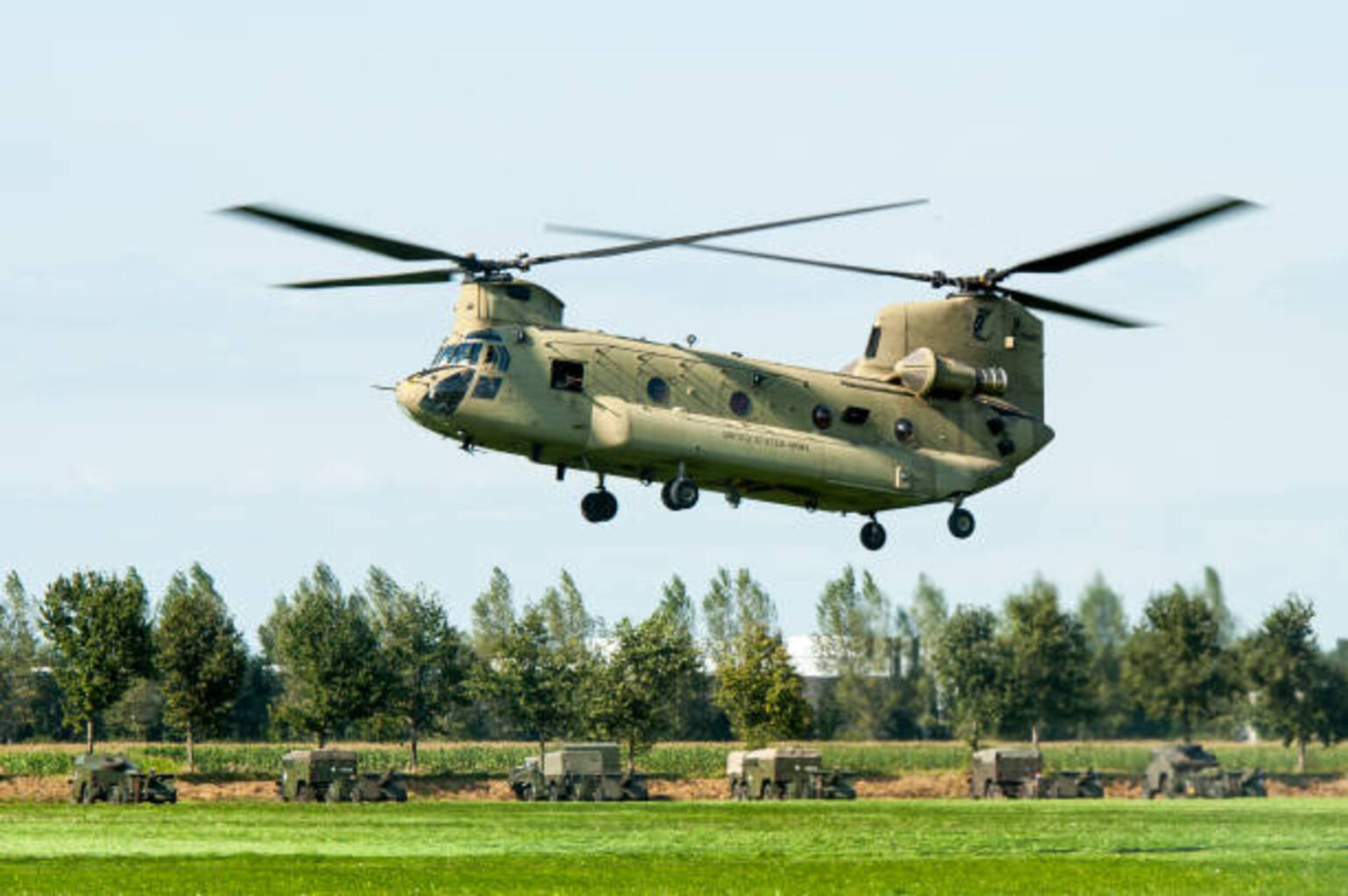
U.S. Army Awards Boeing $324 Million Contract for Chinook Helicopters

- Contract Expansion: The U.S. Army awarded Boeing a $324 million contract for six additional CH-47F Block II helicopters, expanding the existing order to a total of 24 aircraft, highlighting the emphasis on accelerating the delivery of key equipment.
- Rapid Deployment Initiative: This contract is part of the Army's rapid fielding initiative aimed at shortening delivery timelines, with Boeing having already delivered six upgraded helicopters, and plans to equip the first operational unit by mid-2028, enhancing operational capabilities.
- Technical Upgrades: The CH-47F Block II features structural and mechanical enhancements that increase its maximum weight capacity for heavier loads, while adjustments to the fuel system extend its operational range, improving adaptability in various operational environments.
- Maintenance Simplification: The new design aims to simplify maintenance processes and support future upgrades, ensuring the CH-47F Block II remains a vital component of the Army's rotorcraft fleet, continuing to support cargo transport and resupply missions across diverse environments.
See More
S&P 500 Hits Record High as Oil Prices Plunge


- Strong Market Performance: The S&P 500 reached a new record high on Friday after Iran announced the Strait of Hormuz was 'completely open,' indicating a significant improvement in market sentiment, while oil prices fell over 10%, with WTI crude dropping to the low $80s, reflecting investor optimism about future economic recovery.
- Interest Rate Expectations Shift: The market is beginning to price in a 25-basis-point cut in December, indicating a reduction in investor concerns about economic slowdown, and the anticipated decline in rates is expected to further stimulate consumption and investment, driving stock market gains.
- Arm Holdings Strategic Shift: Arm recently unveiled its first in-house data center CPU, the AGI CPU, marking a significant transition from solely licensing to designing and selling its own chips, with projections of generating $25 billion in revenue by FY2031, $15 billion of which will come from these in-house chips, showcasing its ambitions in the semiconductor market.
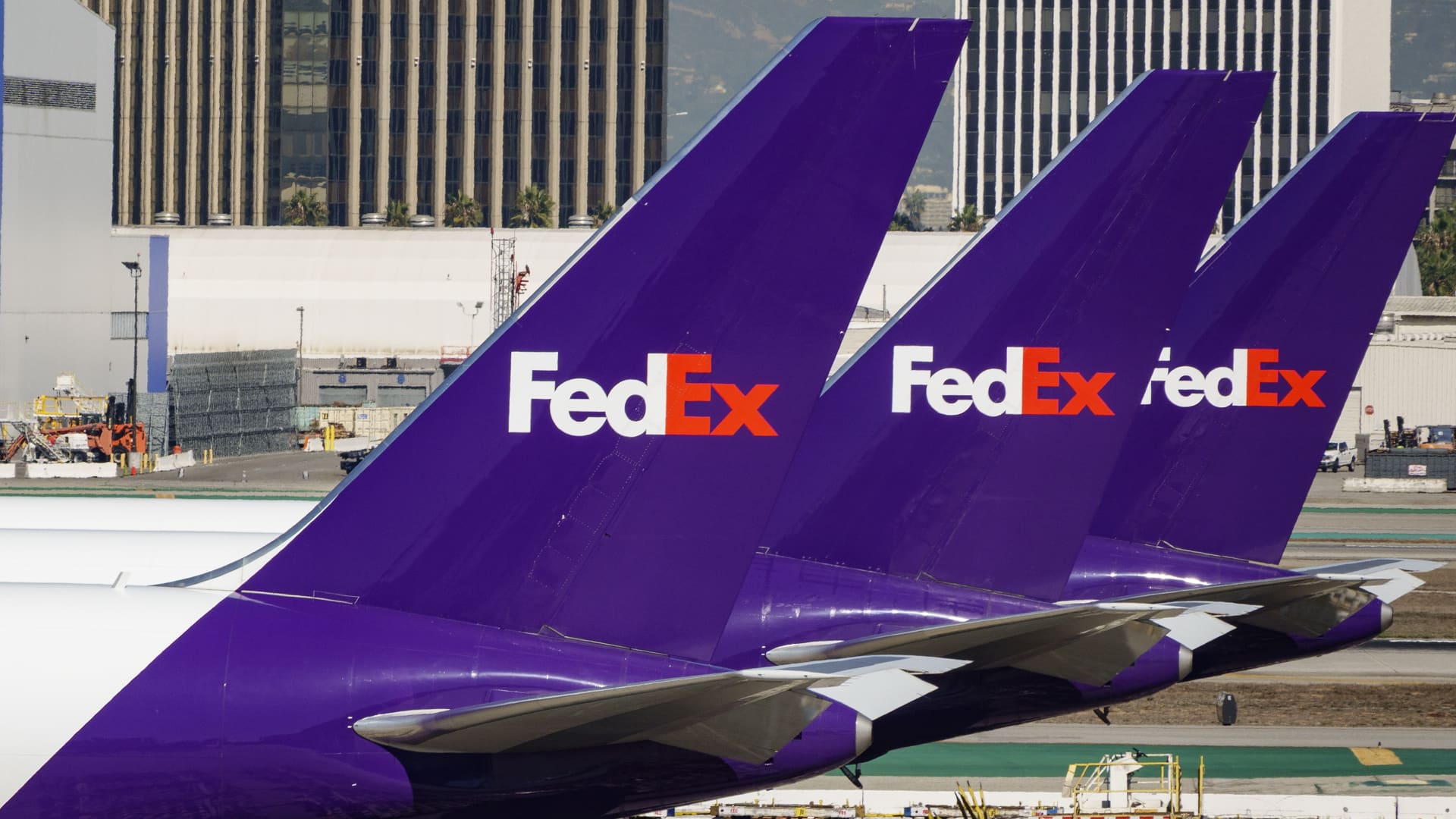
- FedEx Spin-Off Plan: FedEx plans to spin off FedEx Freight on June 1, aiming to enhance the value of both companies through sharper strategic focus, with FedEx Freight being the largest LTL carrier in North America, and a medium-term revenue growth outlook of 4% to 6% expected to further strengthen its market competitiveness.
See More

Market Surges as Strait of Hormuz Opens to Commercial Traffic


- Market Surge: The stock market surged on Friday after Iran announced the Strait of Hormuz is open to all commercial traffic, leading to a 14% drop in oil prices, with WTI trading above $80 per barrel, reflecting optimism about economic recovery.
- Transportation and Industrials Rally: Lower oil prices lifted transportation and industrial stocks, with Boeing shares rising over 3% and both Honeywell and GE Vernova increasing by 2%, indicating a resurgence of confidence in these sectors.
- Apple's Recognition: Bank of America analysts named Apple a 'high-quality' stock, noting its resilience against AI volatility and progress in on-device AI capabilities, suggesting investors will refocus on Apple's strong sales in China.
- Trade Alert Mechanism: Subscribers to the CNBC Investing Club receive trade alerts before Jim executes trades, with a 45-minute wait period post-alert to ensure transparency and strategic execution.
See More
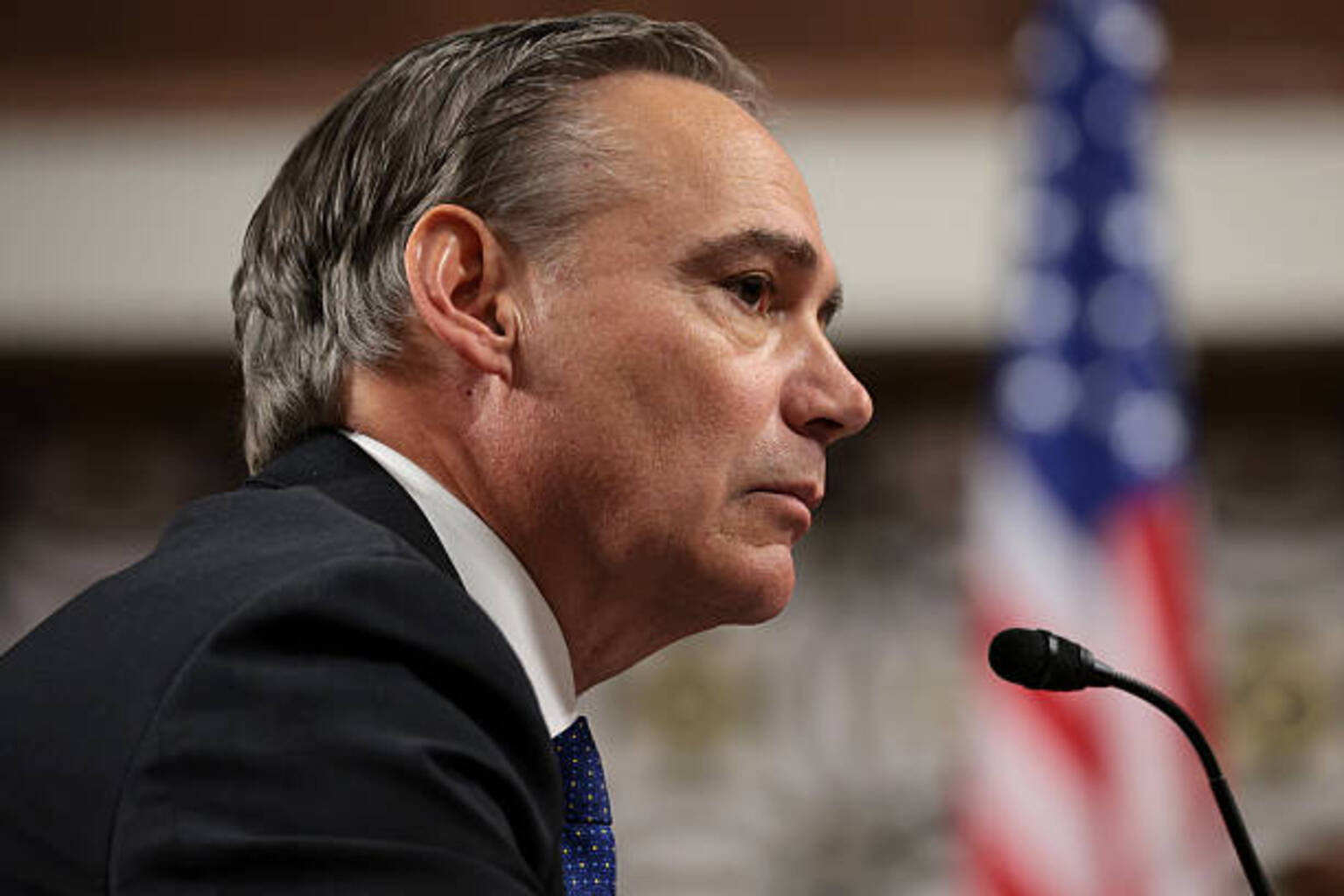
Boeing's Deliveries Unaffected by Iran Conflict
- Delivery Stability: Boeing's management stated that ongoing conflicts in Iran have not impacted commercial aircraft deliveries, indicating resilience in the global aviation market, which is expected to enhance customer confidence and drive future order growth.
- Production Plan Increase: CEO Kelly Ortberg revealed plans to raise the monthly production of the 737 Max from 42 to 47 aircraft, which will help the company regain momentum in its commercial business after years of operational challenges.
- Defense Business Growth: Ortberg noted that geopolitical tensions could create opportunities for Boeing's defense unit, with anticipated increases in maintenance work, service contracts, and demand for munitions, providing an additional revenue stream for the company.
- Market Monitoring: Boeing and other aerospace and defense companies are closely monitoring whether rising military tensions will lead to increased government spending commitments and faster procurement cycles, potentially offering Boeing dual support in both its commercial and defense sectors.
See More
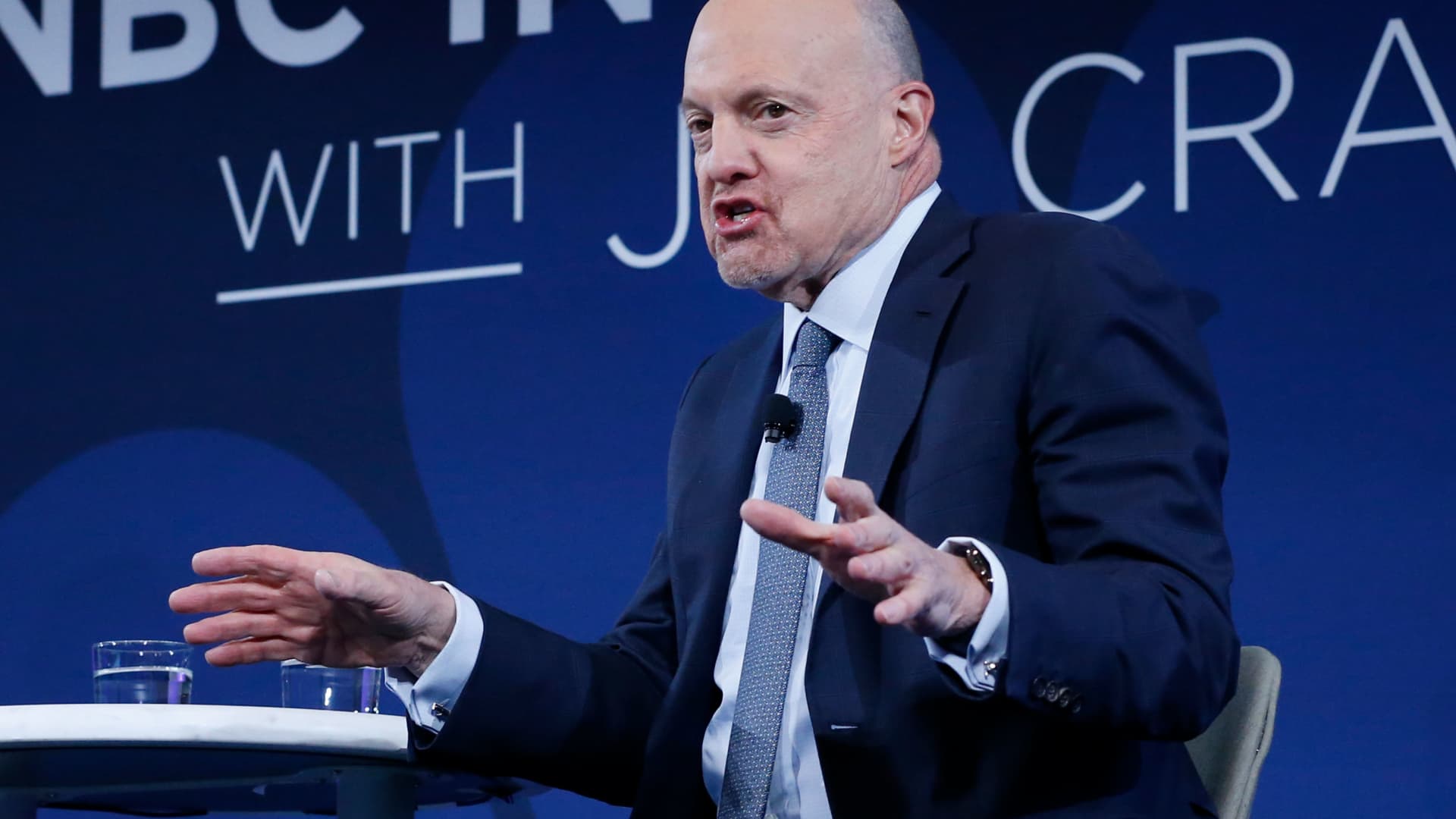
Jim Cramer Updates Bullpen Watchlist with New Stocks

- New Additions: Jim Cramer added ARM Holdings and FedEx to the Bullpen, with ARM's recent in-house chip launch making it a bullish prospect at $161 per share, while FedEx, up about 30% this year, remains 'dramatically undervalued'.
- FedEx Restructuring: FedEx is spinning off its less-than-truckload unit, FedEx Freight, expected to complete by June 1, a move that typically creates more shareholder value, with Jim praising CEO Raj Subramaniam for navigating a competitive landscape effectively.
- Removed Stocks: Jim removed Airbnb and Marvell Technology from the watchlist, citing Airbnb's episodic performance as a concern, while Marvell's 57% rally in 2026 indicated a missed buying opportunity.
- Market Monitoring: Jim continues to monitor Sempra and RTX Corporation, with Sempra up over 8% year-to-date, while RTX could benefit from increased defense production, with Jim planning to decide post RTX's first-quarter results on April 21.
See More

Israel and Lebanon Reach Historic Ceasefire Agreement

- Historic Ceasefire Agreement: Israel and Lebanon have reached a 10-day ceasefire agreement in Washington, marking the first meaningful talks between the two nations since 1983, potentially paving the way for a broader peace agreement in the Middle East.
- Positive Market Reaction: Israel's central bank governor noted that markets are responding positively to the latest peace developments, with major markets holding near record highs, reflecting investor optimism for stability in the region despite ongoing geopolitical uncertainties.
- U.S. Diplomatic Efforts: President Trump plans to invite Israeli Prime Minister Netanyahu and Lebanese President Aoun for talks, further advancing the improvement of relations between the two countries and highlighting the U.S.'s active role in the Middle East peace process.
- Impact of Iranian Situation: Trump mentioned that the war in Iran is progressing well and is expected to end soon, a statement that could influence regional security dynamics and market reactions, prompting investors to monitor future military and diplomatic developments.
See More
U.S. Army Awards Boeing $324 Million Contract for Chinook Helicopters
- Contract Expansion: The U.S. Army awarded Boeing a $324 million contract for six additional CH-47F Block II helicopters, expanding the existing order to a total of 24 aircraft, highlighting the emphasis on accelerating the delivery of key equipment.
- Rapid Deployment Initiative: This contract is part of the Army's rapid fielding initiative aimed at shortening delivery timelines, with Boeing having already delivered six upgraded helicopters, and plans to equip the first operational unit by mid-2028, enhancing operational capabilities.
- Technical Upgrades: The CH-47F Block II features structural and mechanical enhancements that increase its maximum weight capacity for heavier loads, while adjustments to the fuel system extend its operational range, improving adaptability in various operational environments.
- Maintenance Simplification: The new design aims to simplify maintenance processes and support future upgrades, ensuring the CH-47F Block II remains a vital component of the Army's rotorcraft fleet, continuing to support cargo transport and resupply missions across diverse environments.
See More
S&P 500 Hits Record High as Oil Prices Plunge
- Strong Market Performance: The S&P 500 reached a new record high on Friday after Iran announced the Strait of Hormuz was 'completely open,' indicating a significant improvement in market sentiment, while oil prices fell over 10%, with WTI crude dropping to the low $80s, reflecting investor optimism about future economic recovery.
- Interest Rate Expectations Shift: The market is beginning to price in a 25-basis-point cut in December, indicating a reduction in investor concerns about economic slowdown, and the anticipated decline in rates is expected to further stimulate consumption and investment, driving stock market gains.
- Arm Holdings Strategic Shift: Arm recently unveiled its first in-house data center CPU, the AGI CPU, marking a significant transition from solely licensing to designing and selling its own chips, with projections of generating $25 billion in revenue by FY2031, $15 billion of which will come from these in-house chips, showcasing its ambitions in the semiconductor market.
- FedEx Spin-Off Plan: FedEx plans to spin off FedEx Freight on June 1, aiming to enhance the value of both companies through sharper strategic focus, with FedEx Freight being the largest LTL carrier in North America, and a medium-term revenue growth outlook of 4% to 6% expected to further strengthen its market competitiveness.
See More
Market Surges as Strait of Hormuz Opens to Commercial Traffic
- Market Surge: The stock market surged on Friday after Iran announced the Strait of Hormuz is open to all commercial traffic, leading to a 14% drop in oil prices, with WTI trading above $80 per barrel, reflecting optimism about economic recovery.
- Transportation and Industrials Rally: Lower oil prices lifted transportation and industrial stocks, with Boeing shares rising over 3% and both Honeywell and GE Vernova increasing by 2%, indicating a resurgence of confidence in these sectors.
- Apple's Recognition: Bank of America analysts named Apple a 'high-quality' stock, noting its resilience against AI volatility and progress in on-device AI capabilities, suggesting investors will refocus on Apple's strong sales in China.
- Trade Alert Mechanism: Subscribers to the CNBC Investing Club receive trade alerts before Jim executes trades, with a 45-minute wait period post-alert to ensure transparency and strategic execution.
See More
Boeing's Deliveries Unaffected by Iran Conflict
- Delivery Stability: Boeing's management stated that ongoing conflicts in Iran have not impacted commercial aircraft deliveries, indicating resilience in the global aviation market, which is expected to enhance customer confidence and drive future order growth.
- Production Plan Increase: CEO Kelly Ortberg revealed plans to raise the monthly production of the 737 Max from 42 to 47 aircraft, which will help the company regain momentum in its commercial business after years of operational challenges.
- Defense Business Growth: Ortberg noted that geopolitical tensions could create opportunities for Boeing's defense unit, with anticipated increases in maintenance work, service contracts, and demand for munitions, providing an additional revenue stream for the company.
- Market Monitoring: Boeing and other aerospace and defense companies are closely monitoring whether rising military tensions will lead to increased government spending commitments and faster procurement cycles, potentially offering Boeing dual support in both its commercial and defense sectors.
See More
Jim Cramer Updates Bullpen Watchlist with New Stocks
- New Additions: Jim Cramer added ARM Holdings and FedEx to the Bullpen, with ARM's recent in-house chip launch making it a bullish prospect at $161 per share, while FedEx, up about 30% this year, remains 'dramatically undervalued'.
- FedEx Restructuring: FedEx is spinning off its less-than-truckload unit, FedEx Freight, expected to complete by June 1, a move that typically creates more shareholder value, with Jim praising CEO Raj Subramaniam for navigating a competitive landscape effectively.
- Removed Stocks: Jim removed Airbnb and Marvell Technology from the watchlist, citing Airbnb's episodic performance as a concern, while Marvell's 57% rally in 2026 indicated a missed buying opportunity.
- Market Monitoring: Jim continues to monitor Sempra and RTX Corporation, with Sempra up over 8% year-to-date, while RTX could benefit from increased defense production, with Jim planning to decide post RTX's first-quarter results on April 21.
See More
Israel and Lebanon Reach Historic Ceasefire Agreement
- Historic Ceasefire Agreement: Israel and Lebanon have reached a 10-day ceasefire agreement in Washington, marking the first meaningful talks between the two nations since 1983, potentially paving the way for a broader peace agreement in the Middle East.
- Positive Market Reaction: Israel's central bank governor noted that markets are responding positively to the latest peace developments, with major markets holding near record highs, reflecting investor optimism for stability in the region despite ongoing geopolitical uncertainties.
- U.S. Diplomatic Efforts: President Trump plans to invite Israeli Prime Minister Netanyahu and Lebanese President Aoun for talks, further advancing the improvement of relations between the two countries and highlighting the U.S.'s active role in the Middle East peace process.
- Impact of Iranian Situation: Trump mentioned that the war in Iran is progressing well and is expected to end soon, a statement that could influence regional security dynamics and market reactions, prompting investors to monitor future military and diplomatic developments.
See More