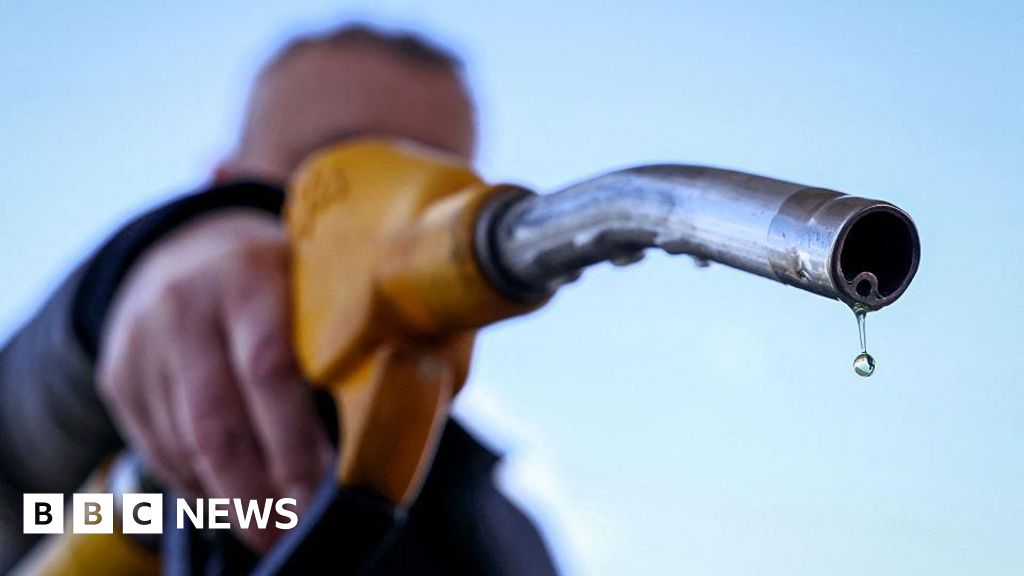
Three Non-Tech Stocks in TradeSmith's Green Zone Indicating Strong Financial Health


Stock Evaluation Indicators: Investors can utilize various indicators, including technical and fundamental metrics, to assess stock value, buy-sell signals, and future price movements, with a focus on combining these indicators for a comprehensive analysis.
Trade Smith Health Indicator: The Trade Smith Health Indicator categorizes stocks into Green, Yellow, or Red zones based on financial health and trends, showing that stocks in the Green zone have historically provided higher returns compared to those in the Red zone.
Exxon Mobil Performance: Exxon Mobil has shown significant growth, outperforming the S&P 500 with a year-to-date gain of nearly 26%, and is expected to continue growing earnings per share significantly in the coming year.
Citi Group and NextEra Energy: Both Citi Group and NextEra Energy have been identified as strong performers in the Trade Smith Green Zone, with expectations of substantial earnings growth and improvements in their financial health metrics.
Trade with 70% Backtested Accuracy
Analyst Views on XOM

About XOM
About the author

ExxonMobil Board Proposes Redomiciliation to Texas

- Unanimous Board Decision: ExxonMobil's Board of Directors unanimously recommends shareholders approve the change of the company's legal domicile from New Jersey to Texas, believing this alignment with leadership and core operations since 1989 will enhance shareholder value.
- Texas Advantages: The Board highlighted Texas's recent efforts to create a favorable policy and regulatory environment for businesses, enabling the company to maximize shareholder value, with Texas's legal framework being stronger in certain aspects compared to New Jersey.
- Shareholder Rights Protection: The proposed redomiciliation will not affect business operations, management, strategy, assets, or employee locations, with the Board confirming that shareholder rights under Texas law are largely comparable to those in New Jersey, and in some areas, stronger.
- Shareholder Voting Arrangement: The proposal will be voted on at the 2026 Annual Meeting of Shareholders, with detailed information provided in the preliminary proxy statement filed with the U.S. Securities and Exchange Commission, ensuring shareholders are well-informed about the voting process.

Crude Oil Prices Rise Amid Iran-Israel Tensions, U.S. Energy ETF Remains Muted

- Geopolitical Impact: Crude oil prices are rising due to escalating tensions between Iran and Israel, yet the largest U.S. energy ETF has shown little movement, reflecting the complex dynamics in energy markets during geopolitical shocks.
- Investor Sentiment: Investors typically perceive oil rallies amid geopolitical events as a 'risk premium,' leading to a cautious approach towards energy equities, especially in high uncertainty scenarios.
- ETF Structure Influence: The ETF's top ten holdings account for over three-quarters of its portfolio, meaning that the performance of a few mega-cap companies can significantly sway the ETF's overall performance, resulting in energy stocks not reacting as expected to the oil price surge.
- Market Divergence: The current divergence in market reactions has sparked a broader debate among investors regarding whether oil price rallies indicate a long-term shift in energy markets or are merely a short-term geopolitical shock.

U.S. Gas Prices Surge to Highest Level Since 2024

- Price Surge: The average price of unleaded gas in the U.S. has climbed to about $3.54 per gallon, marking the highest level since 2024 and a 21% increase from a month ago, directly impacting consumer living costs.
- Supply Chain Crisis: The conflict between the U.S. and Iran has disrupted the crucial Strait of Hormuz, leading to the largest three-day price jump since Hurricane Katrina in 2005, highlighting the vulnerability of the global oil market.
- Political Ramifications: The rise in gas prices threatens Trump's commitment to lowering living costs, a key pillar of his reelection campaign, which could influence the outcomes of the upcoming midterm elections.
- Market Volatility: U.S. crude oil prices are fluctuating around $84 per barrel after surpassing $100 earlier this week, with analysts indicating that future price movements will depend on the duration of market disruptions.
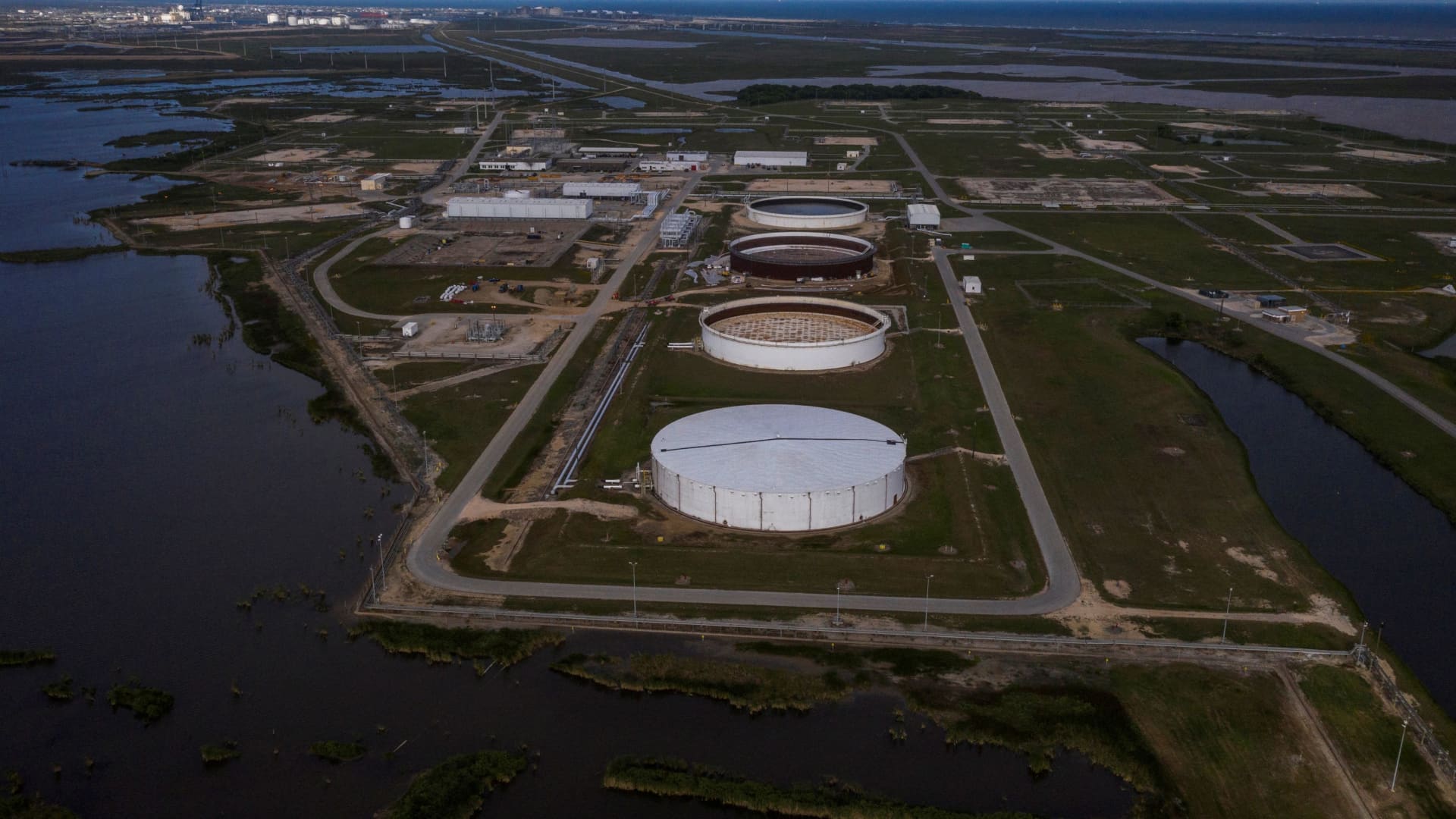
IEA Holds Extraordinary Meeting on Possible Oil Reserve Release
- Extraordinary Meeting: The International Energy Agency (IEA) will convene an extraordinary meeting on Tuesday to discuss the potential release of oil reserves due to supply disruptions caused by the Iran war, which is expected to impact the global oil market.
- Reserve Assessment: IEA Executive Director Fatih Birol stated that member countries will assess current supply security and market conditions to determine whether to release emergency stocks, with members collectively holding about 1.2 billion barrels in reserve.
- Price Volatility: Oil prices fell more than 11% as the market anticipates a release of oil stocks, after surging to nearly $120 per barrel on Monday due to supply disruptions, indicating the market's acute sensitivity to supply security.
- Global Consequences: Saudi Aramco's CEO warned that the Iran war will have
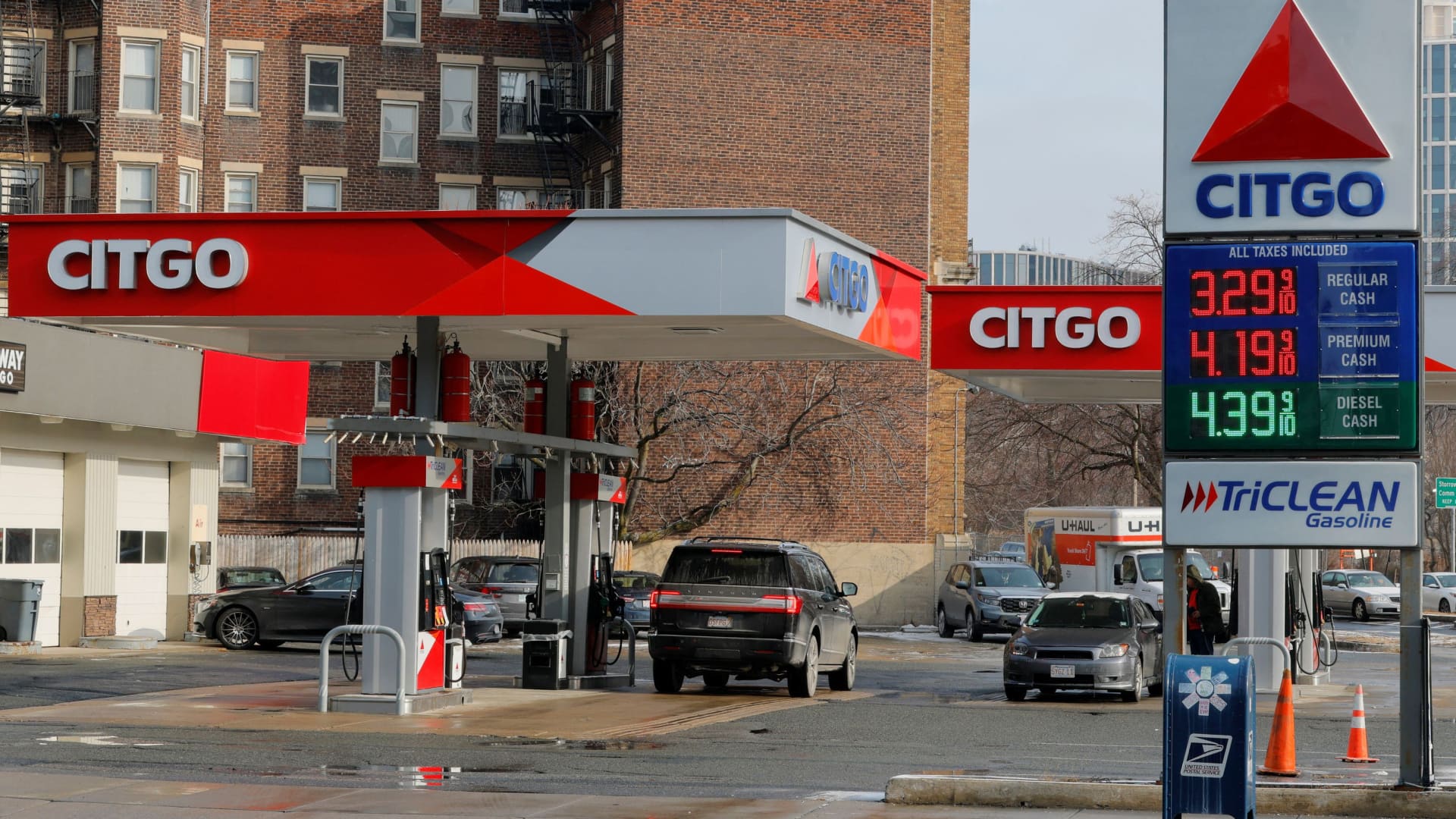
US Gas Prices Surge to Highest Level in Over a Year and a Half

- Surge in Gas Prices: The average price of unleaded gasoline in the U.S. has risen to approximately $3.54 per gallon, marking a 21% increase from a month ago and the highest level since mid-2024, indicating severe disruptions in global oil trade due to the U.S.-Iran conflict.
- Supply Chain Crisis: The U.S.-Israeli strikes on Iran have crippled the crucial Strait of Hormuz, leading to the largest oil supply disruption in history, with gas prices experiencing their biggest three-day jump since Hurricane Katrina in 2005, further exacerbating market uncertainty.
- Political Ramifications: The rise in gas prices threatens Trump's commitment to lowering living costs, a key pillar of his reelection campaign, especially as affordability remains a top concern for voters ahead of the upcoming midterm elections.
- Market Volatility: Despite significant fluctuations, U.S. crude oil prices hover around $84 per barrel, and analysts indicate that future consumer prices will depend on the duration of market disruptions, with retailers potentially needing to raise prices to mitigate margin pressures.

Bank of America: Oil Prices May Have Peaked Short-Term
- Oil Price Volatility: Bank of America's technical strategist Paul Ciana noted that Monday's oil price fluctuations, which peaked at $120 per barrel before retreating below $90, indicate a potential short-term peak, urging investors to be cautious of volatility risks.
- Brent Crude Forecast: Ciana predicts that Brent crude will consolidate between $90 and $110 in the short term, based on how the market stabilized after the initial spike following the Russia-Ukraine conflict in early 2022, suggesting a period of high-level consolidation ahead.
- Future Price Potential: He warned that despite current high prices, there remains room for further increases due to supply concerns, with Brent potentially surging to between $134 and $150 if another spike occurs, highlighting market uncertainty.
- Energy Stock Investment Advice: Bank of America updated its outlook for the S&P Energy sector and Exxon Mobil, indicating both are consolidating after significant gains, recommending investors avoid purchases for now as momentum appears stretched, necessitating careful evaluation of future investment opportunities.
ExxonMobil Board Proposes Redomiciliation to Texas
- Unanimous Board Decision: ExxonMobil's Board of Directors unanimously recommends shareholders approve the change of the company's legal domicile from New Jersey to Texas, believing this alignment with leadership and core operations since 1989 will enhance shareholder value.
- Texas Advantages: The Board highlighted Texas's recent efforts to create a favorable policy and regulatory environment for businesses, enabling the company to maximize shareholder value, with Texas's legal framework being stronger in certain aspects compared to New Jersey.
- Shareholder Rights Protection: The proposed redomiciliation will not affect business operations, management, strategy, assets, or employee locations, with the Board confirming that shareholder rights under Texas law are largely comparable to those in New Jersey, and in some areas, stronger.
- Shareholder Voting Arrangement: The proposal will be voted on at the 2026 Annual Meeting of Shareholders, with detailed information provided in the preliminary proxy statement filed with the U.S. Securities and Exchange Commission, ensuring shareholders are well-informed about the voting process.
Crude Oil Prices Rise Amid Iran-Israel Tensions, U.S. Energy ETF Remains Muted
- Geopolitical Impact: Crude oil prices are rising due to escalating tensions between Iran and Israel, yet the largest U.S. energy ETF has shown little movement, reflecting the complex dynamics in energy markets during geopolitical shocks.
- Investor Sentiment: Investors typically perceive oil rallies amid geopolitical events as a 'risk premium,' leading to a cautious approach towards energy equities, especially in high uncertainty scenarios.
- ETF Structure Influence: The ETF's top ten holdings account for over three-quarters of its portfolio, meaning that the performance of a few mega-cap companies can significantly sway the ETF's overall performance, resulting in energy stocks not reacting as expected to the oil price surge.
- Market Divergence: The current divergence in market reactions has sparked a broader debate among investors regarding whether oil price rallies indicate a long-term shift in energy markets or are merely a short-term geopolitical shock.
U.S. Gas Prices Surge to Highest Level Since 2024
- Price Surge: The average price of unleaded gas in the U.S. has climbed to about $3.54 per gallon, marking the highest level since 2024 and a 21% increase from a month ago, directly impacting consumer living costs.
- Supply Chain Crisis: The conflict between the U.S. and Iran has disrupted the crucial Strait of Hormuz, leading to the largest three-day price jump since Hurricane Katrina in 2005, highlighting the vulnerability of the global oil market.
- Political Ramifications: The rise in gas prices threatens Trump's commitment to lowering living costs, a key pillar of his reelection campaign, which could influence the outcomes of the upcoming midterm elections.
- Market Volatility: U.S. crude oil prices are fluctuating around $84 per barrel after surpassing $100 earlier this week, with analysts indicating that future price movements will depend on the duration of market disruptions.
IEA Holds Extraordinary Meeting on Possible Oil Reserve Release
- Extraordinary Meeting: The International Energy Agency (IEA) will convene an extraordinary meeting on Tuesday to discuss the potential release of oil reserves due to supply disruptions caused by the Iran war, which is expected to impact the global oil market.
- Reserve Assessment: IEA Executive Director Fatih Birol stated that member countries will assess current supply security and market conditions to determine whether to release emergency stocks, with members collectively holding about 1.2 billion barrels in reserve.
- Price Volatility: Oil prices fell more than 11% as the market anticipates a release of oil stocks, after surging to nearly $120 per barrel on Monday due to supply disruptions, indicating the market's acute sensitivity to supply security.
- Global Consequences: Saudi Aramco's CEO warned that the Iran war will have
US Gas Prices Surge to Highest Level in Over a Year and a Half
- Surge in Gas Prices: The average price of unleaded gasoline in the U.S. has risen to approximately $3.54 per gallon, marking a 21% increase from a month ago and the highest level since mid-2024, indicating severe disruptions in global oil trade due to the U.S.-Iran conflict.
- Supply Chain Crisis: The U.S.-Israeli strikes on Iran have crippled the crucial Strait of Hormuz, leading to the largest oil supply disruption in history, with gas prices experiencing their biggest three-day jump since Hurricane Katrina in 2005, further exacerbating market uncertainty.
- Political Ramifications: The rise in gas prices threatens Trump's commitment to lowering living costs, a key pillar of his reelection campaign, especially as affordability remains a top concern for voters ahead of the upcoming midterm elections.
- Market Volatility: Despite significant fluctuations, U.S. crude oil prices hover around $84 per barrel, and analysts indicate that future consumer prices will depend on the duration of market disruptions, with retailers potentially needing to raise prices to mitigate margin pressures.
Bank of America: Oil Prices May Have Peaked Short-Term
- Oil Price Volatility: Bank of America's technical strategist Paul Ciana noted that Monday's oil price fluctuations, which peaked at $120 per barrel before retreating below $90, indicate a potential short-term peak, urging investors to be cautious of volatility risks.
- Brent Crude Forecast: Ciana predicts that Brent crude will consolidate between $90 and $110 in the short term, based on how the market stabilized after the initial spike following the Russia-Ukraine conflict in early 2022, suggesting a period of high-level consolidation ahead.
- Future Price Potential: He warned that despite current high prices, there remains room for further increases due to supply concerns, with Brent potentially surging to between $134 and $150 if another spike occurs, highlighting market uncertainty.
- Energy Stock Investment Advice: Bank of America updated its outlook for the S&P Energy sector and Exxon Mobil, indicating both are consolidating after significant gains, recommending investors avoid purchases for now as momentum appears stretched, necessitating careful evaluation of future investment opportunities.