The Aging Population in America May Position HCA Healthcare for Long-Term Success
Demographic Shifts and Healthcare Demand: The aging population in the U.S. is expected to lead to a significant increase in healthcare spending, creating opportunities for investors in the healthcare sector, particularly for companies like HCA Healthcare.
HCA's Financial Performance: HCA Healthcare reported strong earnings, exceeding analyst expectations with an EPS of $8.01, although its revenue growth of 6.7% year-over-year was below forecasts.
Future Projections: HCA management anticipates revenue growth between $76.5 billion and $80 billion for 2026, with expectations for adjusted EBITDA to reach between $15.55 billion and $16.45 billion.
Investment Outlook: Analysts remain optimistic about HCA's potential for long-term growth, with many rating the stock as a buy, driven by anticipated increases in healthcare demand and the company's strategic initiatives.
Trade with 70% Backtested Accuracy
Analyst Views on HCA

About HCA
About the author


Comfort Systems USA and HCA Options Trading Activity Surges

- Surge in Options Volume: Comfort Systems USA Inc (Ticker: FIX) saw an options trading volume of 2,013 contracts today, equating to approximately 201,300 shares, which represents about 43.4% of its average daily trading volume of 463,990 shares over the past month, indicating a significant increase in market interest.
- Focus on Specific Strike Price: Among FIX options, the $1260 strike put option has garnered particular attention, with 402 contracts traded today, representing around 40,200 shares, suggesting heightened investor expectations for potential downward price movement, which could impact stock performance.
- Active HCA Options Trading: HCA Healthcare Inc (Ticker: HCA) recorded an options trading volume of 4,644 contracts today, translating to approximately 464,400 shares, which is 41.1% of its average daily trading volume of 1.1 million shares over the past month, reflecting strong market interest in the company.
- High Strike Price Attention: For HCA, the $525 strike put option has seen a trading volume of 1,920 contracts, representing about 192,000 shares, indicating a cautious sentiment among investors regarding the stock's future performance, which may influence its short-term market behavior.

HCA Healthcare Recognized as One of 2026 World's Most Ethical Companies
- Ethical Standards Recognition: HCA Healthcare has been named one of the 2026 World's Most Ethical Companies by Ethisphere for the 16th time, highlighting the company's high standards and commitment to integrity in the healthcare sector, thereby reinforcing its leadership position in the industry.
- Significant Community Contributions: In 2025, HCA Healthcare and its foundation donated approximately $61.3 million to community organizations nationwide, while employees logged 354,000 hours of volunteer service, demonstrating the company's commitment to social responsibility and active community engagement.
- Ethical Culture Development: HCA Healthcare showcased over 240 proof points in ethics, compliance, and governance practices, ensuring that high ethical standards are embedded in daily operations, which enhances overall business performance.
- Long-term Partnerships: HCA Healthcare strengthened its relationships with longstanding partners like the American Red Cross, contributing over $15 million in funding over the past decade, reflecting the company's ongoing commitment to disaster response and community service.

Investment Opportunities in Healthcare Sector


- Robotic Surgery Market Potential: Intuitive Surgical's da Vinci system leads the robotic-assisted surgery market, with an installed base of 11,106 units by 2025, reflecting a 12% year-over-year growth, indicating significant growth potential in this underpenetrated market, allowing for recurring revenue through disposable instruments and accessories sales.
- Innovation-Driven Growth: Intuitive Surgical plans to continue launching newer versions of the da Vinci system, and with increasing procedure volumes and label expansions, sales growth is expected to accelerate, despite competition from giants like Medtronic and Johnson & Johnson; the company's strong technological moat and flexible pricing power will help it overcome challenges.
- HCA's Network Advantage: HCA Healthcare operates a diversified network of healthcare facilities across the U.S., benefiting from long-term trends such as an aging population and rising demand for medical services, with sustained market share growth over the past 15 years, showcasing its strong adaptability in a competitive landscape.
- Investment in Technology and Relationships: HCA Healthcare improves patient outcomes through investments in cutting-edge medical technology and has built deep relationships with both government and private payers, creating a hard-to-replicate ecosystem; despite risks from policy changes, its diversified revenue sources suggest a positive long-term outlook.

HCA Healthcare's 92 Hospitals Earn Patient Safety Excellence Award
- Patient Safety Excellence Award: HCA Healthcare's 92 hospitals received the 2026 Patient Safety Excellence Award from Healthgrades, indicating their patient safety performance ranks in the top 10% nationwide.
- Commitment to Improvement: Dr. Randy Fagin, Senior VP, emphasized that continuous learning and improvement are key to earning patient trust, highlighting the importance of safe care delivery.
- Embedded Culture: For over a decade, HCA has operated a federally listed Patient Safety Organization, aiming to enhance patient safety by strengthening clinical processes and promoting evidence-based safety practices.
- National Action Plan: In 2024, HCA implemented the National Action Plan to Advance Patient Safety, using multidisciplinary teams to assess safety culture and align local improvements with enterprise goals, further advancing patient safety priorities.

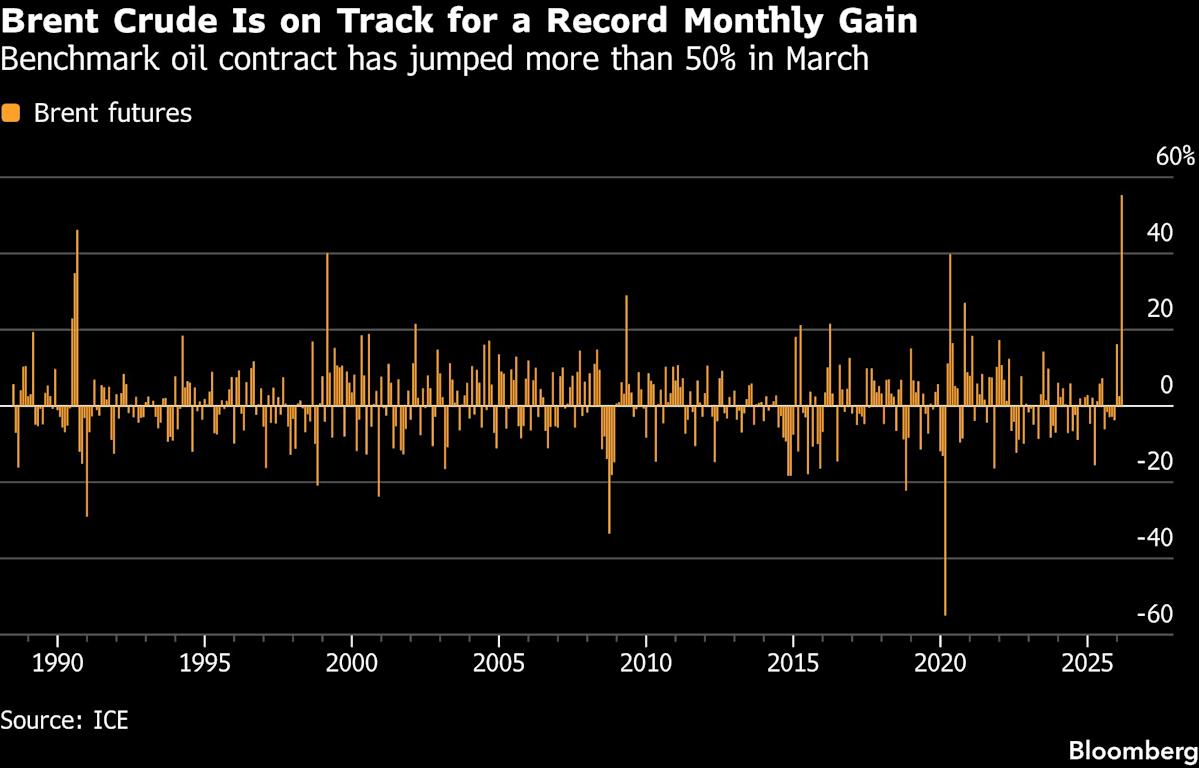
Futures Plunge as U.S. Crude Oil Prices Surge


- Futures Market Turmoil: Futures prices have plummeted significantly, reflecting investor panic over potential economic slowdown, which may lead to capital outflows from risk assets as concerns about future economic prospects grow.
- Surge in Oil Prices: U.S. crude oil prices have soared due to geopolitical tensions, particularly after Iran named Khamenei's son as the new Supreme Leader, raising fears of supply disruptions that could drive global oil prices even higher.
- Geopolitical Implications: The appointment of Iran's new Supreme Leader may exacerbate tensions in the Middle East, impacting the stability of global energy markets, prompting investors to closely monitor developments to assess potential market risks.
- Shifts in Investor Sentiment: As oil prices rise, investors may reassess their portfolios, shifting towards safer assets, which could lead to further volatility in the stock market and affect overall market confidence.

Futures Plunge as U.S. Crude Oil Prices Surge


- Futures Market Turmoil: Futures prices have plummeted significantly, reflecting investor concerns about potential economic slowdown and uncertainty regarding future economic prospects, which may lead to capital outflows from risk assets.
- Surge in Oil Prices: U.S. crude oil prices have soared, likely driven by escalating geopolitical tensions, particularly following the appointment of Iran's new Supreme Leader, which could impact global oil supply chains and further elevate prices.
- Iran Leadership Change: Iran's announcement of Khamenei's son as the new Supreme Leader may exacerbate political instability in the region, affecting international market expectations regarding Iranian oil and consequently influencing global oil prices.
- Market Reaction Analysis: Investors are reacting strongly to the rise in oil prices, which may lead to volatility in other commodities and stock markets, reflecting the market's sensitivity to changes in energy prices and their potential impact on the overall economy.
Comfort Systems USA and HCA Options Trading Activity Surges
- Surge in Options Volume: Comfort Systems USA Inc (Ticker: FIX) saw an options trading volume of 2,013 contracts today, equating to approximately 201,300 shares, which represents about 43.4% of its average daily trading volume of 463,990 shares over the past month, indicating a significant increase in market interest.
- Focus on Specific Strike Price: Among FIX options, the $1260 strike put option has garnered particular attention, with 402 contracts traded today, representing around 40,200 shares, suggesting heightened investor expectations for potential downward price movement, which could impact stock performance.
- Active HCA Options Trading: HCA Healthcare Inc (Ticker: HCA) recorded an options trading volume of 4,644 contracts today, translating to approximately 464,400 shares, which is 41.1% of its average daily trading volume of 1.1 million shares over the past month, reflecting strong market interest in the company.
- High Strike Price Attention: For HCA, the $525 strike put option has seen a trading volume of 1,920 contracts, representing about 192,000 shares, indicating a cautious sentiment among investors regarding the stock's future performance, which may influence its short-term market behavior.
HCA Healthcare Recognized as One of 2026 World's Most Ethical Companies
- Ethical Standards Recognition: HCA Healthcare has been named one of the 2026 World's Most Ethical Companies by Ethisphere for the 16th time, highlighting the company's high standards and commitment to integrity in the healthcare sector, thereby reinforcing its leadership position in the industry.
- Significant Community Contributions: In 2025, HCA Healthcare and its foundation donated approximately $61.3 million to community organizations nationwide, while employees logged 354,000 hours of volunteer service, demonstrating the company's commitment to social responsibility and active community engagement.
- Ethical Culture Development: HCA Healthcare showcased over 240 proof points in ethics, compliance, and governance practices, ensuring that high ethical standards are embedded in daily operations, which enhances overall business performance.
- Long-term Partnerships: HCA Healthcare strengthened its relationships with longstanding partners like the American Red Cross, contributing over $15 million in funding over the past decade, reflecting the company's ongoing commitment to disaster response and community service.
Investment Opportunities in Healthcare Sector
- Robotic Surgery Market Potential: Intuitive Surgical's da Vinci system leads the robotic-assisted surgery market, with an installed base of 11,106 units by 2025, reflecting a 12% year-over-year growth, indicating significant growth potential in this underpenetrated market, allowing for recurring revenue through disposable instruments and accessories sales.
- Innovation-Driven Growth: Intuitive Surgical plans to continue launching newer versions of the da Vinci system, and with increasing procedure volumes and label expansions, sales growth is expected to accelerate, despite competition from giants like Medtronic and Johnson & Johnson; the company's strong technological moat and flexible pricing power will help it overcome challenges.
- HCA's Network Advantage: HCA Healthcare operates a diversified network of healthcare facilities across the U.S., benefiting from long-term trends such as an aging population and rising demand for medical services, with sustained market share growth over the past 15 years, showcasing its strong adaptability in a competitive landscape.
- Investment in Technology and Relationships: HCA Healthcare improves patient outcomes through investments in cutting-edge medical technology and has built deep relationships with both government and private payers, creating a hard-to-replicate ecosystem; despite risks from policy changes, its diversified revenue sources suggest a positive long-term outlook.
HCA Healthcare's 92 Hospitals Earn Patient Safety Excellence Award
- Patient Safety Excellence Award: HCA Healthcare's 92 hospitals received the 2026 Patient Safety Excellence Award from Healthgrades, indicating their patient safety performance ranks in the top 10% nationwide.
- Commitment to Improvement: Dr. Randy Fagin, Senior VP, emphasized that continuous learning and improvement are key to earning patient trust, highlighting the importance of safe care delivery.
- Embedded Culture: For over a decade, HCA has operated a federally listed Patient Safety Organization, aiming to enhance patient safety by strengthening clinical processes and promoting evidence-based safety practices.
- National Action Plan: In 2024, HCA implemented the National Action Plan to Advance Patient Safety, using multidisciplinary teams to assess safety culture and align local improvements with enterprise goals, further advancing patient safety priorities.
Futures Plunge as U.S. Crude Oil Prices Surge
- Futures Market Turmoil: Futures prices have plummeted significantly, reflecting investor panic over potential economic slowdown, which may lead to capital outflows from risk assets as concerns about future economic prospects grow.
- Surge in Oil Prices: U.S. crude oil prices have soared due to geopolitical tensions, particularly after Iran named Khamenei's son as the new Supreme Leader, raising fears of supply disruptions that could drive global oil prices even higher.
- Geopolitical Implications: The appointment of Iran's new Supreme Leader may exacerbate tensions in the Middle East, impacting the stability of global energy markets, prompting investors to closely monitor developments to assess potential market risks.
- Shifts in Investor Sentiment: As oil prices rise, investors may reassess their portfolios, shifting towards safer assets, which could lead to further volatility in the stock market and affect overall market confidence.
Futures Plunge as U.S. Crude Oil Prices Surge
- Futures Market Turmoil: Futures prices have plummeted significantly, reflecting investor concerns about potential economic slowdown and uncertainty regarding future economic prospects, which may lead to capital outflows from risk assets.
- Surge in Oil Prices: U.S. crude oil prices have soared, likely driven by escalating geopolitical tensions, particularly following the appointment of Iran's new Supreme Leader, which could impact global oil supply chains and further elevate prices.
- Iran Leadership Change: Iran's announcement of Khamenei's son as the new Supreme Leader may exacerbate political instability in the region, affecting international market expectations regarding Iranian oil and consequently influencing global oil prices.
- Market Reaction Analysis: Investors are reacting strongly to the rise in oil prices, which may lead to volatility in other commodities and stock markets, reflecting the market's sensitivity to changes in energy prices and their potential impact on the overall economy.