Texas Instruments Unveils AI-Enabled Chips
Written by Emily J. Thompson, Senior Investment Analyst
Updated: Mar 10 2026
0mins

Should l Buy TXN?
Source: Benzinga
- AI Chip Launch: Texas Instruments has introduced the new MSPM0G5187 and AM13Ex chips, which feature built-in artificial intelligence capabilities, allowing electronic devices to run AI tasks locally, thereby improving response times and reducing power consumption, with applications expected in health wearables and industrial machines.
- Speed and Efficiency Gains: The new chips can process AI tasks up to 90 times faster than traditional chips while consuming over 120 times less energy, with the MSPM0G5187 priced below $1 in bulk purchases, further reducing product costs and enhancing market competitiveness.
- Motor Control Applications: The AM13Ex chip is designed for motor control in home appliances, robots, and industrial systems, enabling the management of multiple motors while running AI programs to monitor performance and improve efficiency, which is expected to drive advancements in smart home and industrial automation.
- Acquisition to Expand Tech Portfolio: Texas Instruments plans to acquire Silicon Labs for $231 per share, with the deal expected to close in the first half of 2027, which will add approximately 1,200 wireless connectivity products and combine expertise in wireless and analog processing, strengthening its market position.
Trade with 70% Backtested Accuracy
Stop guessing "Should I Buy TXN?" and start using high-conviction signals backed by rigorous historical data.
Sign up today to access powerful investing tools and make smarter, data-driven decisions.
Analyst Views on TXN
Wall Street analysts forecast TXN stock price to fall
20 Analyst Rating
10 Buy
5 Hold
5 Sell
Hold
Current: 229.820

Low
125.00
Averages
193.53
High
245.00
Current: 229.820
Low
125.00
Averages
193.53
High
245.00
About TXN
Texas Instruments Incorporated is engaged in the design and manufacture of semiconductors. The Company operates through two segments, which include Analog and Embedded Processing. Its Analog segment semiconductors are used to manage power in all electronic equipment by converting, distributing, storing, discharging, isolating, and measuring electrical energy. It consists of two products, which include Power and Signal Chain. The Analog segment includes product lines, such as Power and Signal Chain. Power includes products that help customers manage power in electronic systems. Signal Chain products include amplifiers, data converters, interface products, motor drives, clocks, logic, and sensing products. Its portfolio is designed to manage power requirements across different voltage levels. The Embedded Processing segment products are designed to handle specific tasks and can be optimized for various combinations of performance, power, and cost, depending on the application.
About the author

Emily J. Thompson
Emily J. Thompson, a Chartered Financial Analyst (CFA) with 12 years in investment research, graduated with honors from the Wharton School. Specializing in industrial and technology stocks, she provides in-depth analysis for Intellectia’s earnings and market brief reports.

Texas Instruments Successfully Revitalizes Growth

- Growth Revitalization: Texas Instruments has successfully reinvigorated its growth through innovative products and market strategies, showcasing the company's strong adaptability in the highly competitive semiconductor industry.
- Stock Performance: As of the afternoon of April 16, 2026, Texas Instruments' stock price rose by 1.60%, reflecting investor confidence in the company's future growth potential and further solidifying its market position.
- Market Reaction: The video published on April 18, 2026, quickly garnered market attention, indicating the company's effectiveness in communicating its growth strategies and enhancing investor trust.
- Strategic Implications: This growth revitalization not only improves Texas Instruments' financial performance but also provides stronger funding support for future investments and R&D, ensuring the company's continued leadership in technological innovation.
See More
Lattice Collaborates with TI to Simplify Sensor Integration

- Collaborative Innovation: Lattice Semiconductor partners with Texas Instruments (TI) to combine TI's sensing technologies with Lattice's Holoscan Sensor Bridge solution, aiming to simplify sensor integration and scale real-time edge AI systems, thereby advancing robotics and industrial applications.
- Low Latency Data Processing: By integrating TI's mmWave radar with Lattice's low-power FPGA technology, developers can achieve low-latency sensor data pipelines that deliver synchronized sensor data directly into GPU-accessible memory, enhancing perception capabilities for robotics and industrial edge AI applications.
- Market Demand Response: Lattice's VP Raemin Wang emphasizes that as edge AI systems scale, developers require flexible platforms that simplify sensor integration while delivering predictable real-time performance, and this collaboration is designed to meet that market demand.
- Ecosystem Expansion: The ecosystem of Lattice Holoscan solutions is growing through collaborations with industry-leading sensor, compute, and software partners, providing developers with a strong foundation to build scalable, production-ready edge AI systems.
See More

Semiconductor Sector Update: Intel and Texas Instruments Earnings Preview

- Intel Earnings Outlook: Intel anticipates first-quarter revenue of $13.7 billion, down 4% year-over-year, although its data center and AI segment revenue increased by 9% to $4.7 billion, indicating signs of recovery in a key market; however, supply shortages may hinder its turnaround progress.
- Texas Instruments Growth Momentum: Texas Instruments reported first-quarter revenue of $4.4 billion, a 10% year-over-year increase, despite a slight decline in earnings per share to $1.27; its 2025 free cash flow nearly doubled to $2.9 billion, showcasing robust cash generation capabilities.
- AI-Driven Market Shift: Texas Instruments' data center revenue surged approximately 70% year-over-year to $1.5 billion in 2025, with the CEO noting that the data center market has grown for seven consecutive quarters, highlighting the company's rapidly emerging potential in the AI sector.
- Investor Focus: Investors will closely monitor Intel's supply chain recovery and whether Texas Instruments can sustain its AI-driven growth, assessing the long-term prospects for both companies in their respective markets.
See More
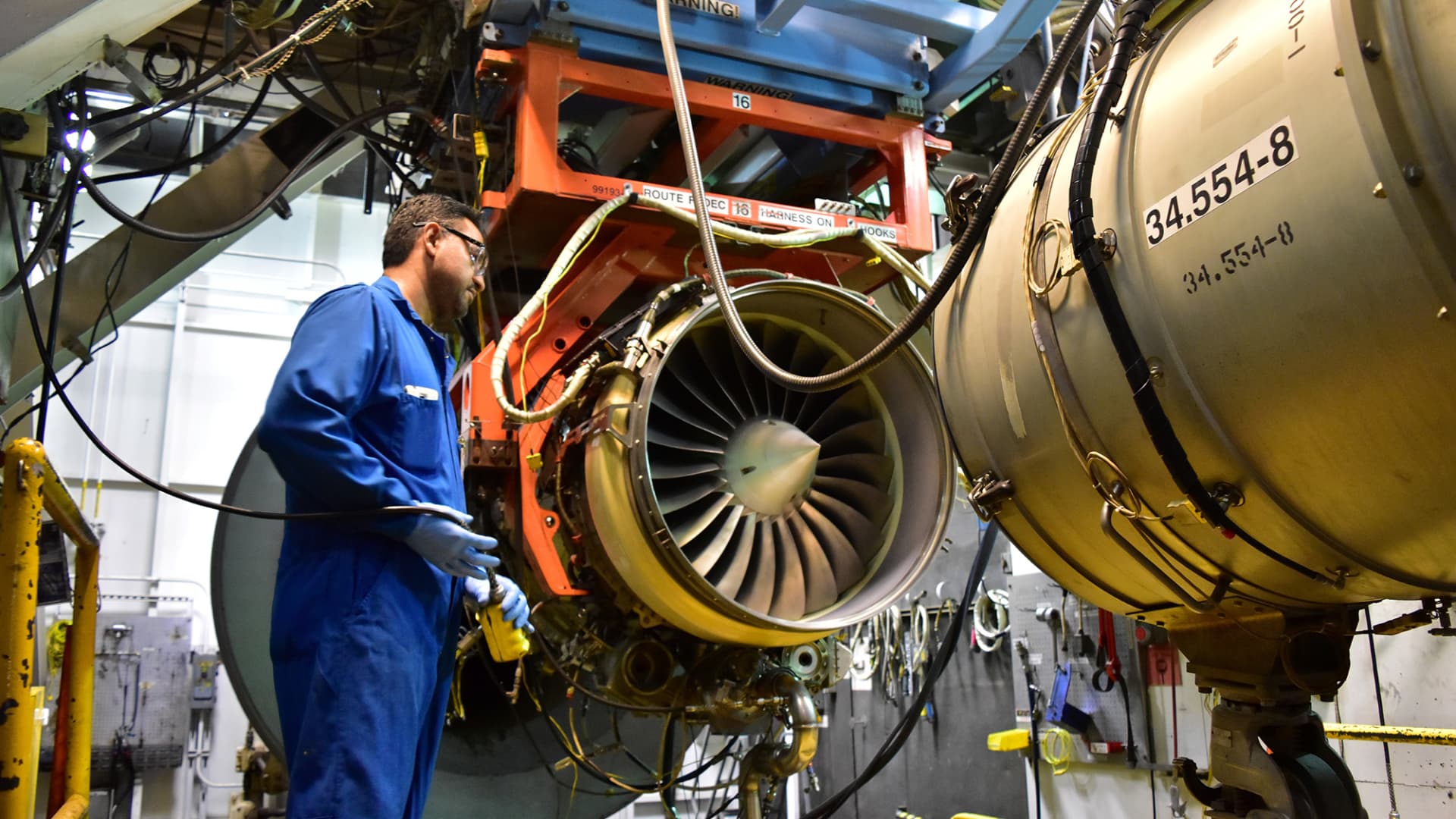
Wall Street Earnings Season Faces Major Test


- Earnings Season Significance: Wall Street is set for a packed earnings season featuring key companies like Capital One and Boeing, with investors eager to glean insights into the economic impact of the Iran war from these reports.
- Capital One Performance Focus: Capital One is scheduled to report earnings on Tuesday, with market attention on its consumer health metrics and the progress of its acquisitions of Discover and Brex, particularly amid rising economic uncertainties.
- Boeing Earnings Outlook: Boeing is expected to release its earnings report on Wednesday, with market focus on order volumes in both its commercial and defense sectors, as well as free cash flow performance, especially after previous unexpected losses.
- GE Vernova Order Growth: GE Vernova will report alongside Boeing, with first-quarter new orders anticipated to reach $14.4 billion, reflecting a 65% year-over-year increase, indicating strong market performance amid rising electricity demand.
See More

US Stocks Surge as Oil Prices Plunge Amid Peace Talks


- Market Rally: The S&P 500 rose 1.20% and the Nasdaq 100 increased by 1.29%, reaching all-time highs, reflecting investor optimism regarding US-Iran peace talks, which may enhance risk appetite in the markets.
- Oil Price Plunge: WTI crude prices fell over 11% to a five-week low after Iran announced the Strait of Hormuz is fully open, easing inflation concerns and causing the 10-year T-note yield to drop 7 basis points to 4.24%.
- Strong Earnings Season: The earnings season started robustly, with 81% of the 48 S&P 500 companies reporting Q1 earnings exceeding estimates, projecting a 12% year-over-year increase in earnings, providing strong support for the stock market.
- Airline Stocks Surge: Airline stocks surged as fuel costs decreased, with Alaska Air Group (ALK) rising over 10% and Royal Caribbean Cruises Ltd (RCL) up more than 7%, indicating market confidence in the recovery of the airline industry.
See More

Wall Street Optimism Rises Amid Ceasefire Hopes


- Market Rebound: The S&P 500 and Nasdaq Composite reached all-time highs this week, with the S&P 500 surpassing 7,100 for the first time, reflecting strong investor confidence in economic recovery and suggesting further upward momentum for equities.
- Earnings Expectations: According to FactSet, the S&P 500 is projected to have a blended growth rate of 12.5% in Q1, with 78% of reporting companies exceeding expectations, providing a positive backdrop for the upcoming earnings season that could further bolster market confidence.
- Oil Price Volatility: While oil prices have fallen to around $80 per barrel, significantly below the $110 peak during the conflict, the market must remain vigilant regarding the potential impacts of U.S.-Iran tensions on global supply chains, particularly concerning the safety of transit through the Strait of Hormuz.
- Technical Fragility: Despite the market's strong short-term performance, analyst Craig Johnson warns that the rapid transition from oversold to overbought conditions masks underlying macroeconomic risks, urging investors to remain cautious and focus on high-quality investment opportunities.
See More
Texas Instruments Successfully Revitalizes Growth
- Growth Revitalization: Texas Instruments has successfully reinvigorated its growth through innovative products and market strategies, showcasing the company's strong adaptability in the highly competitive semiconductor industry.
- Stock Performance: As of the afternoon of April 16, 2026, Texas Instruments' stock price rose by 1.60%, reflecting investor confidence in the company's future growth potential and further solidifying its market position.
- Market Reaction: The video published on April 18, 2026, quickly garnered market attention, indicating the company's effectiveness in communicating its growth strategies and enhancing investor trust.
- Strategic Implications: This growth revitalization not only improves Texas Instruments' financial performance but also provides stronger funding support for future investments and R&D, ensuring the company's continued leadership in technological innovation.
See More
Lattice Collaborates with TI to Simplify Sensor Integration
- Collaborative Innovation: Lattice Semiconductor partners with Texas Instruments (TI) to combine TI's sensing technologies with Lattice's Holoscan Sensor Bridge solution, aiming to simplify sensor integration and scale real-time edge AI systems, thereby advancing robotics and industrial applications.
- Low Latency Data Processing: By integrating TI's mmWave radar with Lattice's low-power FPGA technology, developers can achieve low-latency sensor data pipelines that deliver synchronized sensor data directly into GPU-accessible memory, enhancing perception capabilities for robotics and industrial edge AI applications.
- Market Demand Response: Lattice's VP Raemin Wang emphasizes that as edge AI systems scale, developers require flexible platforms that simplify sensor integration while delivering predictable real-time performance, and this collaboration is designed to meet that market demand.
- Ecosystem Expansion: The ecosystem of Lattice Holoscan solutions is growing through collaborations with industry-leading sensor, compute, and software partners, providing developers with a strong foundation to build scalable, production-ready edge AI systems.
See More
Semiconductor Sector Update: Intel and Texas Instruments Earnings Preview
- Intel Earnings Outlook: Intel anticipates first-quarter revenue of $13.7 billion, down 4% year-over-year, although its data center and AI segment revenue increased by 9% to $4.7 billion, indicating signs of recovery in a key market; however, supply shortages may hinder its turnaround progress.
- Texas Instruments Growth Momentum: Texas Instruments reported first-quarter revenue of $4.4 billion, a 10% year-over-year increase, despite a slight decline in earnings per share to $1.27; its 2025 free cash flow nearly doubled to $2.9 billion, showcasing robust cash generation capabilities.
- AI-Driven Market Shift: Texas Instruments' data center revenue surged approximately 70% year-over-year to $1.5 billion in 2025, with the CEO noting that the data center market has grown for seven consecutive quarters, highlighting the company's rapidly emerging potential in the AI sector.
- Investor Focus: Investors will closely monitor Intel's supply chain recovery and whether Texas Instruments can sustain its AI-driven growth, assessing the long-term prospects for both companies in their respective markets.
See More
Wall Street Earnings Season Faces Major Test
- Earnings Season Significance: Wall Street is set for a packed earnings season featuring key companies like Capital One and Boeing, with investors eager to glean insights into the economic impact of the Iran war from these reports.
- Capital One Performance Focus: Capital One is scheduled to report earnings on Tuesday, with market attention on its consumer health metrics and the progress of its acquisitions of Discover and Brex, particularly amid rising economic uncertainties.
- Boeing Earnings Outlook: Boeing is expected to release its earnings report on Wednesday, with market focus on order volumes in both its commercial and defense sectors, as well as free cash flow performance, especially after previous unexpected losses.
- GE Vernova Order Growth: GE Vernova will report alongside Boeing, with first-quarter new orders anticipated to reach $14.4 billion, reflecting a 65% year-over-year increase, indicating strong market performance amid rising electricity demand.
See More
US Stocks Surge as Oil Prices Plunge Amid Peace Talks
- Market Rally: The S&P 500 rose 1.20% and the Nasdaq 100 increased by 1.29%, reaching all-time highs, reflecting investor optimism regarding US-Iran peace talks, which may enhance risk appetite in the markets.
- Oil Price Plunge: WTI crude prices fell over 11% to a five-week low after Iran announced the Strait of Hormuz is fully open, easing inflation concerns and causing the 10-year T-note yield to drop 7 basis points to 4.24%.
- Strong Earnings Season: The earnings season started robustly, with 81% of the 48 S&P 500 companies reporting Q1 earnings exceeding estimates, projecting a 12% year-over-year increase in earnings, providing strong support for the stock market.
- Airline Stocks Surge: Airline stocks surged as fuel costs decreased, with Alaska Air Group (ALK) rising over 10% and Royal Caribbean Cruises Ltd (RCL) up more than 7%, indicating market confidence in the recovery of the airline industry.
See More
Wall Street Optimism Rises Amid Ceasefire Hopes
- Market Rebound: The S&P 500 and Nasdaq Composite reached all-time highs this week, with the S&P 500 surpassing 7,100 for the first time, reflecting strong investor confidence in economic recovery and suggesting further upward momentum for equities.
- Earnings Expectations: According to FactSet, the S&P 500 is projected to have a blended growth rate of 12.5% in Q1, with 78% of reporting companies exceeding expectations, providing a positive backdrop for the upcoming earnings season that could further bolster market confidence.
- Oil Price Volatility: While oil prices have fallen to around $80 per barrel, significantly below the $110 peak during the conflict, the market must remain vigilant regarding the potential impacts of U.S.-Iran tensions on global supply chains, particularly concerning the safety of transit through the Strait of Hormuz.
- Technical Fragility: Despite the market's strong short-term performance, analyst Craig Johnson warns that the rapid transition from oversold to overbought conditions masks underlying macroeconomic risks, urging investors to remain cautious and focus on high-quality investment opportunities.
See More