Tesla's Strong Finances Amidst Intensifying EV Market Competition
Written by Emily J. Thompson, Senior Investment Analyst
Updated: Mar 06 2026
0mins


Should l Buy TSLA?
Source: NASDAQ.COM
- Tesla Revenue Growth: In fiscal 2025, Tesla generated $94.8 billion in revenue, maintaining a non-GAAP profit of approximately $5.8 billion despite pricing pressures and a softer market, showcasing its robust financial strength and market leadership.
- Autonomous Driving Strategy Expansion: Tesla plans to expand its robotaxi operations into seven additional U.S. cities in the first half of 2026, which, if executed successfully, will significantly broaden its addressable market and drive long-term revenue growth.
- Energy Storage Business Growth: Tesla deployed 46.7 gigawatt-hours of energy storage in fiscal 2025, a 48% year-over-year increase, with energy revenues rising nearly 27% to $12.8 billion, indicating strong growth potential in the renewable energy sector.
- AI and Robotics Initiatives: Tesla is developing its own AI chips and the Optimus humanoid robot to enhance production efficiency and create new revenue streams, reflecting its forward-looking approach in technology innovation and long-term strategic planning.
Trade with 70% Backtested Accuracy
Stop guessing "Should I Buy TSLA?" and start using high-conviction signals backed by rigorous historical data.
Sign up today to access powerful investing tools and make smarter, data-driven decisions.
Analyst Views on TSLA
Wall Street analysts forecast TSLA stock price to rise
30 Analyst Rating
12 Buy
11 Hold
7 Sell
Hold
Current: 391.950

Low
25.28
Averages
401.93
High
600.00
Current: 391.950
Low
25.28
Averages
401.93
High
600.00
About TSLA
Tesla, Inc. designs, develops, manufactures, sells and leases high-performance fully electric vehicles and energy generation and storage systems, and offers services related to its products. Its segments include automotive, and energy generation and storage. The automotive segment includes the design, development, manufacturing, sales and leasing of high-performance fully electric vehicles, and sales of automotive regulatory credits. It also includes sales of used vehicles, non-warranty maintenance services and collisions, part sales, paid supercharging, insurance services revenue and retail merchandise sales. The energy generation and storage segment include the design, manufacture, installation, sales and leasing of solar energy generation and energy storage products and related services and sales of solar energy systems incentives. Its consumer vehicles include the Model 3, Y, S, X and Cybertruck. Its lithium-ion battery energy storage products include Powerwall and Megapack.
About the author

Emily J. Thompson
Emily J. Thompson, a Chartered Financial Analyst (CFA) with 12 years in investment research, graduated with honors from the Wharton School. Specializing in industrial and technology stocks, she provides in-depth analysis for Intellectia’s earnings and market brief reports.

Analysts Advise Caution on Tesla Ahead of Earnings

- Delivery Miss: Tesla produced 408,000 EVs in Q1 but sold only 358,000, missing its delivery target, which may negatively impact investor confidence and lead to stock price volatility.
- Analyst Rating Adjustments: TD Cowen lowered Tesla's price target to $490 per share while maintaining a buy rating, expressing caution about the upcoming earnings report, as the delivery miss could affect market expectations.
- Capital Expenditure Concerns: Barclays analysts worry about Tesla's new 'Terafab' chip venture, estimating costs could rise into the trillions, potentially eroding cash flow and impacting profitability, posing challenges for the company's future growth.
- Sales Growth Expectations: Despite delivery challenges, analysts expect Tesla to achieve a 17% sales growth this quarter, with revenues exceeding $22.6 billion and projected earnings per share of $0.38, representing a 41% increase from last year, providing hope for the company's future.
See More

Tesla Developing Low-Cost SUV Amid European Sales Surge
- European Market Recovery: Tesla's registrations surged in March, with a 160% year-over-year increase in Germany and an astounding 203% in France, indicating a strong recovery in the electric vehicle market that could support a rebound in Tesla's stock price.
- New Model Exploration: Tesla is reportedly exploring the development of a new SUV priced below the Model Y, which, if realized, could open the door to the mass market and significantly boost sales and market share.
- Stock Volatility: Despite Tesla's stock being down 19% year-to-date, investor anticipation is building ahead of the upcoming earnings report, particularly regarding the potential for a European-led recovery in electric vehicle demand.
- Increased Competitive Pressure: With competitors like BYD gaining market share in Europe, Tesla's plan to introduce a budget-friendly SUV could be a crucial factor in maintaining its competitive edge and solidifying its leadership position in the electric vehicle industry.
See More
Intel Appoints Samsung Executive to Lead Foundry Services

- Leadership Change: Intel has appointed Shawn Han, head of Samsung's Foundry business, to lead its Foundry Services, bringing three decades of experience, particularly in sales, which will aid Intel's transformation into a broader fabrication ecosystem.
- Strategic Partnership: This appointment coincides with Intel's strategic partnership with SpaceX, xAI, and Tesla to advance next-generation silicon fabrication technology, highlighting Intel's ambitions in the semiconductor manufacturing sector.
- Foundry Business Push: Intel's foundry business is a key strategic pivot for CEO Lip-Bu Tan, and while it will take time, the company has begun shipping its first products based on the Intel 18A process, indicating progress in advanced manufacturing capabilities.
- Positive Market Reaction: Intel shares have rallied for three consecutive weeks, rising about 5% on Thursday and pushing weekly gains to over 9%, with retail investor sentiment being extremely bullish, predicting the stock could soon hit $100, reflecting confidence in the company's pivot.
See More

US Major Indices Rise in Late Morning Trading on Thursday

- Market Recovery: In late morning trading on Thursday, all three major US stock indices showed gains, reflecting investor optimism about market prospects, although specific gains were not disclosed.
- Improved Investor Sentiment: Influenced by economic data and corporate earnings, investor confidence has rebounded, driving the stock market higher and indicating expectations for future economic growth.
- Increased Trading Activity: As indices rise, market trading activity has noticeably increased, suggesting a positive response from investors to the current market environment, potentially signaling broader investment trends.
- Economic Data Impact: While specific data was not provided, heightened attention to upcoming economic indicators and corporate earnings reports may further influence index movements.
See More
TSMC and ASML Report Strong Earnings but Stocks Decline

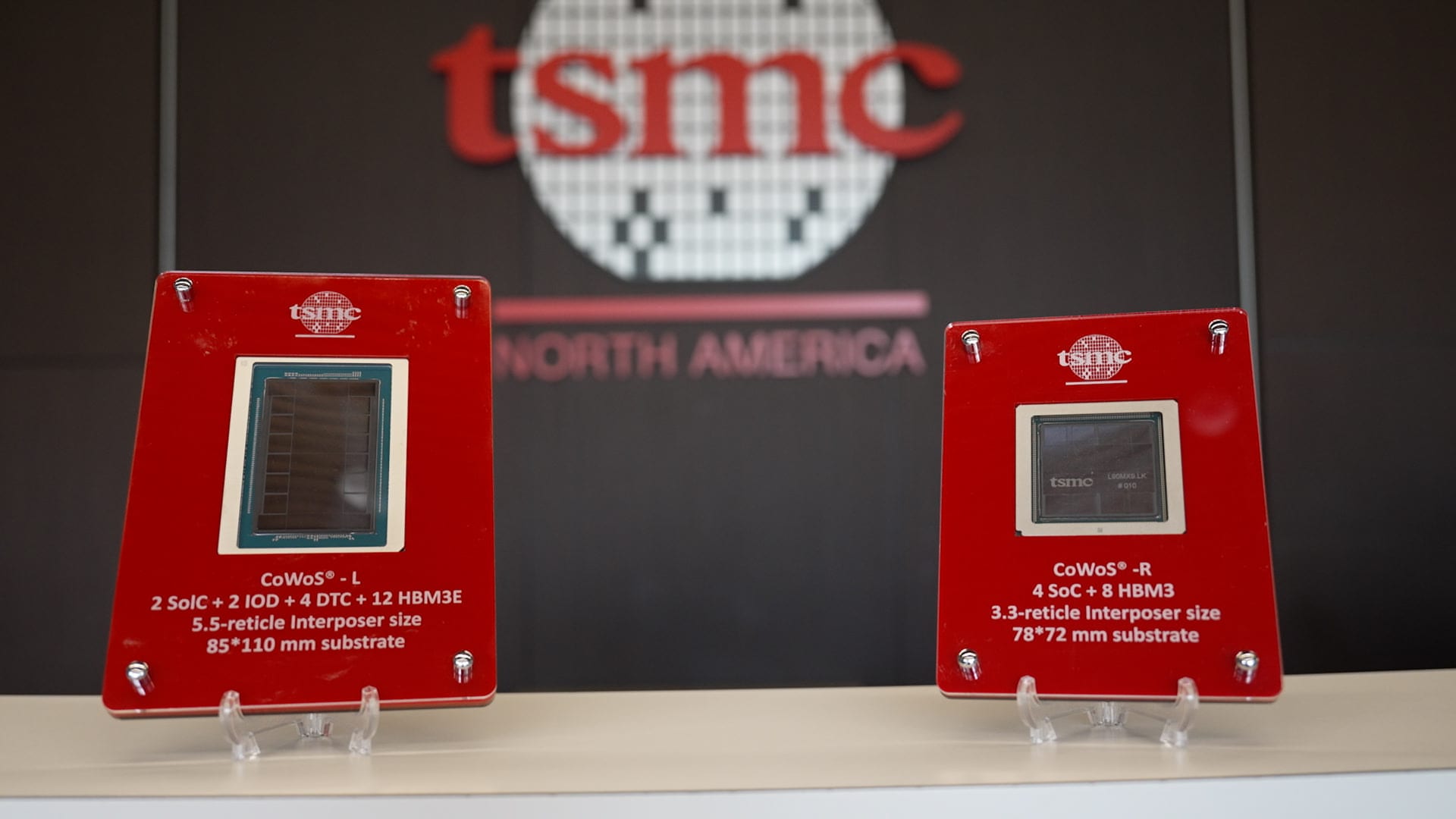
- Record Profits for TSMC: TSMC reported a 58% year-over-year profit increase in Q1, reaching a new high, indicating robust demand for AI chips; however, its stock fell about 2%, reflecting market caution regarding future expectations.
- Rising Revenue from High-Performance Computing: The high-performance computing segment accounted for 61% of TSMC's total revenue in Q1, up from 55% in the previous quarter, highlighting the company's strengthened position in the AI market, despite an 11% decline in smartphone revenue.
- ASML Delivery Expectations: ASML anticipates delivering 80 low numerical aperture EUV machines in 2027, a figure that fell short of market expectations for 90 units, leading to a 3% drop in stock price following the earnings report.
- Increased Capital Expenditure Plans: TSMC expects capital expenditures to reach $52-$56 billion in 2026, significantly up from $40.5 billion in 2025, demonstrating the company's commitment to expanding advanced chip manufacturing capacity, although the market remains cautious about achieving its targeted 30% annual growth.
See More
TSMC and ASML Report Strong Earnings but Stocks Decline
- Strong TSMC Performance: TSMC reported a 58% year-over-year profit increase in Q1, reaching a record level driven by robust demand for AI chips, yet its stock fell about 2%, indicating market concerns over high expectations.
- Revenue Structure Shift: The high-performance computing segment accounted for 61% of TSMC's overall revenue in Q1, up from 55% in the previous quarter, despite an 11% decline in smartphone revenue, highlighting market demand diversity and challenges.
- Cautious ASML Outlook: ASML raised its forward guidance and reported strong Q1 results, but its stock declined due to concerns over shrinking sales to China, reflecting investor caution regarding future growth prospects.
- Capital Expenditure Plans: TSMC expects capital expenditures to reach $52-$56 billion in 2026, significantly up from $40.5 billion in 2025, indicating the company's commitment to expanding advanced chip manufacturing capabilities, but also raising concerns about its ability to scale capacity quickly.
See More
Analysts Advise Caution on Tesla Ahead of Earnings
- Delivery Miss: Tesla produced 408,000 EVs in Q1 but sold only 358,000, missing its delivery target, which may negatively impact investor confidence and lead to stock price volatility.
- Analyst Rating Adjustments: TD Cowen lowered Tesla's price target to $490 per share while maintaining a buy rating, expressing caution about the upcoming earnings report, as the delivery miss could affect market expectations.
- Capital Expenditure Concerns: Barclays analysts worry about Tesla's new 'Terafab' chip venture, estimating costs could rise into the trillions, potentially eroding cash flow and impacting profitability, posing challenges for the company's future growth.
- Sales Growth Expectations: Despite delivery challenges, analysts expect Tesla to achieve a 17% sales growth this quarter, with revenues exceeding $22.6 billion and projected earnings per share of $0.38, representing a 41% increase from last year, providing hope for the company's future.
See More
Tesla Developing Low-Cost SUV Amid European Sales Surge
- European Market Recovery: Tesla's registrations surged in March, with a 160% year-over-year increase in Germany and an astounding 203% in France, indicating a strong recovery in the electric vehicle market that could support a rebound in Tesla's stock price.
- New Model Exploration: Tesla is reportedly exploring the development of a new SUV priced below the Model Y, which, if realized, could open the door to the mass market and significantly boost sales and market share.
- Stock Volatility: Despite Tesla's stock being down 19% year-to-date, investor anticipation is building ahead of the upcoming earnings report, particularly regarding the potential for a European-led recovery in electric vehicle demand.
- Increased Competitive Pressure: With competitors like BYD gaining market share in Europe, Tesla's plan to introduce a budget-friendly SUV could be a crucial factor in maintaining its competitive edge and solidifying its leadership position in the electric vehicle industry.
See More
Intel Appoints Samsung Executive to Lead Foundry Services
- Leadership Change: Intel has appointed Shawn Han, head of Samsung's Foundry business, to lead its Foundry Services, bringing three decades of experience, particularly in sales, which will aid Intel's transformation into a broader fabrication ecosystem.
- Strategic Partnership: This appointment coincides with Intel's strategic partnership with SpaceX, xAI, and Tesla to advance next-generation silicon fabrication technology, highlighting Intel's ambitions in the semiconductor manufacturing sector.
- Foundry Business Push: Intel's foundry business is a key strategic pivot for CEO Lip-Bu Tan, and while it will take time, the company has begun shipping its first products based on the Intel 18A process, indicating progress in advanced manufacturing capabilities.
- Positive Market Reaction: Intel shares have rallied for three consecutive weeks, rising about 5% on Thursday and pushing weekly gains to over 9%, with retail investor sentiment being extremely bullish, predicting the stock could soon hit $100, reflecting confidence in the company's pivot.
See More
US Major Indices Rise in Late Morning Trading on Thursday
- Market Recovery: In late morning trading on Thursday, all three major US stock indices showed gains, reflecting investor optimism about market prospects, although specific gains were not disclosed.
- Improved Investor Sentiment: Influenced by economic data and corporate earnings, investor confidence has rebounded, driving the stock market higher and indicating expectations for future economic growth.
- Increased Trading Activity: As indices rise, market trading activity has noticeably increased, suggesting a positive response from investors to the current market environment, potentially signaling broader investment trends.
- Economic Data Impact: While specific data was not provided, heightened attention to upcoming economic indicators and corporate earnings reports may further influence index movements.
See More
TSMC and ASML Report Strong Earnings but Stocks Decline
- Record Profits for TSMC: TSMC reported a 58% year-over-year profit increase in Q1, reaching a new high, indicating robust demand for AI chips; however, its stock fell about 2%, reflecting market caution regarding future expectations.
- Rising Revenue from High-Performance Computing: The high-performance computing segment accounted for 61% of TSMC's total revenue in Q1, up from 55% in the previous quarter, highlighting the company's strengthened position in the AI market, despite an 11% decline in smartphone revenue.
- ASML Delivery Expectations: ASML anticipates delivering 80 low numerical aperture EUV machines in 2027, a figure that fell short of market expectations for 90 units, leading to a 3% drop in stock price following the earnings report.
- Increased Capital Expenditure Plans: TSMC expects capital expenditures to reach $52-$56 billion in 2026, significantly up from $40.5 billion in 2025, demonstrating the company's commitment to expanding advanced chip manufacturing capacity, although the market remains cautious about achieving its targeted 30% annual growth.
See More
TSMC and ASML Report Strong Earnings but Stocks Decline
- Strong TSMC Performance: TSMC reported a 58% year-over-year profit increase in Q1, reaching a record level driven by robust demand for AI chips, yet its stock fell about 2%, indicating market concerns over high expectations.
- Revenue Structure Shift: The high-performance computing segment accounted for 61% of TSMC's overall revenue in Q1, up from 55% in the previous quarter, despite an 11% decline in smartphone revenue, highlighting market demand diversity and challenges.
- Cautious ASML Outlook: ASML raised its forward guidance and reported strong Q1 results, but its stock declined due to concerns over shrinking sales to China, reflecting investor caution regarding future growth prospects.
- Capital Expenditure Plans: TSMC expects capital expenditures to reach $52-$56 billion in 2026, significantly up from $40.5 billion in 2025, indicating the company's commitment to expanding advanced chip manufacturing capabilities, but also raising concerns about its ability to scale capacity quickly.
See More