Tesla's Robotaxi Rollout Progress Remains Slow
Written by Emily J. Thompson, Senior Investment Analyst
Updated: 1 day ago
0mins


Should l Buy TSLA?
Source: Fool
- Stock Decline Reasons: Tesla's stock has fallen 14.5% this year primarily due to the slow rollout of its robotaxi service, which is currently limited to a small area in Austin, Texas, failing to meet CEO Elon Musk's ambitious rollout expectations.
- Market Potential Remains: Despite current challenges, Tesla's robotaxi service is expected to generate significant revenue once scaled, and investors remain optimistic about its long-term growth potential despite the sluggish rollout.
- Industry Leadership: Tesla commands over 54% market share in the U.S. electric vehicle market and has driven more than 9.2 billion miles on its full self-driving software, showcasing its advantages in market recognition and technological data, further solidifying its leadership position.
- Positive Financial Outlook: Analysts project Tesla will end 2026 with over $28 billion in net cash, even after ramping up capital expenditures for battery development and robotaxi production, indicating strong investment capacity and financial health moving forward.
Trade with 70% Backtested Accuracy
Stop guessing "Should I Buy TSLA?" and start using high-conviction signals backed by rigorous historical data.
Sign up today to access powerful investing tools and make smarter, data-driven decisions.
Analyst Views on TSLA
Wall Street analysts forecast TSLA stock price to rise
30 Analyst Rating
12 Buy
11 Hold
7 Sell
Hold
Current: 388.900

Low
25.28
Averages
401.93
High
600.00
Current: 388.900
Low
25.28
Averages
401.93
High
600.00
About TSLA
Tesla, Inc. designs, develops, manufactures, sells and leases high-performance fully electric vehicles and energy generation and storage systems, and offers services related to its products. Its segments include automotive, and energy generation and storage. The automotive segment includes the design, development, manufacturing, sales and leasing of high-performance fully electric vehicles, and sales of automotive regulatory credits. It also includes sales of used vehicles, non-warranty maintenance services and collisions, part sales, paid supercharging, insurance services revenue and retail merchandise sales. The energy generation and storage segment include the design, manufacture, installation, sales and leasing of solar energy generation and energy storage products and related services and sales of solar energy systems incentives. Its consumer vehicles include the Model 3, Y, S, X and Cybertruck. Its lithium-ion battery energy storage products include Powerwall and Megapack.
About the author

Emily J. Thompson
Emily J. Thompson, a Chartered Financial Analyst (CFA) with 12 years in investment research, graduated with honors from the Wharton School. Specializing in industrial and technology stocks, she provides in-depth analysis for Intellectia’s earnings and market brief reports.
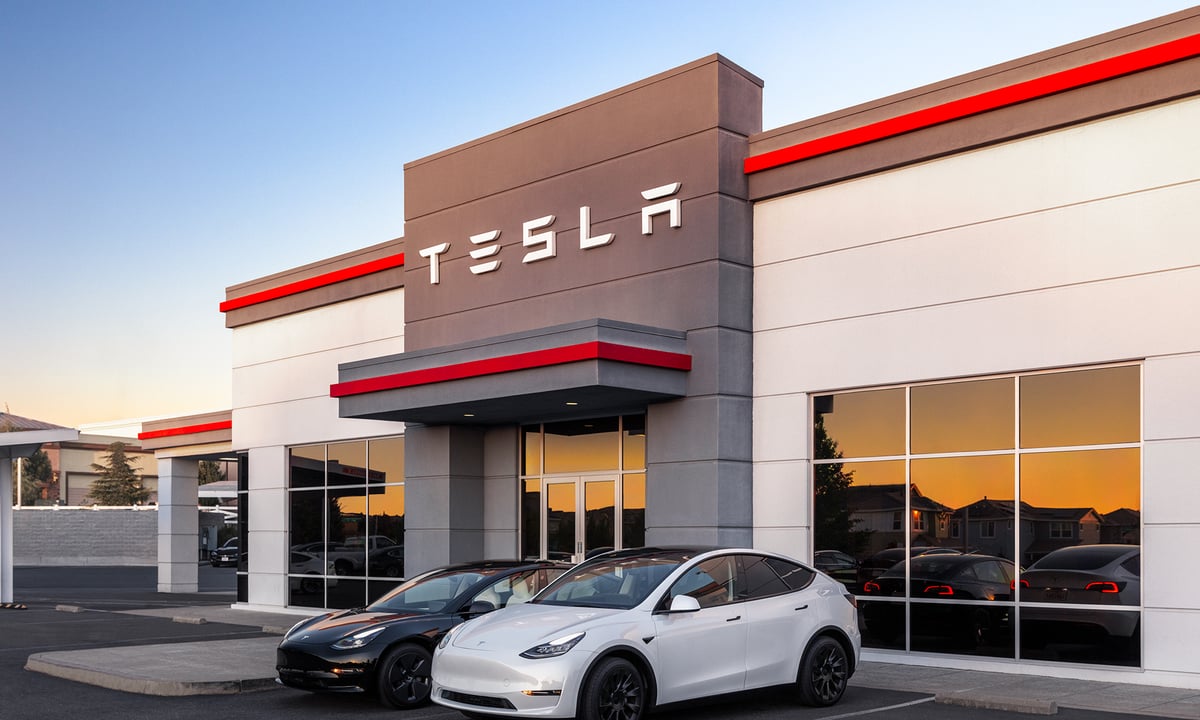
Tesla's Q1 2026 Earnings Preview and Key Focus Areas

- Production and Delivery Data: In Q1 2026, Tesla produced 408,386 vehicles and delivered 358,023, marking the lowest delivery figures in a year and falling short of Wall Street estimates, indicating potential inventory issues that could pressure free cash flow.
- Robotaxi Progress: Tesla's robotaxi fleet is currently operating in Austin and San Francisco, but the planned expansion into seven new cities may be delayed due to safety culture concerns, which could impact future revenue streams significantly.
- Humanoid Robot Production Outlook: Analysts predict Tesla will produce only 5,000 Optimus robots by 2027 and 30,000 by 2030, despite Musk's ambition of reaching one million annually, creating uncertainty in market expectations regarding these initiatives.
- Market Reaction and Risks: Tesla's stock valuation has decreased from nearly 300 times forward earnings to about 191 times, still higher than peers, and investors are cautious about the rollout of robotaxis; any delays could lead to market disappointment and negatively affect stock performance.
See More

Tesla Reportedly Developing All-New Electric SUV Amid Robotaxi Focus
- New Electric SUV Development: Tesla is reportedly developing an all-new, smaller, and more affordable electric SUV, which is expected to be priced significantly lower than the entry-level Model 3 at $34,000, thereby attracting a broader consumer base and enhancing market competitiveness.
- Shift in Production Location: Sources indicate that the SUV may be produced in China, a strategy that would allow Tesla to leverage advancements in electric vehicle technology in the region, further strengthening its competitive edge in the global market.
- Market Adaptability: The new model is designed to be adaptable for both human driving and autonomous driving, suggesting that Tesla may adopt a flexible strategy in the future autonomous vehicle market to meet evolving consumer demands.
- Increased Competitive Pressure: While Tesla has ambitious plans for autonomous driving and robotics, the aging of its traditional vehicle lineup and intense competition from Chinese EV manufacturers may compel Tesla to refocus on its automotive business to maintain its market leadership.
See More

Market Dynamics: The Tug-of-War Between Bonds and Oil Prices


- Bond Market Stability: The slight decline in bond yields indicates a stable market outlook, which helps support the stock market, particularly amid oil price fluctuations, thereby reducing investor panic.
- Tech Stock Recovery: The so-called 'Magnificent Seven' tech companies, including Alphabet and Amazon, are beginning to reap benefits from their previous high expenditures, enhancing market confidence in their future profitability, which could drive further market gains.
- Rise of the AI Economy: The emergence of AI agents is expected to significantly reduce hiring and operational costs for enterprises, driving demand for chips like Nvidia's, which will further boost growth for related companies.
- Improved Investor Sentiment: Despite ongoing market uncertainties, the combination of low bond yields and strong performance from tech stocks fosters an optimistic outlook among investors, potentially attracting more capital into the stock market.
See More
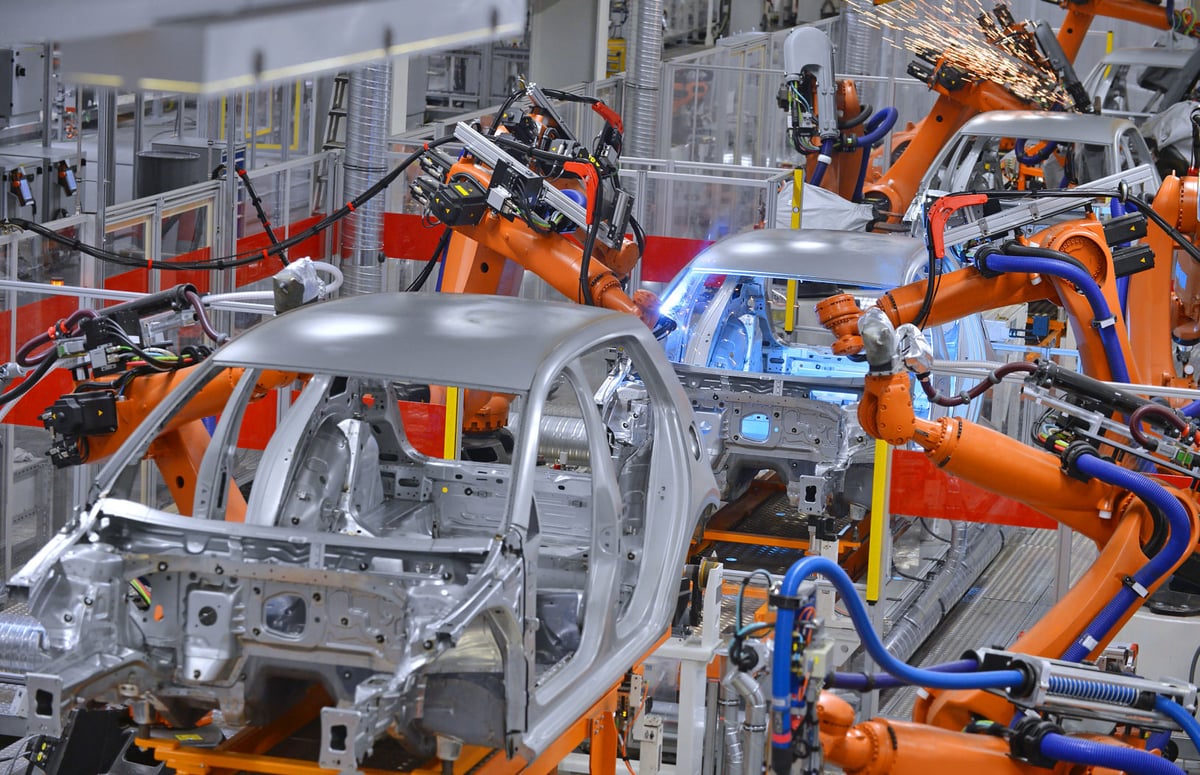
Tesla Reclaims Lead in Electric Vehicle Market
- Delivery Recovery: Tesla delivered 358,023 EVs in Q1, reclaiming its lead over BYD's 310,389 units, although this figure fell short of analysts' expectations of 365,645, highlighting intensifying market competition.
- Market Share Decline: Despite the delivery rebound, Tesla is losing market share both globally and in Europe, particularly against rivals like BYD, indicating a weakening pricing power amid increasing competition.
- Profitability Erosion: Tesla's adjusted EBITDA margins have dropped from nearly 24% in 2022 to below 16% last year, suggesting that investors need to reassess the company's valuation in light of the new competitive landscape affecting its profitability.
- Future Uncertainty: While Musk plans to launch AI robots and self-driving taxis priced under $30,000, investor skepticism remains regarding the feasibility of these timelines, especially as Tesla's core EV business faces growing competition.
See More

Tesla Reclaims Lead in Electric Vehicle Market
- Delivery Recovery: Tesla delivered 358,023 EVs in Q1, surpassing BYD's 310,389, although still falling short of analysts' expectations of 365,645, indicating pressure in market competition.
- Market Share Decline: Despite the delivery rebound, Tesla is losing market share both globally and in Europe, particularly against competitors like BYD, reflecting a weakening pricing power for the company.
- Profitability Erosion: Tesla's adjusted EBITDA margins have dropped from nearly 24% in 2022 to below 16% last year, signaling uncertainty among investors regarding the company's future valuation in a more competitive landscape.
- Strategic Shift Risks: Musk's focus on developing low-cost AI robots instead of enhancing EV price competitiveness may raise investor concerns about Tesla's future profitability and market position.
See More

Microsoft Stock Rebounds, Long-Term Outlook Positive


- Stock Rebound: Since the beginning of April, Microsoft's stock has surged over 14%, although it remains down more than 20% from its all-time high in October 2025, indicating strong market confidence in its long-term value.
- AI Threat Mitigation: By integrating the AI assistant Copilot into its productivity suite, Microsoft demonstrates a robust culture of innovation and strong enterprise relationships, effectively countering potential threats posed by AI and maintaining its core market share.
- Economic Resilience: A significant portion of Microsoft's revenue comes from subscription services, providing strong resilience during economic downturns, while its pricing power allows it to maintain its customer base even amid rising costs, further solidifying its market position.
- Reasonable Valuation: Despite the recent stock price increase, Microsoft's forward P/E ratio remains lower than the average of the
See More
Tesla's Q1 2026 Earnings Preview and Key Focus Areas
- Production and Delivery Data: In Q1 2026, Tesla produced 408,386 vehicles and delivered 358,023, marking the lowest delivery figures in a year and falling short of Wall Street estimates, indicating potential inventory issues that could pressure free cash flow.
- Robotaxi Progress: Tesla's robotaxi fleet is currently operating in Austin and San Francisco, but the planned expansion into seven new cities may be delayed due to safety culture concerns, which could impact future revenue streams significantly.
- Humanoid Robot Production Outlook: Analysts predict Tesla will produce only 5,000 Optimus robots by 2027 and 30,000 by 2030, despite Musk's ambition of reaching one million annually, creating uncertainty in market expectations regarding these initiatives.
- Market Reaction and Risks: Tesla's stock valuation has decreased from nearly 300 times forward earnings to about 191 times, still higher than peers, and investors are cautious about the rollout of robotaxis; any delays could lead to market disappointment and negatively affect stock performance.
See More
Tesla Reportedly Developing All-New Electric SUV Amid Robotaxi Focus
- New Electric SUV Development: Tesla is reportedly developing an all-new, smaller, and more affordable electric SUV, which is expected to be priced significantly lower than the entry-level Model 3 at $34,000, thereby attracting a broader consumer base and enhancing market competitiveness.
- Shift in Production Location: Sources indicate that the SUV may be produced in China, a strategy that would allow Tesla to leverage advancements in electric vehicle technology in the region, further strengthening its competitive edge in the global market.
- Market Adaptability: The new model is designed to be adaptable for both human driving and autonomous driving, suggesting that Tesla may adopt a flexible strategy in the future autonomous vehicle market to meet evolving consumer demands.
- Increased Competitive Pressure: While Tesla has ambitious plans for autonomous driving and robotics, the aging of its traditional vehicle lineup and intense competition from Chinese EV manufacturers may compel Tesla to refocus on its automotive business to maintain its market leadership.
See More
Market Dynamics: The Tug-of-War Between Bonds and Oil Prices
- Bond Market Stability: The slight decline in bond yields indicates a stable market outlook, which helps support the stock market, particularly amid oil price fluctuations, thereby reducing investor panic.
- Tech Stock Recovery: The so-called 'Magnificent Seven' tech companies, including Alphabet and Amazon, are beginning to reap benefits from their previous high expenditures, enhancing market confidence in their future profitability, which could drive further market gains.
- Rise of the AI Economy: The emergence of AI agents is expected to significantly reduce hiring and operational costs for enterprises, driving demand for chips like Nvidia's, which will further boost growth for related companies.
- Improved Investor Sentiment: Despite ongoing market uncertainties, the combination of low bond yields and strong performance from tech stocks fosters an optimistic outlook among investors, potentially attracting more capital into the stock market.
See More
Tesla Reclaims Lead in Electric Vehicle Market
- Delivery Recovery: Tesla delivered 358,023 EVs in Q1, reclaiming its lead over BYD's 310,389 units, although this figure fell short of analysts' expectations of 365,645, highlighting intensifying market competition.
- Market Share Decline: Despite the delivery rebound, Tesla is losing market share both globally and in Europe, particularly against rivals like BYD, indicating a weakening pricing power amid increasing competition.
- Profitability Erosion: Tesla's adjusted EBITDA margins have dropped from nearly 24% in 2022 to below 16% last year, suggesting that investors need to reassess the company's valuation in light of the new competitive landscape affecting its profitability.
- Future Uncertainty: While Musk plans to launch AI robots and self-driving taxis priced under $30,000, investor skepticism remains regarding the feasibility of these timelines, especially as Tesla's core EV business faces growing competition.
See More
Tesla Reclaims Lead in Electric Vehicle Market
- Delivery Recovery: Tesla delivered 358,023 EVs in Q1, surpassing BYD's 310,389, although still falling short of analysts' expectations of 365,645, indicating pressure in market competition.
- Market Share Decline: Despite the delivery rebound, Tesla is losing market share both globally and in Europe, particularly against competitors like BYD, reflecting a weakening pricing power for the company.
- Profitability Erosion: Tesla's adjusted EBITDA margins have dropped from nearly 24% in 2022 to below 16% last year, signaling uncertainty among investors regarding the company's future valuation in a more competitive landscape.
- Strategic Shift Risks: Musk's focus on developing low-cost AI robots instead of enhancing EV price competitiveness may raise investor concerns about Tesla's future profitability and market position.
See More
Microsoft Stock Rebounds, Long-Term Outlook Positive
- Stock Rebound: Since the beginning of April, Microsoft's stock has surged over 14%, although it remains down more than 20% from its all-time high in October 2025, indicating strong market confidence in its long-term value.
- AI Threat Mitigation: By integrating the AI assistant Copilot into its productivity suite, Microsoft demonstrates a robust culture of innovation and strong enterprise relationships, effectively countering potential threats posed by AI and maintaining its core market share.
- Economic Resilience: A significant portion of Microsoft's revenue comes from subscription services, providing strong resilience during economic downturns, while its pricing power allows it to maintain its customer base even amid rising costs, further solidifying its market position.
- Reasonable Valuation: Despite the recent stock price increase, Microsoft's forward P/E ratio remains lower than the average of the
See More