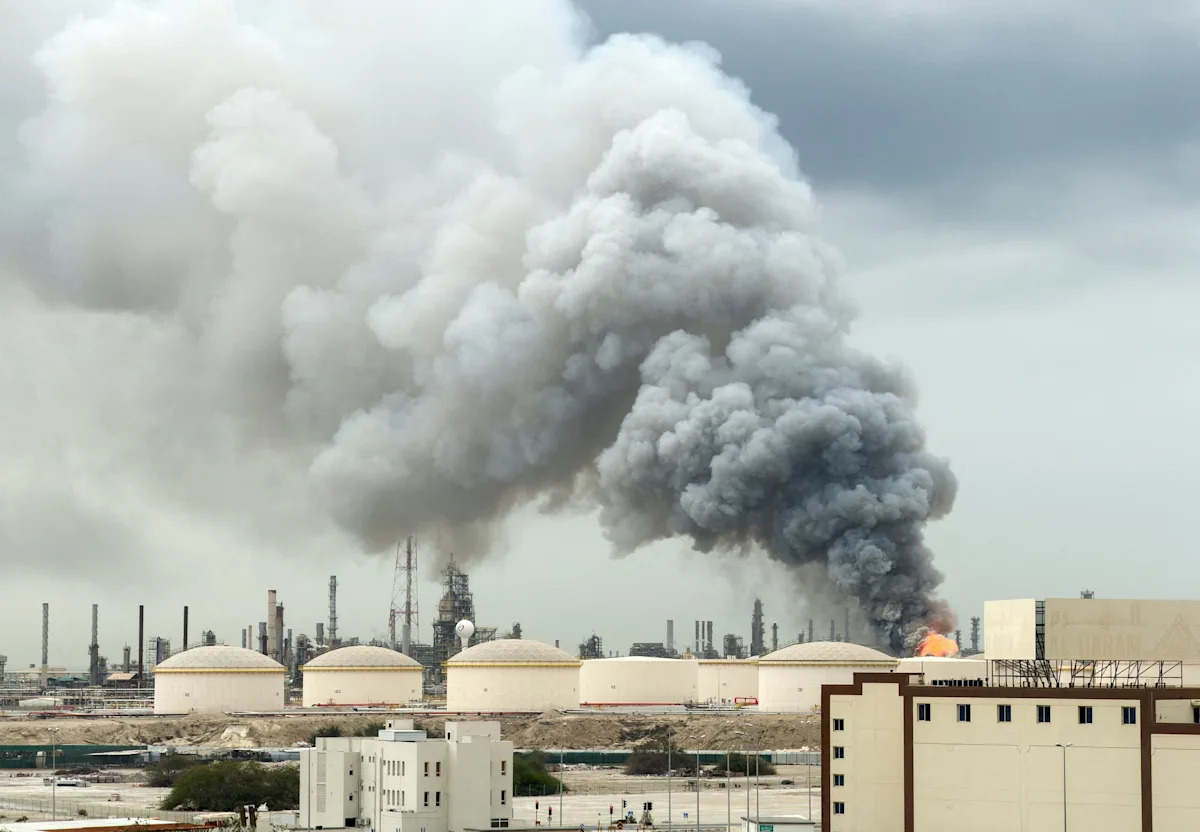
Surge in U.S. Fuel Prices Impacts Economy
Written by Emily J. Thompson, Senior Investment Analyst
Updated: 4 days ago
0mins
Should l Buy JBLU?
Source: CNBC
- Profit Margin Squeeze: The ongoing U.S.-Iran war has driven diesel prices to historic highs, causing College Hunks Hauling Junk's operating costs to rise from a historical 3-5% to 6-10%, severely compressing profit margins and forcing the company into a pricing dilemma.
- Consumer Spending Constraints: Rising fuel prices are impacting discretionary spending, with economists noting that consumers are likely to cut back on non-essential items first, which could slow overall economic growth and put more pressure on small businesses.
- Airlines Adjust Pricing: Major airlines like United Airlines and JetBlue have begun raising baggage fees to cope with rising operating costs, reflecting the flexibility of larger companies in adjusting prices, while smaller businesses face greater survival pressures.
- Policy Response Limitations: The Federal Reserve has not indicated a willingness to lower interest rates to stimulate the economy, with market expectations leaning towards potential rate hikes, further increasing financing costs for businesses and consumers and exacerbating economic uncertainty.
Trade with 70% Backtested Accuracy
Stop guessing "Should I Buy JBLU?" and start using high-conviction signals backed by rigorous historical data.
Sign up today to access powerful investing tools and make smarter, data-driven decisions.
Analyst Views on JBLU
Wall Street analysts forecast JBLU stock price to rise
10 Analyst Rating
0 Buy
5 Hold
5 Sell
Moderate Sell
Current: 4.550

Low
3.50
Averages
4.69
High
7.00
Current: 4.550
Low
3.50
Averages
4.69
High
7.00
About JBLU
JetBlue Airways Corporation provides air transportation services across the United States, Latin America, the Caribbean, Canada, and Europe. The Company operates five types of aircraft, including Airbus A220, Airbus A320, Airbus A321, Airbus A321neo, and Embraer E190. Its inflight entertainment system onboards its aircraft with free live TV on select routes and premium movie channel offerings from JetBlue Features. Its entire fleet is equipped with Fly-Fi, a broadband product that allows gate-to-gate Wi-Fi at every seat. Customers also have access to the Fly-Fi Hub, a content portal where customers can access a wide range of additional content from their own personal devices. Its customers can purchase one of five branded fares: Blue Basic, Blue, Blue Plus, Blue Extra, and Mint, its premium service. It also sells vacation packages through its subsidiary, JetBlue Travel Products, LLC, which offers one-stop, value-priced vacation services for self-directed packaged travel planning.
About the author

Emily J. Thompson
Emily J. Thompson, a Chartered Financial Analyst (CFA) with 12 years in investment research, graduated with honors from the Wharton School. Specializing in industrial and technology stocks, she provides in-depth analysis for Intellectia’s earnings and market brief reports.

JetBlue Introduces New Credit Card Benefits for Premier Members
- New Benefits Launch: JetBlue announces enhancements to its Premier World Elite Mastercard®, including companion pass and TrueBlue Travel statement credits, aimed at improving travel experiences for cardmembers without increasing the annual fee.
- Companion Pass Rewards: Cardmembers can earn a companion pass worth up to $500 after spending $15,000 annually, and an additional pass worth $1,500 after $75,000 in spending, further incentivizing high spending.
- Status Acceleration Mechanism: Cardmembers will receive a 25-tile bonus at the beginning of each calendar year, helping them reach Mosaic 1 status faster and enjoy more premium services, thereby enhancing customer loyalty.
- Travel Credit Enhancement: Cardmembers can earn up to $300 in annual statement credits when using TrueBlue Travel, along with a 15% rebate on TrueBlue points during flight redemptions, significantly increasing the value of their points.
See More

Airlines Raise Fares Amid Rising Jet Fuel Costs

- Fare Increases: As of March 30, average economy fares for international flights have risen to $998, up 29% from $774 on February 23, reflecting airlines' need to raise prices in response to rising fuel costs due to the Iran war, directly impacting budget-conscious travelers' choices.
- Fuel Surcharges: Jet fuel prices have nearly doubled since the onset of the war, reaching $4.81 per gallon, prompting airlines to implement fuel surcharges that could increase one-way fares by an average of $50, or about 17%, further straining consumers' budgets.
- Flight Reductions: United Airlines plans to cut flights on Tuesdays and Wednesdays during Q2 and Q3, and while flights will still be available, the reduced schedule will likely lead to increased demand for fewer seats, significantly impacting price-sensitive travelers.
- Importance of Flexibility: Experts recommend that travelers remain flexible with their travel dates and destinations to find competitive fares in a high-price environment, particularly by flying on non-peak days like Tuesdays and Wednesdays, and avoiding peak travel seasons to reduce costs.
See More

Trump Announces Two-Week Ceasefire with Iran, Boosting Market Futures


- Market Reaction Positive: Following Trump's announcement of a two-week ceasefire with Iran, stock futures surged, with S&P 500 futures up over 1,300 points, indicating strong market optimism regarding reduced geopolitical risks.
- Oil Prices Plummet: Brent crude futures fell more than 13% and U.S. West Texas Intermediate futures dropped over 16% after the ceasefire news, alleviating fuel cost pressures for airlines and transportation sectors.
- Delta Airlines Adjusts Capacity: Delta Airlines scaled back its capacity growth plans due to soaring fuel costs, yet reported first-quarter earnings that exceeded Wall Street expectations, resulting in a stock price increase of over 12%, reflecting market confidence in its strategic response.
- Strong Demand in Used Car Market: Despite rising gas prices, Cox Automotive reported a 6.2% year-over-year increase in used vehicle prices in March, with inventory dropping below 40 days, indicating robust consumer demand and market resilience.
See More
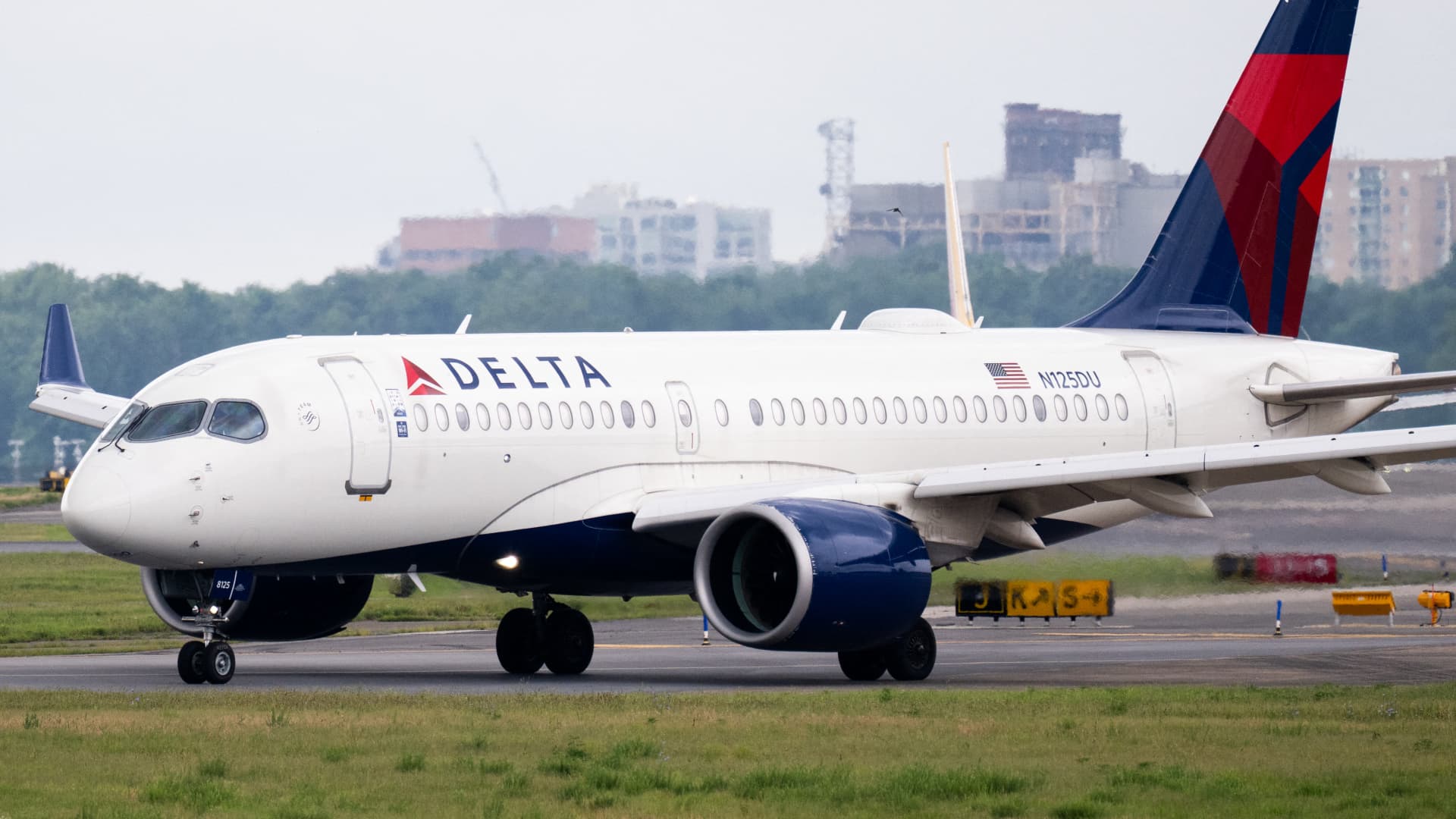
Airline Stocks Surge as Oil Prices Drop Following Ceasefire Agreement

- Delta Air Lines Strong Performance: Delta's shares surged 12% due to significant oil price declines following a U.S. ceasefire agreement, although the airline's second-quarter guidance fell short of analyst expectations, its first-quarter results exceeded forecasts, indicating market resilience.
- Levi Strauss Revenue Growth: Levi Strauss shares rose over 9% after reporting first-quarter revenue and earnings beats, with direct-to-consumer sales making up half of revenue for the first time, boosting confidence in future performance as the company raised its full-year earnings guidance.
- Energy Stocks Decline: Energy stocks fell broadly as oil prices dropped below $100 per barrel, with APA shedding over 9%, and Occidental Petroleum and Diamondback Energy both down about 7%, reflecting growing market concerns over energy demand.
- Travel Stocks Rebound: As oil prices fell, fears of demand destruction eased, leading to a surge in travel stocks, with United Airlines jumping over 10% and Southwest Airlines rising 9%, indicating signs of recovery in the travel sector.
See More
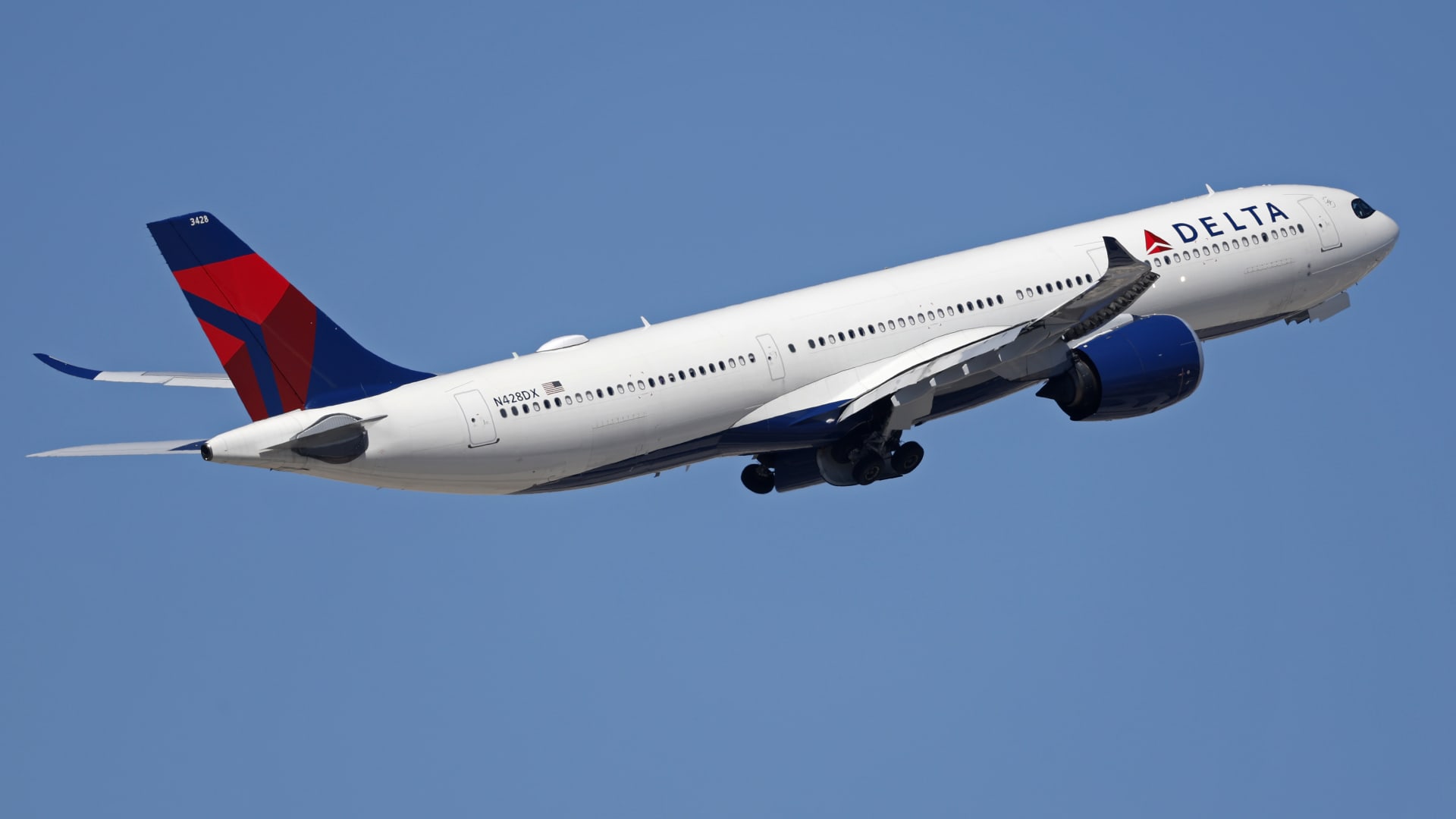
Delta Air Lines Adjusts Capacity Amid Rising Fuel Costs
- Capacity Growth Adjustment: Delta Air Lines CEO Ed Bastian announced a
See More

Delta Air Lines Cuts Capacity Growth Plans Amid Rising Fuel Costs

- Capacity Growth Adjustment: Delta Air Lines announced a 'meaningful reduction' in its near-term capacity growth plans due to soaring fuel costs linked to the Middle East conflict, forecasting flat capacity year-over-year, which may lead to higher airfares and impact overall market competitiveness.
- First Quarter Performance Beats Expectations: Delta reported adjusted earnings of 64 cents per share for the first quarter, exceeding analysts' expectations of 57 cents, with revenue reaching $14.2 billion, up over 9% year-over-year, indicating strong demand despite cost pressures.
- Fuel Cost Projections: Delta expects second-quarter fuel costs to hit $4.30 per gallon, with CEO stating that while fuel price uncertainty remains, the refinery it owns will provide a $300 million profit boost, enhancing its competitive edge in the industry.
- Strong Demand for Premium Products: Delta's premium ticket revenue rose 14% year-over-year in the first quarter, reflecting sustained consumer demand for high-end travel products, even as overall capacity fell by 3%, with investments in fleet renewal increasing the proportion of premium seats.
See More
JetBlue Introduces New Credit Card Benefits for Premier Members
- New Benefits Launch: JetBlue announces enhancements to its Premier World Elite Mastercard®, including companion pass and TrueBlue Travel statement credits, aimed at improving travel experiences for cardmembers without increasing the annual fee.
- Companion Pass Rewards: Cardmembers can earn a companion pass worth up to $500 after spending $15,000 annually, and an additional pass worth $1,500 after $75,000 in spending, further incentivizing high spending.
- Status Acceleration Mechanism: Cardmembers will receive a 25-tile bonus at the beginning of each calendar year, helping them reach Mosaic 1 status faster and enjoy more premium services, thereby enhancing customer loyalty.
- Travel Credit Enhancement: Cardmembers can earn up to $300 in annual statement credits when using TrueBlue Travel, along with a 15% rebate on TrueBlue points during flight redemptions, significantly increasing the value of their points.
See More
Airlines Raise Fares Amid Rising Jet Fuel Costs
- Fare Increases: As of March 30, average economy fares for international flights have risen to $998, up 29% from $774 on February 23, reflecting airlines' need to raise prices in response to rising fuel costs due to the Iran war, directly impacting budget-conscious travelers' choices.
- Fuel Surcharges: Jet fuel prices have nearly doubled since the onset of the war, reaching $4.81 per gallon, prompting airlines to implement fuel surcharges that could increase one-way fares by an average of $50, or about 17%, further straining consumers' budgets.
- Flight Reductions: United Airlines plans to cut flights on Tuesdays and Wednesdays during Q2 and Q3, and while flights will still be available, the reduced schedule will likely lead to increased demand for fewer seats, significantly impacting price-sensitive travelers.
- Importance of Flexibility: Experts recommend that travelers remain flexible with their travel dates and destinations to find competitive fares in a high-price environment, particularly by flying on non-peak days like Tuesdays and Wednesdays, and avoiding peak travel seasons to reduce costs.
See More
Trump Announces Two-Week Ceasefire with Iran, Boosting Market Futures
- Market Reaction Positive: Following Trump's announcement of a two-week ceasefire with Iran, stock futures surged, with S&P 500 futures up over 1,300 points, indicating strong market optimism regarding reduced geopolitical risks.
- Oil Prices Plummet: Brent crude futures fell more than 13% and U.S. West Texas Intermediate futures dropped over 16% after the ceasefire news, alleviating fuel cost pressures for airlines and transportation sectors.
- Delta Airlines Adjusts Capacity: Delta Airlines scaled back its capacity growth plans due to soaring fuel costs, yet reported first-quarter earnings that exceeded Wall Street expectations, resulting in a stock price increase of over 12%, reflecting market confidence in its strategic response.
- Strong Demand in Used Car Market: Despite rising gas prices, Cox Automotive reported a 6.2% year-over-year increase in used vehicle prices in March, with inventory dropping below 40 days, indicating robust consumer demand and market resilience.
See More
Airline Stocks Surge as Oil Prices Drop Following Ceasefire Agreement
- Delta Air Lines Strong Performance: Delta's shares surged 12% due to significant oil price declines following a U.S. ceasefire agreement, although the airline's second-quarter guidance fell short of analyst expectations, its first-quarter results exceeded forecasts, indicating market resilience.
- Levi Strauss Revenue Growth: Levi Strauss shares rose over 9% after reporting first-quarter revenue and earnings beats, with direct-to-consumer sales making up half of revenue for the first time, boosting confidence in future performance as the company raised its full-year earnings guidance.
- Energy Stocks Decline: Energy stocks fell broadly as oil prices dropped below $100 per barrel, with APA shedding over 9%, and Occidental Petroleum and Diamondback Energy both down about 7%, reflecting growing market concerns over energy demand.
- Travel Stocks Rebound: As oil prices fell, fears of demand destruction eased, leading to a surge in travel stocks, with United Airlines jumping over 10% and Southwest Airlines rising 9%, indicating signs of recovery in the travel sector.
See More
Delta Air Lines Adjusts Capacity Amid Rising Fuel Costs
- Capacity Growth Adjustment: Delta Air Lines CEO Ed Bastian announced a
See More
Delta Air Lines Cuts Capacity Growth Plans Amid Rising Fuel Costs
- Capacity Growth Adjustment: Delta Air Lines announced a 'meaningful reduction' in its near-term capacity growth plans due to soaring fuel costs linked to the Middle East conflict, forecasting flat capacity year-over-year, which may lead to higher airfares and impact overall market competitiveness.
- First Quarter Performance Beats Expectations: Delta reported adjusted earnings of 64 cents per share for the first quarter, exceeding analysts' expectations of 57 cents, with revenue reaching $14.2 billion, up over 9% year-over-year, indicating strong demand despite cost pressures.
- Fuel Cost Projections: Delta expects second-quarter fuel costs to hit $4.30 per gallon, with CEO stating that while fuel price uncertainty remains, the refinery it owns will provide a $300 million profit boost, enhancing its competitive edge in the industry.
- Strong Demand for Premium Products: Delta's premium ticket revenue rose 14% year-over-year in the first quarter, reflecting sustained consumer demand for high-end travel products, even as overall capacity fell by 3%, with investments in fleet renewal increasing the proportion of premium seats.
See More