Surge in Options Volume for JBTM and V Corp
Written by Emily J. Thompson, Senior Investment Analyst
Updated: Feb 23 2026
0mins

Should l Buy MA?
Source: NASDAQ.COM
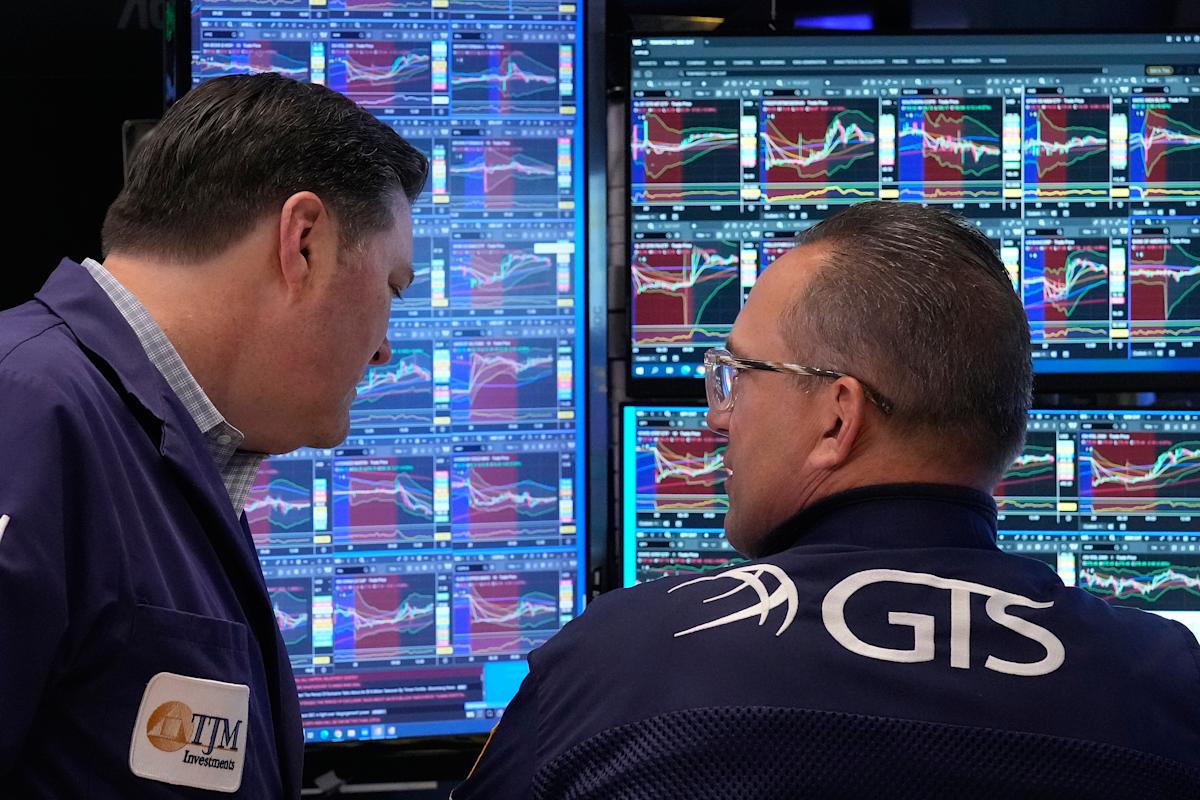
- JBTM Options Volume: Today, JBTM's options volume reached 2,563 contracts, representing approximately 256,300 shares, which accounts for 56.1% of its average daily trading volume of 457,030 shares over the past month, indicating a significant increase in market interest.
- High Call Option Activity: Within JBTM, the $165 strike call option has seen particularly high activity, with 863 contracts traded today, equating to about 86,300 shares, reflecting investor optimism regarding future price increases.
- Visa Options Volume: Concurrently, Visa Inc's options volume has hit 43,881 contracts, representing approximately 4.4 million shares, which is 53.7% of its average daily trading volume of 8.2 million shares over the past month, showcasing strong investor interest in the company.
- High Put Option Activity: For Visa, the $270 strike put option has recorded a trading volume of 5,336 contracts, approximately 533,600 shares, indicating a degree of caution among investors regarding potential future price declines.
Trade with 70% Backtested Accuracy
Stop guessing "Should I Buy MA?" and start using high-conviction signals backed by rigorous historical data.
Sign up today to access powerful investing tools and make smarter, data-driven decisions.
Analyst Views on MA
Wall Street analysts forecast MA stock price to rise
28 Analyst Rating
25 Buy
3 Hold
0 Sell
Strong Buy
Current: 516.650

Low
500.00
Averages
660.00
High
739.00
Current: 516.650
Low
500.00
Averages
660.00
High
739.00
About MA
Mastercard Incorporated is a technology company in the global payments industry. The Company connects consumers, financial institutions, merchants, governments, digital partners, businesses and other organizations worldwide by enabling electronic payments and making those payment transactions secure and accessible. It provides a range of payment solutions and services using its brands, including Mastercard, Maestro and Cirrus. It operates a payments network that provides choice and flexibility for consumers, merchants and its customers. Through its proprietary global payments network, it switches (authorizes, clears and settles) payment transactions. Its additional payments capabilities include automated clearing house (ACH) transactions (both batch and real-time account-based payments). It offers security solutions, consumer acquisition and engagement, business and market insights, gateway, processing and open banking, among other services and solutions.
About the author

Emily J. Thompson
Emily J. Thompson, a Chartered Financial Analyst (CFA) with 12 years in investment research, graduated with honors from the Wharton School. Specializing in industrial and technology stocks, she provides in-depth analysis for Intellectia’s earnings and market brief reports.

New Phase of Digital Payments in Latin America

- Digital User Growth: In Latin America and the Caribbean, 89% of consumers are now digital users, marking a significant milestone in financial and digital evolution, indicating the region's potential for enhanced financial inclusion and future economic growth.
- Debit Card Dominance: With 60% of consumers using debit cards for daily transactions, particularly in high-frequency categories like groceries (34%) and dining (33%), debit has emerged as a key tool driving digital lifestyles and facilitating everyday transactions.
- Security and Trust: Among digital users, 95% emphasize the importance of security when choosing payment methods, with 43% stating that enhanced security features would increase their likelihood of using digital payments, highlighting trust and security as critical factors for widespread adoption.
- Future Commitment: Mastercard has committed to connecting and protecting 500 million people and small businesses by 2030, emphasizing the importance of expanding digital payment acceptance and providing secure, frictionless payment experiences to foster economic participation and inclusion across the region.
See More
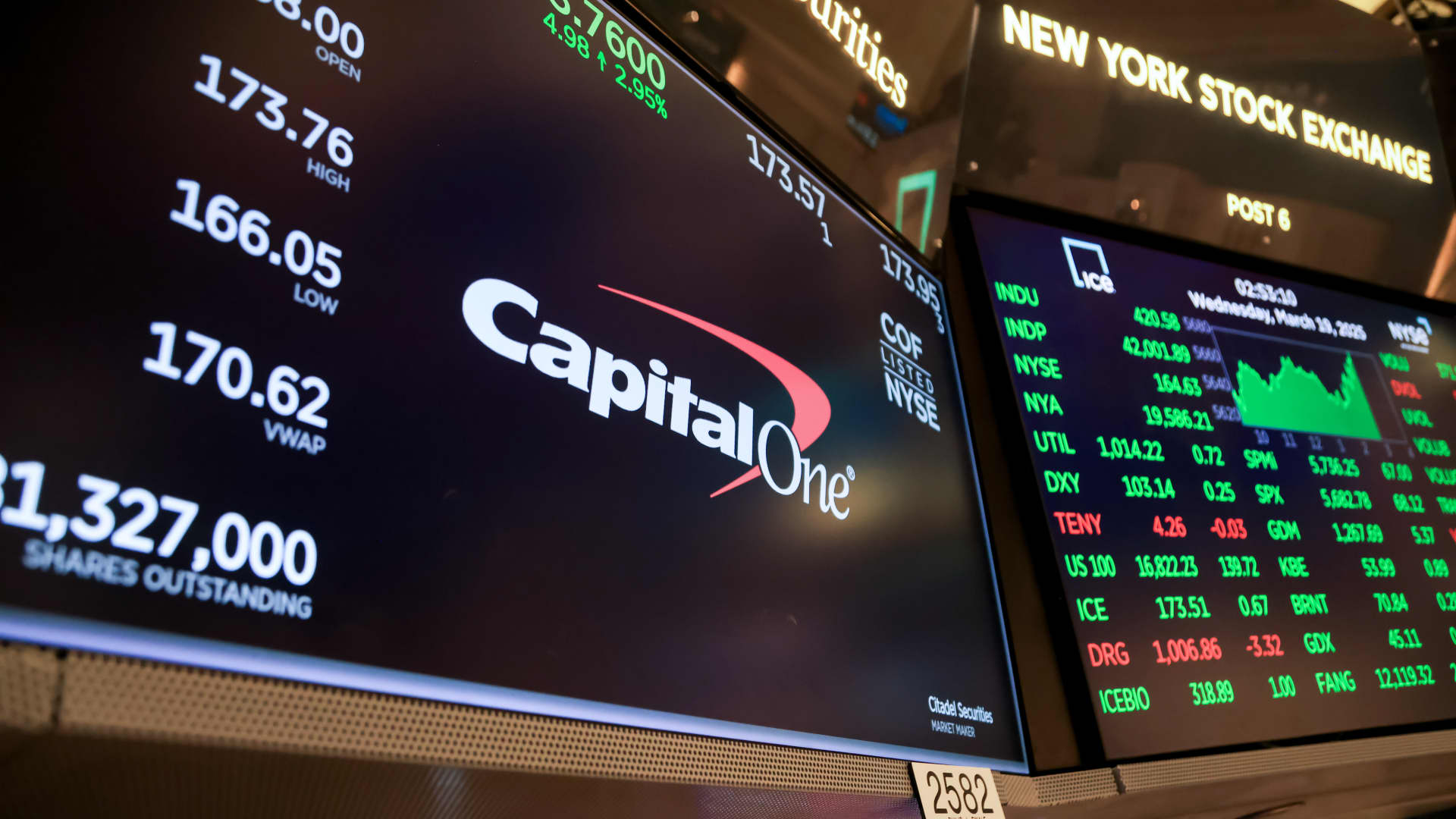
Capital One Reports Noisy Q1 Earnings Miss


- Weak Revenue Growth: Capital One's Q1 revenue increased 52% year-over-year to $15.23 billion, missing the $15.36 billion analyst consensus, indicating challenges in revenue growth that could impact future investor confidence.
- Adjusted EPS Decline: Adjusted earnings per share rose 15% year-over-year to $4.42, falling short of the $4.55 estimate, marking the second consecutive quarter of earnings misses and reflecting pressure on the company's profitability.
- Expense Management Issues: Non-interest expenses totaled $8.46 billion, exceeding the $8.3 billion analyst expectation, including approximately $893 million in one-time acquisition-related costs, although adjusted expenses were $7.58 billion, highlighting cost challenges during the integration process.
- Increased Credit Loss Reserves: Provisions for credit losses amounted to about $4.1 billion, slightly above expectations, primarily driven by the auto lending business, although management noted that consumer credit quality remains strong, with potential future impacts from rising energy prices.
See More

Analysis of Investment Value in Financial Companies
- Berkshire Hathaway's Cash Flow Advantage: Berkshire Hathaway generated $19.8 billion from its insurance operations last year, accounting for nearly 30% of total profits, and its cash reserve of $373 billion provides flexibility for acquisitions and stock buybacks, highlighting its strong potential for diversified investments.
- American Express's Brand Competitiveness: American Express operates a closed-loop payment network, processing payments while holding credit card loans and collecting interest, attracting a high-income customer base that enhances stability during economic fluctuations, with over 65% of new customers coming from millennials and Gen Z.
- Progressive's Profitability: As one of the largest auto insurers in the U.S., Progressive has maintained an average combined ratio of 92% over the past 20 years, significantly below the industry average of 99%, demonstrating its accurate risk pricing ability, with a net income of $11.3 billion last year and a special dividend of $13.50 per share.
- Industry Growth Potential: As the economy grows, financial companies like Berkshire, American Express, and Progressive continue to offer attractive opportunities for long-term investors due to their strong competitive advantages and stable cash flows, making them essential components of a diversified investment portfolio.
See More
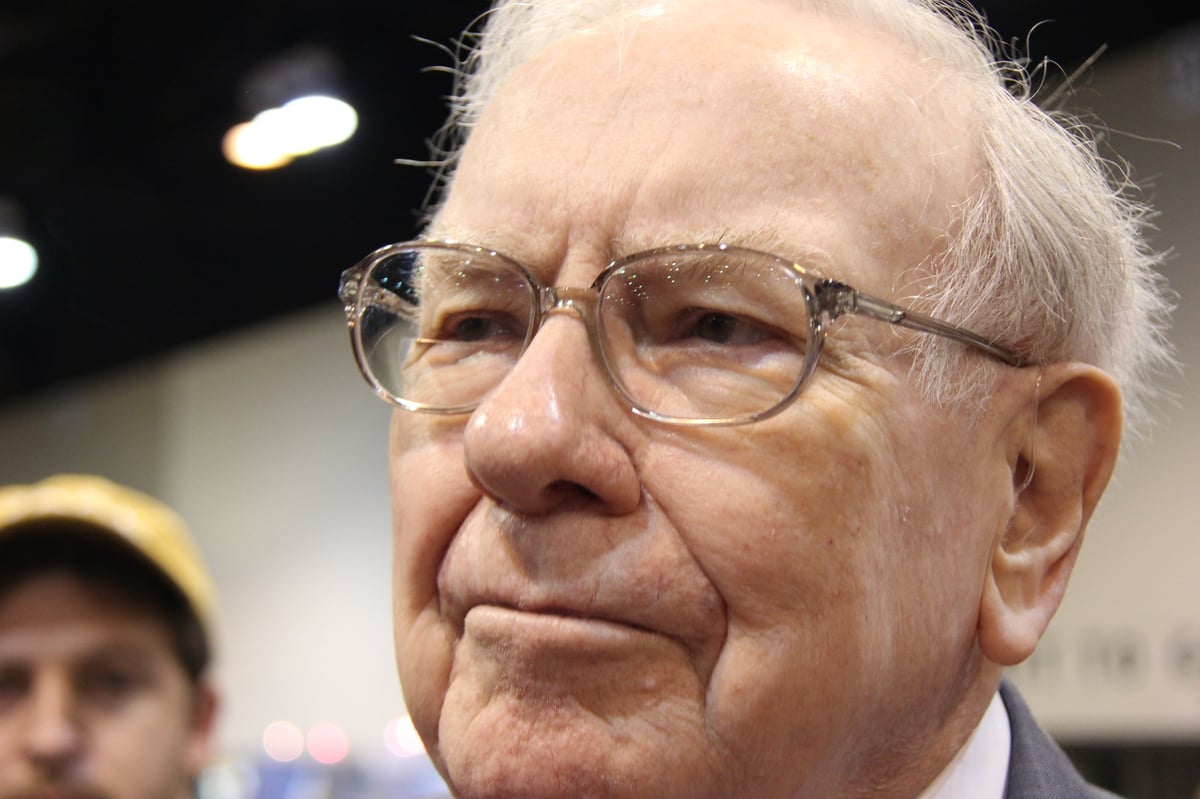
Buffett Retires, Abel Takes Over as CEO of Berkshire Hathaway


- Leadership Transition: Warren Buffett retired on December 31, 2025, with Greg Abel stepping in to manage Berkshire Hathaway's $320 billion investment portfolio, marking a significant new era for the company.
- Investment Concentration: Abel's portfolio is heavily weighted, with 10 core holdings accounting for nearly 79% of assets, including Apple at $60 billion, highlighting the company's focus on high-quality assets and long-term growth potential.
- Sustainable Competitive Advantages: Among the 20 billion-dollar investments Abel oversees, many companies like Visa and Sirius XM operate as legal monopolies, ensuring stable revenue streams and risk resilience, reflecting Berkshire's investment strategy.
- Smaller Holdings Adjustment: Abel also manages 18 relatively smaller investments, with significant reductions like the 77% cut in Amazon's stake, indicating a focus on optimizing the portfolio and potentially paving the way for future trading opportunities.
See More

Warren Buffett Retires, Greg Abel Takes Over as CEO of Berkshire Hathaway
- Leadership Transition: Warren Buffett retired as CEO on December 31, 2025, with Greg Abel taking over the management of a $320 billion investment portfolio, marking a new era for Berkshire Hathaway, although Buffett remains as chairman of the board.
- Investment Philosophy Continuity: Abel shares a similar investment philosophy with Buffett, emphasizing value investing and sustainable competitive advantages, particularly by allocating a significant portion of the company's capital to their best ideas.
- Core Holdings Concentration: The ten core positions account for nearly 79% of Berkshire's invested assets, all of which pay dividends and engage in share repurchases, demonstrating strong capital return capabilities, with Abel's management style reflected in these choices.
- Smaller Investment Dynamics: Abel oversees 18 smaller holdings ranging from $5 million to approximately $692 million, many of which are being reduced or removed from the portfolio, indicating a dynamic adjustment strategy in response to market conditions.
See More
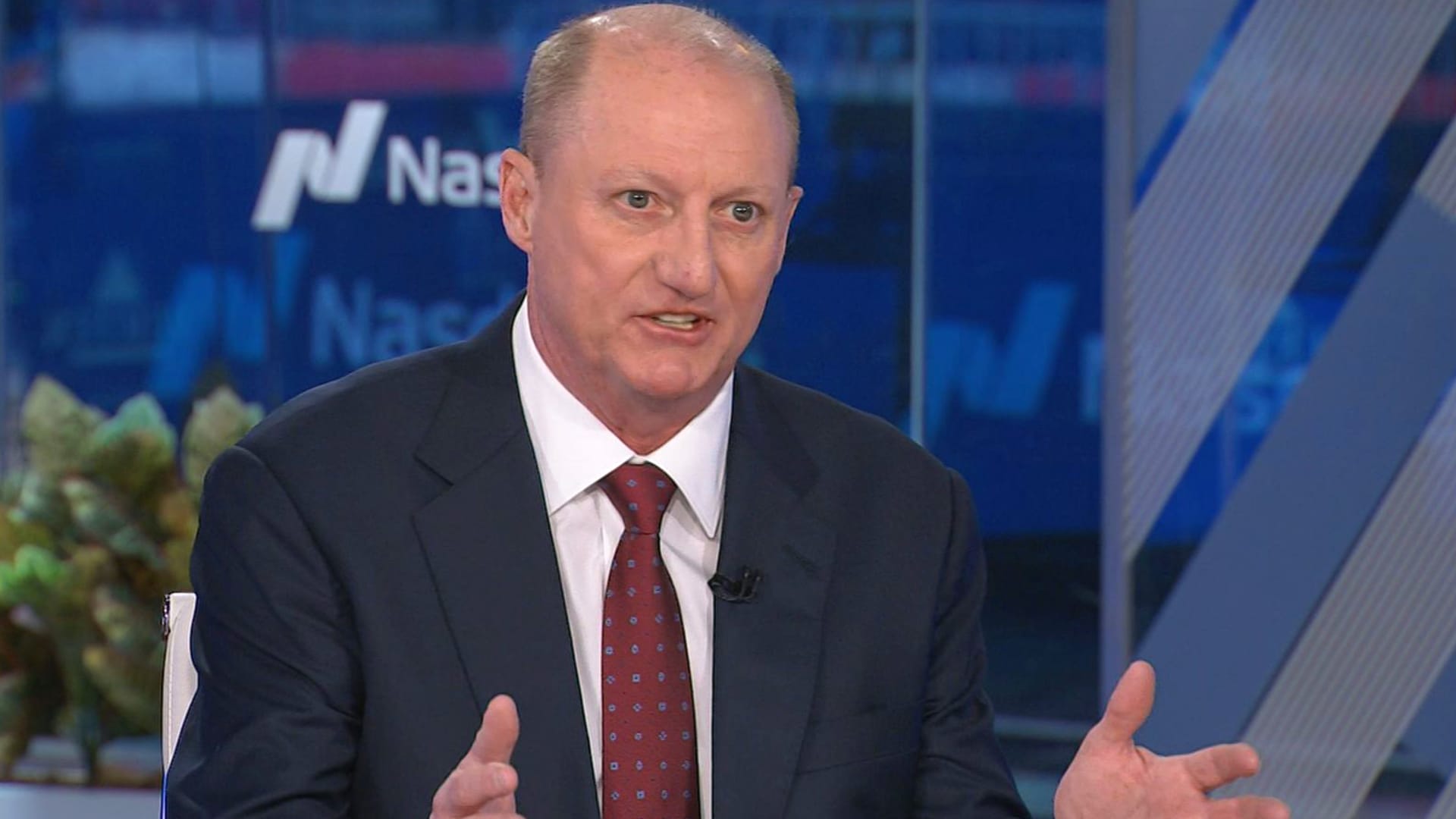
Abel Reshapes Berkshire Hathaway's Investment Portfolio
- Portfolio Restructuring: New CEO Greg Abel is swiftly reshaping Berkshire Hathaway's investment portfolio by selling stocks associated with former manager Todd Combs, demonstrating his control over the approximately $300 billion portfolio.
- Management Changes: Following Combs' departure at the end of 2025, Abel is unlikely to replace him, with Ted Weschler continuing to manage about 6% of the portfolio, indicating a preference for maintaining the existing management structure.
- Core Holdings Strategy: In his annual letter, Abel emphasized a focus on core holdings such as Apple, American Express, Coca-Cola, and Moody's, which are expected to compound value over decades, reflecting a long-term investment strategy.
- Amazon Stake Reduction: Berkshire nearly eliminated 80% of its stake in Amazon in Q4 2025, with market speculation linking this decision to Combs' investment style, raising further questions about the company's investment direction.
See More
New Phase of Digital Payments in Latin America
- Digital User Growth: In Latin America and the Caribbean, 89% of consumers are now digital users, marking a significant milestone in financial and digital evolution, indicating the region's potential for enhanced financial inclusion and future economic growth.
- Debit Card Dominance: With 60% of consumers using debit cards for daily transactions, particularly in high-frequency categories like groceries (34%) and dining (33%), debit has emerged as a key tool driving digital lifestyles and facilitating everyday transactions.
- Security and Trust: Among digital users, 95% emphasize the importance of security when choosing payment methods, with 43% stating that enhanced security features would increase their likelihood of using digital payments, highlighting trust and security as critical factors for widespread adoption.
- Future Commitment: Mastercard has committed to connecting and protecting 500 million people and small businesses by 2030, emphasizing the importance of expanding digital payment acceptance and providing secure, frictionless payment experiences to foster economic participation and inclusion across the region.
See More
Capital One Reports Noisy Q1 Earnings Miss
- Weak Revenue Growth: Capital One's Q1 revenue increased 52% year-over-year to $15.23 billion, missing the $15.36 billion analyst consensus, indicating challenges in revenue growth that could impact future investor confidence.
- Adjusted EPS Decline: Adjusted earnings per share rose 15% year-over-year to $4.42, falling short of the $4.55 estimate, marking the second consecutive quarter of earnings misses and reflecting pressure on the company's profitability.
- Expense Management Issues: Non-interest expenses totaled $8.46 billion, exceeding the $8.3 billion analyst expectation, including approximately $893 million in one-time acquisition-related costs, although adjusted expenses were $7.58 billion, highlighting cost challenges during the integration process.
- Increased Credit Loss Reserves: Provisions for credit losses amounted to about $4.1 billion, slightly above expectations, primarily driven by the auto lending business, although management noted that consumer credit quality remains strong, with potential future impacts from rising energy prices.
See More
Analysis of Investment Value in Financial Companies
- Berkshire Hathaway's Cash Flow Advantage: Berkshire Hathaway generated $19.8 billion from its insurance operations last year, accounting for nearly 30% of total profits, and its cash reserve of $373 billion provides flexibility for acquisitions and stock buybacks, highlighting its strong potential for diversified investments.
- American Express's Brand Competitiveness: American Express operates a closed-loop payment network, processing payments while holding credit card loans and collecting interest, attracting a high-income customer base that enhances stability during economic fluctuations, with over 65% of new customers coming from millennials and Gen Z.
- Progressive's Profitability: As one of the largest auto insurers in the U.S., Progressive has maintained an average combined ratio of 92% over the past 20 years, significantly below the industry average of 99%, demonstrating its accurate risk pricing ability, with a net income of $11.3 billion last year and a special dividend of $13.50 per share.
- Industry Growth Potential: As the economy grows, financial companies like Berkshire, American Express, and Progressive continue to offer attractive opportunities for long-term investors due to their strong competitive advantages and stable cash flows, making them essential components of a diversified investment portfolio.
See More
Buffett Retires, Abel Takes Over as CEO of Berkshire Hathaway
- Leadership Transition: Warren Buffett retired on December 31, 2025, with Greg Abel stepping in to manage Berkshire Hathaway's $320 billion investment portfolio, marking a significant new era for the company.
- Investment Concentration: Abel's portfolio is heavily weighted, with 10 core holdings accounting for nearly 79% of assets, including Apple at $60 billion, highlighting the company's focus on high-quality assets and long-term growth potential.
- Sustainable Competitive Advantages: Among the 20 billion-dollar investments Abel oversees, many companies like Visa and Sirius XM operate as legal monopolies, ensuring stable revenue streams and risk resilience, reflecting Berkshire's investment strategy.
- Smaller Holdings Adjustment: Abel also manages 18 relatively smaller investments, with significant reductions like the 77% cut in Amazon's stake, indicating a focus on optimizing the portfolio and potentially paving the way for future trading opportunities.
See More
Warren Buffett Retires, Greg Abel Takes Over as CEO of Berkshire Hathaway
- Leadership Transition: Warren Buffett retired as CEO on December 31, 2025, with Greg Abel taking over the management of a $320 billion investment portfolio, marking a new era for Berkshire Hathaway, although Buffett remains as chairman of the board.
- Investment Philosophy Continuity: Abel shares a similar investment philosophy with Buffett, emphasizing value investing and sustainable competitive advantages, particularly by allocating a significant portion of the company's capital to their best ideas.
- Core Holdings Concentration: The ten core positions account for nearly 79% of Berkshire's invested assets, all of which pay dividends and engage in share repurchases, demonstrating strong capital return capabilities, with Abel's management style reflected in these choices.
- Smaller Investment Dynamics: Abel oversees 18 smaller holdings ranging from $5 million to approximately $692 million, many of which are being reduced or removed from the portfolio, indicating a dynamic adjustment strategy in response to market conditions.
See More
Abel Reshapes Berkshire Hathaway's Investment Portfolio
- Portfolio Restructuring: New CEO Greg Abel is swiftly reshaping Berkshire Hathaway's investment portfolio by selling stocks associated with former manager Todd Combs, demonstrating his control over the approximately $300 billion portfolio.
- Management Changes: Following Combs' departure at the end of 2025, Abel is unlikely to replace him, with Ted Weschler continuing to manage about 6% of the portfolio, indicating a preference for maintaining the existing management structure.
- Core Holdings Strategy: In his annual letter, Abel emphasized a focus on core holdings such as Apple, American Express, Coca-Cola, and Moody's, which are expected to compound value over decades, reflecting a long-term investment strategy.
- Amazon Stake Reduction: Berkshire nearly eliminated 80% of its stake in Amazon in Q4 2025, with market speculation linking this decision to Combs' investment style, raising further questions about the company's investment direction.
See More