Surge in Defense Tech Investments Amid Geopolitical Tensions
Written by Emily J. Thompson, Senior Investment Analyst
Updated: 3 days ago
0mins


Should l Buy ORCL?
Source: CNBC
- Significant Investment Growth: According to Dealroom, defense tech funding was only $869 million globally in 2020, but is projected to surge to $11.2 billion by 2025, reflecting a more than tenfold increase driven by rising geopolitical tensions and demand for defense technologies.
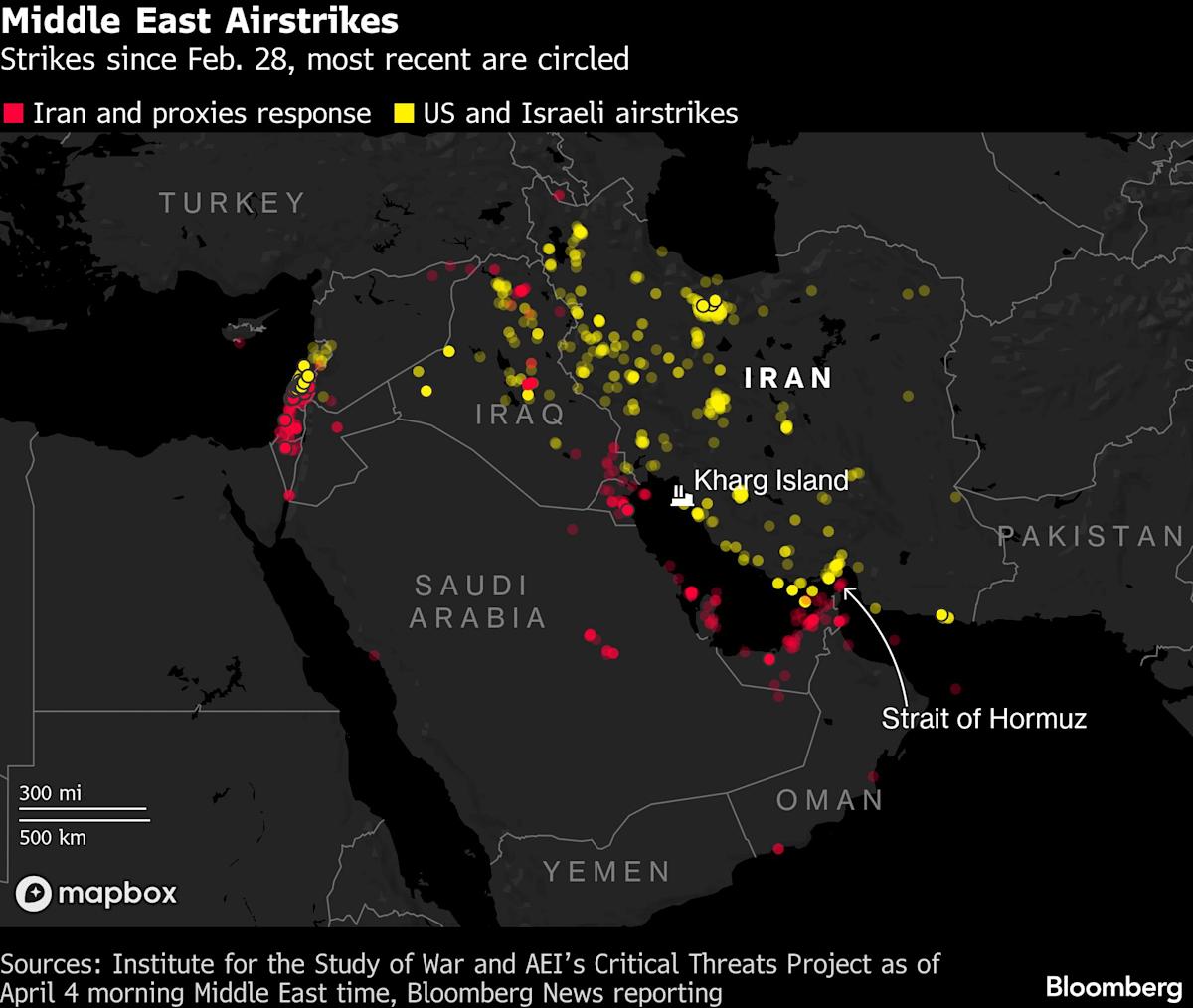
- Rising Demand: Since the end of February, following U.S. and Israeli military actions against Iran, defense tech startups have reported a significant uptick in demand from Department of Defense customers, with many clients offering to buy out capacity or requesting increased production, indicating a pressing market need for new technologies.
- Opportunities in the Middle East: As conflicts escalate, defense tech startups in Europe and the U.S. are accelerating commercial discussions with Middle Eastern governments, particularly as interest from Gulf states skyrockets, highlighting urgent needs for defenses against drone and missile attacks.
- Human Resource Expansion: In response to the Iran war, European-headquartered defense startups are set to increase staffing in the Middle East, with Estonian startup Frankenburg and Ukrainian-UK Uforce both indicating plans to ramp up hiring in the region to meet the surging market demand.
Trade with 70% Backtested Accuracy
Stop guessing "Should I Buy ORCL?" and start using high-conviction signals backed by rigorous historical data.
Sign up today to access powerful investing tools and make smarter, data-driven decisions.
Analyst Views on ORCL
Wall Street analysts forecast ORCL stock price to rise
34 Analyst Rating
25 Buy
9 Hold
0 Sell
Moderate Buy
Current: 146.380

Low
180.00
Averages
309.59
High
400.00
Current: 146.380
Low
180.00
Averages
309.59
High
400.00
About ORCL
Oracle Corporation offers integrated suites of applications plus secure, autonomous infrastructure in the Oracle Cloud. The Company operates through three businesses: cloud and license, hardware and service. Its cloud and license business is engaged in the sale, marketing and delivery of its enterprise applications and infrastructure technologies through cloud and on-premise deployment models including its cloud services and license support offerings, and its cloud license and on-premise license offerings. Its hardware business provides infrastructure technologies including Oracle Engineered Systems, servers, storage, industry-specific hardware, operating systems, virtualization, management and other hardware-related software to support diverse IT environments. Its services business provides services to customers and partners to help maximize the performance of their investments in Oracle applications and infrastructure technologies.
About the author

Emily J. Thompson
Emily J. Thompson, a Chartered Financial Analyst (CFA) with 12 years in investment research, graduated with honors from the Wharton School. Specializing in industrial and technology stocks, she provides in-depth analysis for Intellectia’s earnings and market brief reports.

Oracle's AI Investments Trigger Stock Price Decline

- Stock Decline: Oracle's shares have fallen over 24% in 2026, primarily due to investor concerns regarding its aggressive AI investments, particularly plans to raise up to $50 billion in debt and equity, which could lead to a significant increase in company debt and potentially negative free cash flow in the coming years.
- Performance Growth: As of the third quarter of fiscal 2026, Oracle's remaining performance obligations reached nearly $553 billion, up 325% year over year, indicating strong demand for AI infrastructure, with management stating that they are scaling primarily to meet contracted demand rather than speculative capacity, thereby reducing balance sheet risk.
- Revenue Surge: Total revenue rose 22% year over year to $17.2 billion in the third quarter, while cloud revenue soared 44% to $8.9 billion, reflecting robust enterprise demand for Oracle's multi-cloud database, which grew by 531% year over year, enhancing the company's competitive position in the market.
- Strategic Transformation: Oracle is gradually evolving from a traditional enterprise software provider to a full-stack AI infrastructure company, and despite the high risks involved, if it can successfully execute its strategy, the recent stock price decline may present an attractive entry point for long-term investors.
See More

Trump's Pressure on Iran Influences Market Reactions


- Escalating Threats: Trump reiterated threats against Iran, demanding the reopening of the Strait of Hormuz by 8 p.m. ET Tuesday or face attacks on its infrastructure, potentially increasing market uncertainty.
- Cautious Market Response: Despite Trump's threats causing a slight rise in oil prices, the S&P 500 rose for the fourth consecutive day as investors weighed the possibility of de-escalation, indicating cautious optimism in the market.
- AI Momentum: Broadcom's expanded chip partnership with Google and Anthropic underscores strong demand for AI infrastructure, becoming a key market driver that may influence the performance of related tech stocks.
- Field Observation Report: Citrini Research sent an analyst to the Strait of Hormuz, discovering that despite tensions, around 15 ships are still passing daily, suggesting that the critical oil artery's transport activity is not completely halted, which could affect market expectations for oil prices.
See More

China's AI Job Market Remains Relatively Stable Amid U.S. Layoffs


- Job Market Status: While U.S. tech giants like Oracle undergo massive layoffs, China's AI job market remains relatively stable, supported by a national employment goal of around 5.5% urban unemployment, which limits local companies' layoffs.
- Salary Disparities: According to Zhilian, the average monthly salary for high-demand algorithm engineers is 20,035 yuan (about $2,900), which, while decent in China, is nearly ten times less than salaries in Silicon Valley, highlighting significant wage differences between the two markets.
- Cultural and Work Practices: Unlike the U.S. trend towards remote work, Chinese companies prefer in-office attendance, and engineers in China often handle a broader range of tasks, making them less susceptible to AI replacement, reflecting structural differences in the job markets.
- AI Impact and Policy: Despite Alibaba reporting a headcount drop of over 30% due to business adjustments, Tencent's employee count increased last year, indicating varied responses among Chinese firms to AI transitions, while policymakers must balance technological innovation support with youth unemployment control.
See More

Oracle Appoints New CFO to Address Cloud Business Growth
- Leadership Change: Oracle's appointment of Hilary Maxson as the new CFO underscores the increasing significance of its Cloud Infrastructure unit to the company's overall health, particularly amid ongoing resource and power constraint challenges.
- Financial Performance: In March, Oracle reported cloud revenue of $8.9 billion, a 44% year-over-year increase that surpassed the $8.84 billion estimate, highlighting the robust growth potential of its cloud business.
- Strategic Shift: New CFO Maxson, who joins from Schneider Electric, will report directly to CEO Clay Magouyrk, indicating a strategic emphasis on the development of the cloud business at the executive level.
- Market Outlook: Analysts maintain a Sector Perform rating on Oracle with a price target of $160, reflecting a cautiously optimistic view of the company's future growth prospects.
See More

Oracle's Layoffs Spark Controversy Over Foreign Hiring
- Layoffs and Foreign Hiring: Oracle has laid off thousands of employees as part of its restructuring while still applying for H-1B visas to hire foreign workers, which has sparked public backlash, particularly among those recently unemployed who may perceive the company as firing locally while hiring elsewhere.
- Complex Background: Although some visa applications are for hard-to-fill positions or renewals, this explanation has not alleviated anger, especially in the tech sector already grappling with significant layoffs and rising concerns about AI's impact on the job market.
- Increased Industry Anxiety: This situation is not just about Oracle; it highlights a broader anxiety within the tech industry regarding companies rapidly adjusting their workforce while employees struggle to adapt, potentially leading to a wider trust crisis.
- Investor Concerns: For investors, the focus is not solely on the layoffs themselves but on how companies manage these transitions without damaging employee morale, corporate reputation, or trust, which will directly impact long-term performance and market confidence.
See More
Oracle Corporation Faces Class Action Lawsuit
- Lawsuit Background: Bronstein, Gewirtz & Grossman LLC has filed a class action lawsuit against Oracle Corporation and certain officers, alleging violations of federal securities laws on behalf of all investors who purchased Oracle securities between June 12, 2025, and December 16, 2025.
- Allegations: The complaint claims that Oracle failed to disclose that its AI infrastructure strategy would lead to significant increases in capital expenditures without corresponding near-term revenue growth, which could jeopardize the company's financial stability.
- Financial Risks: It also highlights that the increased spending poses serious risks to Oracle's debt, credit rating, free cash flow, and ability to fund projects, potentially resulting in substantial losses for investors.
- Investor Action: Affected investors are encouraged to apply to be lead plaintiffs by April 6, 2026, to share in any potential recovery, with the law firm operating on a contingency fee basis, only charging if successful.
See More
Oracle's AI Investments Trigger Stock Price Decline
- Stock Decline: Oracle's shares have fallen over 24% in 2026, primarily due to investor concerns regarding its aggressive AI investments, particularly plans to raise up to $50 billion in debt and equity, which could lead to a significant increase in company debt and potentially negative free cash flow in the coming years.
- Performance Growth: As of the third quarter of fiscal 2026, Oracle's remaining performance obligations reached nearly $553 billion, up 325% year over year, indicating strong demand for AI infrastructure, with management stating that they are scaling primarily to meet contracted demand rather than speculative capacity, thereby reducing balance sheet risk.
- Revenue Surge: Total revenue rose 22% year over year to $17.2 billion in the third quarter, while cloud revenue soared 44% to $8.9 billion, reflecting robust enterprise demand for Oracle's multi-cloud database, which grew by 531% year over year, enhancing the company's competitive position in the market.
- Strategic Transformation: Oracle is gradually evolving from a traditional enterprise software provider to a full-stack AI infrastructure company, and despite the high risks involved, if it can successfully execute its strategy, the recent stock price decline may present an attractive entry point for long-term investors.
See More
Trump's Pressure on Iran Influences Market Reactions
- Escalating Threats: Trump reiterated threats against Iran, demanding the reopening of the Strait of Hormuz by 8 p.m. ET Tuesday or face attacks on its infrastructure, potentially increasing market uncertainty.
- Cautious Market Response: Despite Trump's threats causing a slight rise in oil prices, the S&P 500 rose for the fourth consecutive day as investors weighed the possibility of de-escalation, indicating cautious optimism in the market.
- AI Momentum: Broadcom's expanded chip partnership with Google and Anthropic underscores strong demand for AI infrastructure, becoming a key market driver that may influence the performance of related tech stocks.
- Field Observation Report: Citrini Research sent an analyst to the Strait of Hormuz, discovering that despite tensions, around 15 ships are still passing daily, suggesting that the critical oil artery's transport activity is not completely halted, which could affect market expectations for oil prices.
See More
China's AI Job Market Remains Relatively Stable Amid U.S. Layoffs
- Job Market Status: While U.S. tech giants like Oracle undergo massive layoffs, China's AI job market remains relatively stable, supported by a national employment goal of around 5.5% urban unemployment, which limits local companies' layoffs.
- Salary Disparities: According to Zhilian, the average monthly salary for high-demand algorithm engineers is 20,035 yuan (about $2,900), which, while decent in China, is nearly ten times less than salaries in Silicon Valley, highlighting significant wage differences between the two markets.
- Cultural and Work Practices: Unlike the U.S. trend towards remote work, Chinese companies prefer in-office attendance, and engineers in China often handle a broader range of tasks, making them less susceptible to AI replacement, reflecting structural differences in the job markets.
- AI Impact and Policy: Despite Alibaba reporting a headcount drop of over 30% due to business adjustments, Tencent's employee count increased last year, indicating varied responses among Chinese firms to AI transitions, while policymakers must balance technological innovation support with youth unemployment control.
See More
Oracle Appoints New CFO to Address Cloud Business Growth
- Leadership Change: Oracle's appointment of Hilary Maxson as the new CFO underscores the increasing significance of its Cloud Infrastructure unit to the company's overall health, particularly amid ongoing resource and power constraint challenges.
- Financial Performance: In March, Oracle reported cloud revenue of $8.9 billion, a 44% year-over-year increase that surpassed the $8.84 billion estimate, highlighting the robust growth potential of its cloud business.
- Strategic Shift: New CFO Maxson, who joins from Schneider Electric, will report directly to CEO Clay Magouyrk, indicating a strategic emphasis on the development of the cloud business at the executive level.
- Market Outlook: Analysts maintain a Sector Perform rating on Oracle with a price target of $160, reflecting a cautiously optimistic view of the company's future growth prospects.
See More
Oracle's Layoffs Spark Controversy Over Foreign Hiring
- Layoffs and Foreign Hiring: Oracle has laid off thousands of employees as part of its restructuring while still applying for H-1B visas to hire foreign workers, which has sparked public backlash, particularly among those recently unemployed who may perceive the company as firing locally while hiring elsewhere.
- Complex Background: Although some visa applications are for hard-to-fill positions or renewals, this explanation has not alleviated anger, especially in the tech sector already grappling with significant layoffs and rising concerns about AI's impact on the job market.
- Increased Industry Anxiety: This situation is not just about Oracle; it highlights a broader anxiety within the tech industry regarding companies rapidly adjusting their workforce while employees struggle to adapt, potentially leading to a wider trust crisis.
- Investor Concerns: For investors, the focus is not solely on the layoffs themselves but on how companies manage these transitions without damaging employee morale, corporate reputation, or trust, which will directly impact long-term performance and market confidence.
See More
Oracle Corporation Faces Class Action Lawsuit
- Lawsuit Background: Bronstein, Gewirtz & Grossman LLC has filed a class action lawsuit against Oracle Corporation and certain officers, alleging violations of federal securities laws on behalf of all investors who purchased Oracle securities between June 12, 2025, and December 16, 2025.
- Allegations: The complaint claims that Oracle failed to disclose that its AI infrastructure strategy would lead to significant increases in capital expenditures without corresponding near-term revenue growth, which could jeopardize the company's financial stability.
- Financial Risks: It also highlights that the increased spending poses serious risks to Oracle's debt, credit rating, free cash flow, and ability to fund projects, potentially resulting in substantial losses for investors.
- Investor Action: Affected investors are encouraged to apply to be lead plaintiffs by April 6, 2026, to share in any potential recovery, with the law firm operating on a contingency fee basis, only charging if successful.
See More