Supreme Court Strikes Down Trump's Tariffs, Market Reaction Mixed
Written by Emily J. Thompson, Senior Investment Analyst
Updated: Feb 20 2026
0mins


Source: CNBC
- Tariff Ruling Impact: The Supreme Court's decision to strike down Trump's emergency tariffs is seen as positive for consumer-facing companies like Nike; however, the market remains cautious about the potential for tariffs to be reimposed, resulting in a muted response from retail and consumer stocks.
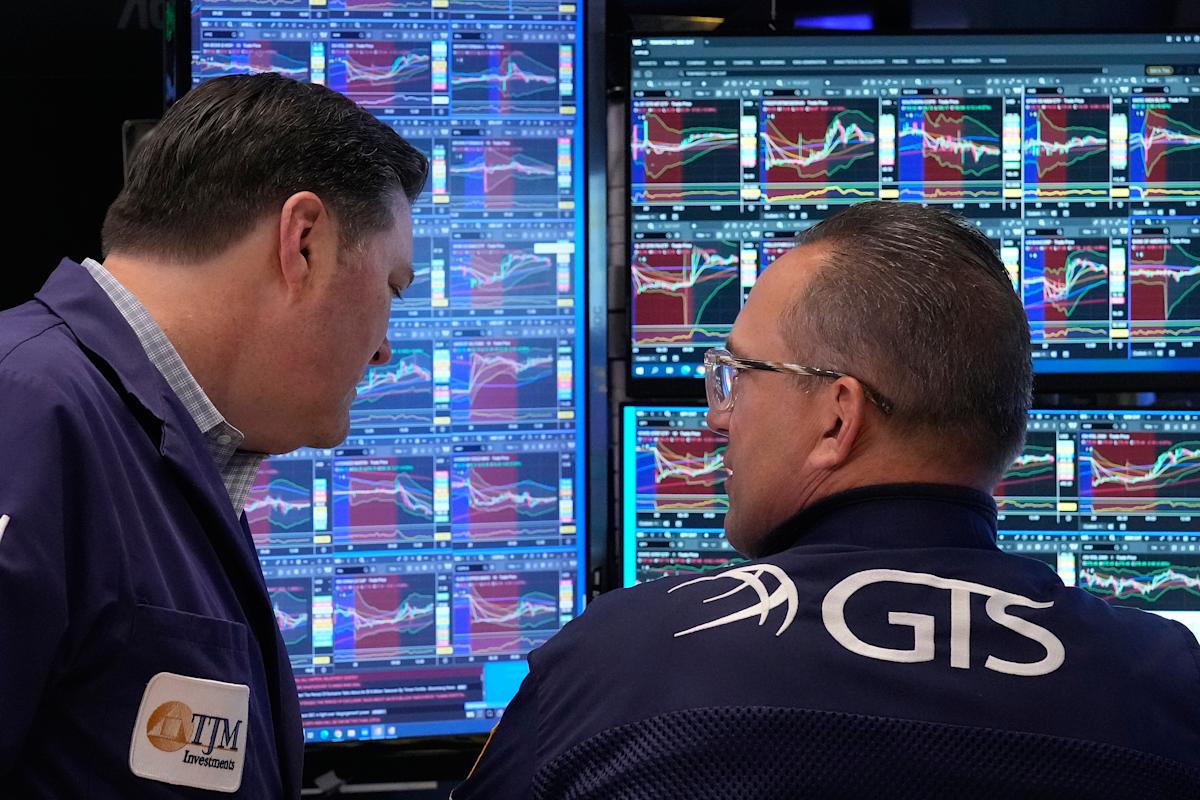
- Stock Volatility Analysis: Texas Roadhouse exited its position due to lackluster earnings, and although the stock initially opened higher on accelerating same-store sales, it ultimately turned lower, reflecting market concerns over high beef prices.
- Corning Stock Surge: Corning's shares rose 7%, making it one of the biggest gainers in the S&P 500 after UBS raised its price target from $125 to $160, with analysts increasing sales and earnings forecasts based on high capital expenditure plans from hyperscalers.
- Future Outlook: Analysts believe there could be further upward revisions in capital expenditures following Nvidia's earnings report next week, which may lead to additional contracts for Corning, particularly in fiber-optic cable and connectivity solutions, thereby driving the company's growth.
Trade with 70% Backtested Accuracy
Stop guessing "Should I Buy TSN?" and start using high-conviction signals backed by rigorous historical data.
Sign up today to access powerful investing tools and make smarter, data-driven decisions.
Analyst Views on TSN
Wall Street analysts forecast TSN stock price to rise
6 Analyst Rating
2 Buy
4 Hold
0 Sell
Moderate Buy
Current: 63.670

Low
58.00
Averages
65.20
High
75.00
Current: 63.670
Low
58.00
Averages
65.20
High
75.00
About TSN
Tyson Foods, Inc. is a food company. The Company has a portfolio of products and brands, including Tyson, Jimmy Dean, Hillshire Farm, Ball Park, Wright, State Fair, Aidells and ibp. Its segments include Beef, Pork, Chicken, and Prepared Foods. The Beef segment includes operations related to processing live-fed cattle and fabricating dressed beef carcasses into primal and sub-primal meat cuts and case-ready products. The Pork segment includes operations related to processing live market hogs and fabricating pork carcasses into primal and sub-primal cuts and case-ready products. The Chicken segment includes its domestic operations related to raising and processing live chickens into, and purchasing raw materials for fresh, frozen and value-added chicken products and sales of specialty products. The Prepared Foods segment includes operations related to manufacturing and marketing frozen and refrigerated food products and logistics operations to move products through the supply chain.
About the author

Emily J. Thompson
Emily J. Thompson, a Chartered Financial Analyst (CFA) with 12 years in investment research, graduated with honors from the Wharton School. Specializing in industrial and technology stocks, she provides in-depth analysis for Intellectia’s earnings and market brief reports.
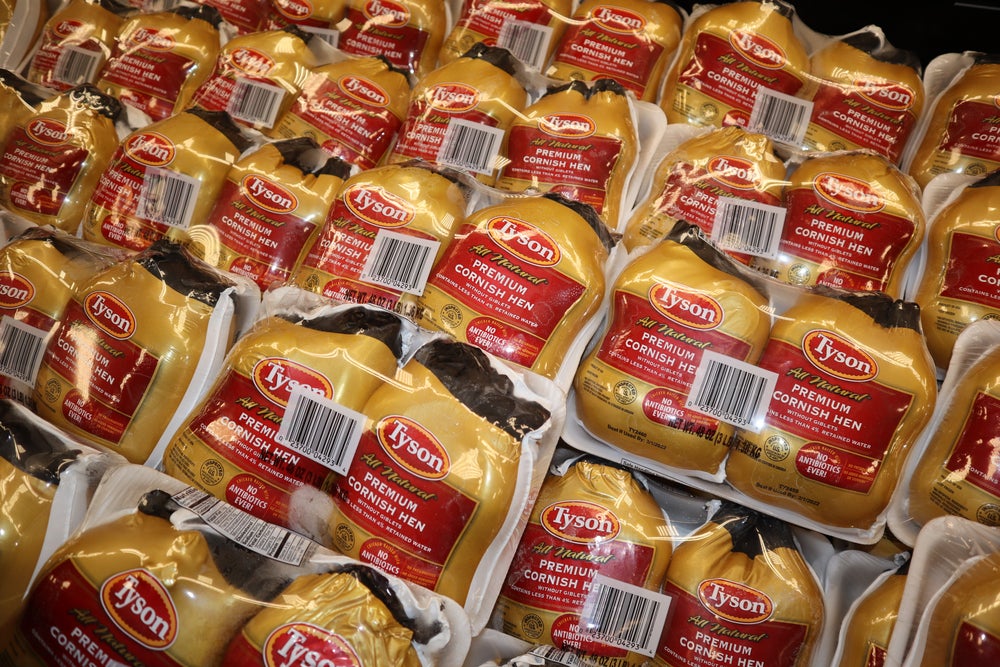
U.S. DOJ Launches Criminal Investigation into Major Meatpackers
- Antitrust Investigation Initiated: The U.S. Department of Justice's antitrust division is conducting a criminal investigation into the conduct of large meatpackers, stemming from President Trump's accusations last year of price manipulation, indicating heightened government scrutiny over market practices.
- Market Dominance: Tyson Foods, Cargill, JBS USA, and National Beef Packing Company collectively slaughter about 85% of U.S. grain-fattened cattle, highlighting their dominant position in the U.S. meat market, which could significantly impact consumer pricing.
- Investigation Context: Trump's call for the Justice Department to investigate the meatpacking industry, accusing it of collusion to inflate beef prices, reflects the government's sensitivity to rising food costs and its intent to protect consumer interests.
- Industry Reaction: Although the DOJ has not publicly confirmed the investigation as criminal, the market's response to this news may affect the stock prices of the involved companies and public trust, potentially increasing regulatory pressure on the industry.
See More
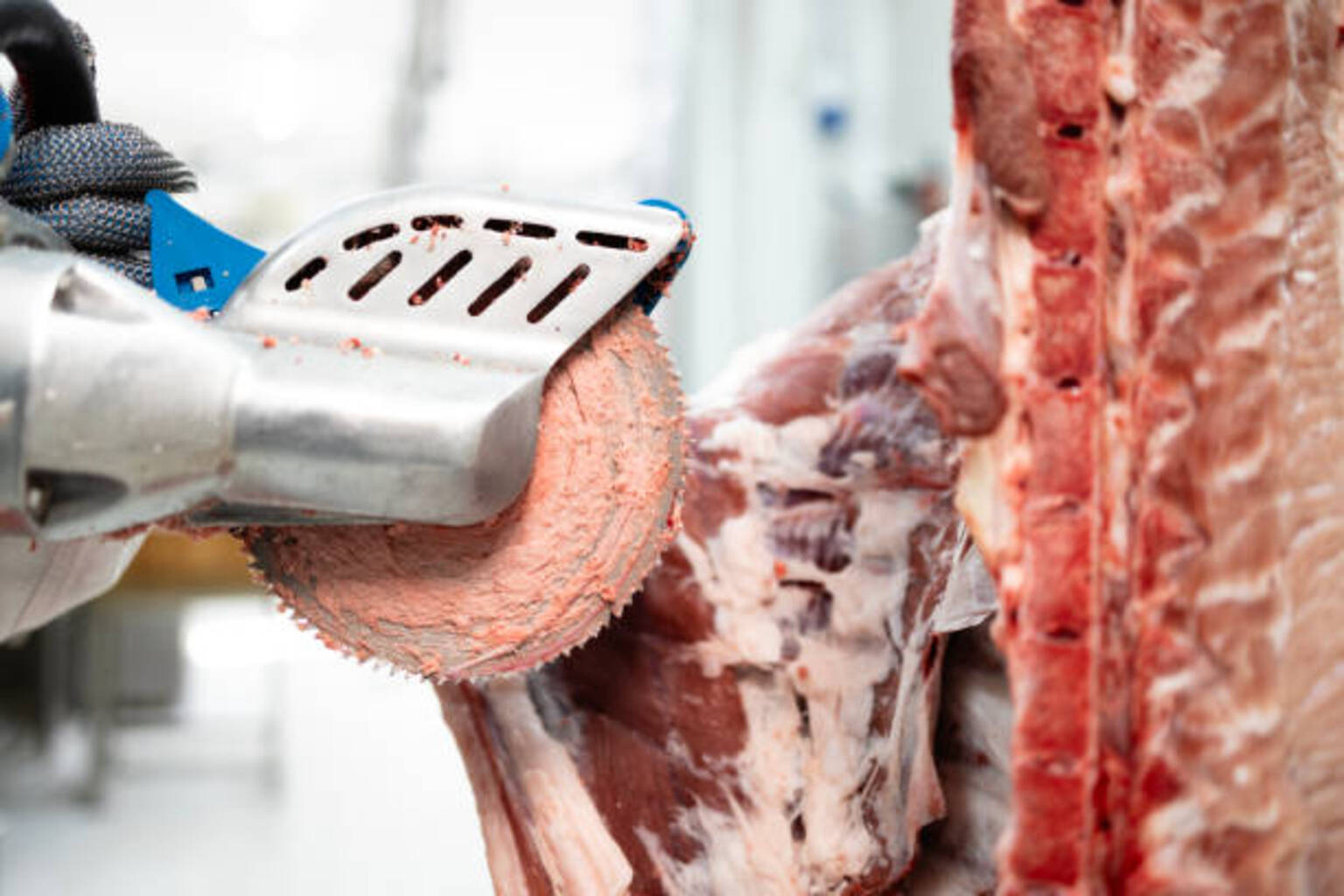
JBS Reaches Agreement to End Workers' Strike at Meatpacking Plant

- Strike Conclusion: After a three-week strike, JBS USA reached an agreement with the union, allowing the Swift Beef Co. plant to resume normal operations immediately, thereby ensuring production continuity and employee stability after weeks of uncertainty.
- Wage Increases: The agreement includes wage increases over the next two years and a one-time bonus of $750 for workers, which not only enhances employees' living standards but may also boost their morale and loyalty to the company.
- Contract Details: The union stated that the agreement includes 'all gains, countless improvements, and not a single concession,' indicating a significant victory for workers and enhancing the union's bargaining power within the industry.
- Industry Impact: This agreement by JBS USA could influence wage standards and labor conditions across the meatpacking industry, prompting other companies to adopt more proactive measures in response to similar union demands.
See More
Dividend Stocks Triumphed in the Battle. Here's Why They May Prevail in the Aftermath.

Dividend-Paying Stocks as a Safe Haven: Dividend-paying stocks have provided investors with a refuge amid the ongoing conflict in the Middle East.
Continued Performance Outlook: These stocks are expected to maintain their performance even if a cease-fire is established.
See More
North Texas Food Bank Hosts Annual Fundraiser to Combat Childhood Hunger
- Event Overview: The North Texas Food Bank will host its annual fundraiser, Taste! At The Star, on April 17 at the Dallas Cowboys headquarters, aiming to address childhood hunger through culinary delights and community support, with expectations of attracting numerous food lovers and supporters.
- Fundraising Goals: Proceeds from the event will benefit NTFB's Nourish the Future programs, ensuring children facing food insecurity have access to nutritious meals; last year's funds provided over 2.5 million meals to families in need, highlighting the event's critical role in improving children's health and educational outcomes.
- Participating Restaurants: The event will feature signature dishes from over 20 top restaurants, including brisket bites from Lockhart Smokehouse and chocolate mousse from La Duni Baking Studio, designed to engage more community members and raise awareness about childhood hunger issues through culinary experiences.
- Community Impact: Texas leads the nation in hunger, with one in five children in the DFW area facing food insecurity; NTFB's efforts not only provide nutritional support for children but also address root causes through education and advocacy, promoting long-term community health and well-being.
See More
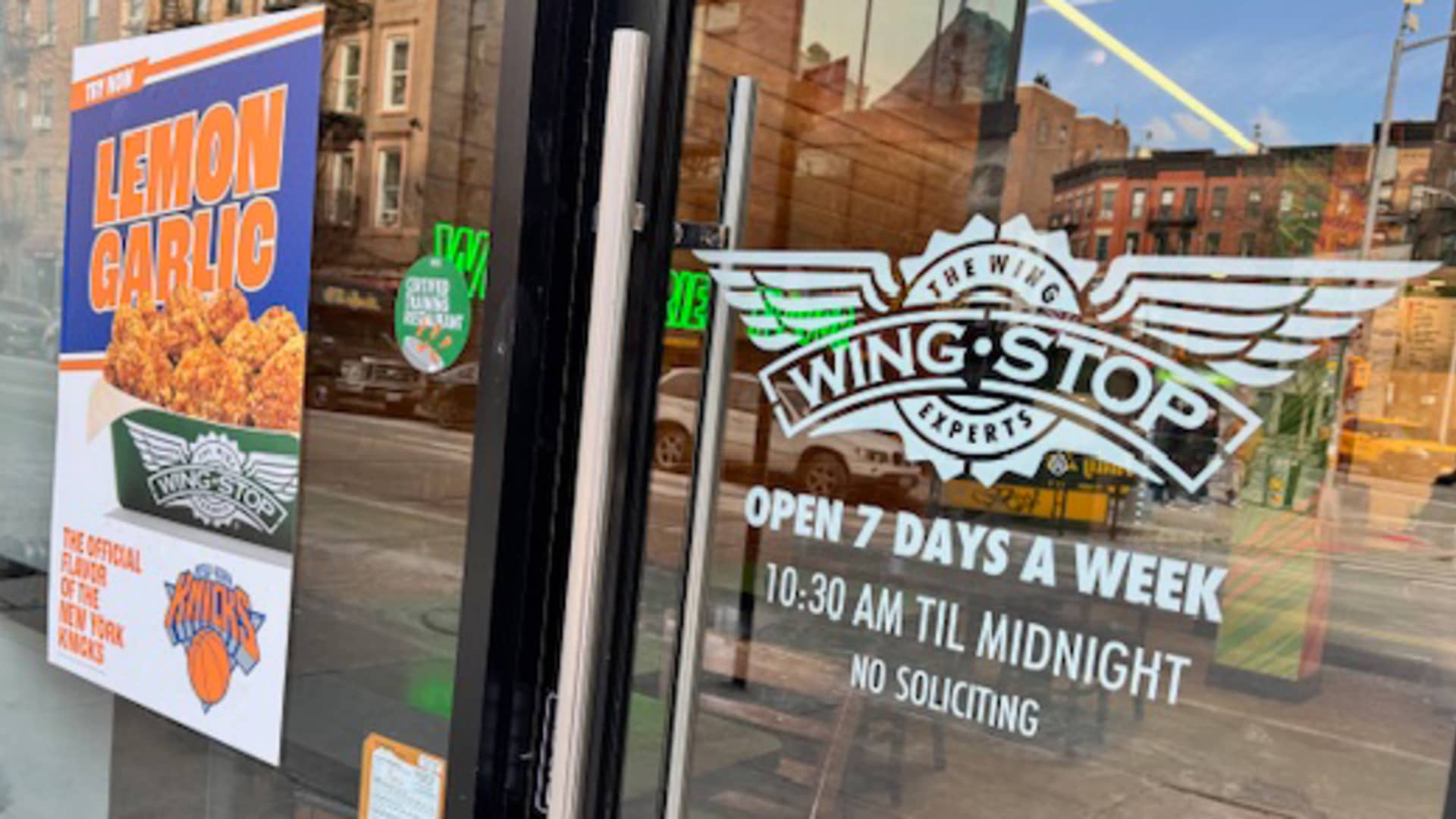
Citi Upgrades Wingstop to Buy, Optimistic Outlook Ahead
- Upgrade Announcement: Citi upgraded Wingstop from neutral to buy, lowering its price target from $286 to $230, which still implies a 39.5% upside, reflecting confidence in the company's future performance despite recent challenges.
- Sales Challenges: Wingstop reported a 5.8% decline in same-store sales for 2025 and forecasts flat to low-single-digit growth for 2026, indicating that tightening consumer spending has negatively impacted its business and raised investor concerns about brand positioning.
- Strong New Store Performance: Despite the sales decline, Wingstop's new store returns remain robust at over 70% in 2025, indicating strong franchisee demand for new locations and supporting future expansion potential.
- Brand Awareness Growth: Wingstop has made encouraging strides in brand awareness and guest conversion rates, and despite intensified competition, its footprint and brand influence in the U.S. continue to expand, suggesting growth potential even in challenging times.
See More
Market Rebound and Analyst Rating Updates

- Market Rebound Expectations: The S&P 500 rose on Monday amid hopes for a potential U.S.-Iran ceasefire, despite President Trump's threats of military action, as the market believes he may postpone the deadline, providing short-term optimism for investors.
- Wells Fargo Price Target Increase: Goldman Sachs raised Wells Fargo's price target from $93 to $96, with analysts stating the stock is well-positioned ahead of earnings; Jim Cramer advised against trimming positions at the current price of around $81, noting it is far from its all-time high.
- CrowdStrike Buyback Program Expansion: CrowdStrike increased its share buyback program by $500 million to $1.5 billion, viewing the stock's decline as an investment opportunity; Jim Cramer emphasized that the rise of AI actually increases the need for cybersecurity, countering market fears of AI disruption.
- Capital One Price Target Downgrade: Barclays cut Capital One's price target from $287 to $226, with Jim Cramer criticizing Wall Street analysts for underestimating the company's potential, particularly regarding the Discover acquisition and its undervalued stock price.
See More
U.S. DOJ Launches Criminal Investigation into Major Meatpackers
- Antitrust Investigation Initiated: The U.S. Department of Justice's antitrust division is conducting a criminal investigation into the conduct of large meatpackers, stemming from President Trump's accusations last year of price manipulation, indicating heightened government scrutiny over market practices.
- Market Dominance: Tyson Foods, Cargill, JBS USA, and National Beef Packing Company collectively slaughter about 85% of U.S. grain-fattened cattle, highlighting their dominant position in the U.S. meat market, which could significantly impact consumer pricing.
- Investigation Context: Trump's call for the Justice Department to investigate the meatpacking industry, accusing it of collusion to inflate beef prices, reflects the government's sensitivity to rising food costs and its intent to protect consumer interests.
- Industry Reaction: Although the DOJ has not publicly confirmed the investigation as criminal, the market's response to this news may affect the stock prices of the involved companies and public trust, potentially increasing regulatory pressure on the industry.
See More
JBS Reaches Agreement to End Workers' Strike at Meatpacking Plant
- Strike Conclusion: After a three-week strike, JBS USA reached an agreement with the union, allowing the Swift Beef Co. plant to resume normal operations immediately, thereby ensuring production continuity and employee stability after weeks of uncertainty.
- Wage Increases: The agreement includes wage increases over the next two years and a one-time bonus of $750 for workers, which not only enhances employees' living standards but may also boost their morale and loyalty to the company.
- Contract Details: The union stated that the agreement includes 'all gains, countless improvements, and not a single concession,' indicating a significant victory for workers and enhancing the union's bargaining power within the industry.
- Industry Impact: This agreement by JBS USA could influence wage standards and labor conditions across the meatpacking industry, prompting other companies to adopt more proactive measures in response to similar union demands.
See More
Dividend Stocks Triumphed in the Battle. Here's Why They May Prevail in the Aftermath.
Dividend-Paying Stocks as a Safe Haven: Dividend-paying stocks have provided investors with a refuge amid the ongoing conflict in the Middle East.
Continued Performance Outlook: These stocks are expected to maintain their performance even if a cease-fire is established.
See More
North Texas Food Bank Hosts Annual Fundraiser to Combat Childhood Hunger
- Event Overview: The North Texas Food Bank will host its annual fundraiser, Taste! At The Star, on April 17 at the Dallas Cowboys headquarters, aiming to address childhood hunger through culinary delights and community support, with expectations of attracting numerous food lovers and supporters.
- Fundraising Goals: Proceeds from the event will benefit NTFB's Nourish the Future programs, ensuring children facing food insecurity have access to nutritious meals; last year's funds provided over 2.5 million meals to families in need, highlighting the event's critical role in improving children's health and educational outcomes.
- Participating Restaurants: The event will feature signature dishes from over 20 top restaurants, including brisket bites from Lockhart Smokehouse and chocolate mousse from La Duni Baking Studio, designed to engage more community members and raise awareness about childhood hunger issues through culinary experiences.
- Community Impact: Texas leads the nation in hunger, with one in five children in the DFW area facing food insecurity; NTFB's efforts not only provide nutritional support for children but also address root causes through education and advocacy, promoting long-term community health and well-being.
See More
Citi Upgrades Wingstop to Buy, Optimistic Outlook Ahead
- Upgrade Announcement: Citi upgraded Wingstop from neutral to buy, lowering its price target from $286 to $230, which still implies a 39.5% upside, reflecting confidence in the company's future performance despite recent challenges.
- Sales Challenges: Wingstop reported a 5.8% decline in same-store sales for 2025 and forecasts flat to low-single-digit growth for 2026, indicating that tightening consumer spending has negatively impacted its business and raised investor concerns about brand positioning.
- Strong New Store Performance: Despite the sales decline, Wingstop's new store returns remain robust at over 70% in 2025, indicating strong franchisee demand for new locations and supporting future expansion potential.
- Brand Awareness Growth: Wingstop has made encouraging strides in brand awareness and guest conversion rates, and despite intensified competition, its footprint and brand influence in the U.S. continue to expand, suggesting growth potential even in challenging times.
See More
Market Rebound and Analyst Rating Updates
- Market Rebound Expectations: The S&P 500 rose on Monday amid hopes for a potential U.S.-Iran ceasefire, despite President Trump's threats of military action, as the market believes he may postpone the deadline, providing short-term optimism for investors.
- Wells Fargo Price Target Increase: Goldman Sachs raised Wells Fargo's price target from $93 to $96, with analysts stating the stock is well-positioned ahead of earnings; Jim Cramer advised against trimming positions at the current price of around $81, noting it is far from its all-time high.
- CrowdStrike Buyback Program Expansion: CrowdStrike increased its share buyback program by $500 million to $1.5 billion, viewing the stock's decline as an investment opportunity; Jim Cramer emphasized that the rise of AI actually increases the need for cybersecurity, countering market fears of AI disruption.
- Capital One Price Target Downgrade: Barclays cut Capital One's price target from $287 to $226, with Jim Cramer criticizing Wall Street analysts for underestimating the company's potential, particularly regarding the Discover acquisition and its undervalued stock price.
See More