Suncor Energy Reports Q4 Adjusted Earnings
- Earnings Performance: Suncor Energy reported Q4 adjusted earnings of CAD 1.10 (approximately USD 0.81) per share late Tuesday, indicating the company's stable profitability amid current market conditions despite industry fluctuations.
- Market Reaction: Although the earnings data did not exceed market expectations, the company maintains a relatively stable financial performance, which may provide some support for investor confidence.
- Industry Context: In light of increasing uncertainty in the global energy market, Suncor's earnings performance reflects its ongoing efforts in cost control and operational efficiency, enhancing its position in the highly competitive energy sector.
- Future Outlook: As energy demand shifts and market dynamics evolve, Suncor may need to further adjust its strategy to address future challenges, ensuring sustained profitability and market share.
Trade with 70% Backtested Accuracy
Analyst Views on SU

About SU
About the author


IRAN STICKS TO HARDLINE POSITION—WAR WILL PERSIST, DISMISSES U.S. TIMELINE, RESPONDS COLDLY TO PROPOSAL, AND ASSERTS SOVEREIGNTY OVER THE STRAIT OF HORMUZ.


Iran's Stance on War: Iran maintains a hardline stance regarding ongoing conflicts, indicating that war will continue despite external pressures.
Rejection of U.S. Proposals: The Iranian government has rejected the U.S. timeline for negotiations and proposals related to regional security.
Response to U.S. Actions: Iran's leadership has issued a lukewarm response to U.S. proposals, signaling a lack of interest in compromise.
Demand for Sovereignty: Iran emphasizes its demand for sovereignty over the Strait of Hormuz, asserting its rights in the region amidst international tensions.
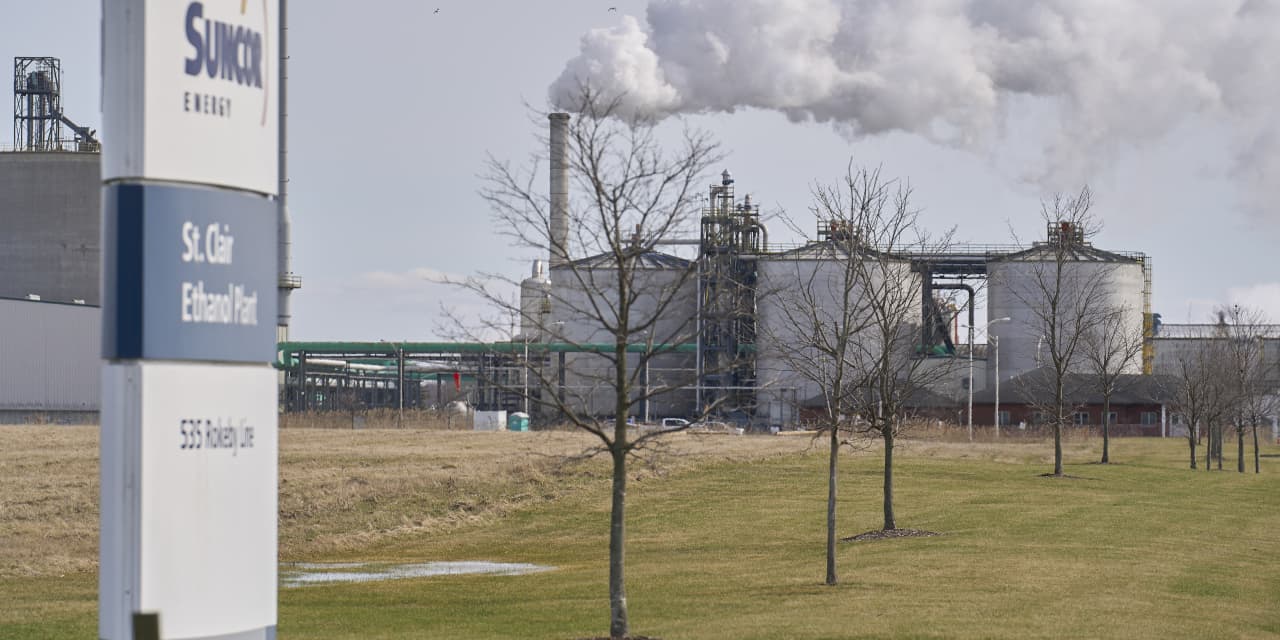
While the World Fears Oil Shortages, Canada Seizes the Moment.

Opportunity in Global Energy Markets: Canada is seizing an unexpected chance to increase its presence in global energy markets due to the ongoing war in Iran.
Impact of the War in Iran: The conflict has created a shift in energy dynamics, allowing Canada to potentially fill the gap left by Iranian energy exports.
Strategic Positioning: Canada aims to leverage this situation to enhance its energy exports and strengthen its economic position on the world stage.
Future Prospects: The developments in Iran may lead to long-term changes in energy supply chains, benefiting Canadian energy producers.
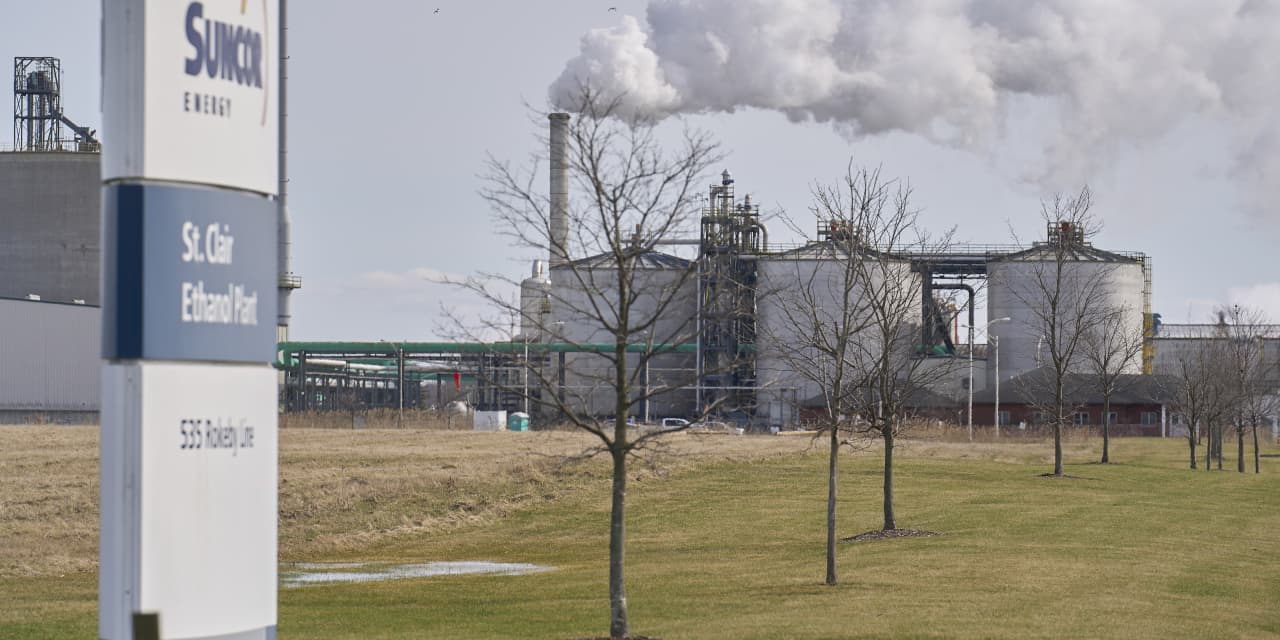
Canada Can Benefit from the Energy Shock: Suncor Stock and Three Other Success Stories.

Opportunity in Global Energy Markets: Canada is seizing an unexpected chance to increase its presence in global energy markets due to the ongoing war in Iran.
Impact of the War in Iran: The conflict has created a shift in energy dynamics, allowing Canada to potentially fill gaps left by other countries affected by the war.
PRESIDENT DONALD TRUMP DESCRIBES INITIAL U.S.-IRAN DISCUSSIONS AS "EXCELLENT," STATING TEHRAN SEEKS PEACE AND HAS COMMITTED TO AVOIDING NUCLEAR WEAPONS.

Trump's Remarks on Talks: President Donald Trump described the preliminary U.S.-Iran talks as "very, very good."
Iran's Stance on Peace: Iran, represented by Tehran, expressed a desire for peace and has agreed not to pursue nuclear weapons.
BARCLAYS: BRENT MAY REACH $120 PER BARREL


- Barclays Update: Barclays has indicated a potential test price of $120 for Brent crude oil.
- Market Implications: This price point could have significant implications for the oil market and related investments.
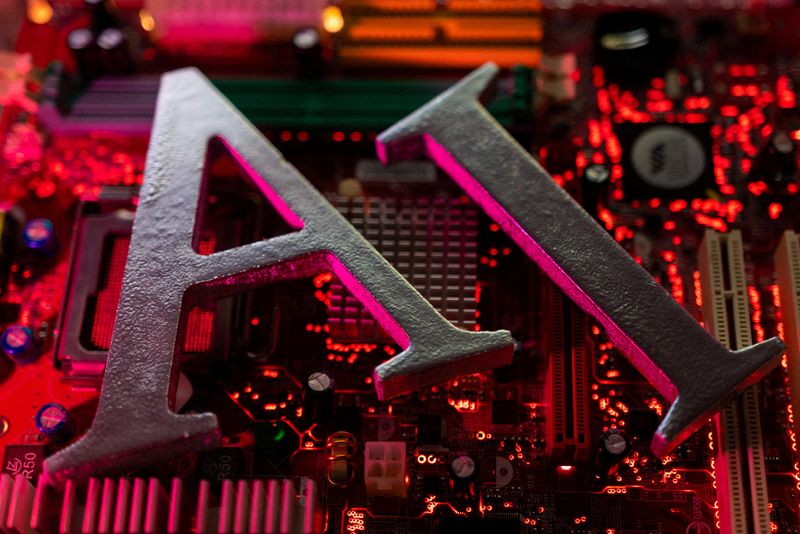
SK Telecom, Supermicro, and Schneider Electric Sign MOU for AI Data Center Solutions


- Collaborative Solution Development: SK Telecom has signed a tripartite MOU with Supermicro and Schneider Electric to accelerate the construction of artificial intelligence data centers (AIDC) through a pre-fabricated modular model, which is expected to significantly shorten construction timelines and alleviate supply bottlenecks, thereby enhancing global market responsiveness.
- Advantages of Modular Design: The new model integrates AI computing servers with supporting power and cooling infrastructure into a single pre-manufactured module, offering faster deployment and improved cost efficiency compared to traditional steel-reinforced concrete methods, helping businesses reduce upfront investment burdens and flexibly respond to changing market demands.
- Technological Synergy: Under the MOU, SK Telecom will contribute its AIDC operational expertise, Supermicro will provide high-performance GPU servers optimized for specific customer needs, and Schneider Electric will be responsible for designing and constructing reliable MEP infrastructure to support the growing demand for large-scale AI.
- Sustainability Goals: Schneider Electric executives noted that this collaboration will advance an integrated AI data center model based on pre-fabricated modular design, helping customers lower carbon emissions, eliminate supply bottlenecks, and operate high-density AI workloads with greater resilience and efficiency, further enhancing corporate competitiveness.
IRAN STICKS TO HARDLINE POSITION—WAR WILL PERSIST, DISMISSES U.S. TIMELINE, RESPONDS COLDLY TO PROPOSAL, AND ASSERTS SOVEREIGNTY OVER THE STRAIT OF HORMUZ.
Iran's Stance on War: Iran maintains a hardline stance regarding ongoing conflicts, indicating that war will continue despite external pressures.
Rejection of U.S. Proposals: The Iranian government has rejected the U.S. timeline for negotiations and proposals related to regional security.
Response to U.S. Actions: Iran's leadership has issued a lukewarm response to U.S. proposals, signaling a lack of interest in compromise.
Demand for Sovereignty: Iran emphasizes its demand for sovereignty over the Strait of Hormuz, asserting its rights in the region amidst international tensions.
While the World Fears Oil Shortages, Canada Seizes the Moment.
Opportunity in Global Energy Markets: Canada is seizing an unexpected chance to increase its presence in global energy markets due to the ongoing war in Iran.
Impact of the War in Iran: The conflict has created a shift in energy dynamics, allowing Canada to potentially fill the gap left by Iranian energy exports.
Strategic Positioning: Canada aims to leverage this situation to enhance its energy exports and strengthen its economic position on the world stage.
Future Prospects: The developments in Iran may lead to long-term changes in energy supply chains, benefiting Canadian energy producers.
Canada Can Benefit from the Energy Shock: Suncor Stock and Three Other Success Stories.
Opportunity in Global Energy Markets: Canada is seizing an unexpected chance to increase its presence in global energy markets due to the ongoing war in Iran.
Impact of the War in Iran: The conflict has created a shift in energy dynamics, allowing Canada to potentially fill gaps left by other countries affected by the war.
PRESIDENT DONALD TRUMP DESCRIBES INITIAL U.S.-IRAN DISCUSSIONS AS "EXCELLENT," STATING TEHRAN SEEKS PEACE AND HAS COMMITTED TO AVOIDING NUCLEAR WEAPONS.
Trump's Remarks on Talks: President Donald Trump described the preliminary U.S.-Iran talks as "very, very good."
Iran's Stance on Peace: Iran, represented by Tehran, expressed a desire for peace and has agreed not to pursue nuclear weapons.
BARCLAYS: BRENT MAY REACH $120 PER BARREL
- Barclays Update: Barclays has indicated a potential test price of $120 for Brent crude oil.
- Market Implications: This price point could have significant implications for the oil market and related investments.
SK Telecom, Supermicro, and Schneider Electric Sign MOU for AI Data Center Solutions
- Collaborative Solution Development: SK Telecom has signed a tripartite MOU with Supermicro and Schneider Electric to accelerate the construction of artificial intelligence data centers (AIDC) through a pre-fabricated modular model, which is expected to significantly shorten construction timelines and alleviate supply bottlenecks, thereby enhancing global market responsiveness.
- Advantages of Modular Design: The new model integrates AI computing servers with supporting power and cooling infrastructure into a single pre-manufactured module, offering faster deployment and improved cost efficiency compared to traditional steel-reinforced concrete methods, helping businesses reduce upfront investment burdens and flexibly respond to changing market demands.
- Technological Synergy: Under the MOU, SK Telecom will contribute its AIDC operational expertise, Supermicro will provide high-performance GPU servers optimized for specific customer needs, and Schneider Electric will be responsible for designing and constructing reliable MEP infrastructure to support the growing demand for large-scale AI.
- Sustainability Goals: Schneider Electric executives noted that this collaboration will advance an integrated AI data center model based on pre-fabricated modular design, helping customers lower carbon emissions, eliminate supply bottlenecks, and operate high-density AI workloads with greater resilience and efficiency, further enhancing corporate competitiveness.