Strategy Tackles Major Issue, Benefiting Preferred Stock and Bitcoin Values.
Written by Emily J. Thompson, Senior Investment Analyst
Updated: Dec 01 2025
0mins


Should l Buy JPM?
Source: Barron's
- Financial Strategy: The company has established a $1.44 billion reserve to address concerns regarding its ability to pay over $700 million in annual preferred dividends.
- Funding Source: This reserve was funded through the sale of common stock, ensuring the company can meet its dividend obligations.
Trade with 70% Backtested Accuracy
Stop guessing "Should I Buy JPM?" and start using high-conviction signals backed by rigorous historical data.
Sign up today to access powerful investing tools and make smarter, data-driven decisions.
Analyst Views on JPM
Wall Street analysts forecast JPM stock price to rise
19 Analyst Rating
11 Buy
7 Hold
1 Sell
Moderate Buy
Current: 283.770

Low
260.00
Averages
341.38
High
400.00
Current: 283.770
Low
260.00
Averages
341.38
High
400.00
About JPM
JPMorgan Chase & Co. is a financial holding company. The Company is engaged in investment banking, financial services for consumers and small businesses, commercial banking, financial transaction processing and asset management. The Company operates through three segments: Consumer & Community Banking (CCB), Commercial & Investment Bank (CIB), and Asset & Wealth Management (AWM). Its CCB segment offers products and services to consumers and small businesses through bank branches, ATMs, digital and telephone banking. Its CIB segment consists of banking and payments and markets and securities services, and offers a suite of investment banking, lending, payments, market-making, financing, custody and securities products and services to a global base of corporate and institutional clients. AWM segment offers investment and wealth management solutions. It offers multi-asset investment management solutions, retirement products and services, brokerage, custody, estate planning, and others.
About the author

Emily J. Thompson
Emily J. Thompson, a Chartered Financial Analyst (CFA) with 12 years in investment research, graduated with honors from the Wharton School. Specializing in industrial and technology stocks, she provides in-depth analysis for Intellectia’s earnings and market brief reports.
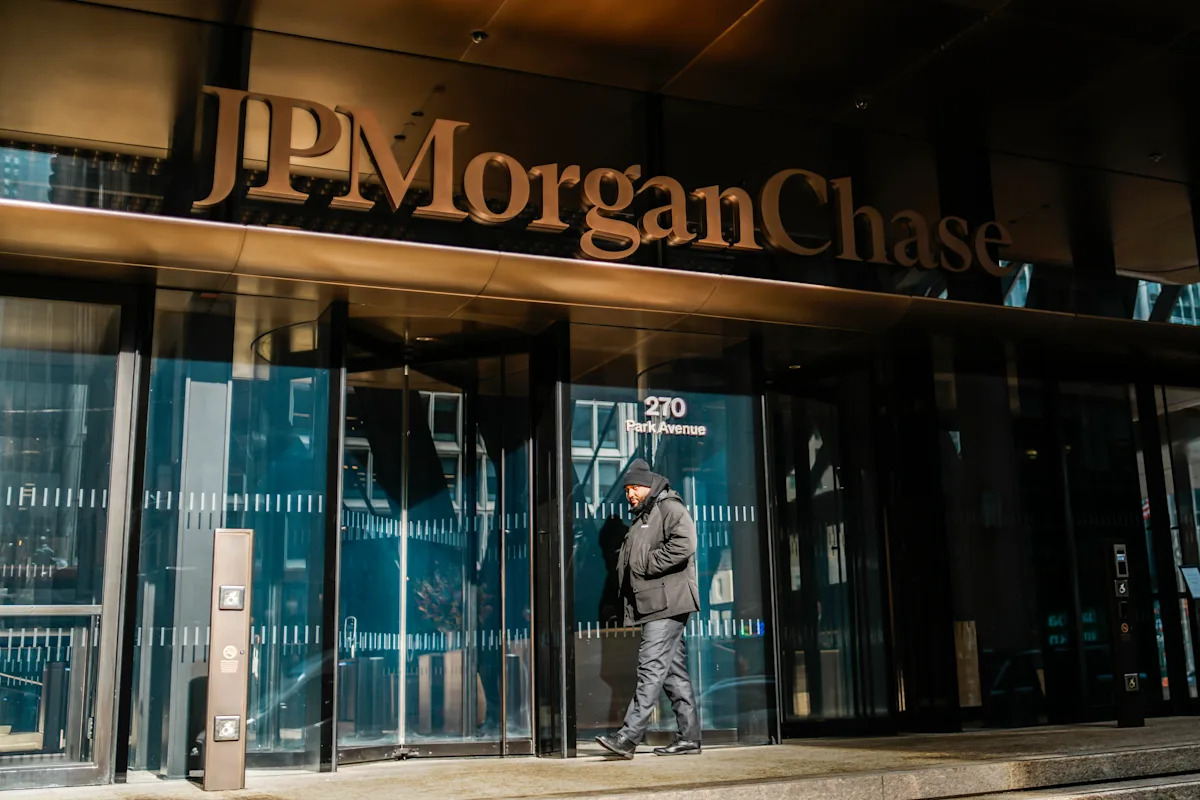
JPMorgan Plans to Lend $80 Billion to Small Businesses Over Next Decade
- Lending Initiative: JPMorgan announced plans to lend $80 billion to U.S. small businesses over the next decade, aiming to expand its Main Street customer base by adding 1,000 bankers, which is part of a broader strategy to reignite the American Dream through local investments and policies.
- Training and Advisory Expansion: The bank's 'American Dream Initiative' will enhance training and advisory programs for existing customers, small businesses, and students, focusing on entrepreneurship, wealth creation, career development, and access to affordable housing and healthcare.
- Support for Small Businesses: JPMorgan aims to increase the number of small business owners graduating from its Coaching for Impact program sevenfold, while also advising small businesses on better access to government contracts, thereby strengthening its influence in the small business sector.
- Market Share Goals: As of last year, JPMorgan held an 11.1% share of the U.S. deposit market, with a long-term goal of achieving a 15% share, which not only enhances its market position but also contributes to economic growth.
See More
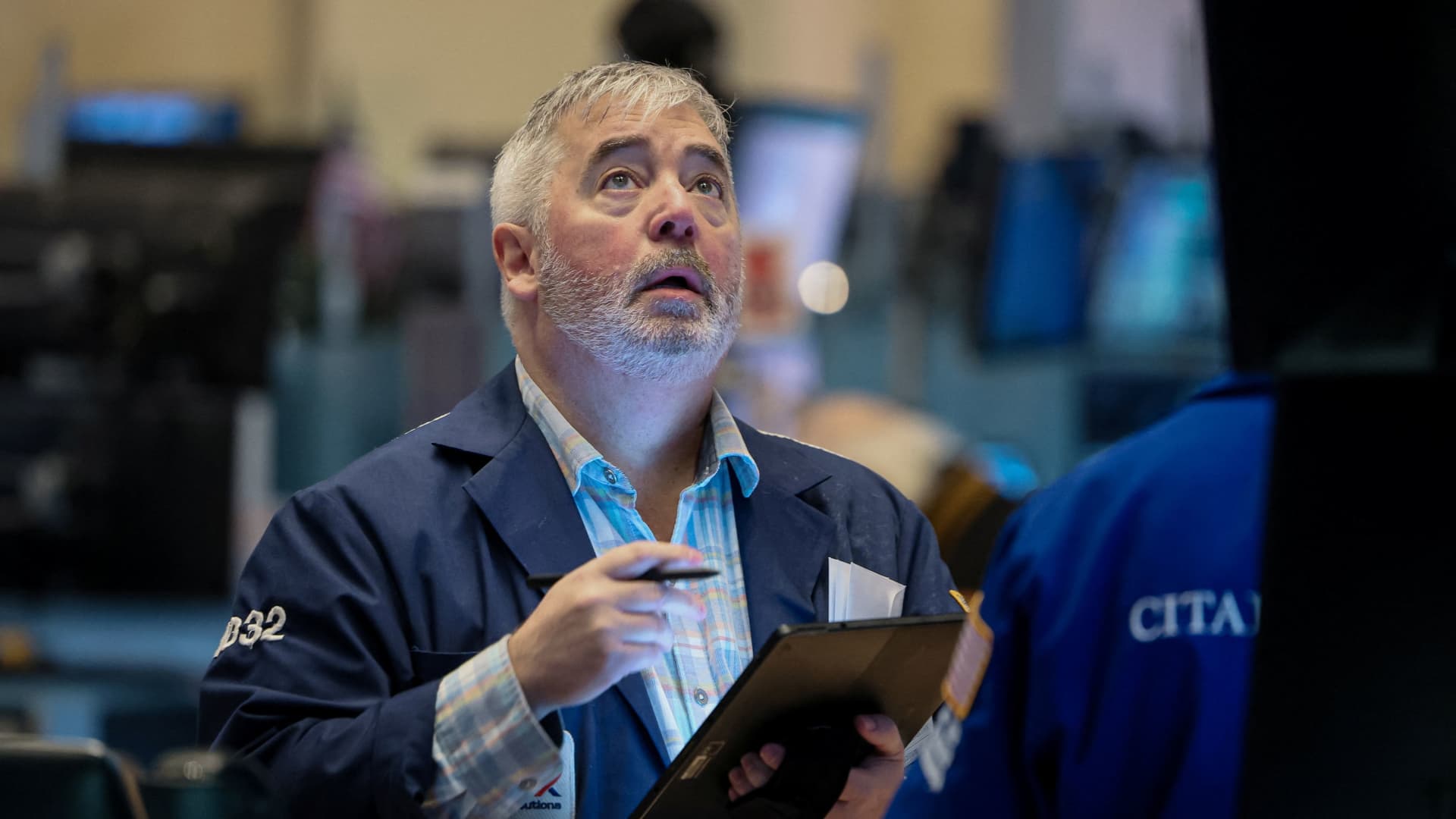
Market Reaction: Anticipation of U.S.-Iran War Ending


- Market Rally: The S&P 500 and Nasdaq Composite surged by 2.91% and 3.83%, respectively, amid hopes for an end to the U.S.-Iran conflict, indicating potential for future economic recovery as investors anticipate peace.
- Interest Rate Decline: With the war's conclusion, the yield on the 10-year Treasury is expected to drop significantly, which will lower borrowing costs and alleviate inflationary pressures stemming from rising fertilizer and energy prices due to the conflict.
- Growth Stock Resurgence: High-growth stocks like Nvidia and Marvell saw gains of 5.5% and nearly 13%, respectively, suggesting that investors will refocus on these companies' fundamentals without the distraction of geopolitical tensions.
- Big Bank Stocks Rally: The end of the war is likely to revive trading activity on Wall Street, with major financial stocks like Goldman Sachs and Morgan Stanley rising nearly 5% and 4%, respectively, reflecting optimism about future merger and acquisition activities.
See More

Gulf War Triggers Sharp Sell-off in Gold and Silver

- Investor Shock: The outbreak of the Gulf War has led to a sharp sell-off in gold and silver, which are typically seen as safe-haven assets; this recent decline reflects market panic over the conflict, shaking investor confidence.
- Significant Demand Changes: According to the IMF, investors held 2.8% of their assets in gold in 2025, double the figure from a decade ago, while investment demand for gold increased by nearly 990 tonnes compared to 2024, indicating strong long-term demand despite short-term price volatility.
- Stable Industrial Demand: Industrial demand for silver accounts for 59% of total demand and remained stable in 2025 compared to 2024, with expectations that increased usage in new data centers will further drive silver demand, highlighting its importance in emerging technologies.
- Central Bank Buying Potential: Although central bank demand for gold declined in 2025, this may align with banks reaching their target holdings due to price increases; any significant drop in gold prices could trigger increased buying from central banks, reflecting ongoing concerns over U.S. debt levels and geopolitical tensions.
See More

Gold and Silver Decline Short-Term but Long-Term Outlook Remains Positive
- Safe-Haven Performance Decline: Despite being regarded as safe-haven assets, both gold and silver have seen significant declines following the onset of the Persian Gulf war, reflecting a market reaction to conflict that has undermined investor confidence in these traditional safe assets.
- Investment Demand Growth: According to the World Gold Council, investment demand for gold increased by nearly 990 tonnes in 2025 compared to 2024, while silver saw an increase of 13.5 million ounces, indicating that despite short-term price volatility, long-term demand remains robust, particularly supported by central banks and industrial sectors.
- Rising Central Bank Holdings: The International Monetary Fund reports that the share of gold in global official reserves has risen from 6% during the 2008 financial crisis to nearly 13% by the end of 2024, highlighting growing concerns about counterparty risk associated with U.S. Treasuries, which is driving long-term demand for gold.
- Future Potential Emergence: Although marginal demand from central banks declined in 2025, this may align with banks reaching their target gold holdings, suggesting that any significant price drop could trigger increased central bank buying, especially given the ongoing concerns over U.S. debt levels and geopolitical tensions.
See More

Surge in Options Trading Volume for JPMorgan and SoFi
- JPM Options Volume: Today, JPMorgan Chase's options trading volume reached 58,742 contracts, equivalent to approximately 5.9 million shares, representing 52.8% of its average daily trading volume over the past month, indicating strong market interest in the stock.
- High-Frequency Contracts: Notably, the $295 strike call option expiring on June 18, 2026, saw 4,354 contracts traded today, representing about 435,400 underlying shares, suggesting heightened investor expectations for future price increases.
- SoFi Options Activity: SoFi Technologies experienced an options trading volume of 370,166 contracts, equivalent to approximately 37 million shares, also accounting for 52.8% of its average daily trading volume over the past month, reflecting sustained investor interest in the company.
- Key Contract Insights: In SoFi, the $16 strike call option expiring on April 2, 2026, saw 34,823 contracts traded today, representing around 3.5 million shares, indicating optimistic market sentiment regarding its future performance.
See More

Wall Street Ends Month on High Note Amid Optimism
- Market Rally: By 1:30 PM ET, the Dow Jones Industrial Average rose by 2.1%, the S&P 500 increased by 2.4%, and the Nasdaq Composite surged by 3.6%, reflecting a renewed optimism among investors regarding market sentiment.
- Stable Fed Policy: Fed Chair Jerome Powell's remarks did not incite panic, leading investors to interpret that the Fed is unlikely to implement drastic rate hikes, thereby alleviating inflation concerns and contributing to the stock market's rise.
- Geopolitical Influence: President Trump's discussion of a potential end to the Iran conflict provided a boost to market optimism; while oil prices remain high, the anticipation of de-escalation in tensions has sparked a rally in the stock market.
- Strong Individual Stock Performance: Goldman Sachs and Caterpillar both saw gains of around 5%, while Nvidia's announcement of a $2 billion investment in Marvell Technology led to a 12% surge in Marvell's shares, highlighting the potential of AI infrastructure investments despite limited impact on major market indexes.
See More
JPMorgan Plans to Lend $80 Billion to Small Businesses Over Next Decade
- Lending Initiative: JPMorgan announced plans to lend $80 billion to U.S. small businesses over the next decade, aiming to expand its Main Street customer base by adding 1,000 bankers, which is part of a broader strategy to reignite the American Dream through local investments and policies.
- Training and Advisory Expansion: The bank's 'American Dream Initiative' will enhance training and advisory programs for existing customers, small businesses, and students, focusing on entrepreneurship, wealth creation, career development, and access to affordable housing and healthcare.
- Support for Small Businesses: JPMorgan aims to increase the number of small business owners graduating from its Coaching for Impact program sevenfold, while also advising small businesses on better access to government contracts, thereby strengthening its influence in the small business sector.
- Market Share Goals: As of last year, JPMorgan held an 11.1% share of the U.S. deposit market, with a long-term goal of achieving a 15% share, which not only enhances its market position but also contributes to economic growth.
See More
Market Reaction: Anticipation of U.S.-Iran War Ending
- Market Rally: The S&P 500 and Nasdaq Composite surged by 2.91% and 3.83%, respectively, amid hopes for an end to the U.S.-Iran conflict, indicating potential for future economic recovery as investors anticipate peace.
- Interest Rate Decline: With the war's conclusion, the yield on the 10-year Treasury is expected to drop significantly, which will lower borrowing costs and alleviate inflationary pressures stemming from rising fertilizer and energy prices due to the conflict.
- Growth Stock Resurgence: High-growth stocks like Nvidia and Marvell saw gains of 5.5% and nearly 13%, respectively, suggesting that investors will refocus on these companies' fundamentals without the distraction of geopolitical tensions.
- Big Bank Stocks Rally: The end of the war is likely to revive trading activity on Wall Street, with major financial stocks like Goldman Sachs and Morgan Stanley rising nearly 5% and 4%, respectively, reflecting optimism about future merger and acquisition activities.
See More
Gulf War Triggers Sharp Sell-off in Gold and Silver
- Investor Shock: The outbreak of the Gulf War has led to a sharp sell-off in gold and silver, which are typically seen as safe-haven assets; this recent decline reflects market panic over the conflict, shaking investor confidence.
- Significant Demand Changes: According to the IMF, investors held 2.8% of their assets in gold in 2025, double the figure from a decade ago, while investment demand for gold increased by nearly 990 tonnes compared to 2024, indicating strong long-term demand despite short-term price volatility.
- Stable Industrial Demand: Industrial demand for silver accounts for 59% of total demand and remained stable in 2025 compared to 2024, with expectations that increased usage in new data centers will further drive silver demand, highlighting its importance in emerging technologies.
- Central Bank Buying Potential: Although central bank demand for gold declined in 2025, this may align with banks reaching their target holdings due to price increases; any significant drop in gold prices could trigger increased buying from central banks, reflecting ongoing concerns over U.S. debt levels and geopolitical tensions.
See More
Gold and Silver Decline Short-Term but Long-Term Outlook Remains Positive
- Safe-Haven Performance Decline: Despite being regarded as safe-haven assets, both gold and silver have seen significant declines following the onset of the Persian Gulf war, reflecting a market reaction to conflict that has undermined investor confidence in these traditional safe assets.
- Investment Demand Growth: According to the World Gold Council, investment demand for gold increased by nearly 990 tonnes in 2025 compared to 2024, while silver saw an increase of 13.5 million ounces, indicating that despite short-term price volatility, long-term demand remains robust, particularly supported by central banks and industrial sectors.
- Rising Central Bank Holdings: The International Monetary Fund reports that the share of gold in global official reserves has risen from 6% during the 2008 financial crisis to nearly 13% by the end of 2024, highlighting growing concerns about counterparty risk associated with U.S. Treasuries, which is driving long-term demand for gold.
- Future Potential Emergence: Although marginal demand from central banks declined in 2025, this may align with banks reaching their target gold holdings, suggesting that any significant price drop could trigger increased central bank buying, especially given the ongoing concerns over U.S. debt levels and geopolitical tensions.
See More
Surge in Options Trading Volume for JPMorgan and SoFi
- JPM Options Volume: Today, JPMorgan Chase's options trading volume reached 58,742 contracts, equivalent to approximately 5.9 million shares, representing 52.8% of its average daily trading volume over the past month, indicating strong market interest in the stock.
- High-Frequency Contracts: Notably, the $295 strike call option expiring on June 18, 2026, saw 4,354 contracts traded today, representing about 435,400 underlying shares, suggesting heightened investor expectations for future price increases.
- SoFi Options Activity: SoFi Technologies experienced an options trading volume of 370,166 contracts, equivalent to approximately 37 million shares, also accounting for 52.8% of its average daily trading volume over the past month, reflecting sustained investor interest in the company.
- Key Contract Insights: In SoFi, the $16 strike call option expiring on April 2, 2026, saw 34,823 contracts traded today, representing around 3.5 million shares, indicating optimistic market sentiment regarding its future performance.
See More
Wall Street Ends Month on High Note Amid Optimism
- Market Rally: By 1:30 PM ET, the Dow Jones Industrial Average rose by 2.1%, the S&P 500 increased by 2.4%, and the Nasdaq Composite surged by 3.6%, reflecting a renewed optimism among investors regarding market sentiment.
- Stable Fed Policy: Fed Chair Jerome Powell's remarks did not incite panic, leading investors to interpret that the Fed is unlikely to implement drastic rate hikes, thereby alleviating inflation concerns and contributing to the stock market's rise.
- Geopolitical Influence: President Trump's discussion of a potential end to the Iran conflict provided a boost to market optimism; while oil prices remain high, the anticipation of de-escalation in tensions has sparked a rally in the stock market.
- Strong Individual Stock Performance: Goldman Sachs and Caterpillar both saw gains of around 5%, while Nvidia's announcement of a $2 billion investment in Marvell Technology led to a 12% surge in Marvell's shares, highlighting the potential of AI infrastructure investments despite limited impact on major market indexes.
See More